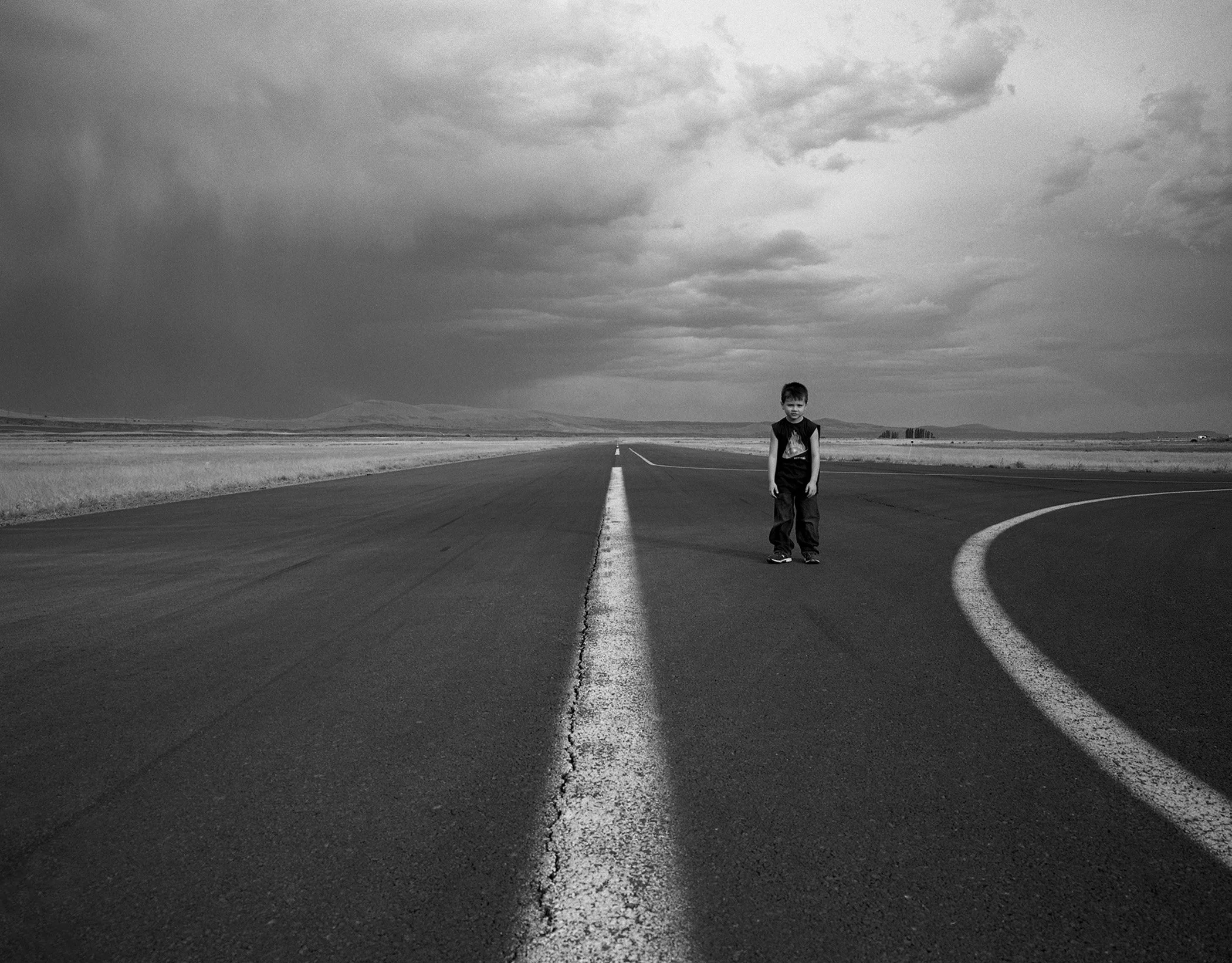
Artifacts: The Road to Manzanar
Unpublished Book Proposal (2007-2017)
A novel-in-words-and-fine-art-photography, about a disabled boy and his family who are sent to the Japanese American Internment Camps of World War II, and their struggles to adapt and integrate, as well as the enduring emotional repercussions half a century later.
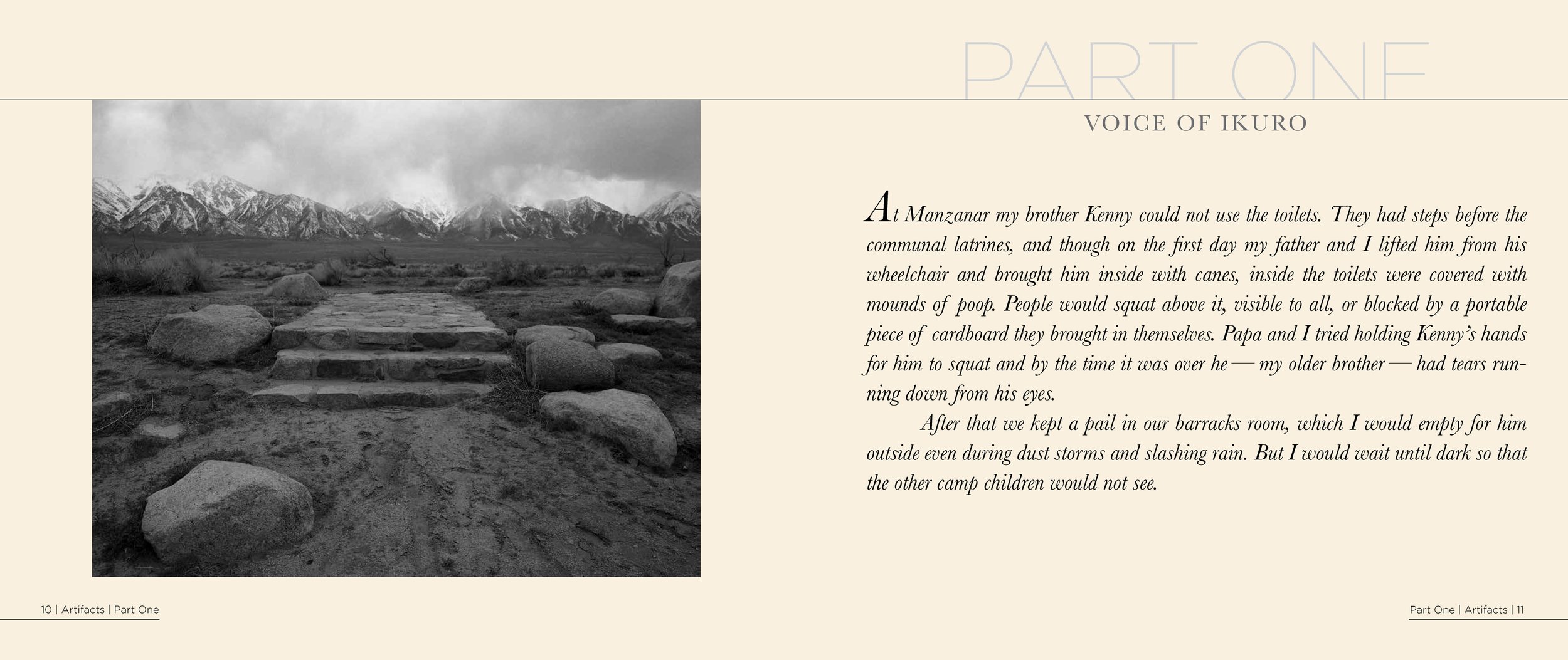
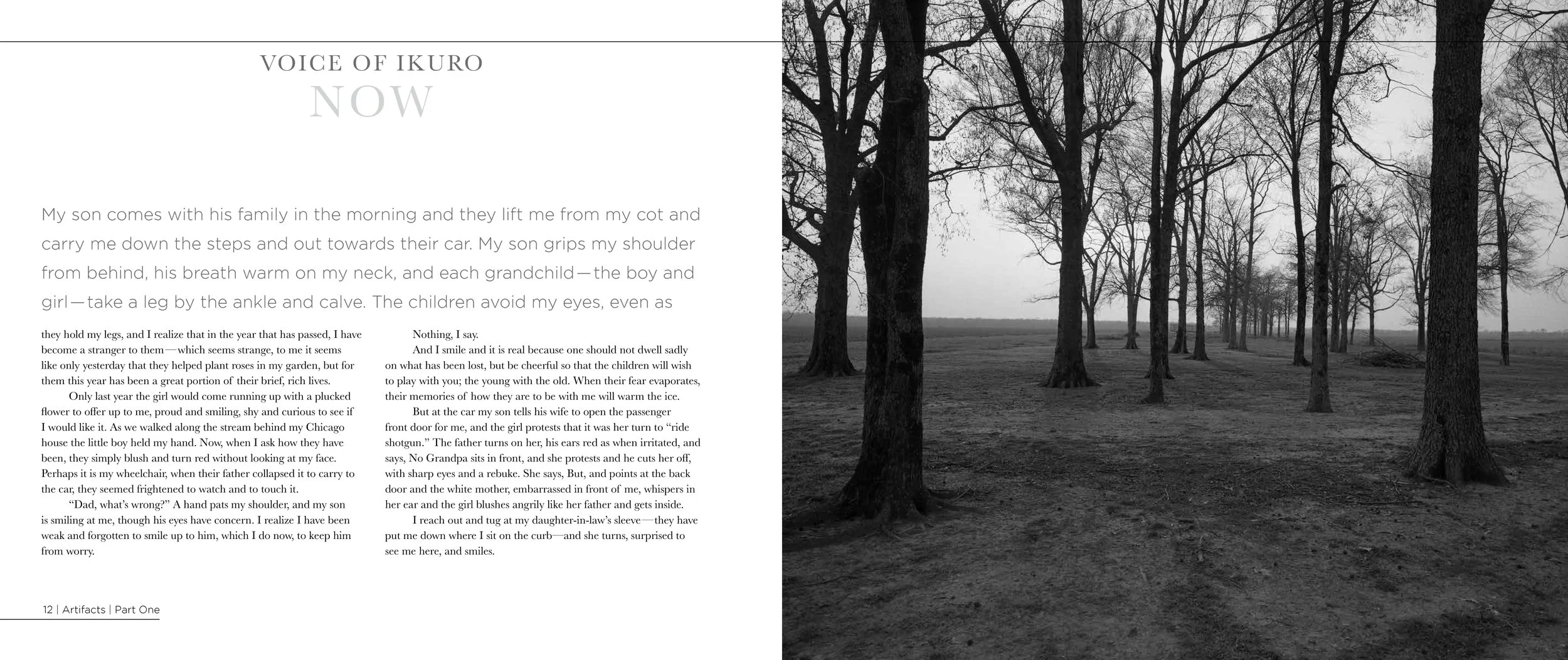
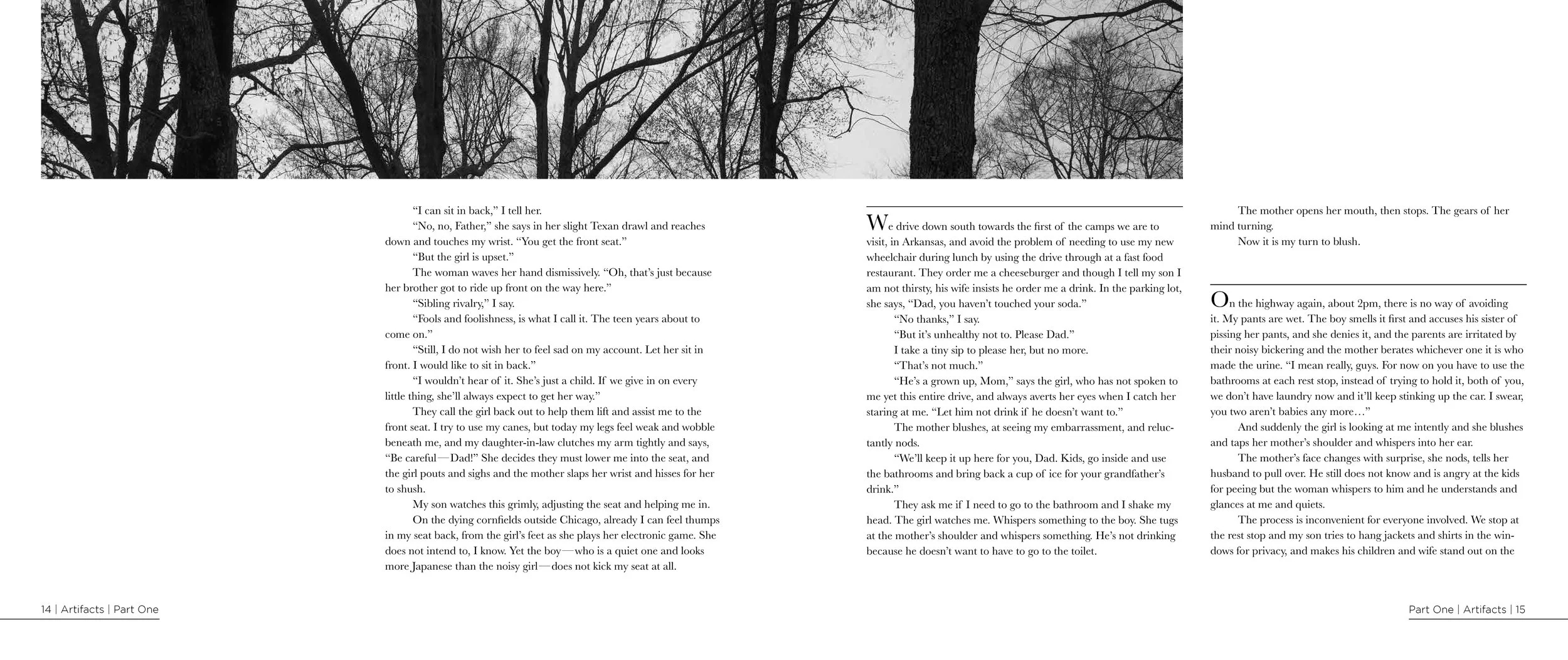
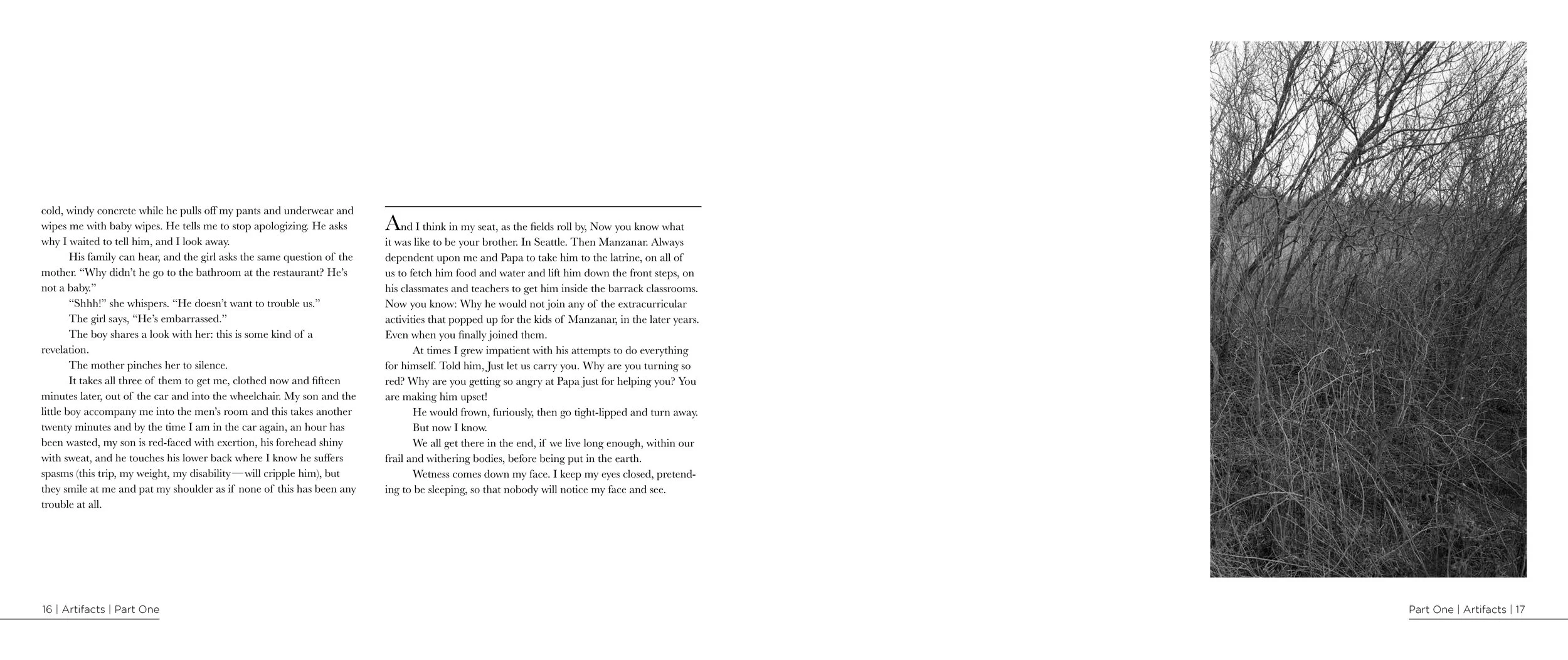
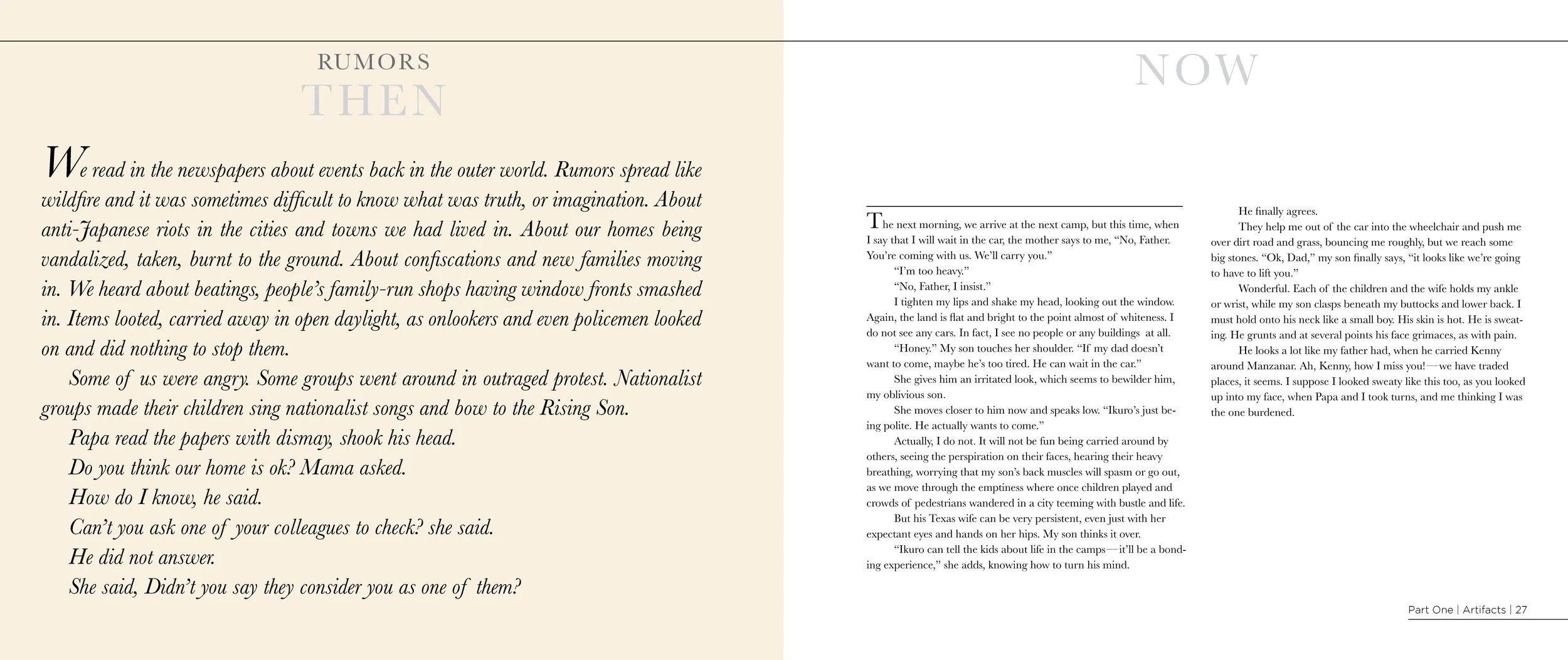
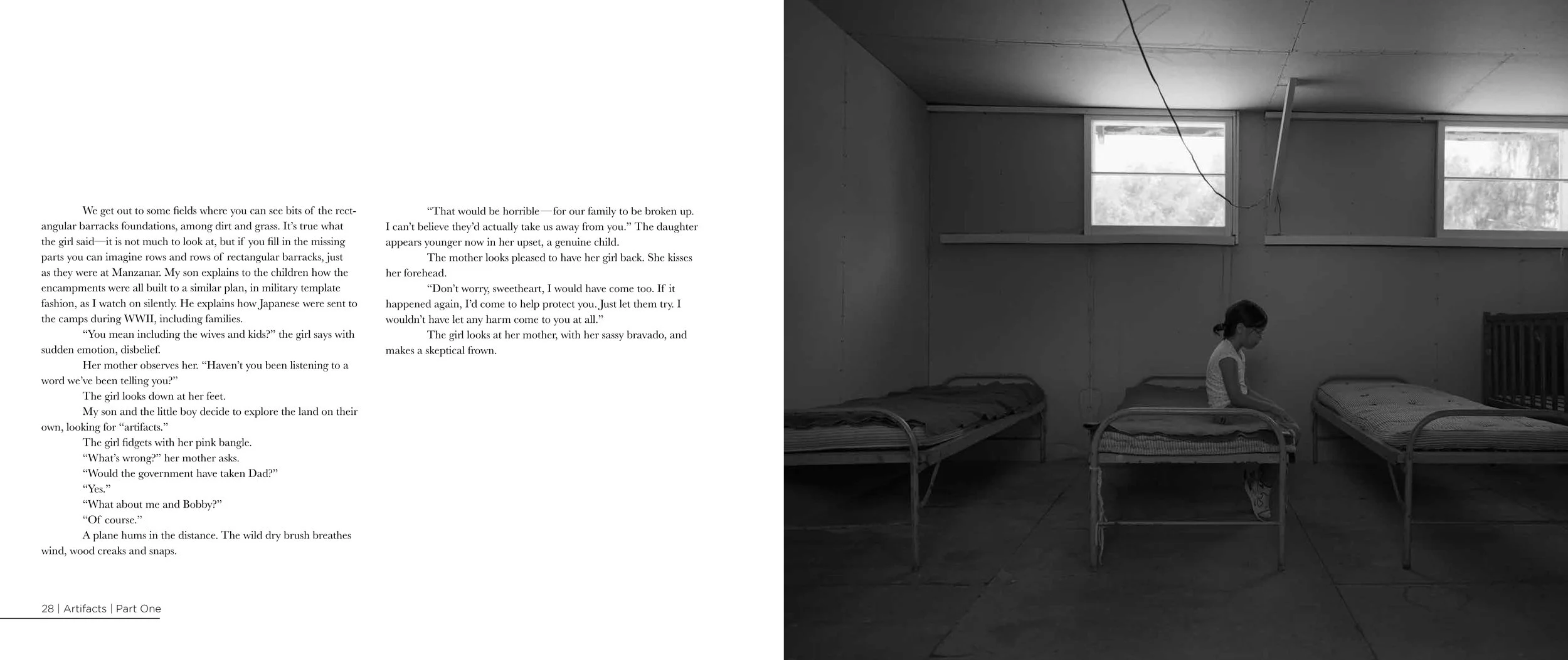
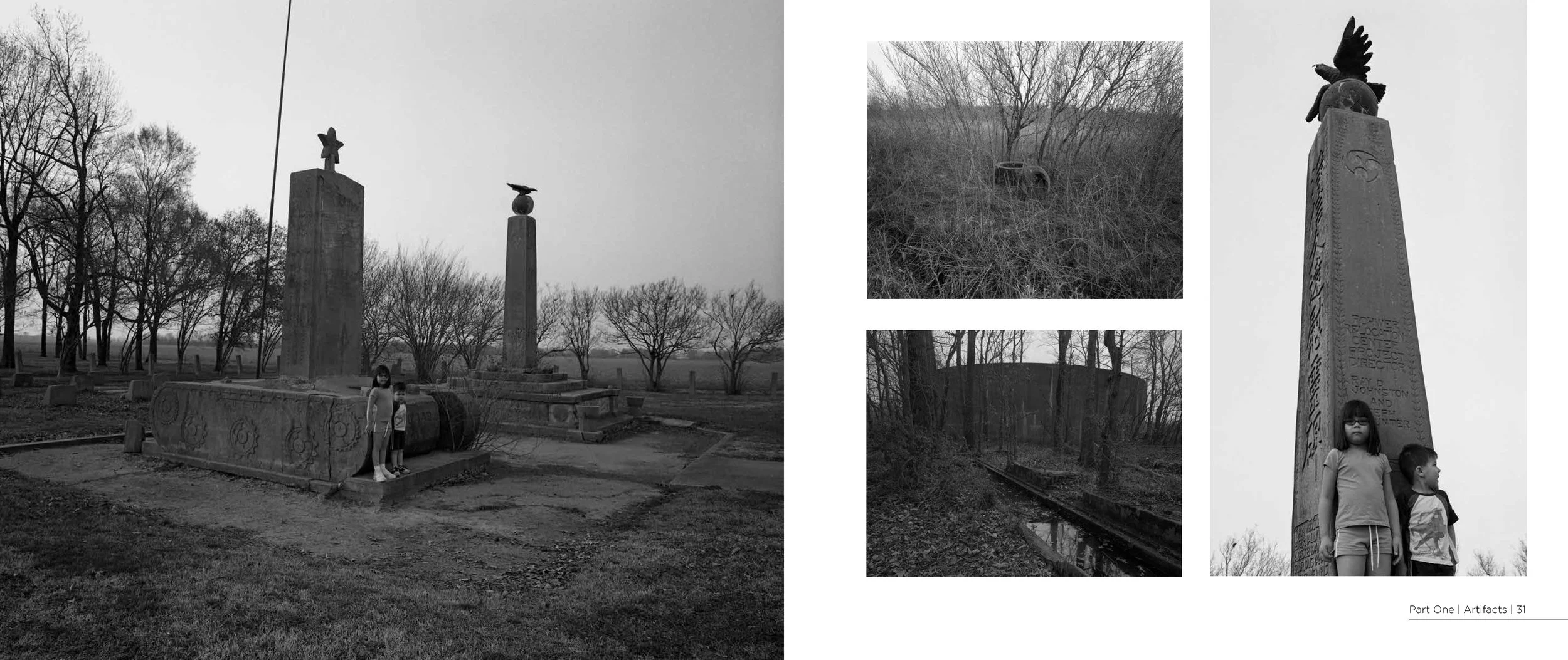
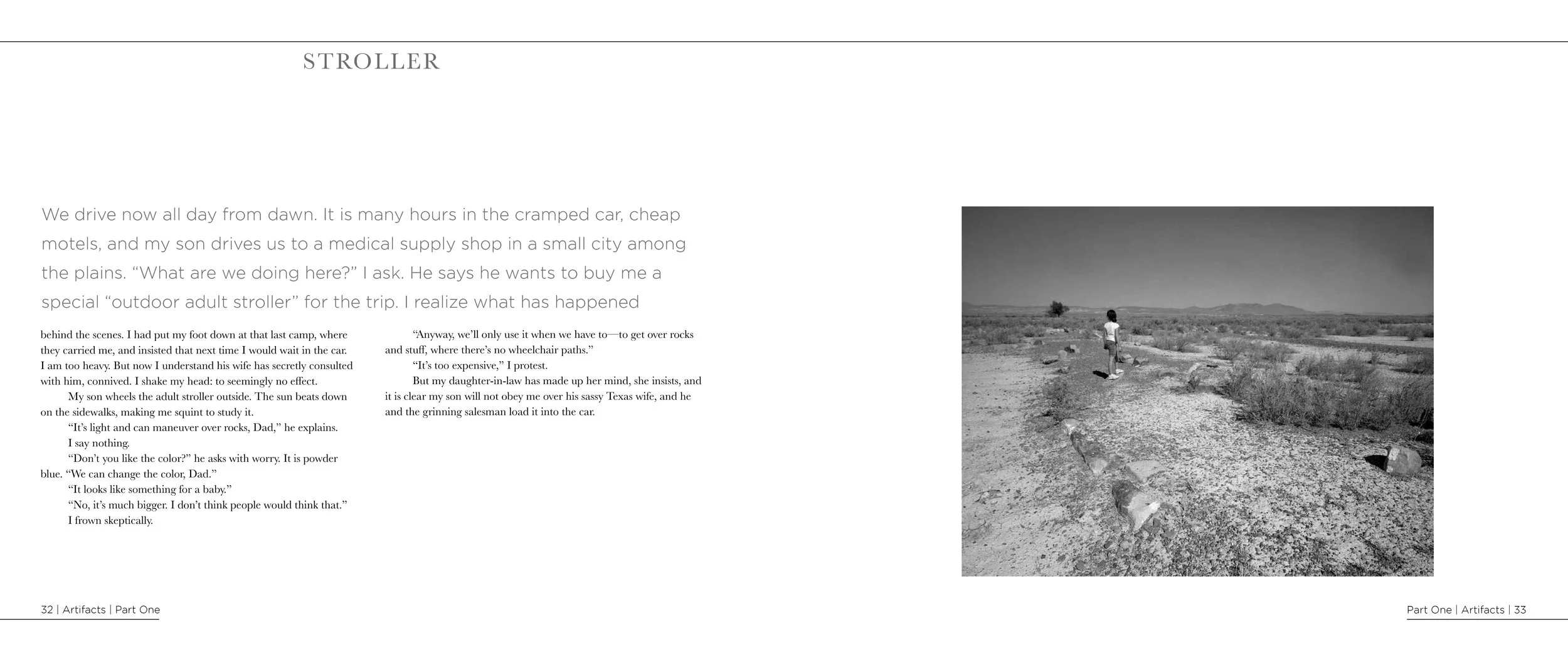
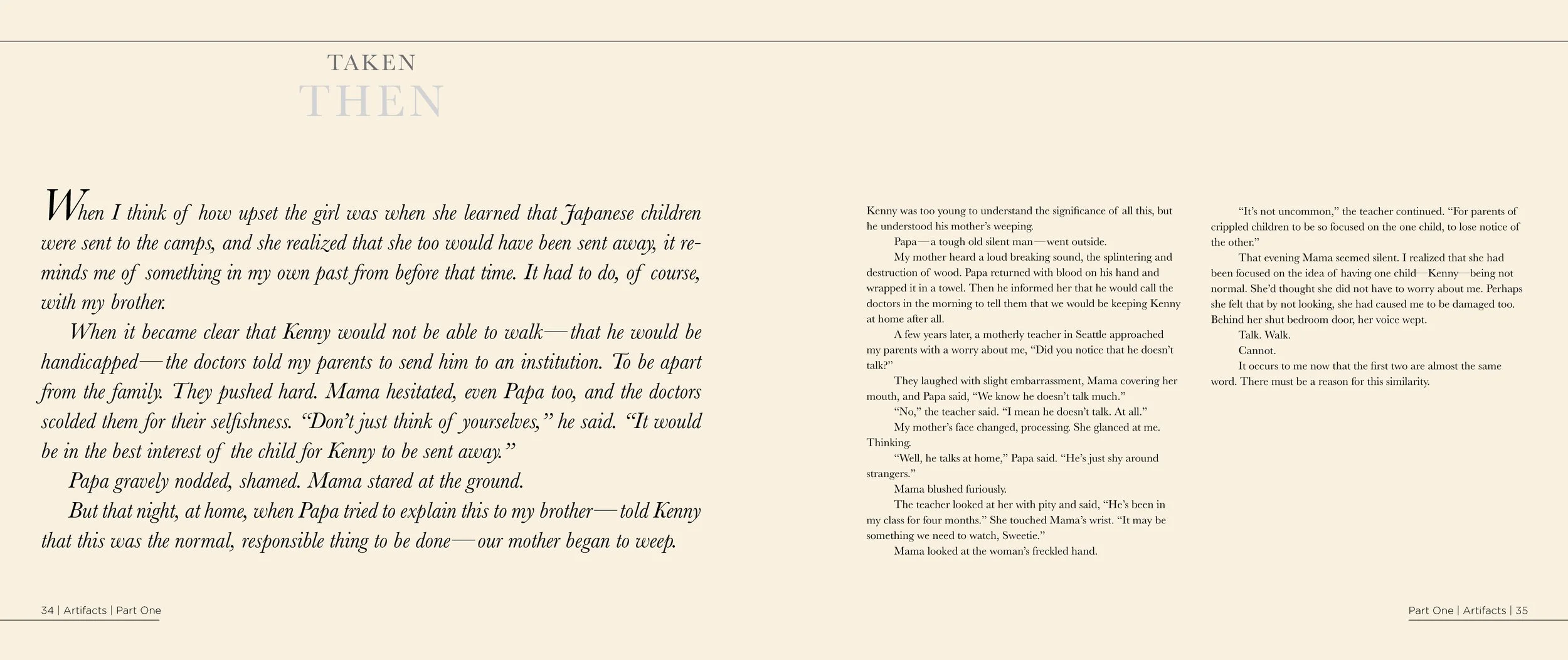
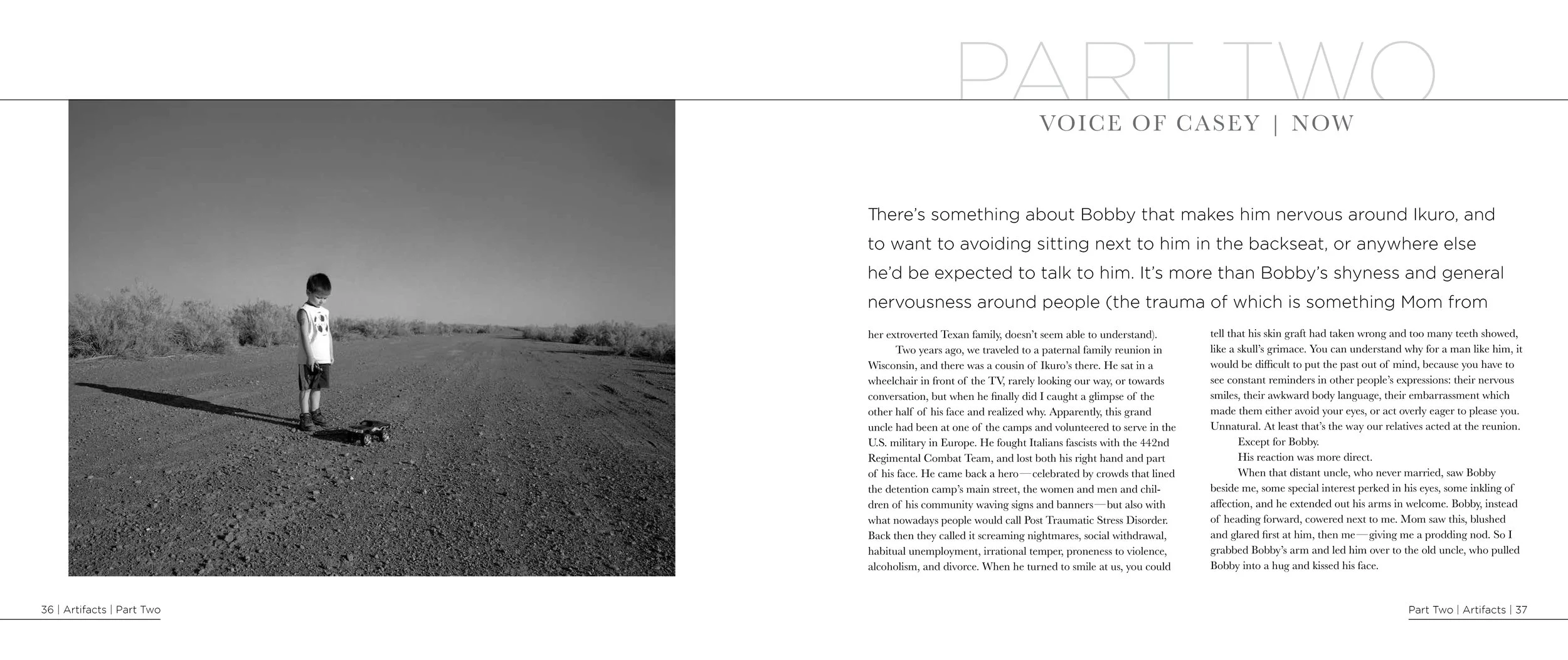
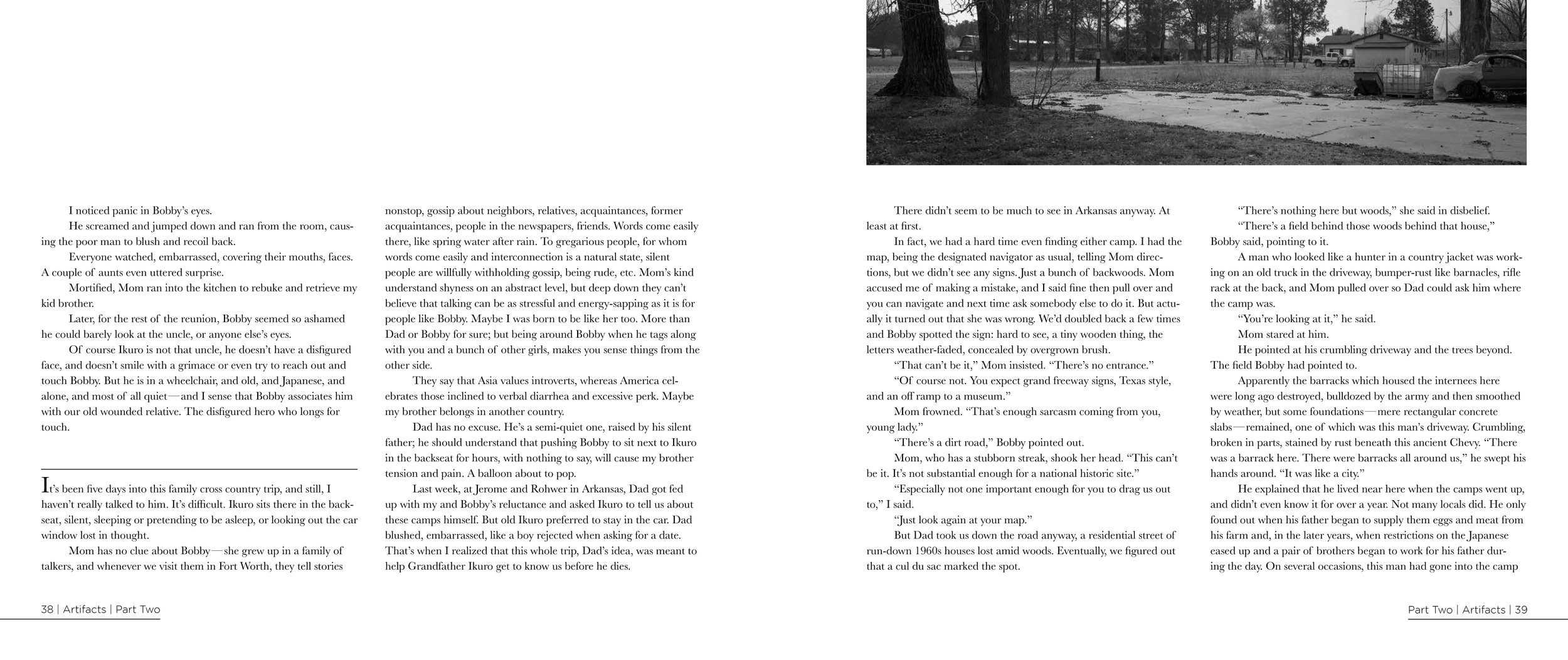
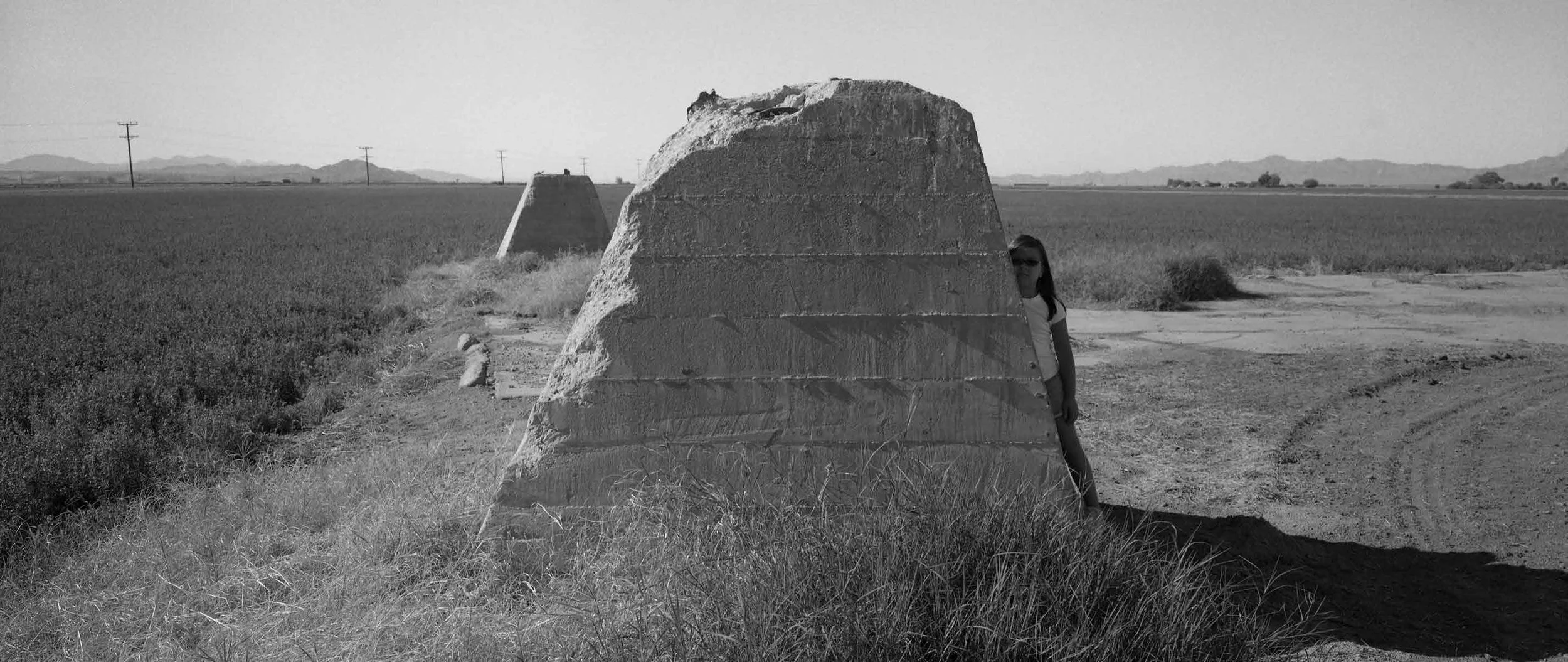
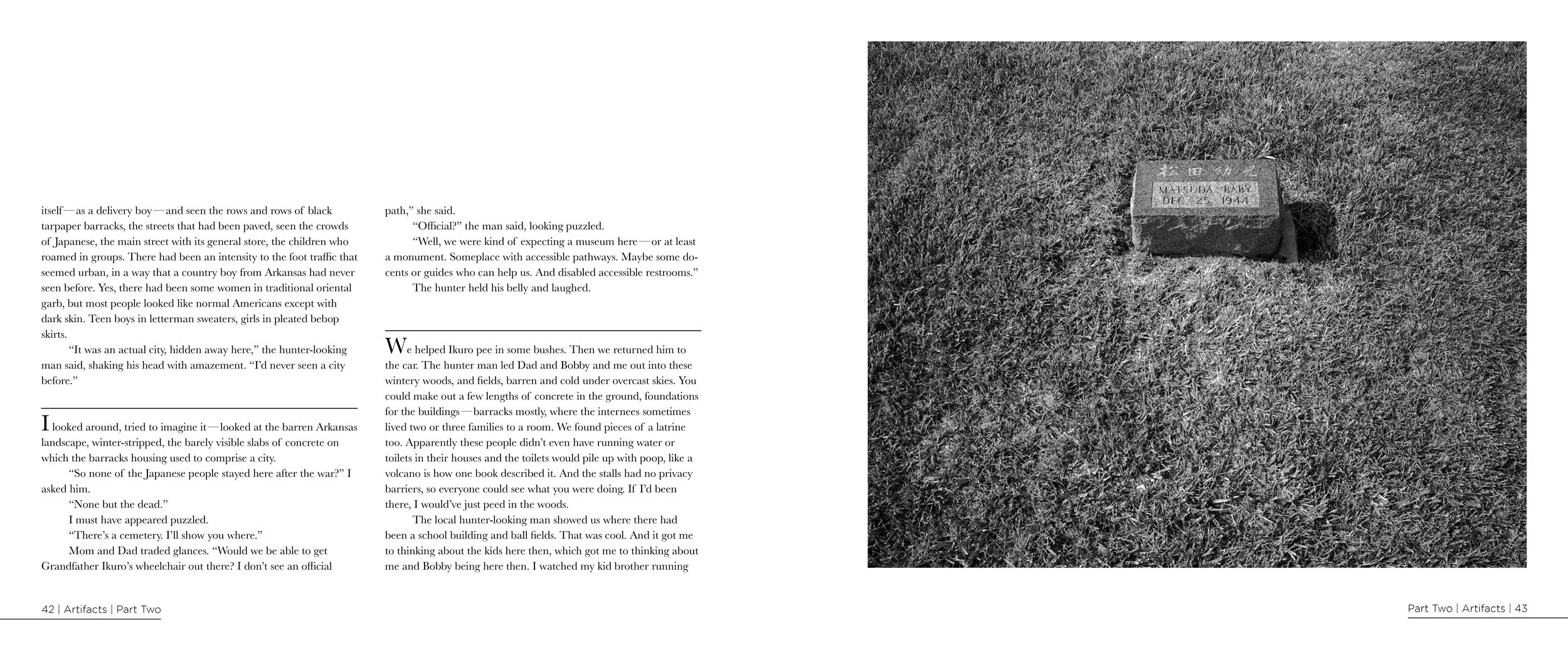
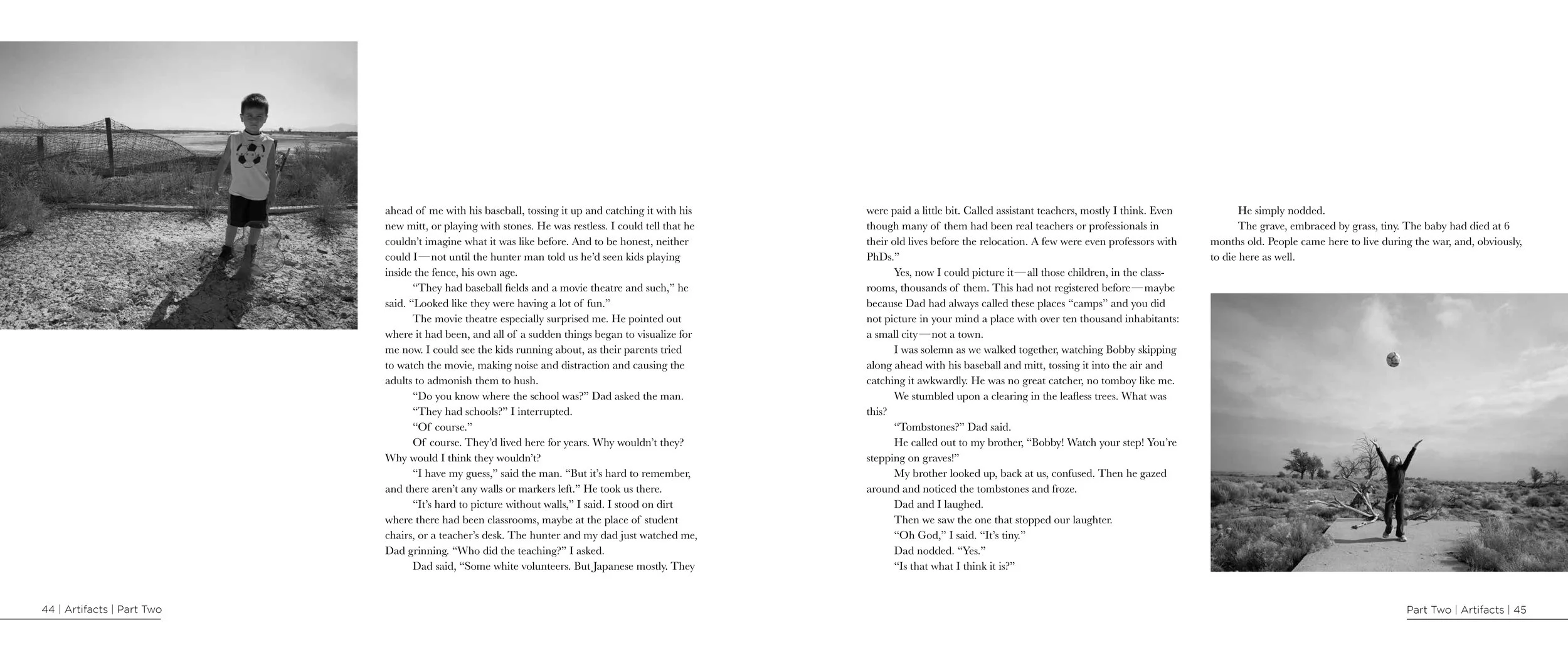
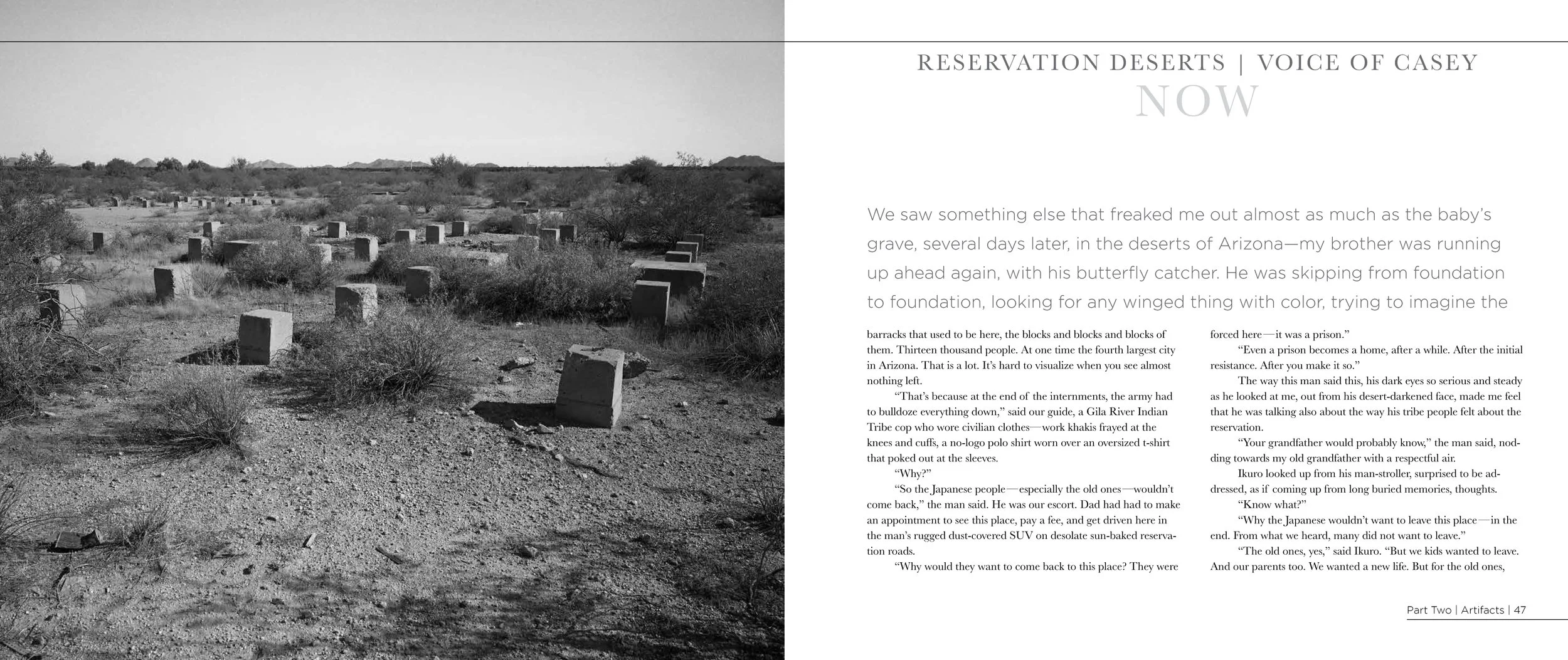
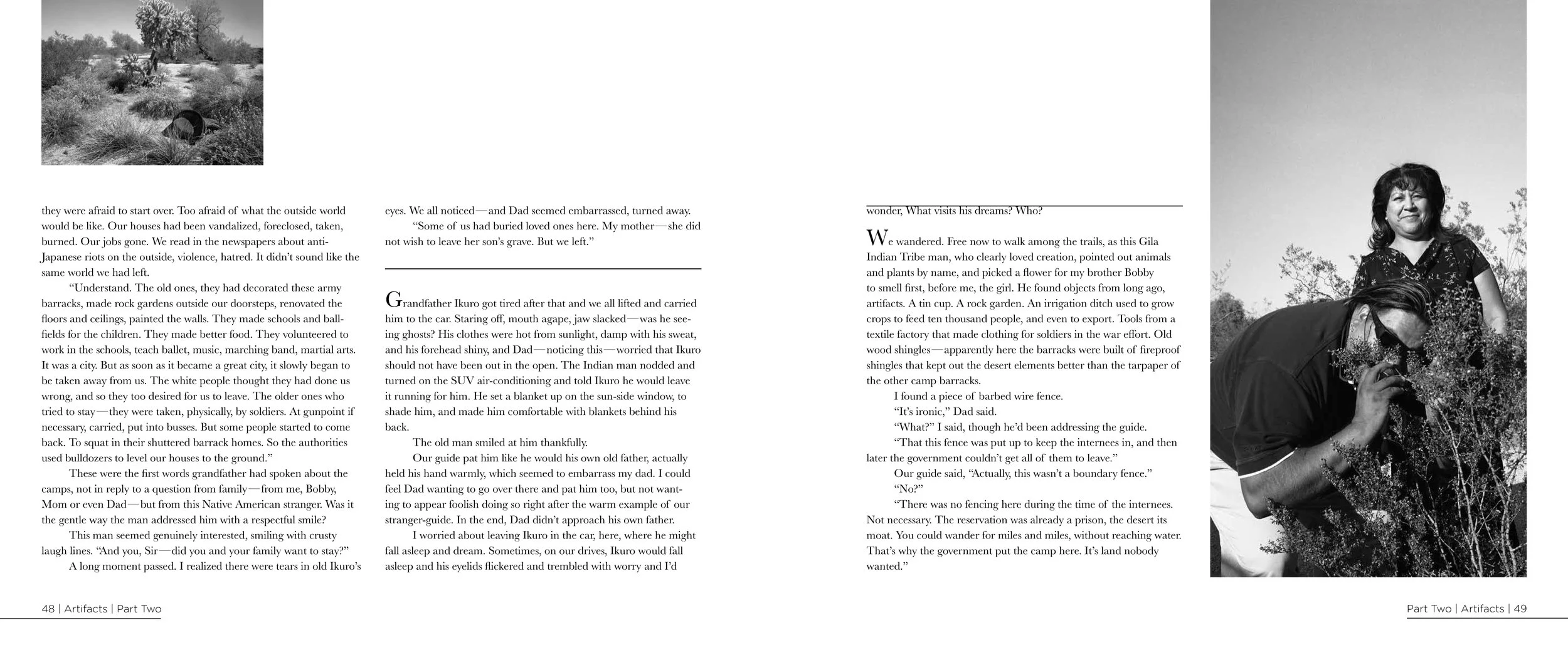
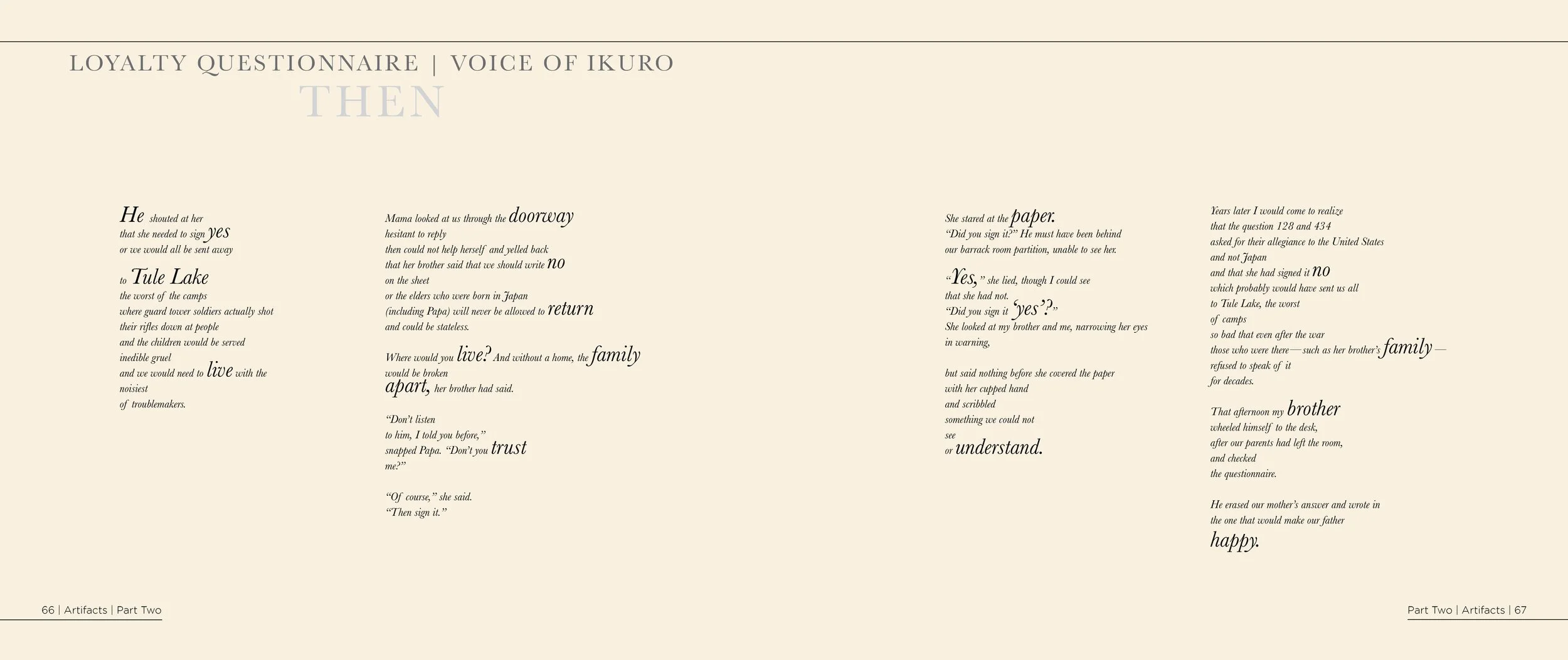
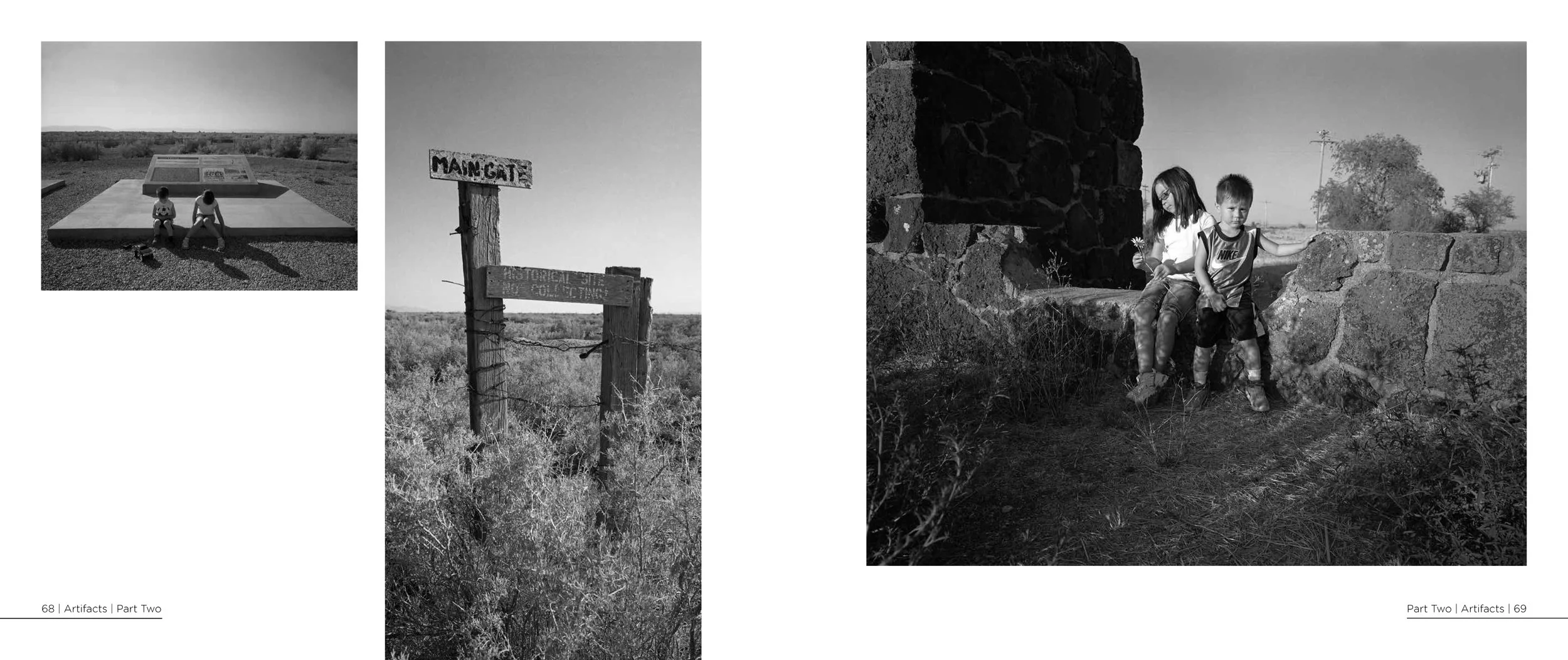
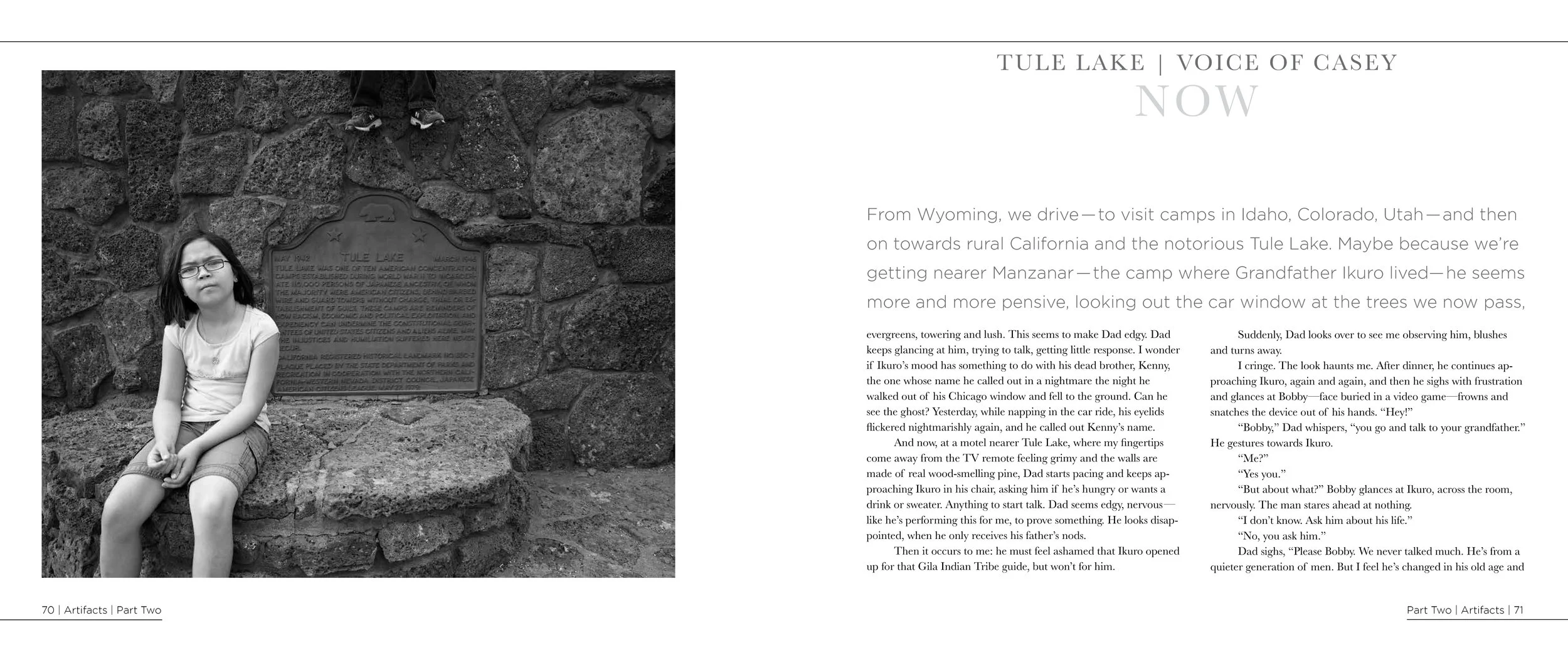
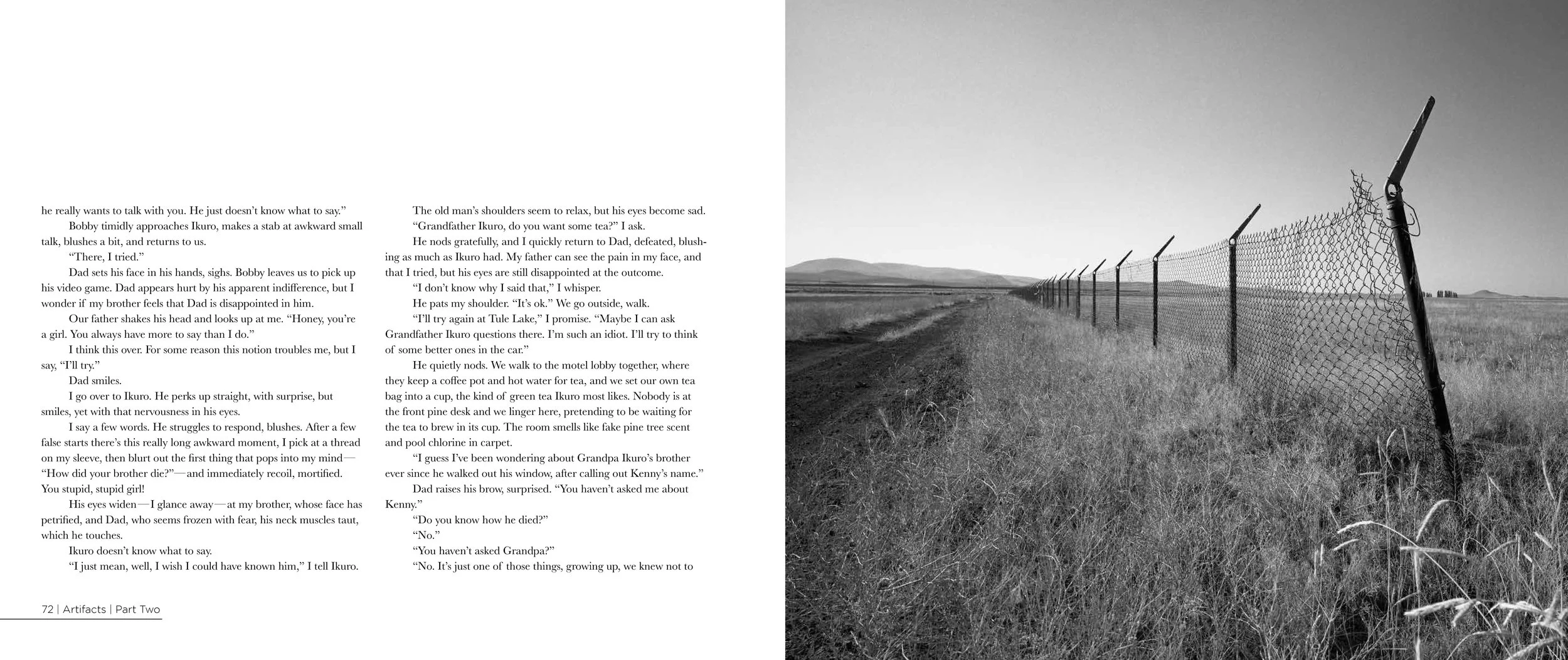
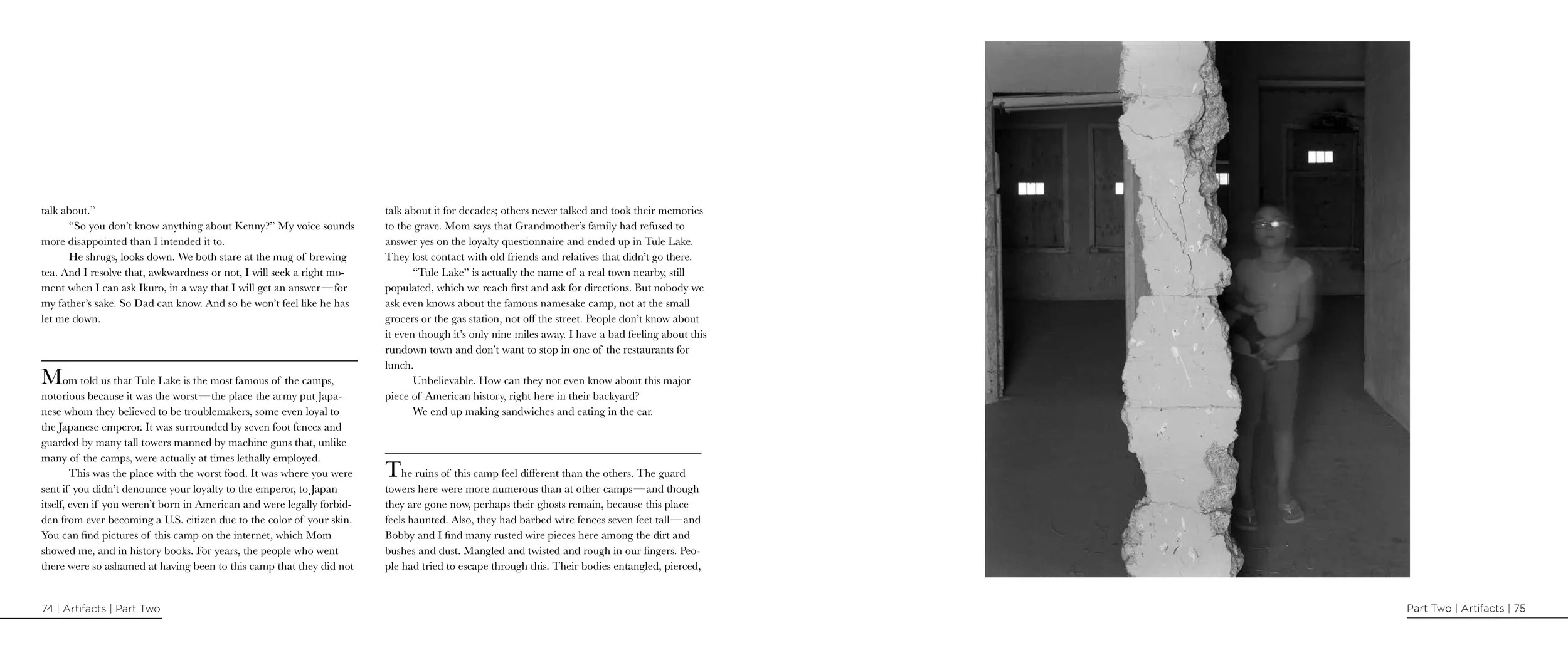
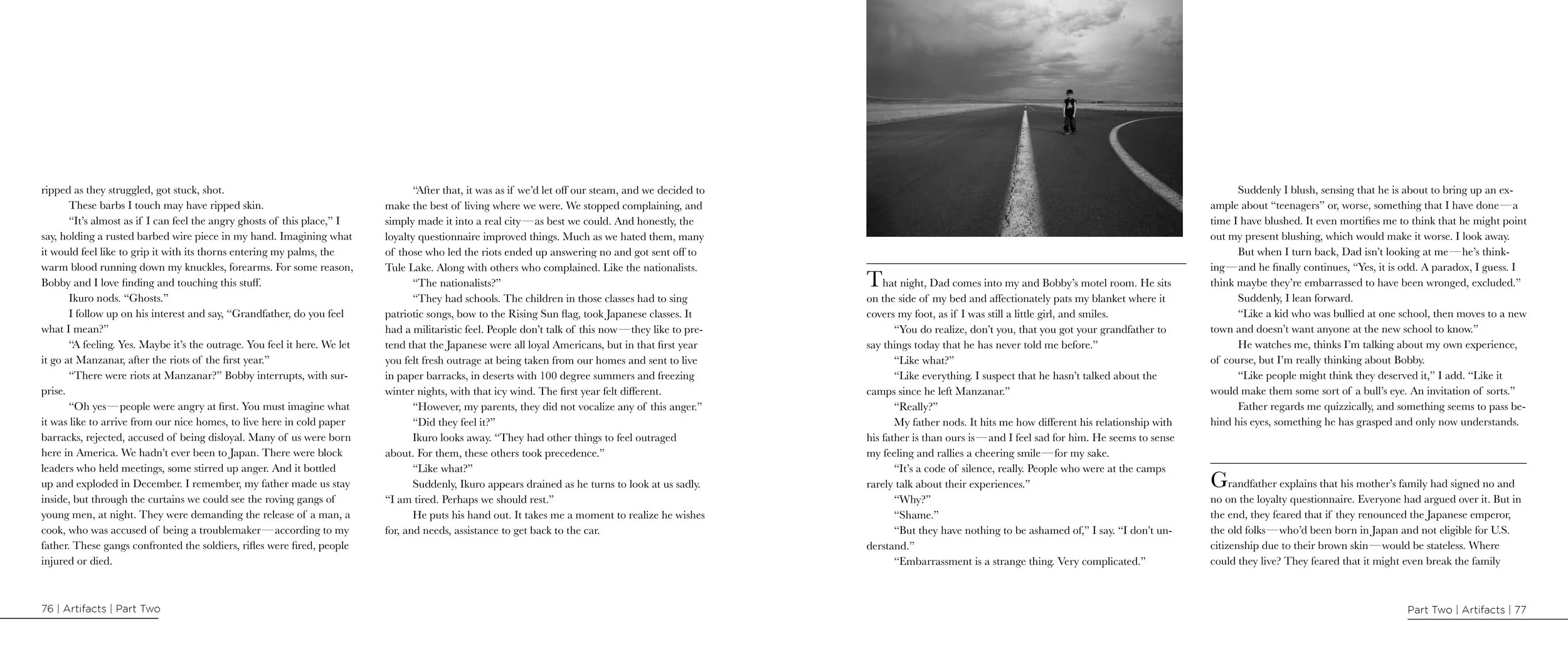
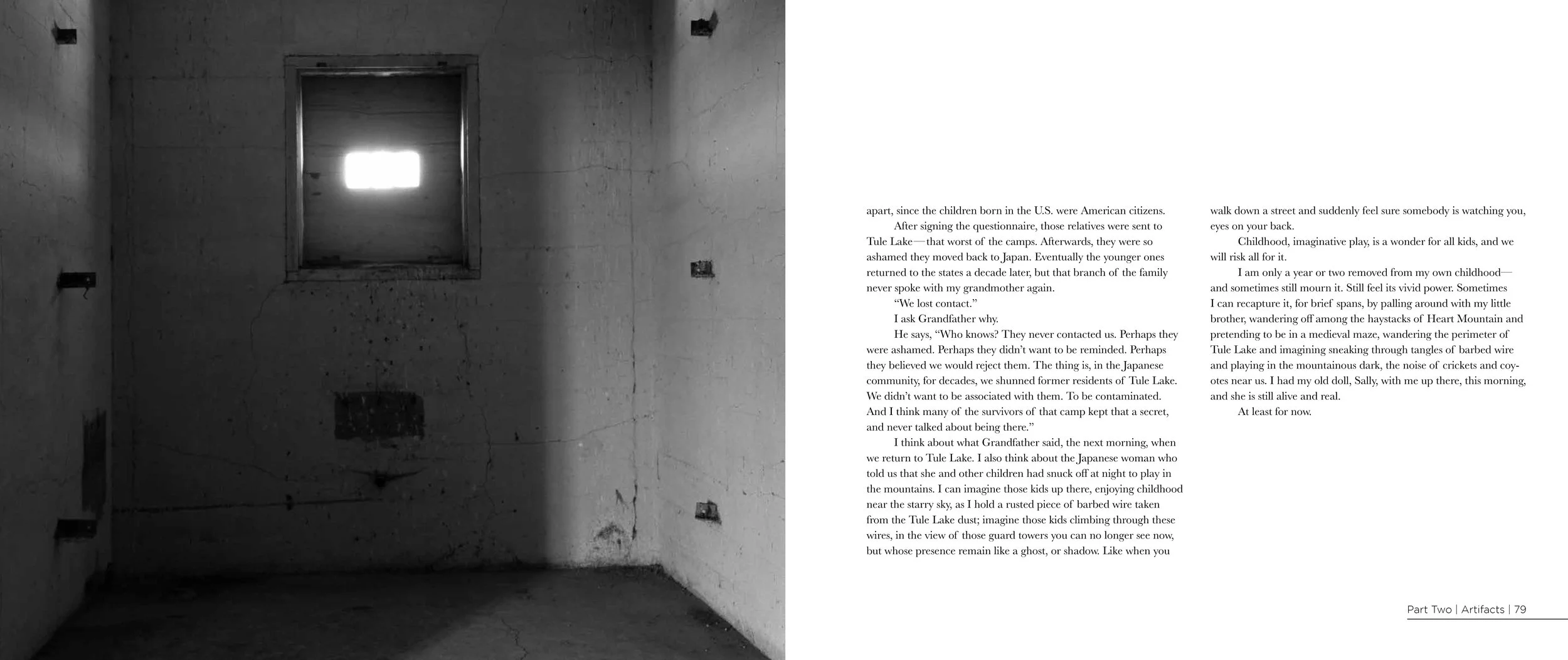
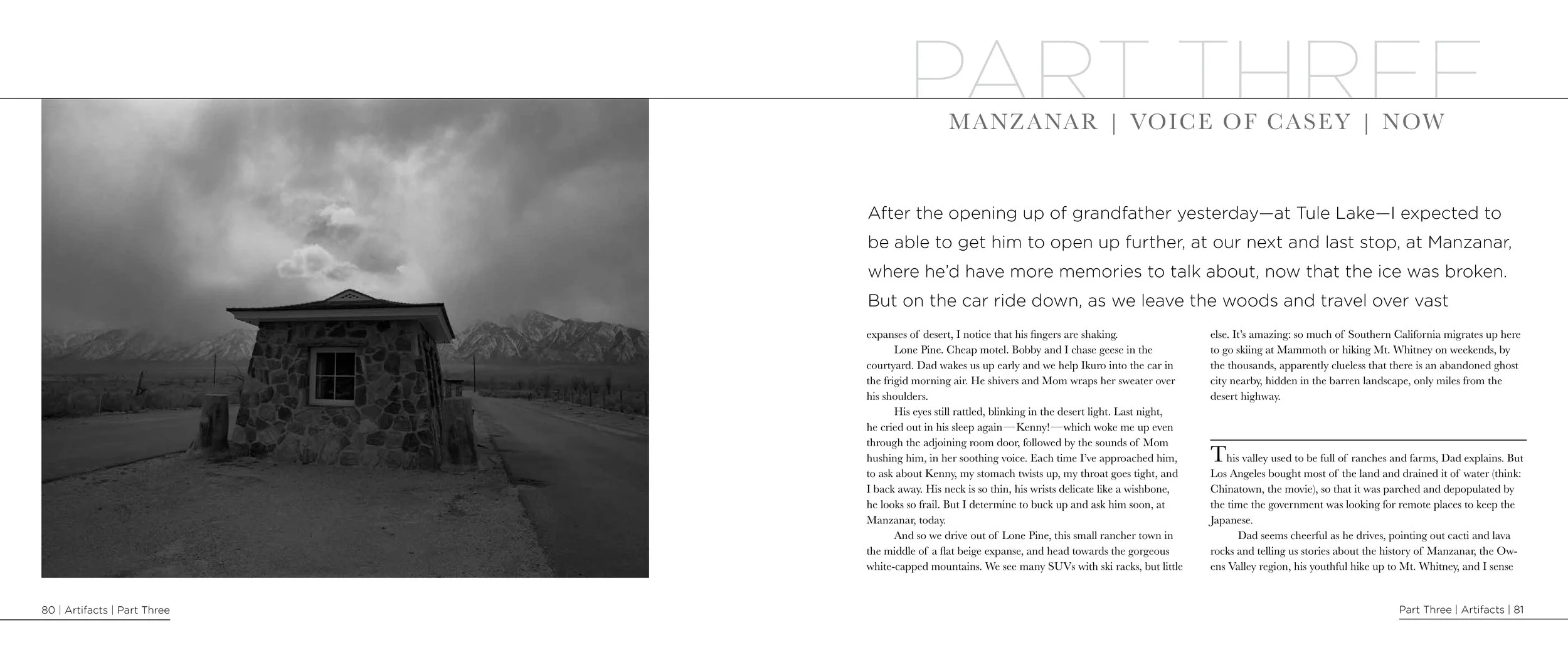
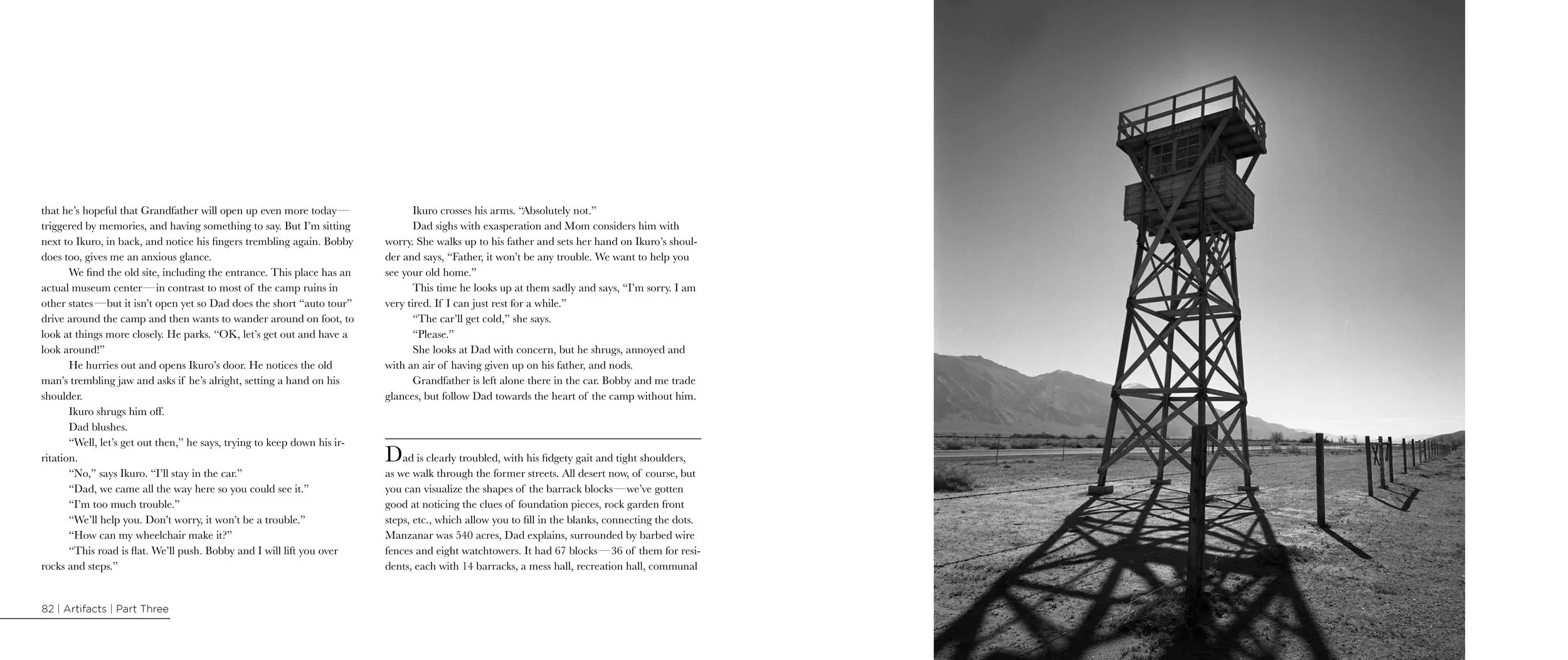
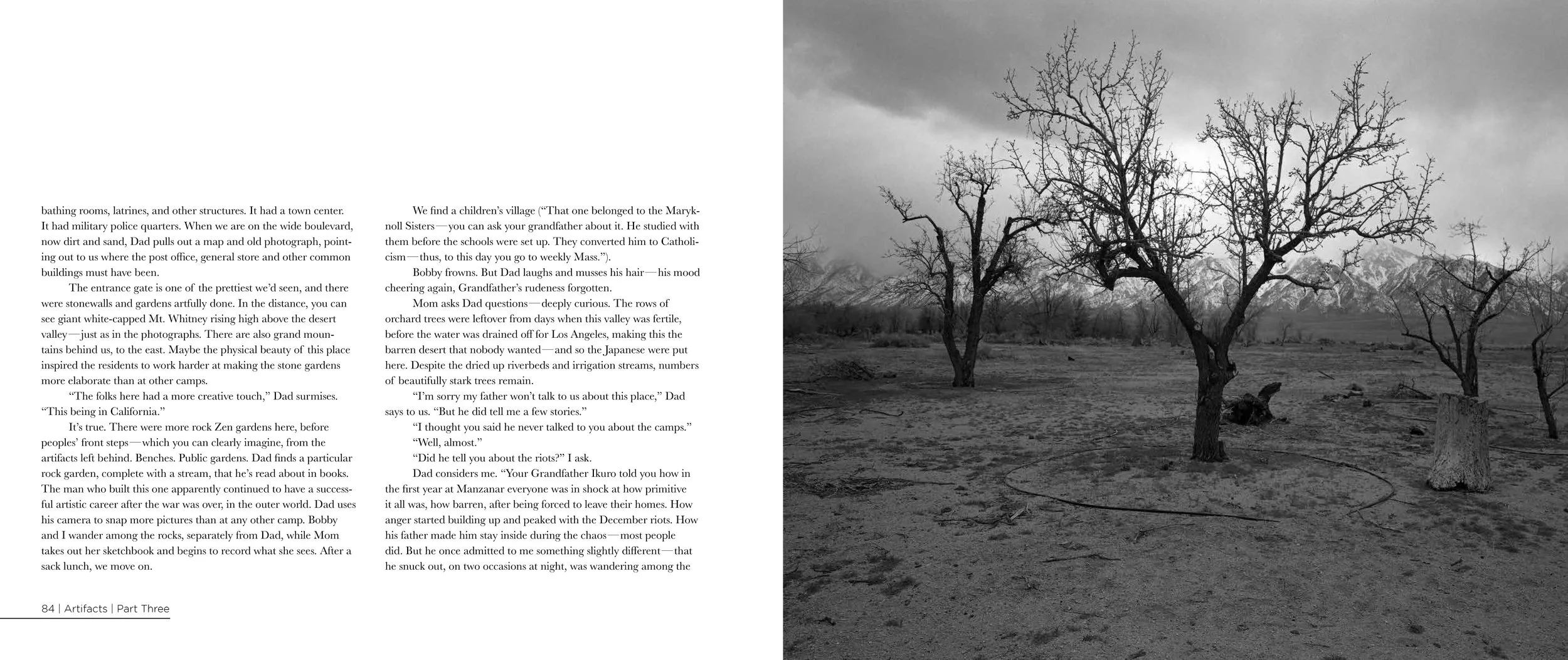
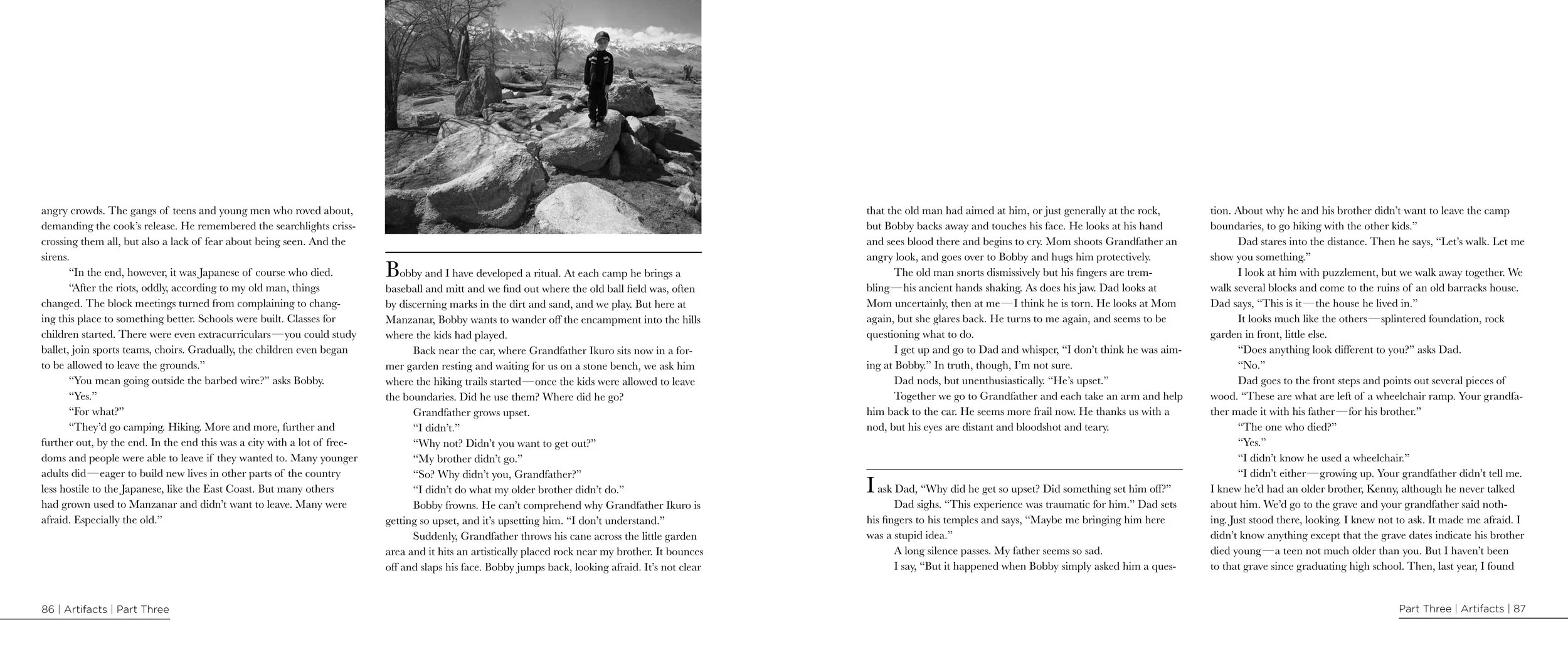
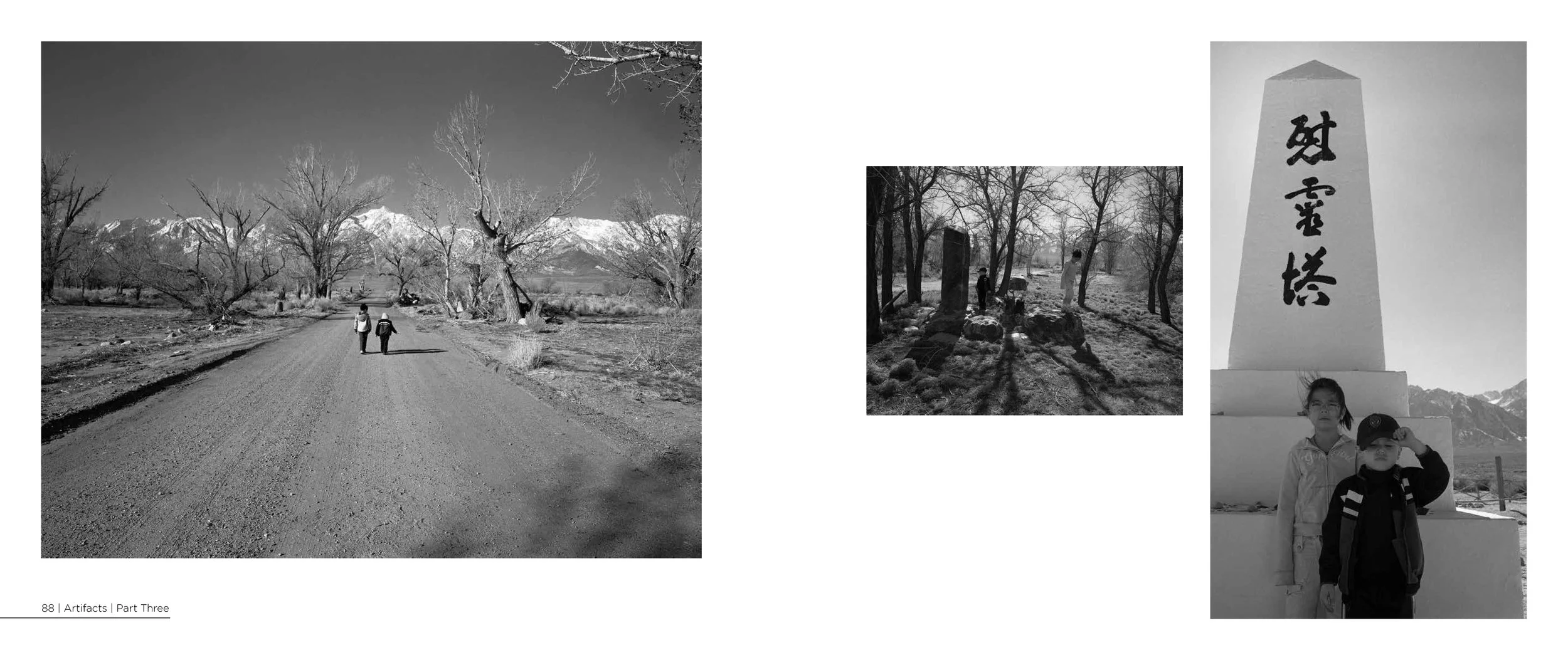
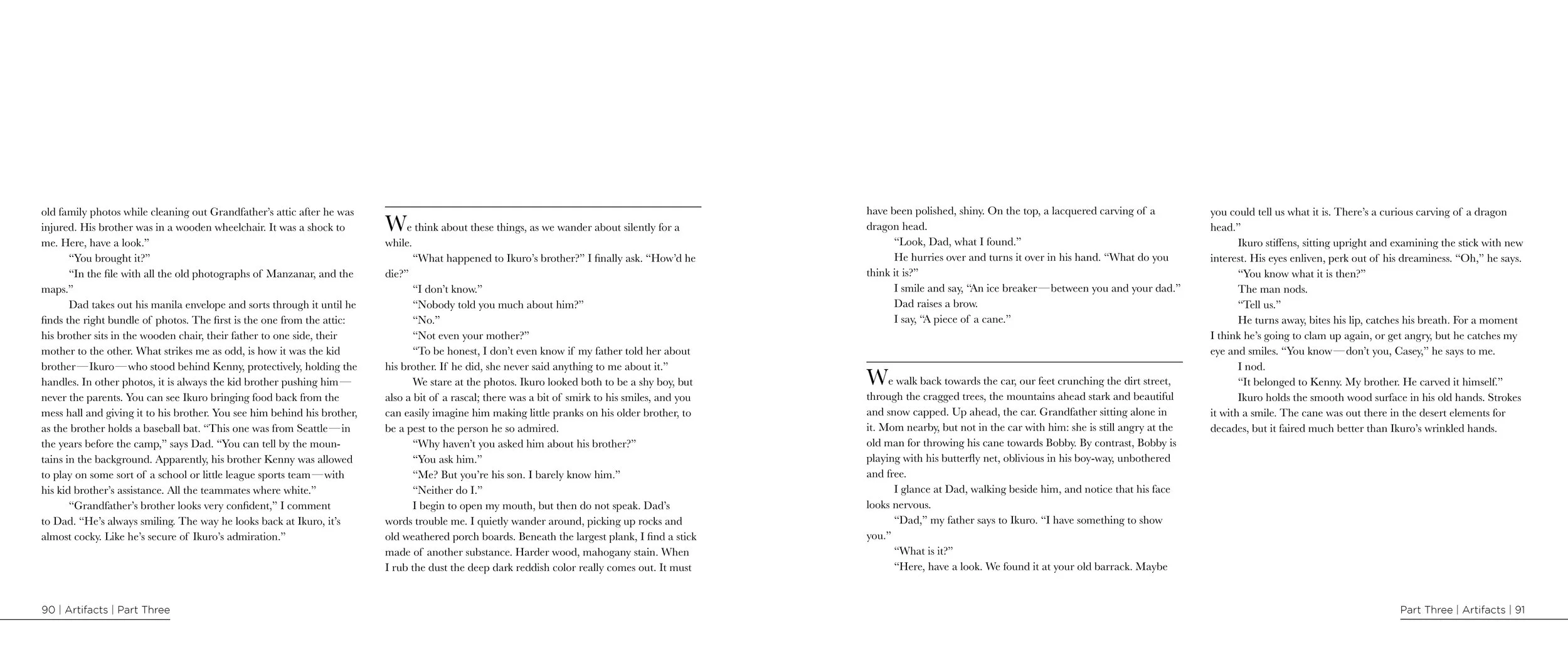
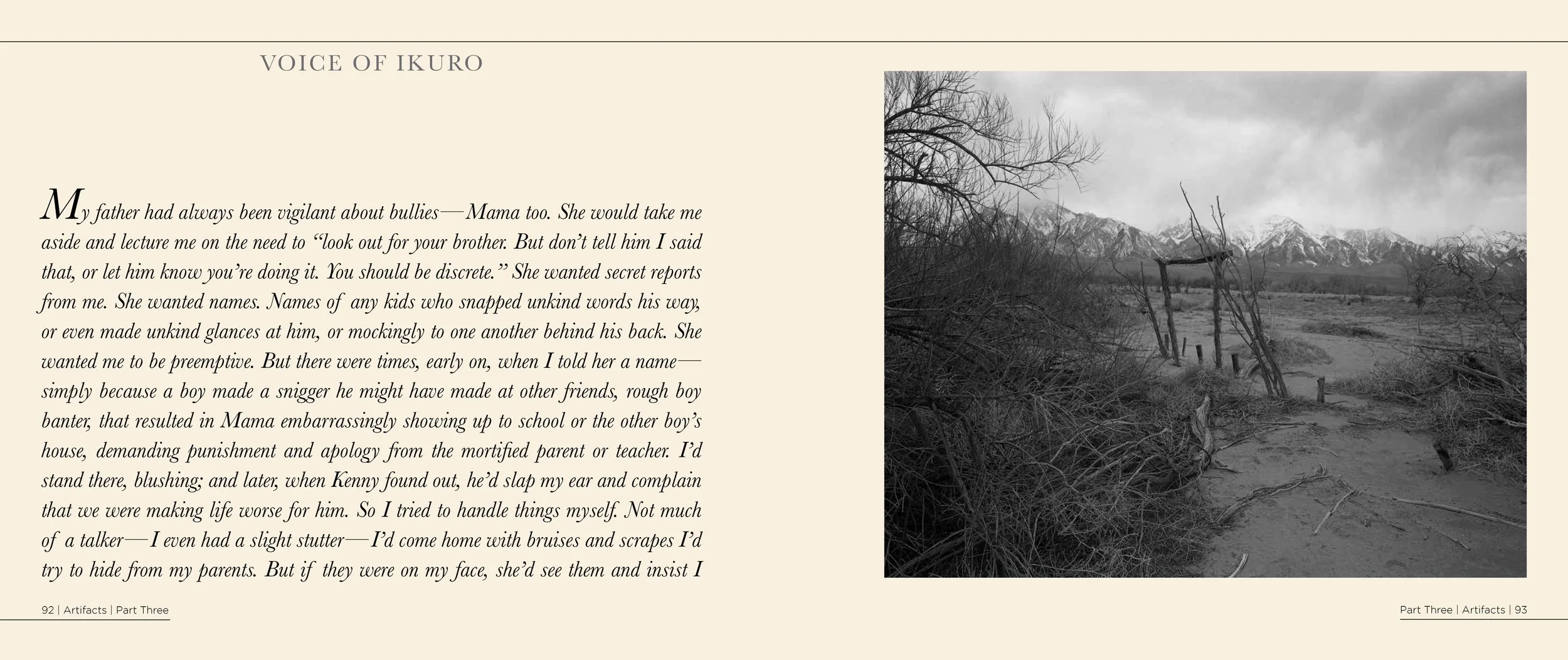
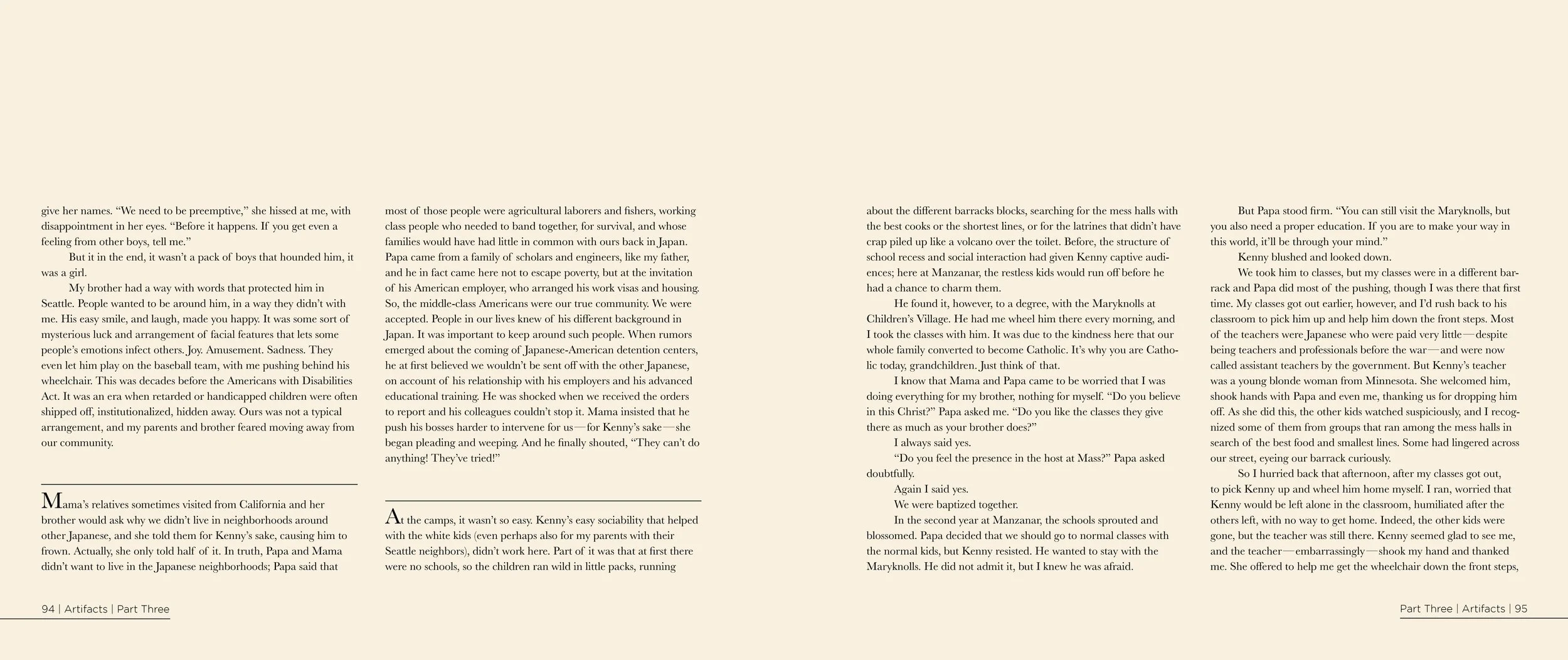
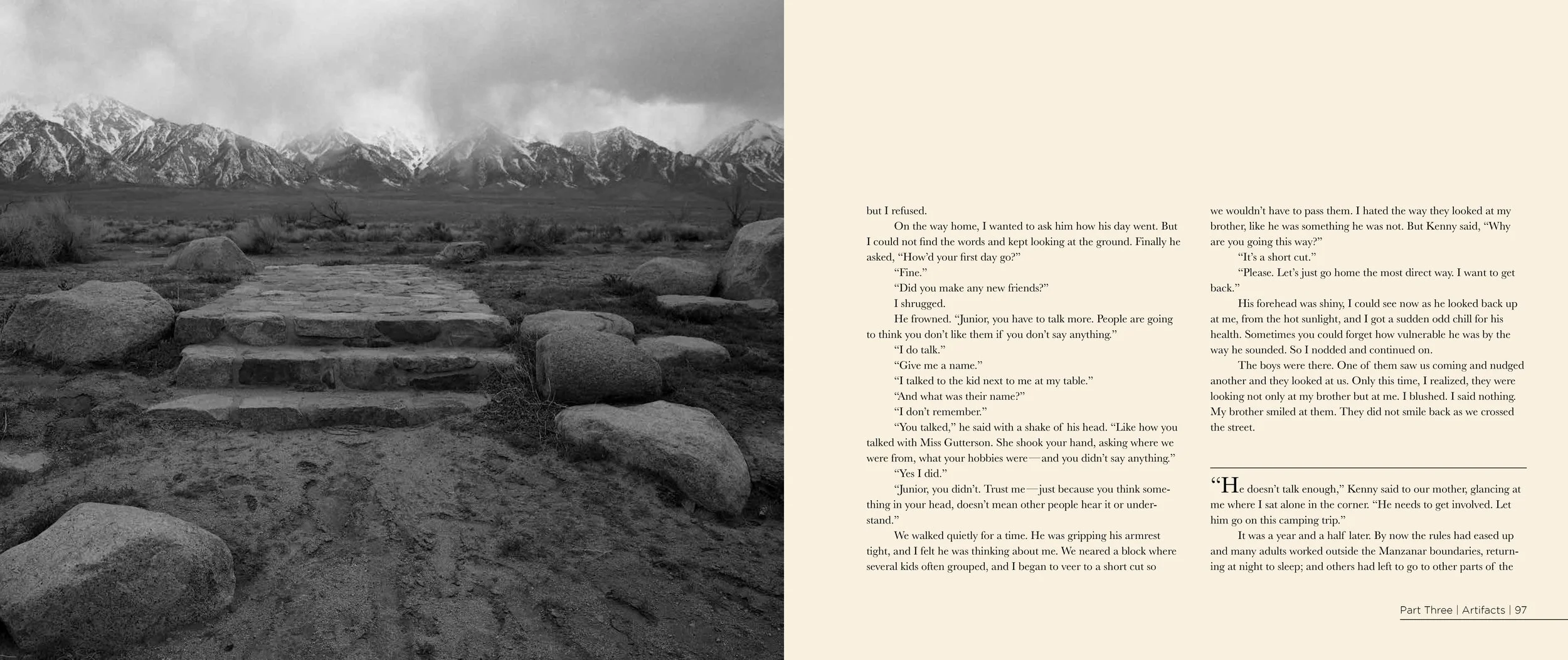
Manzanar
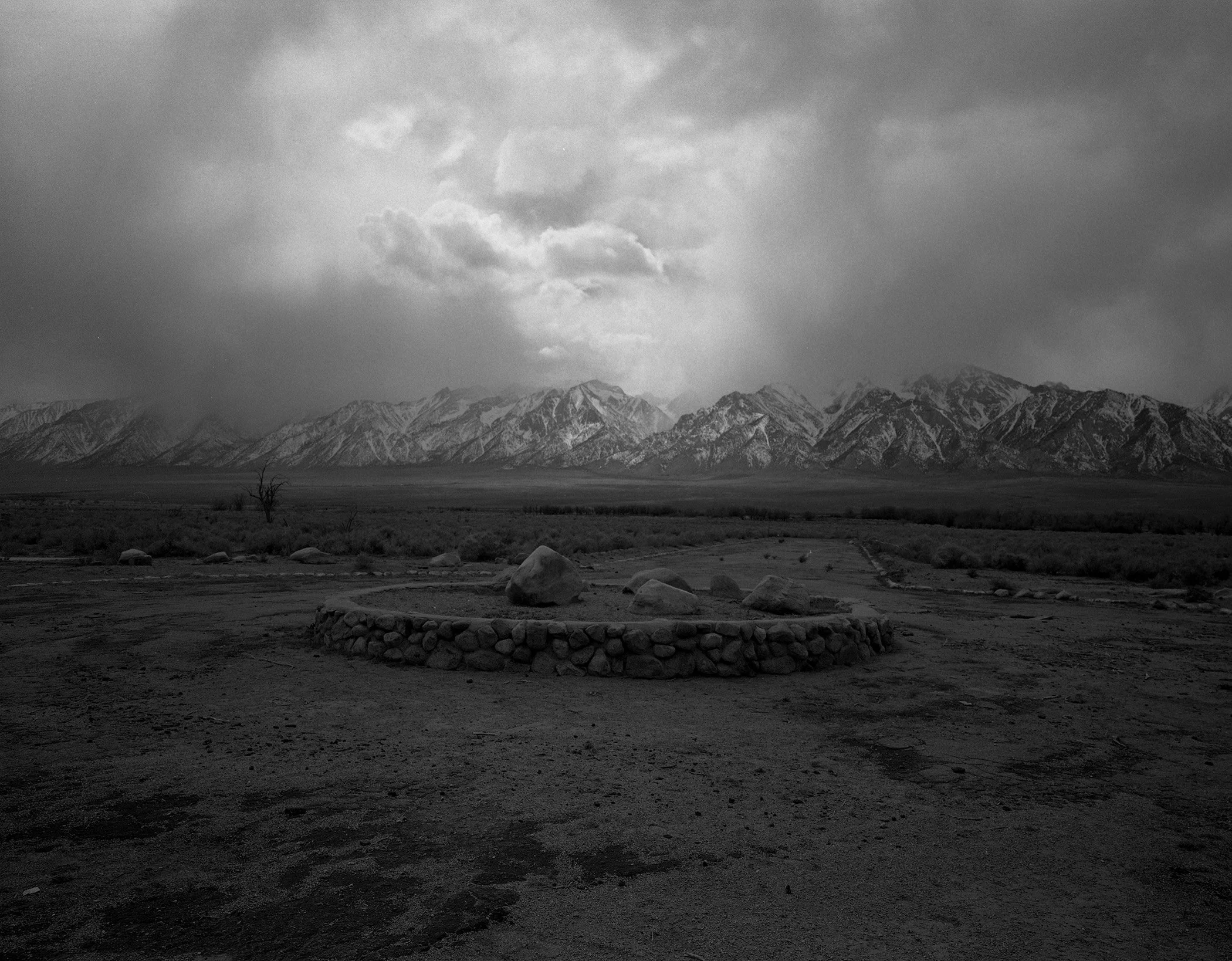
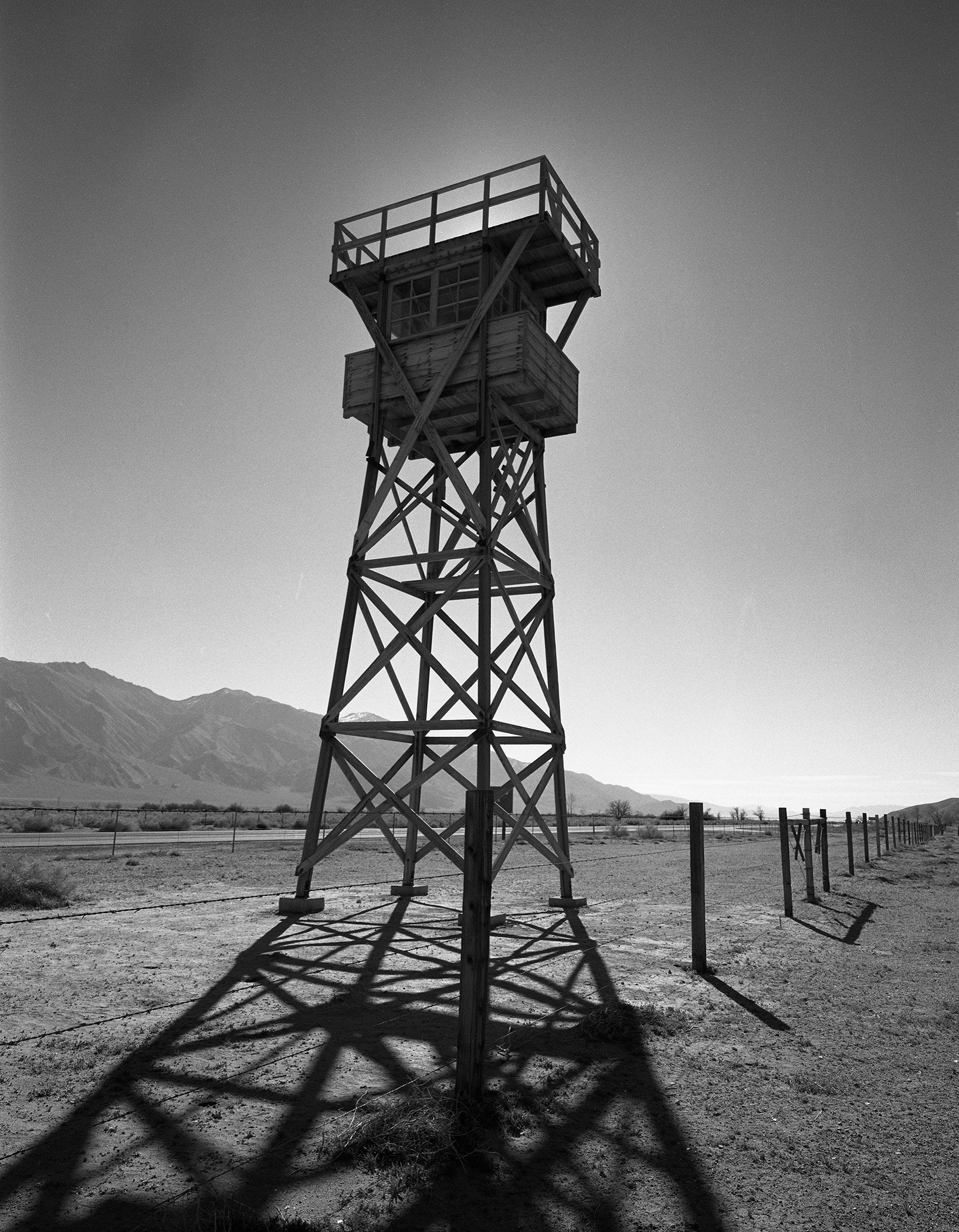
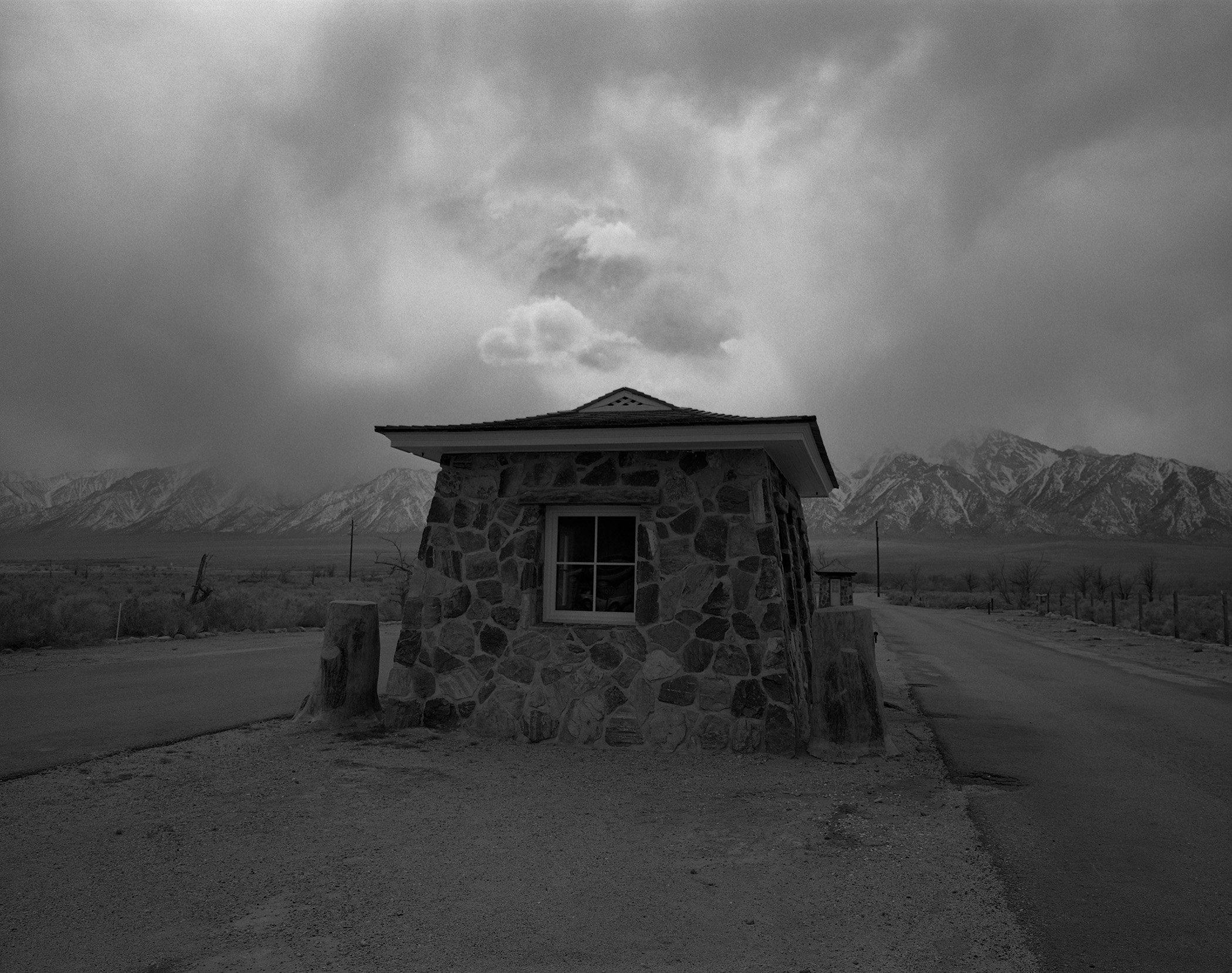
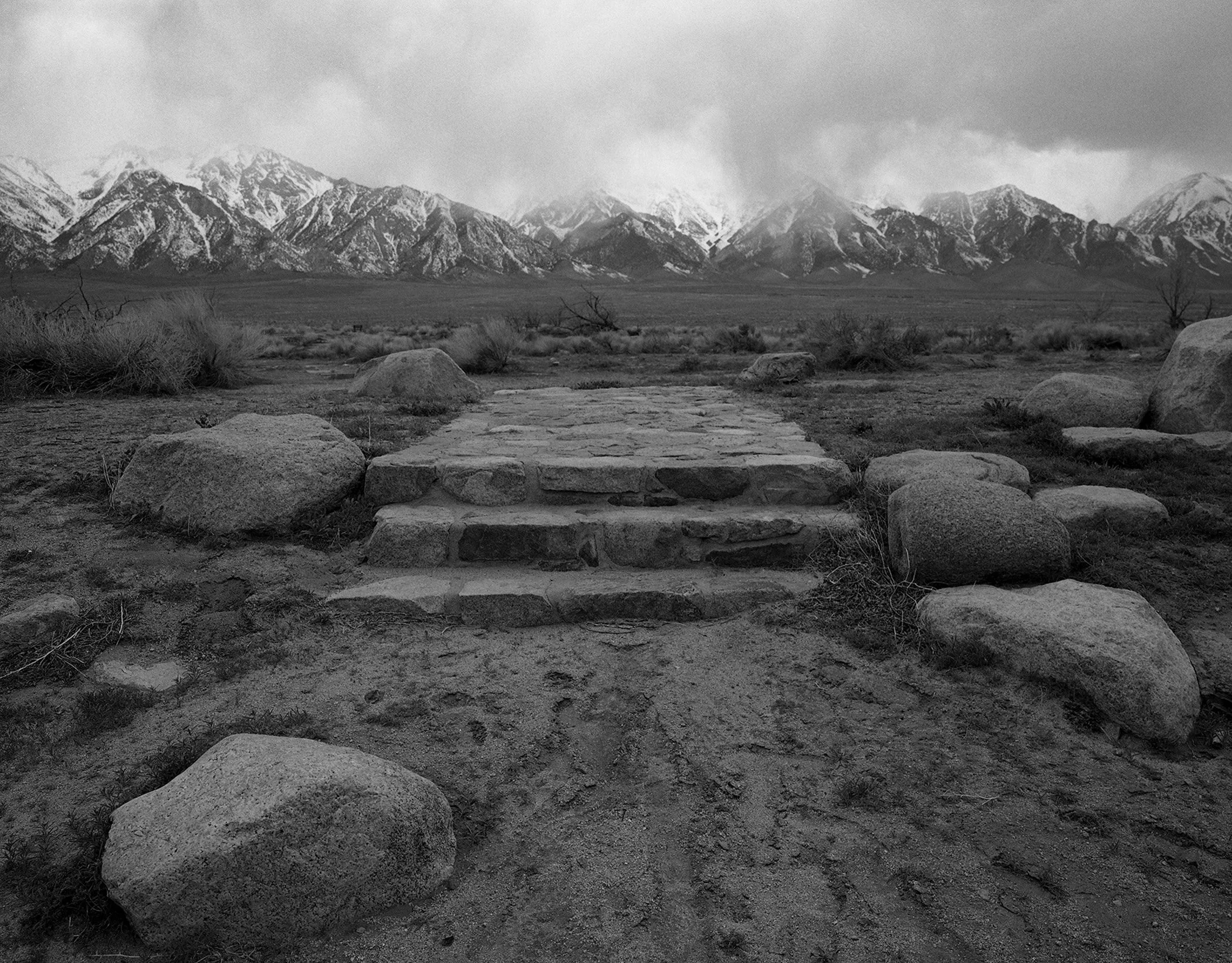
The Trip
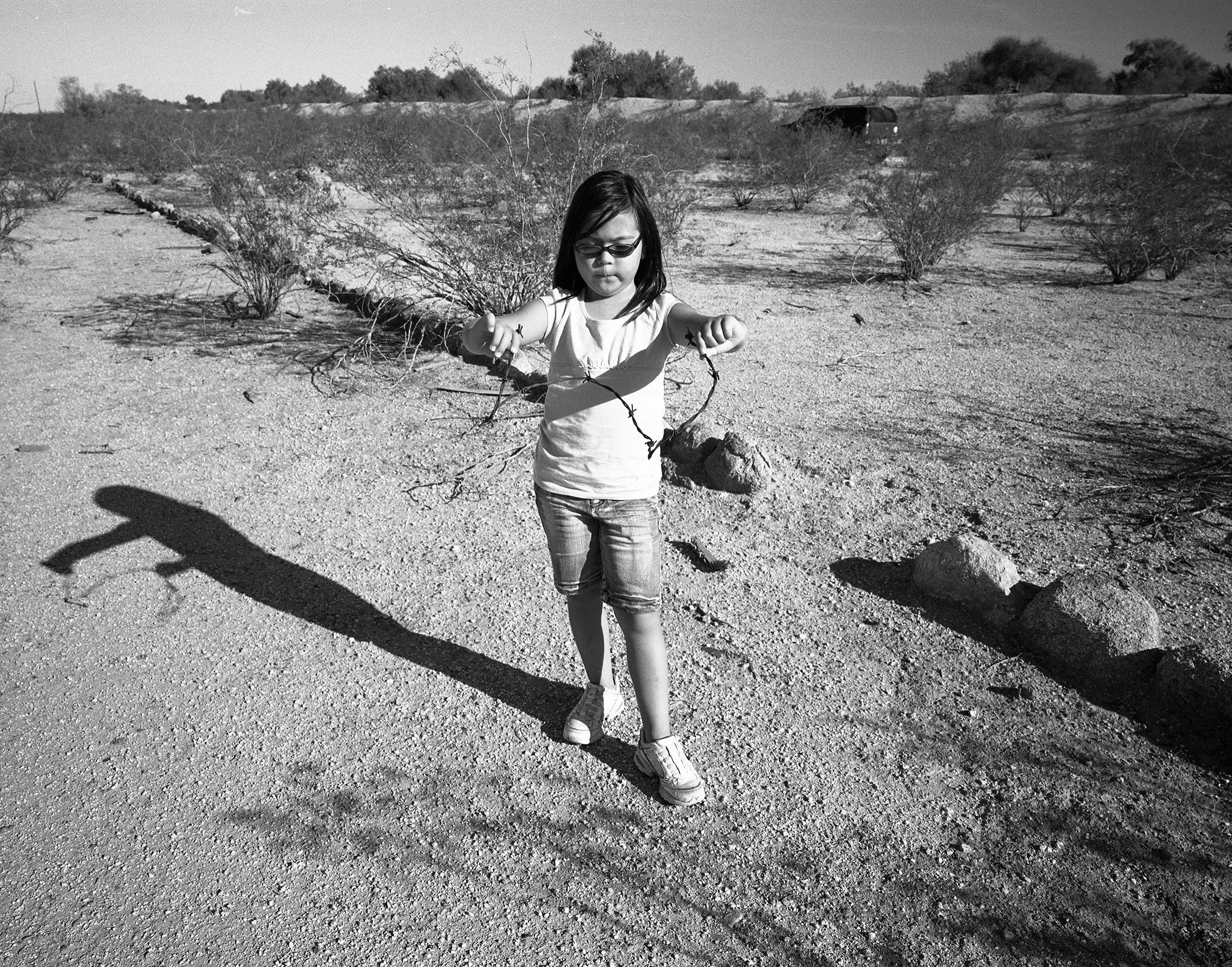
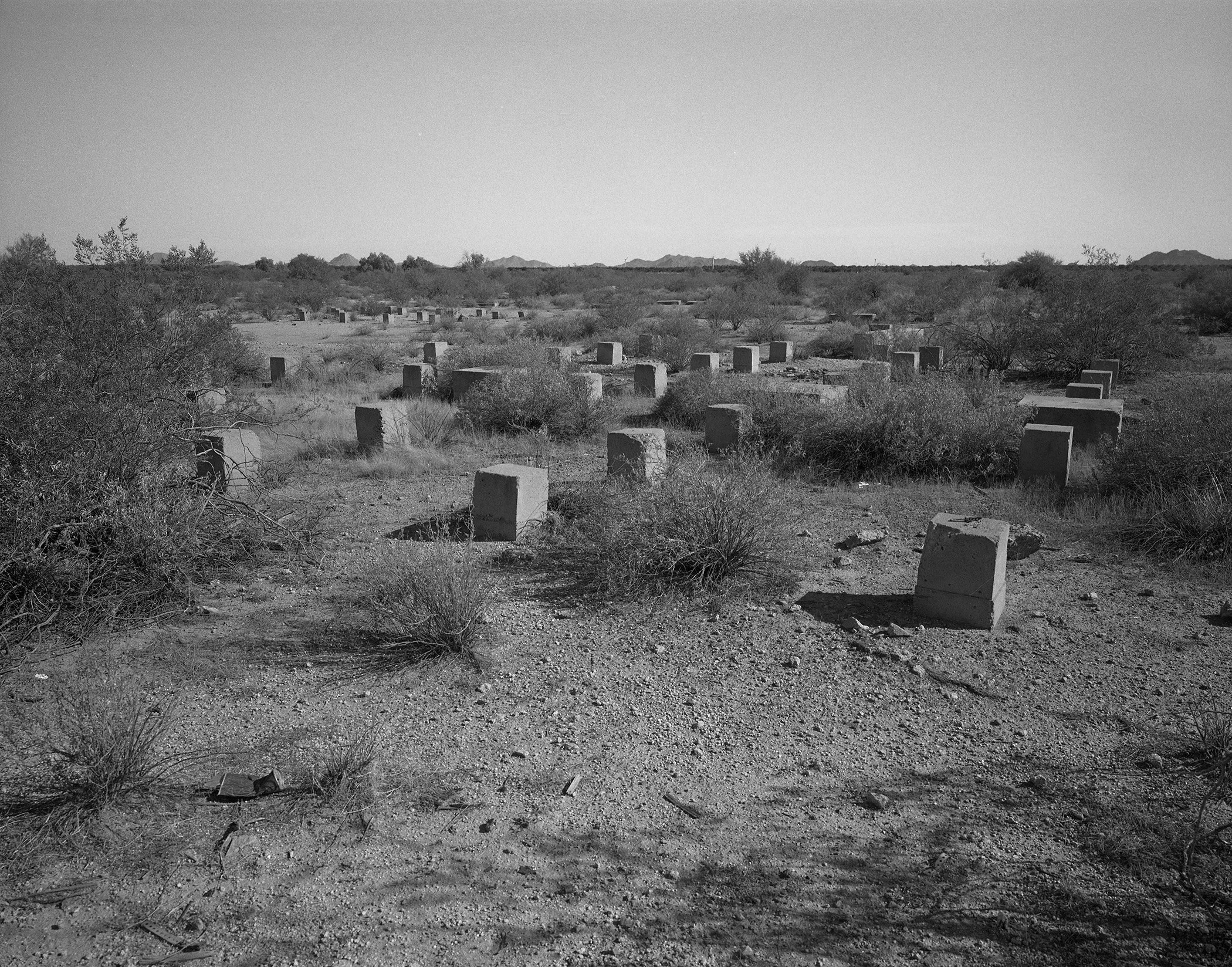
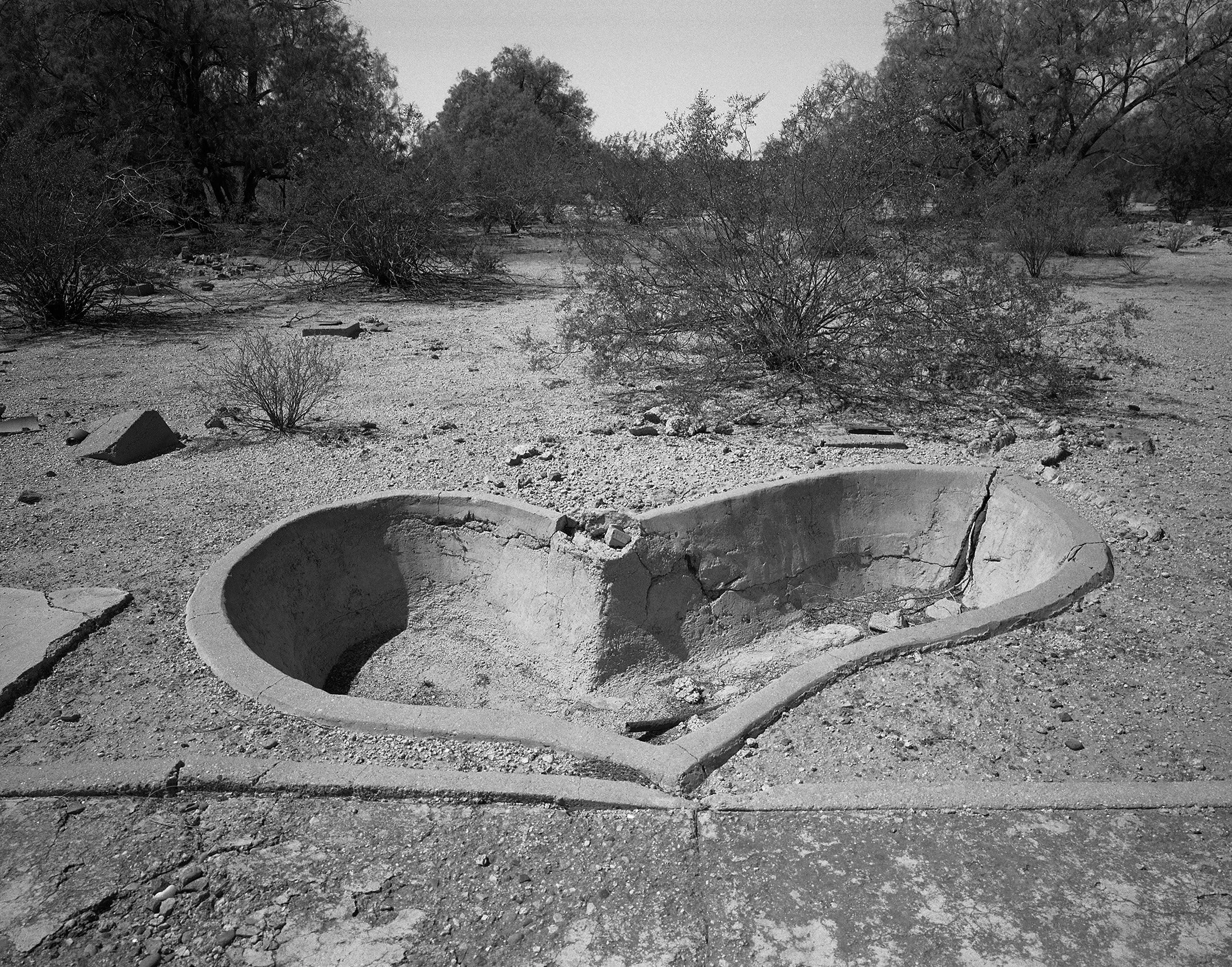
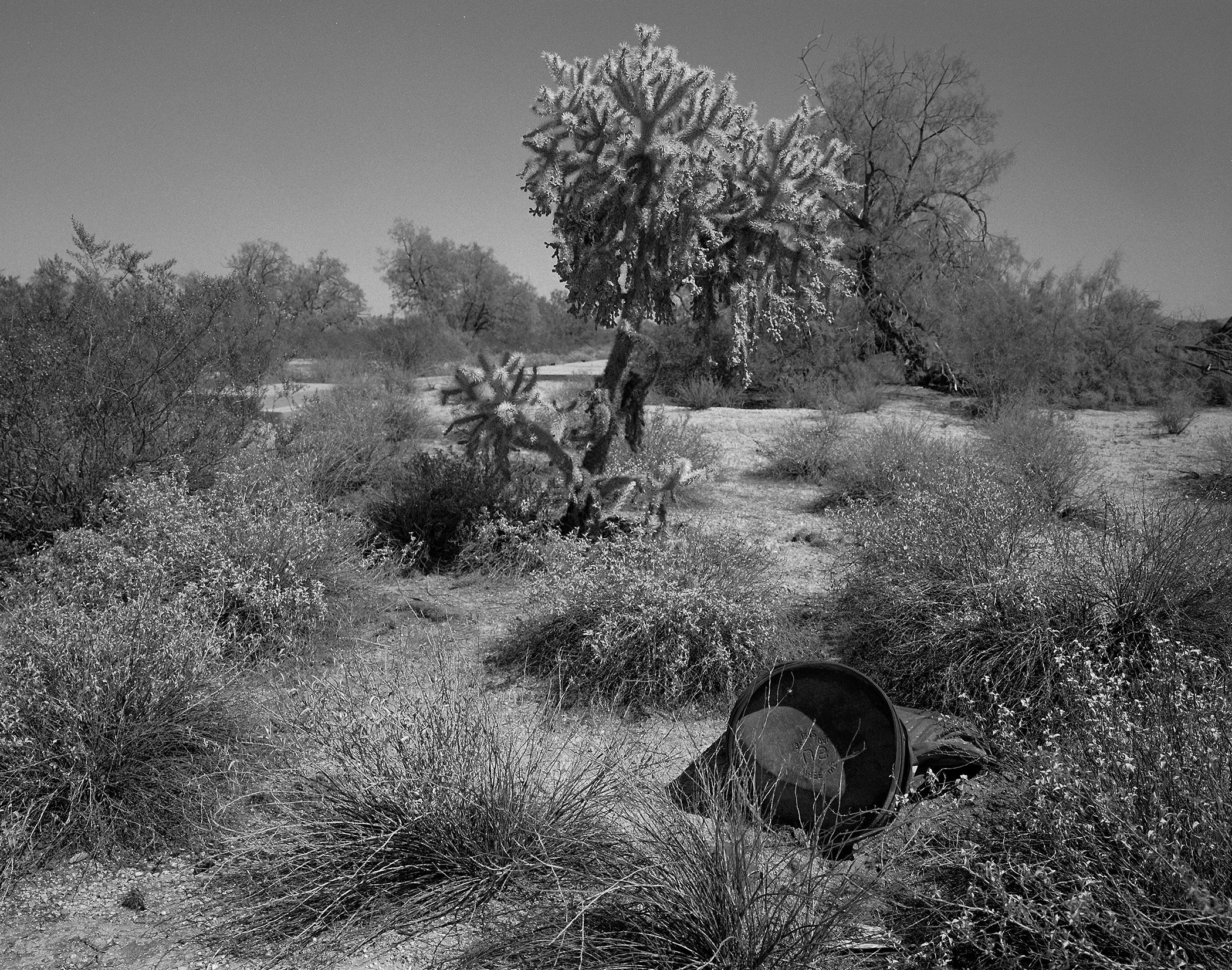
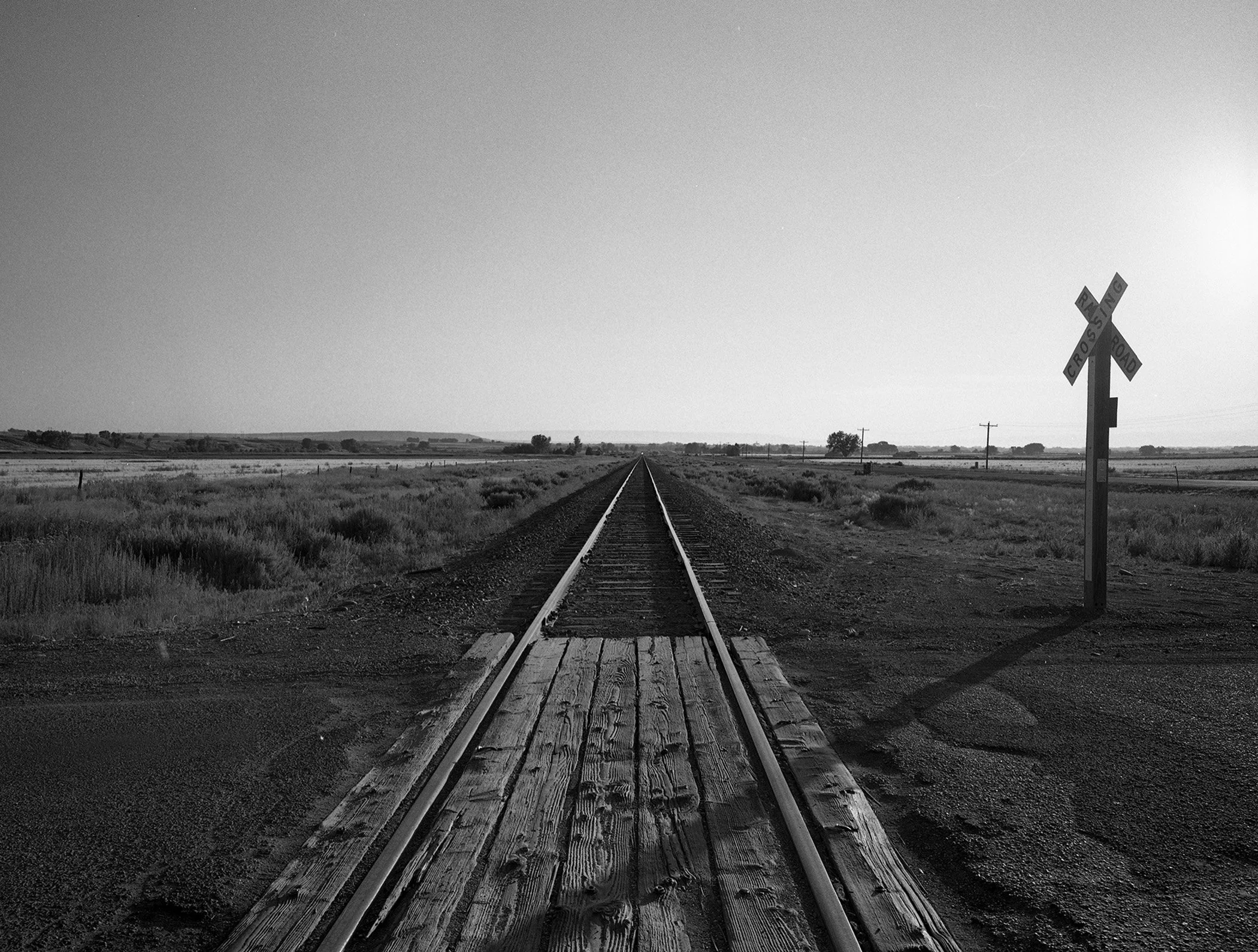
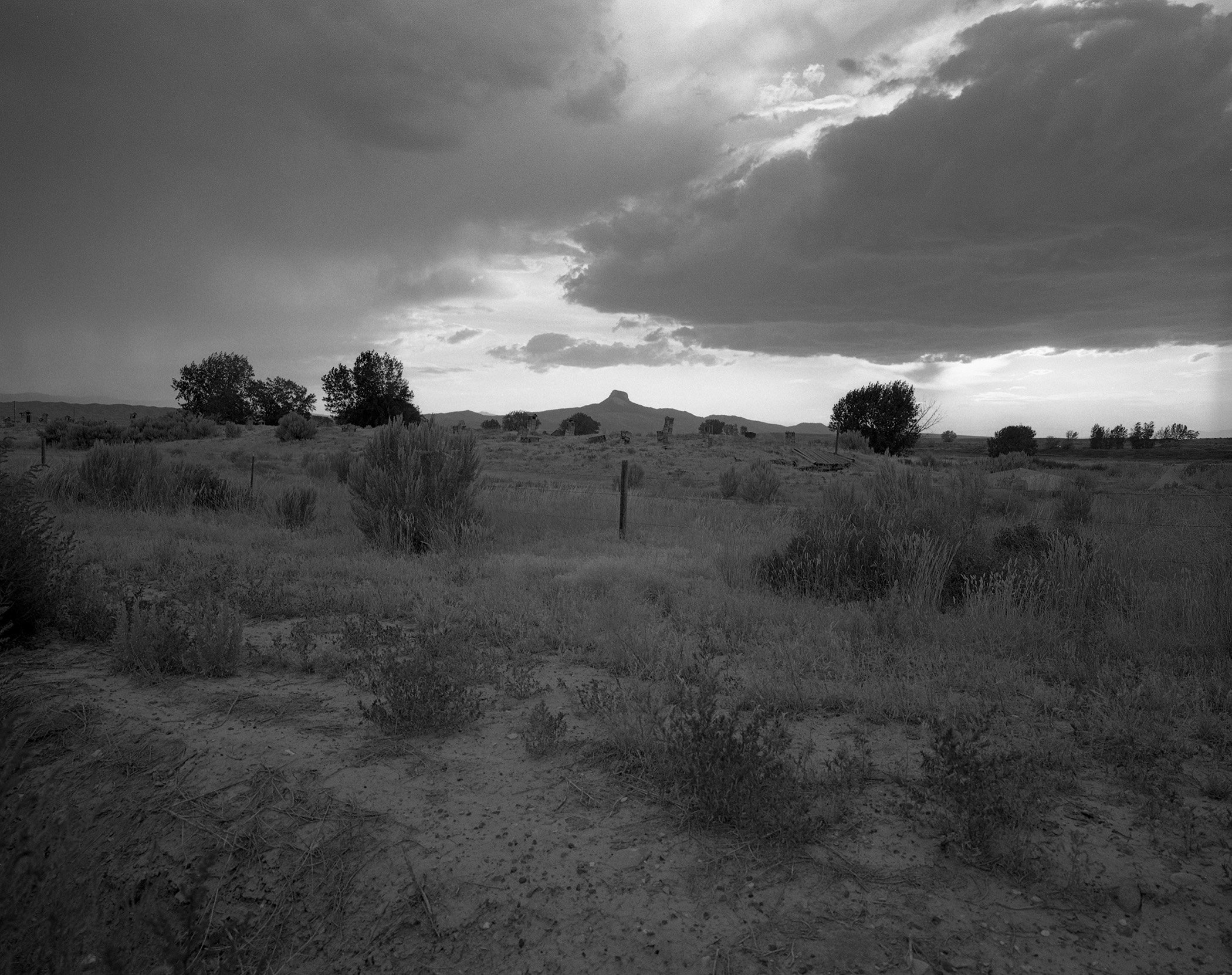
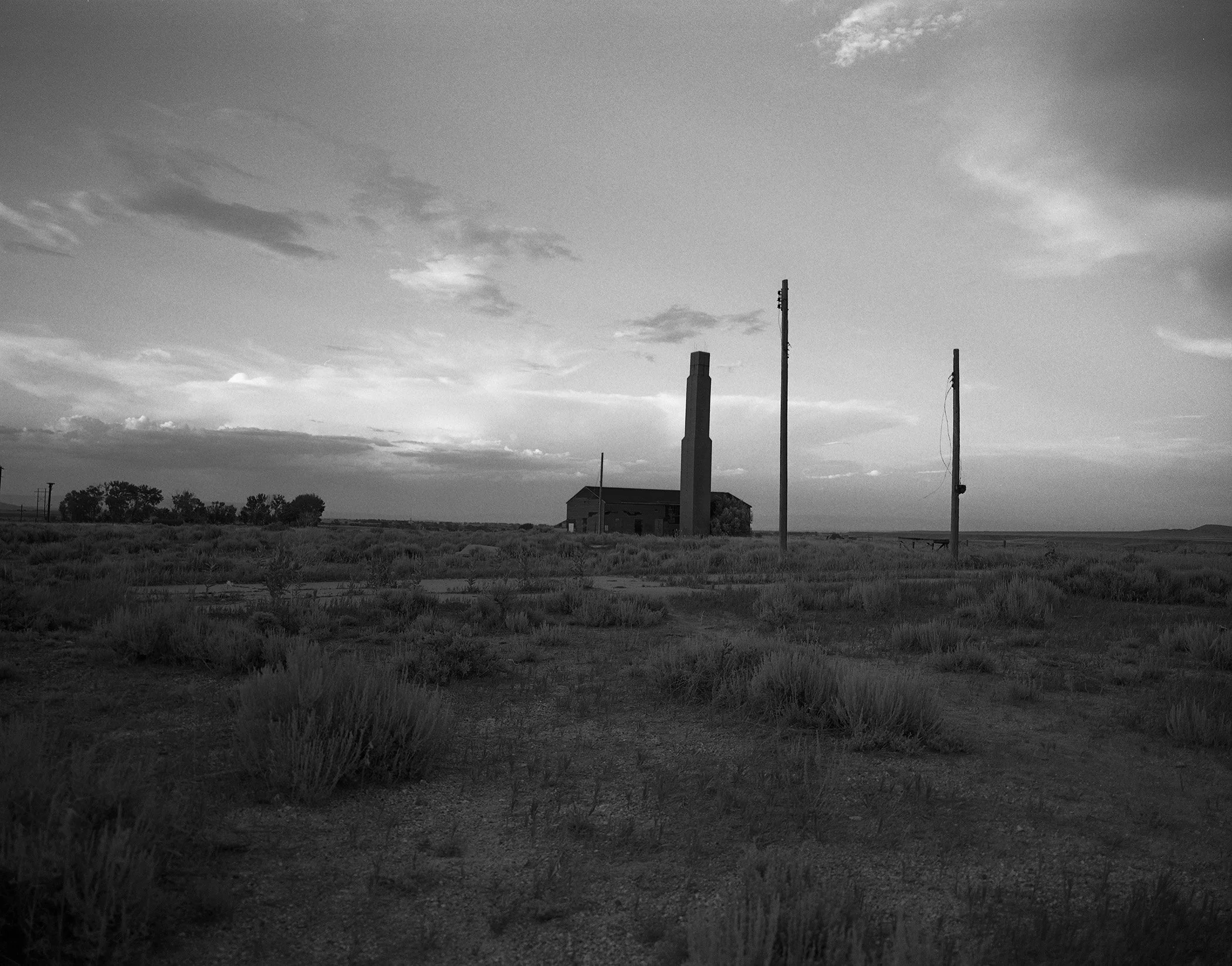
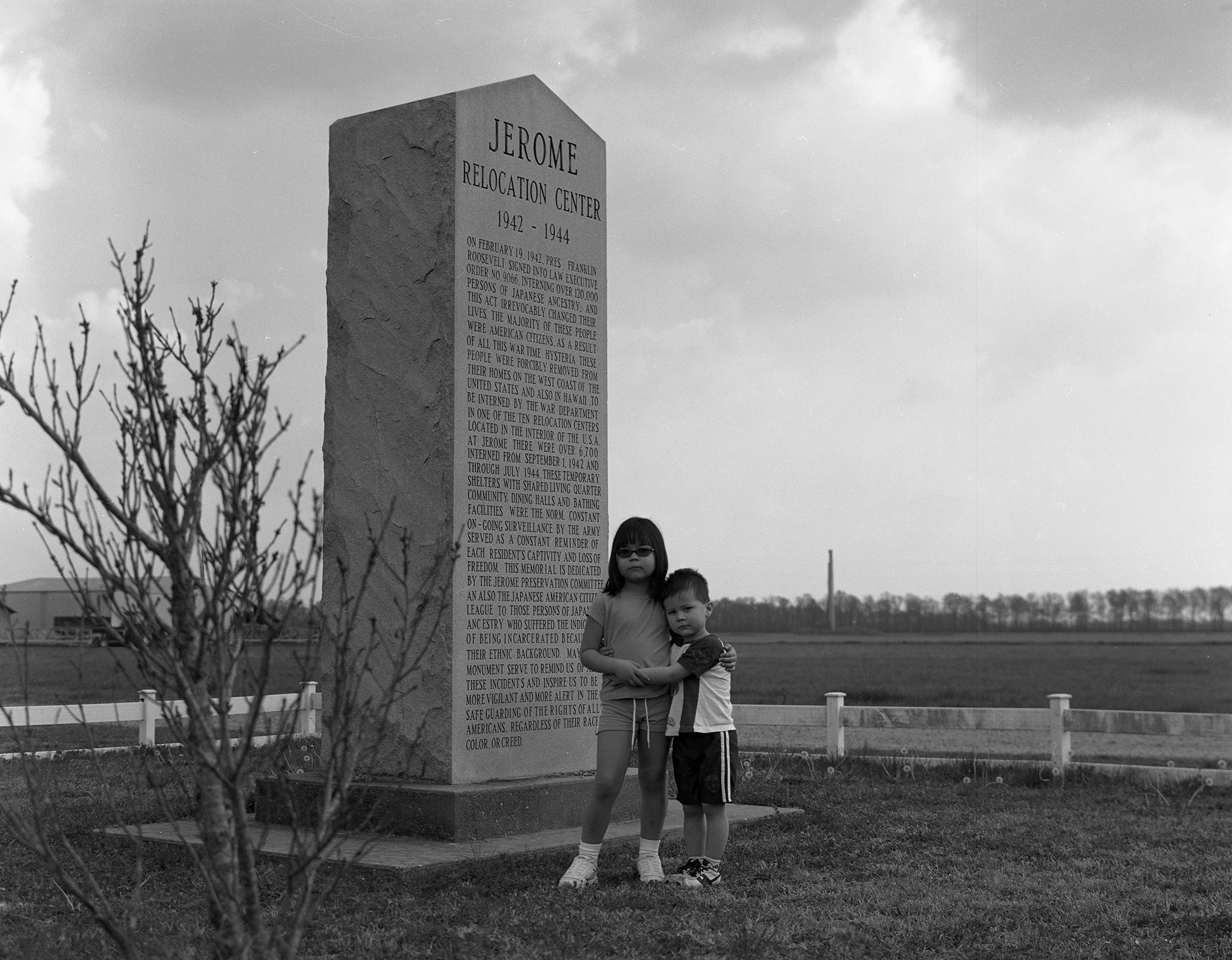
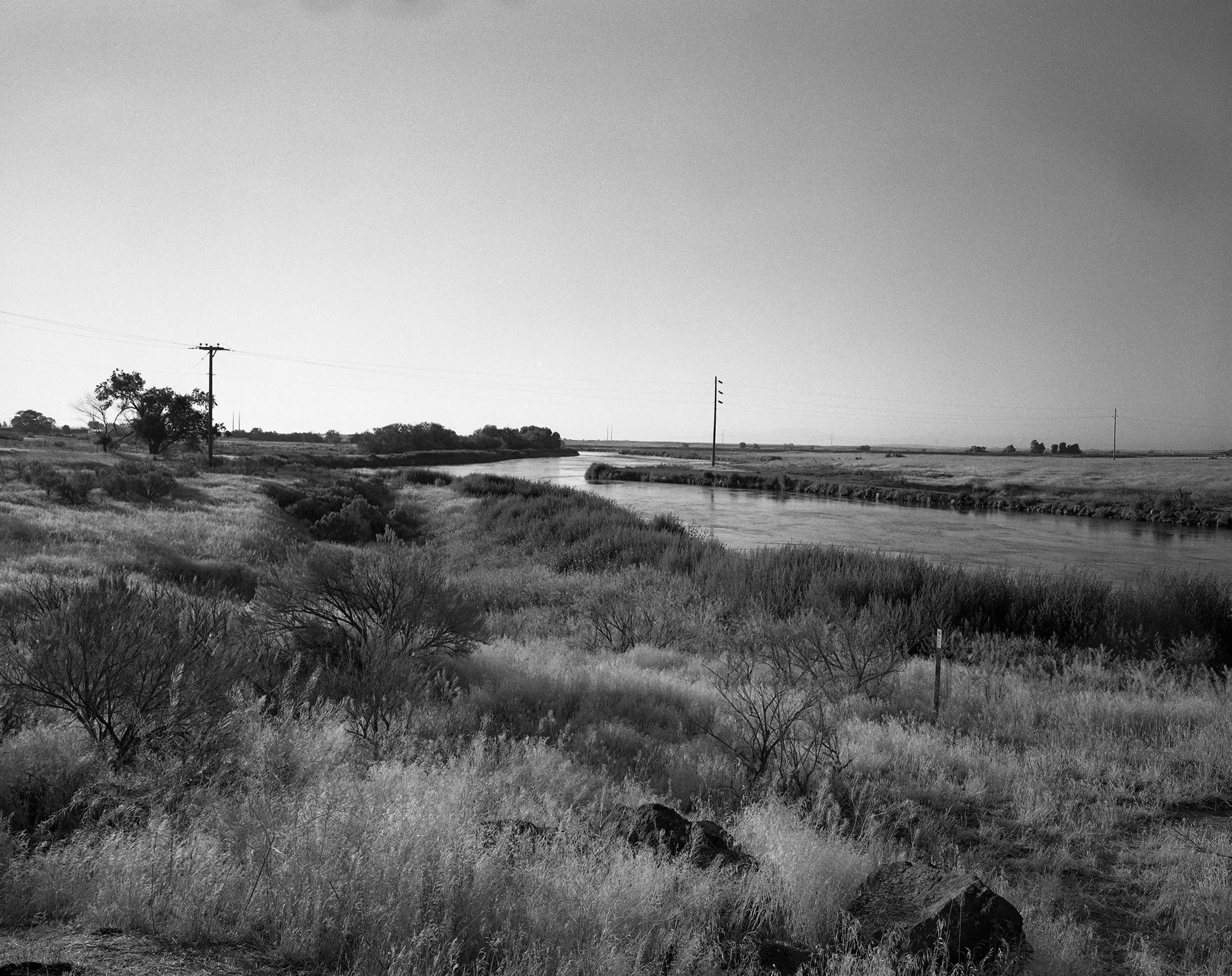
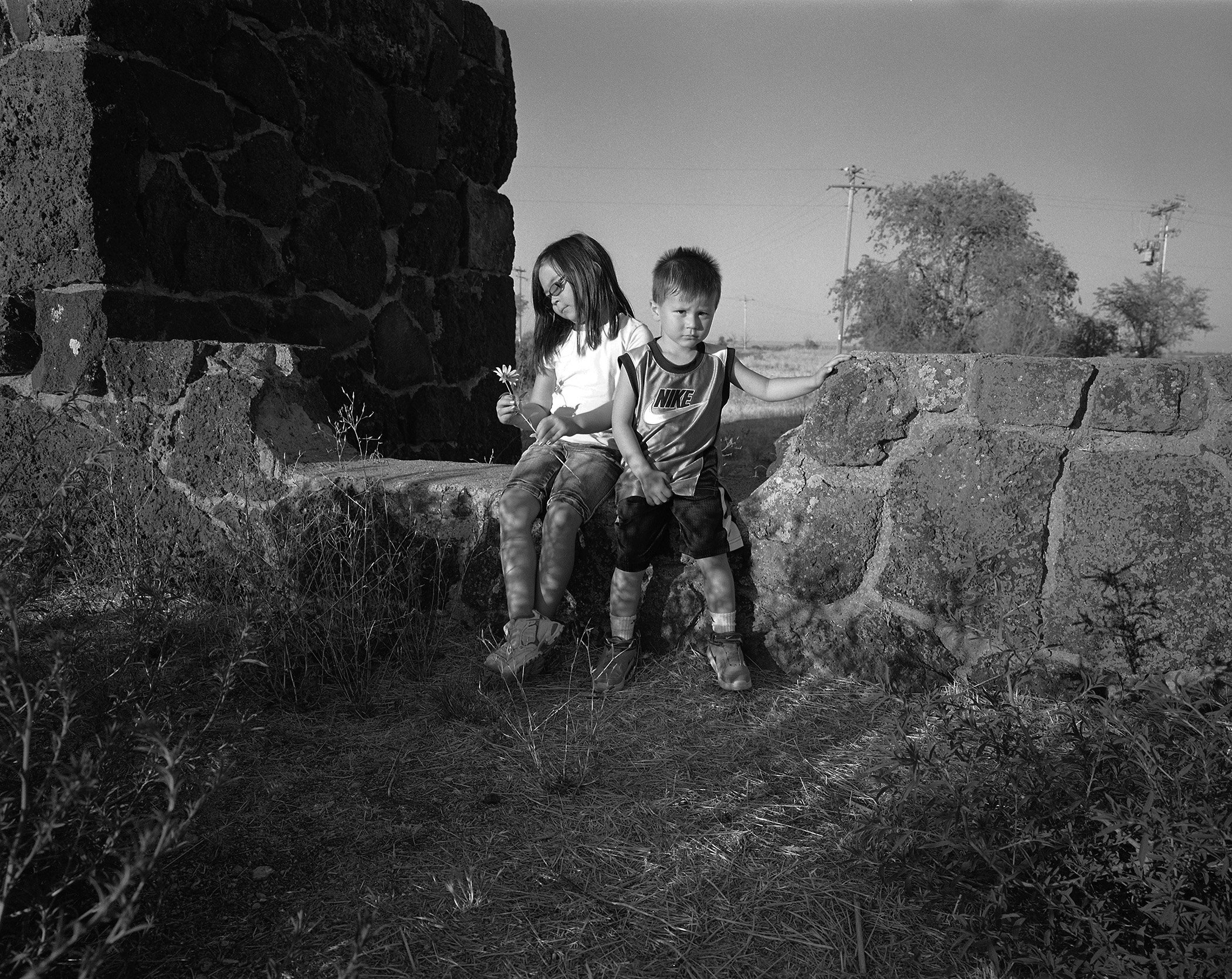
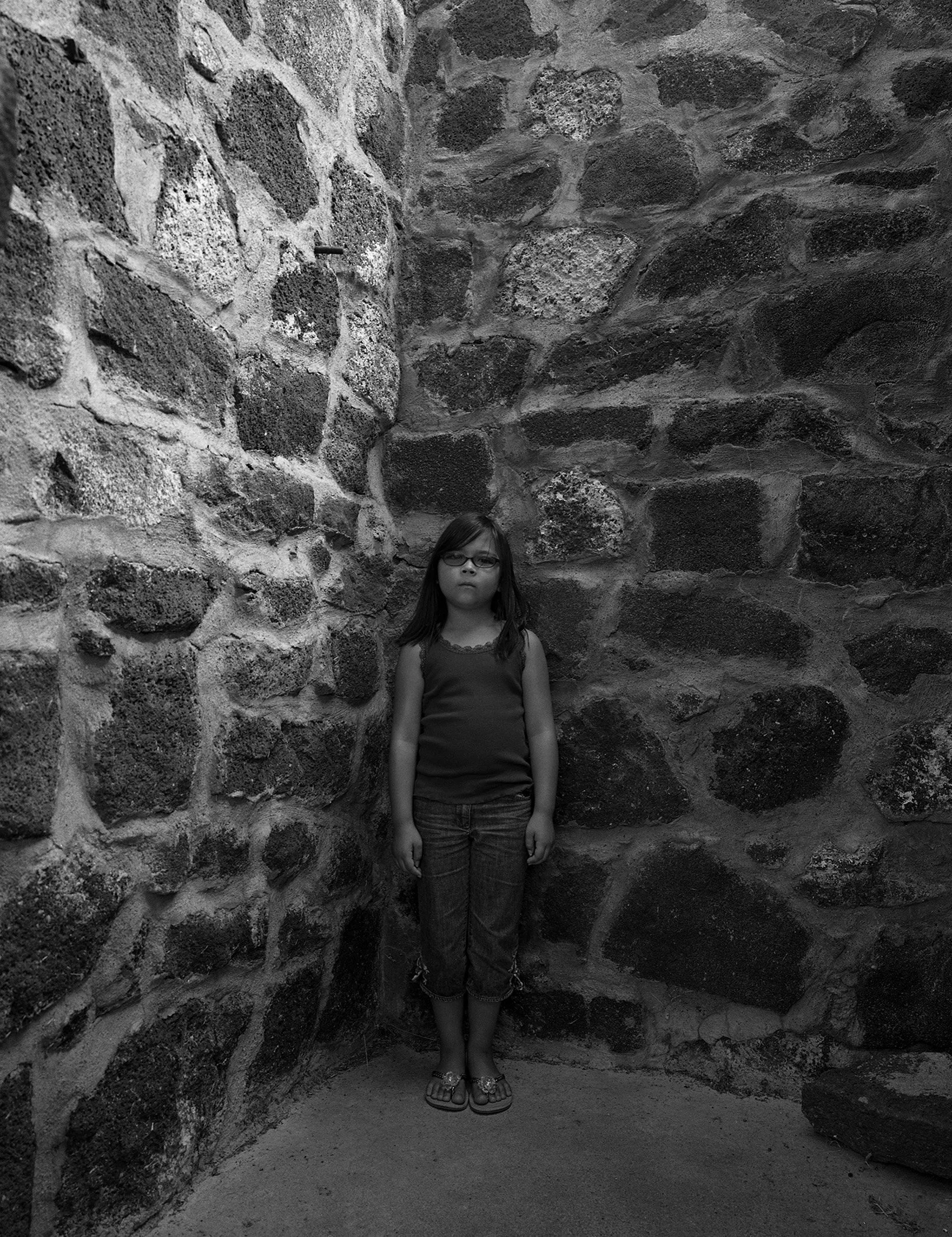
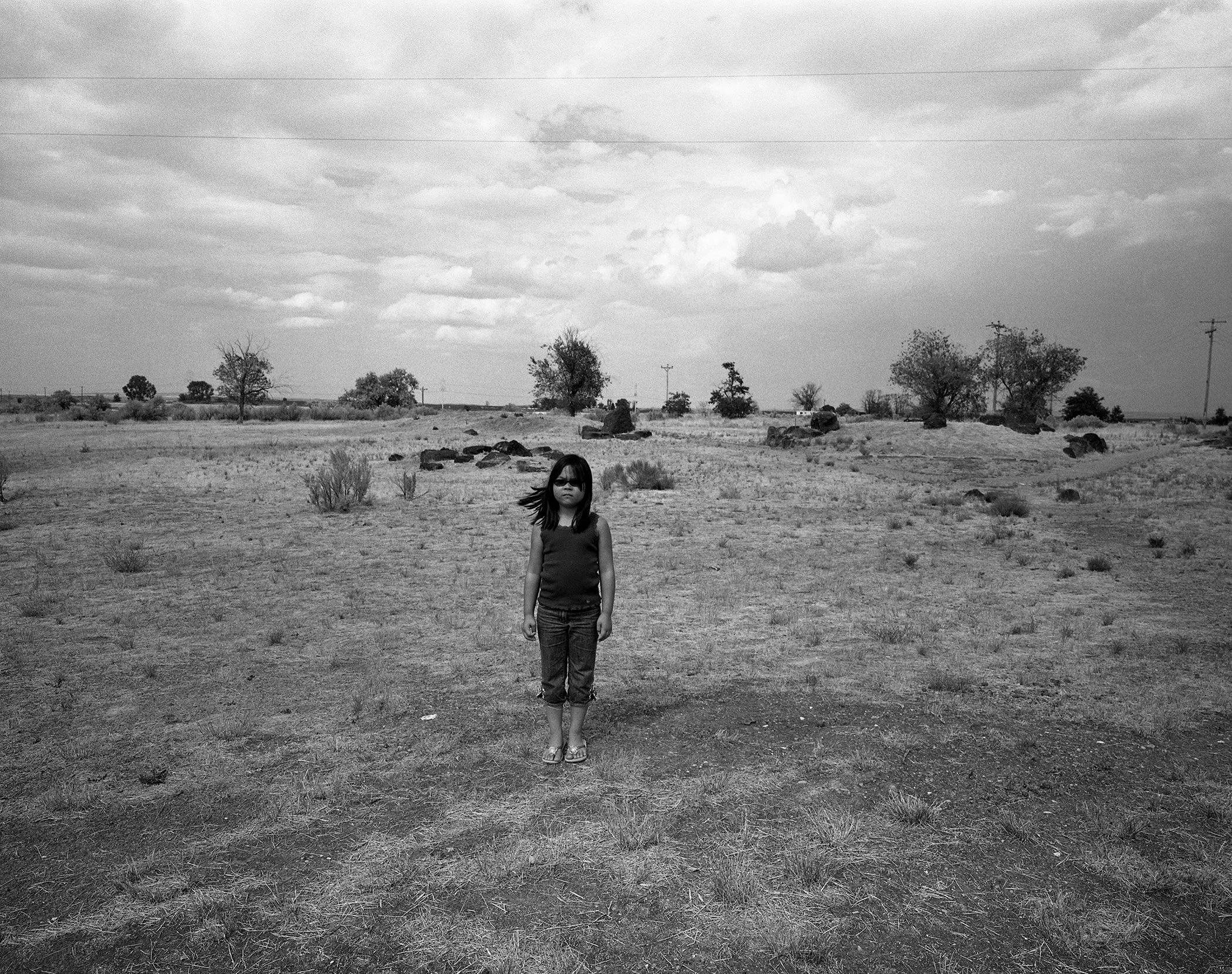
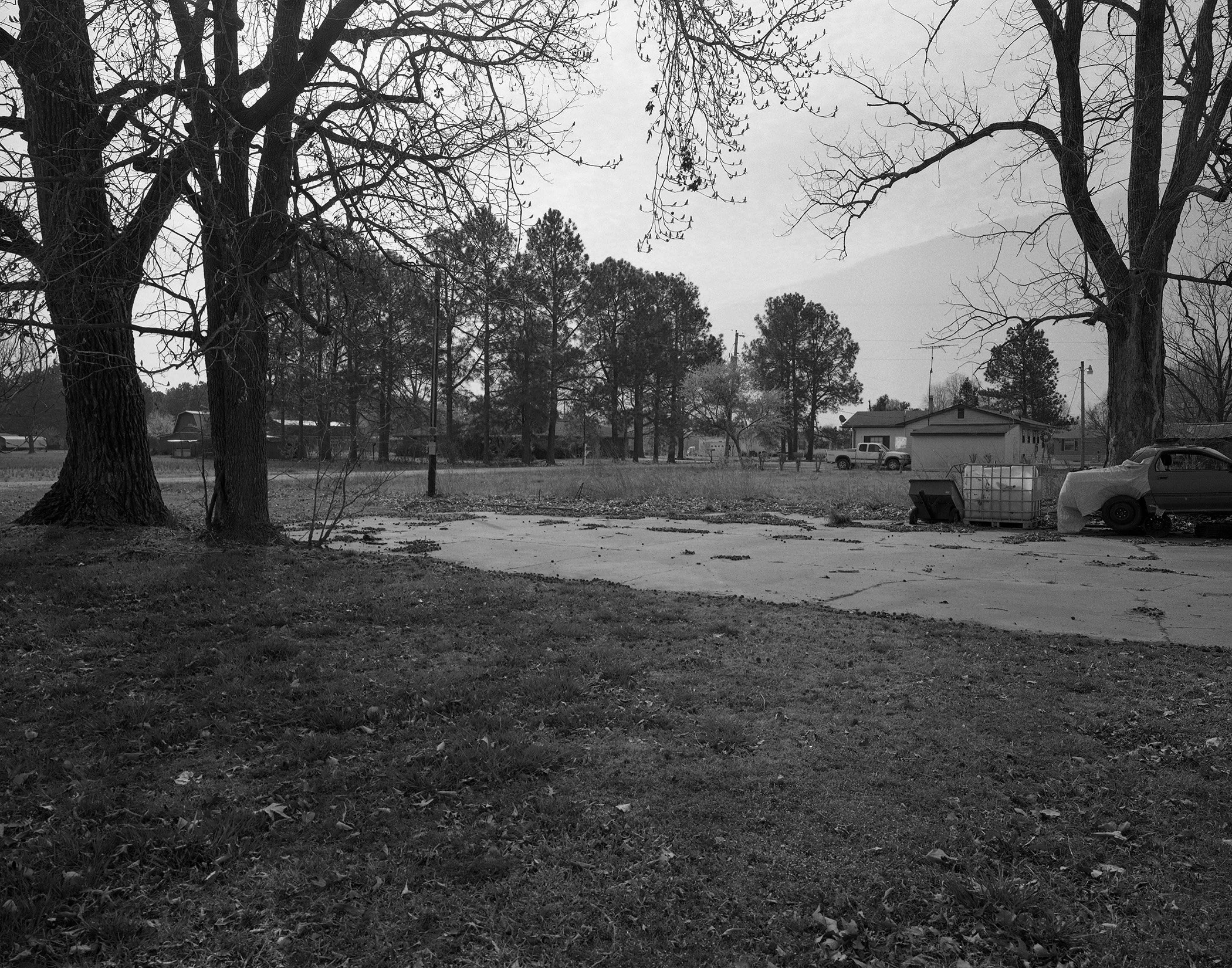
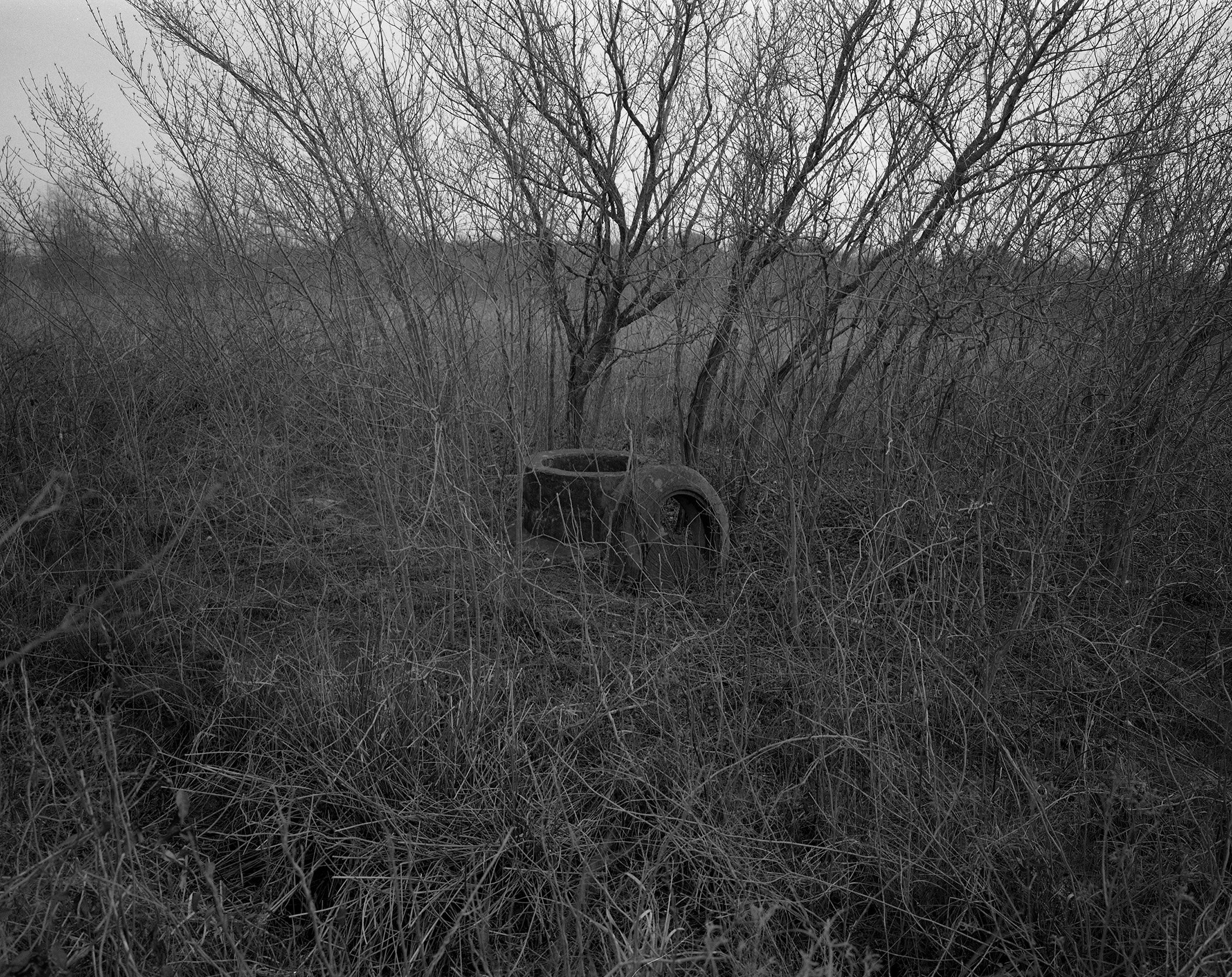
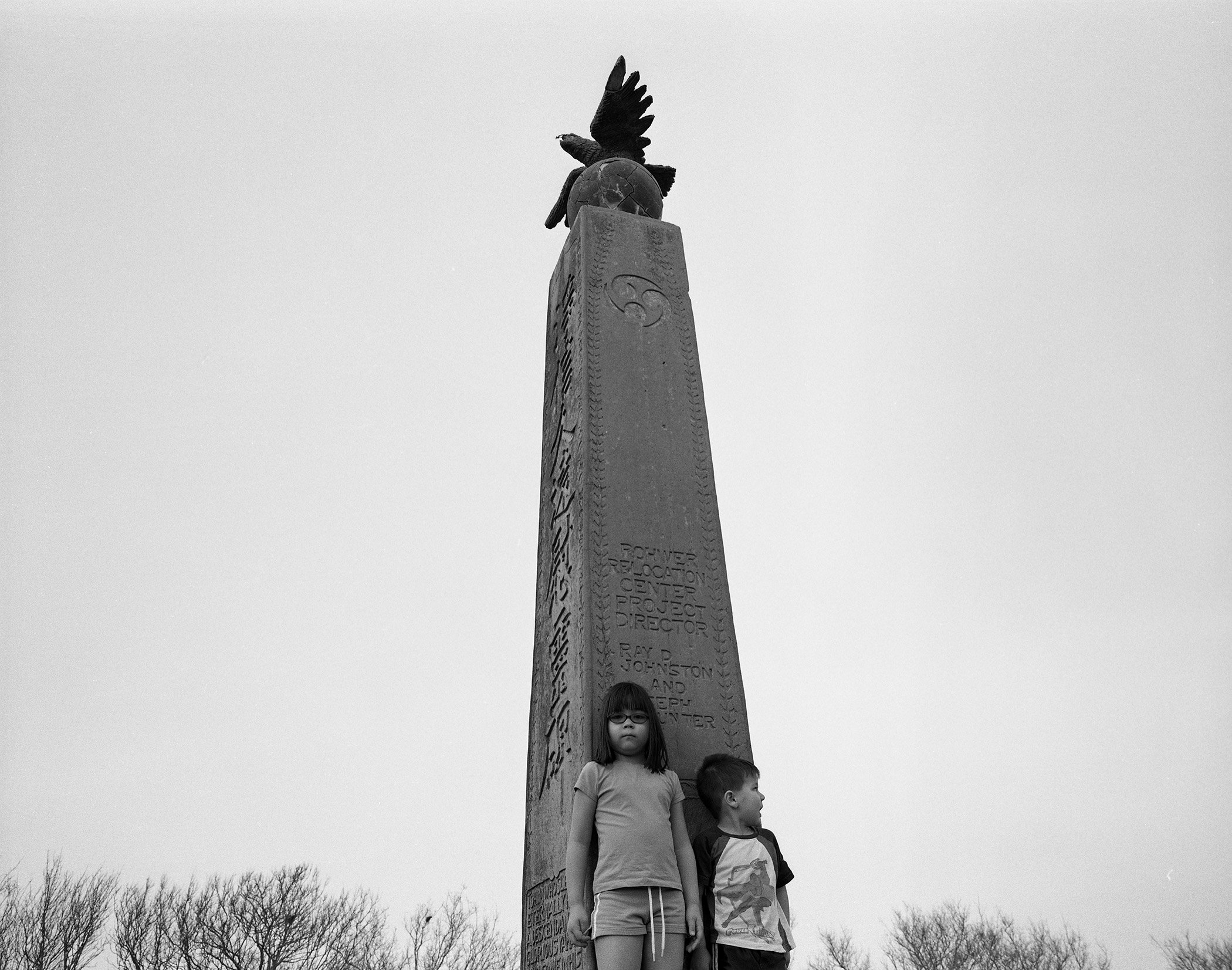
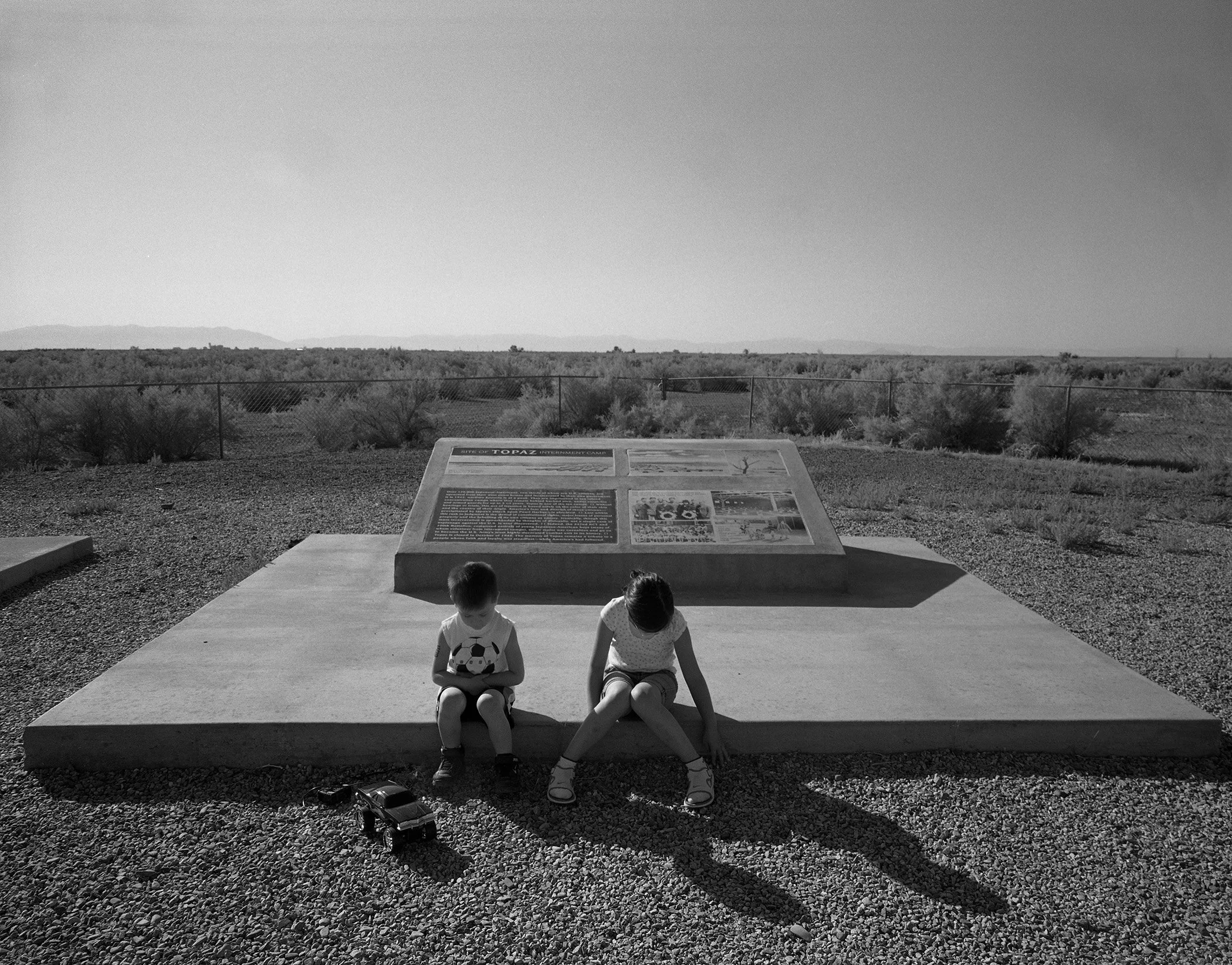
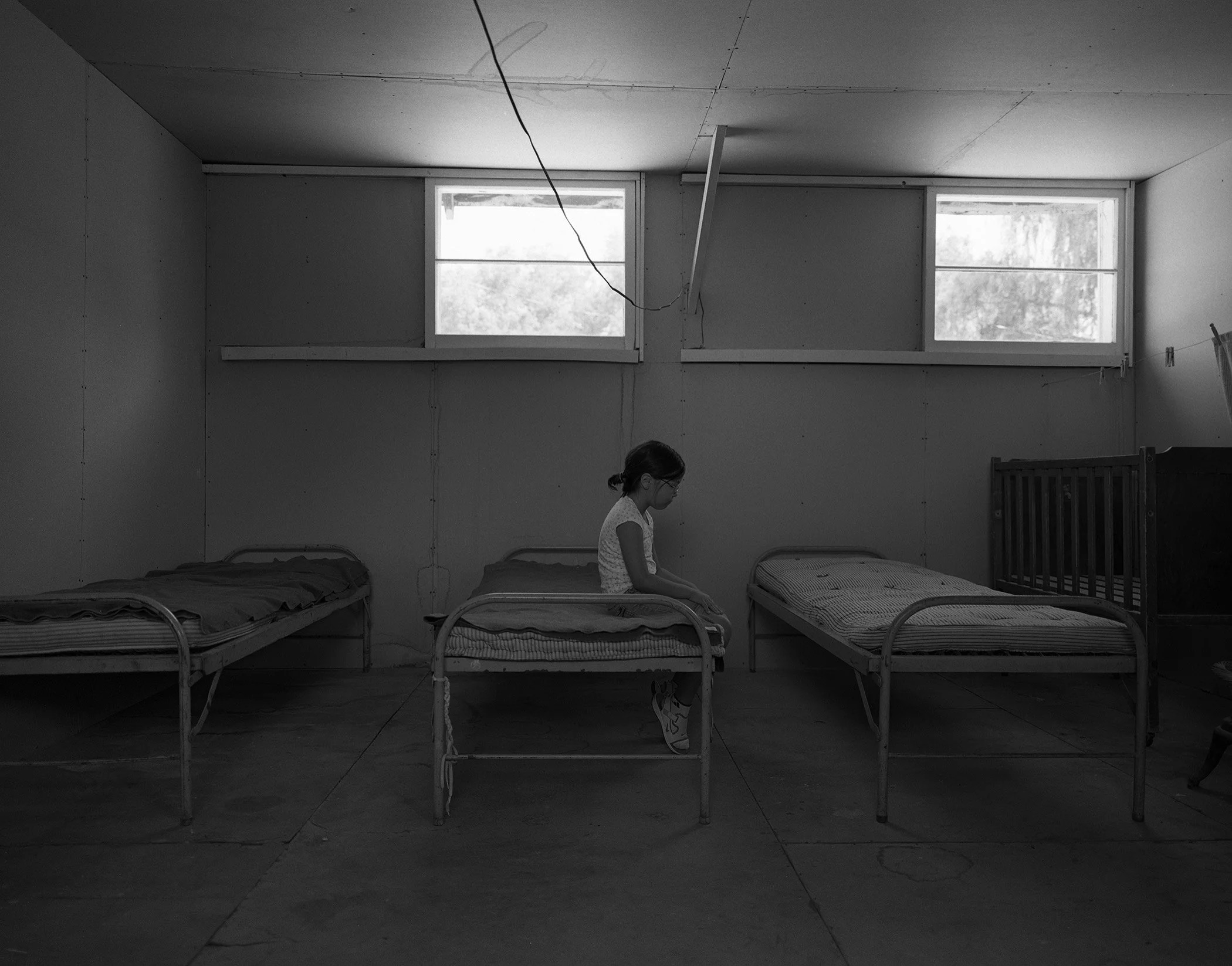
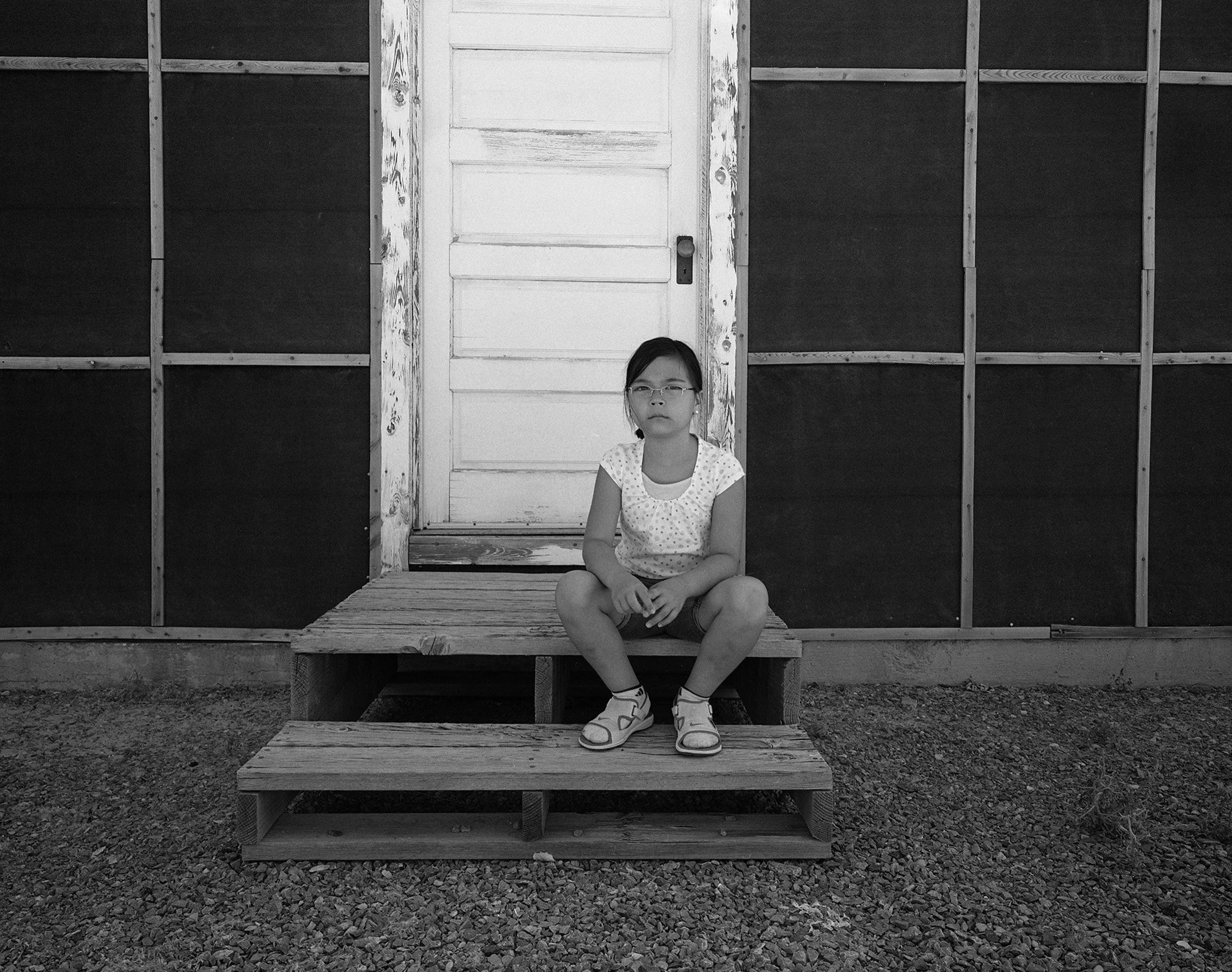
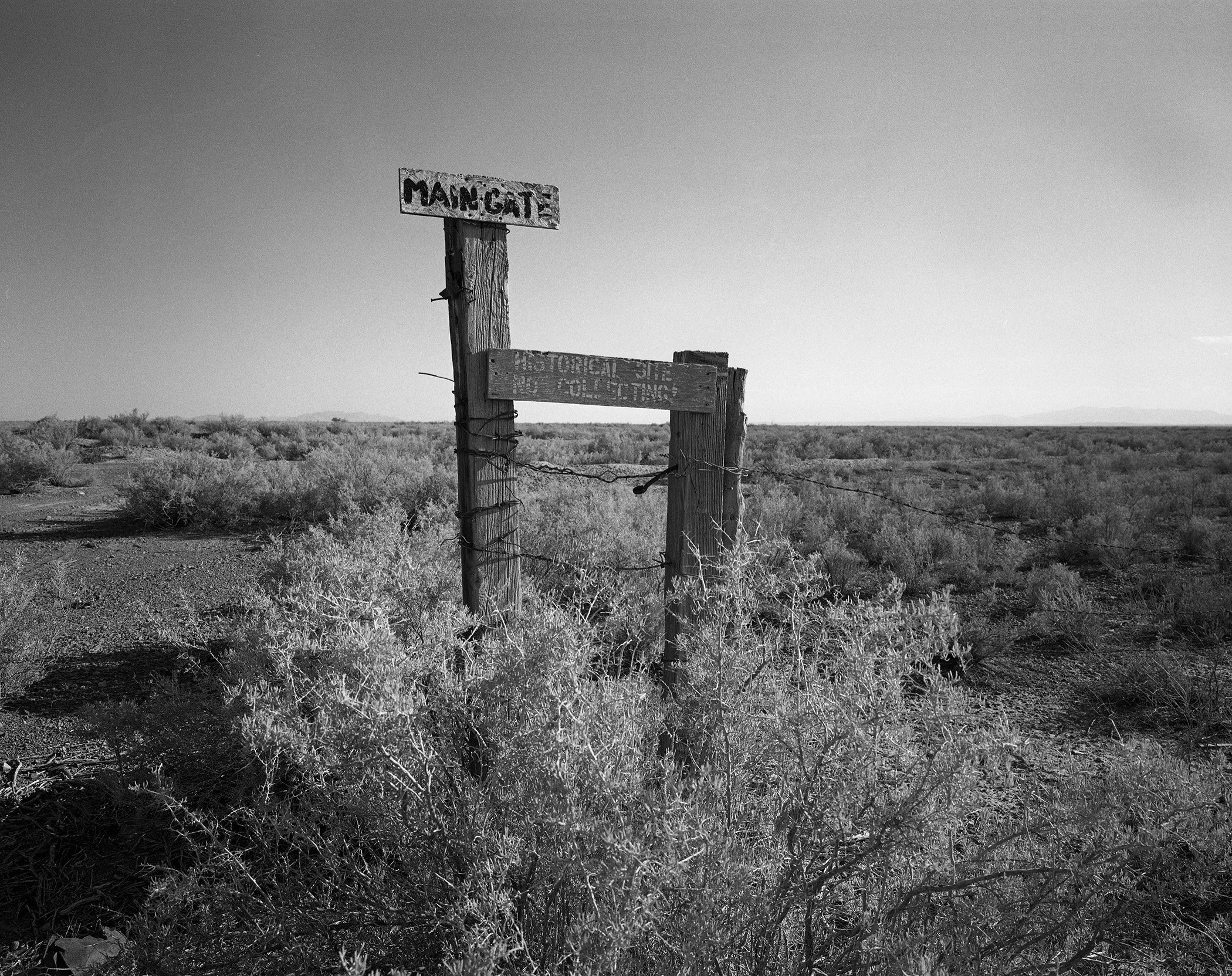
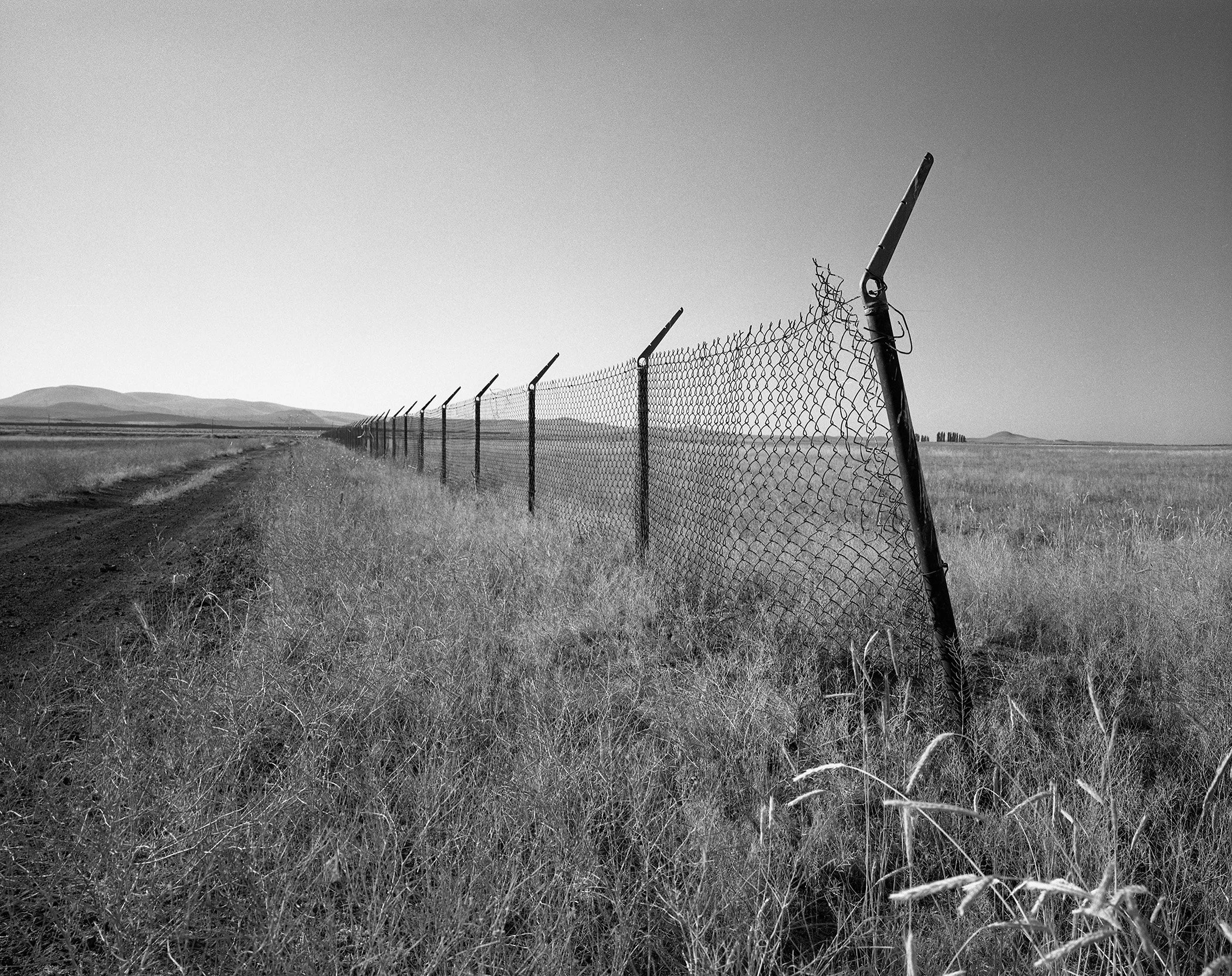
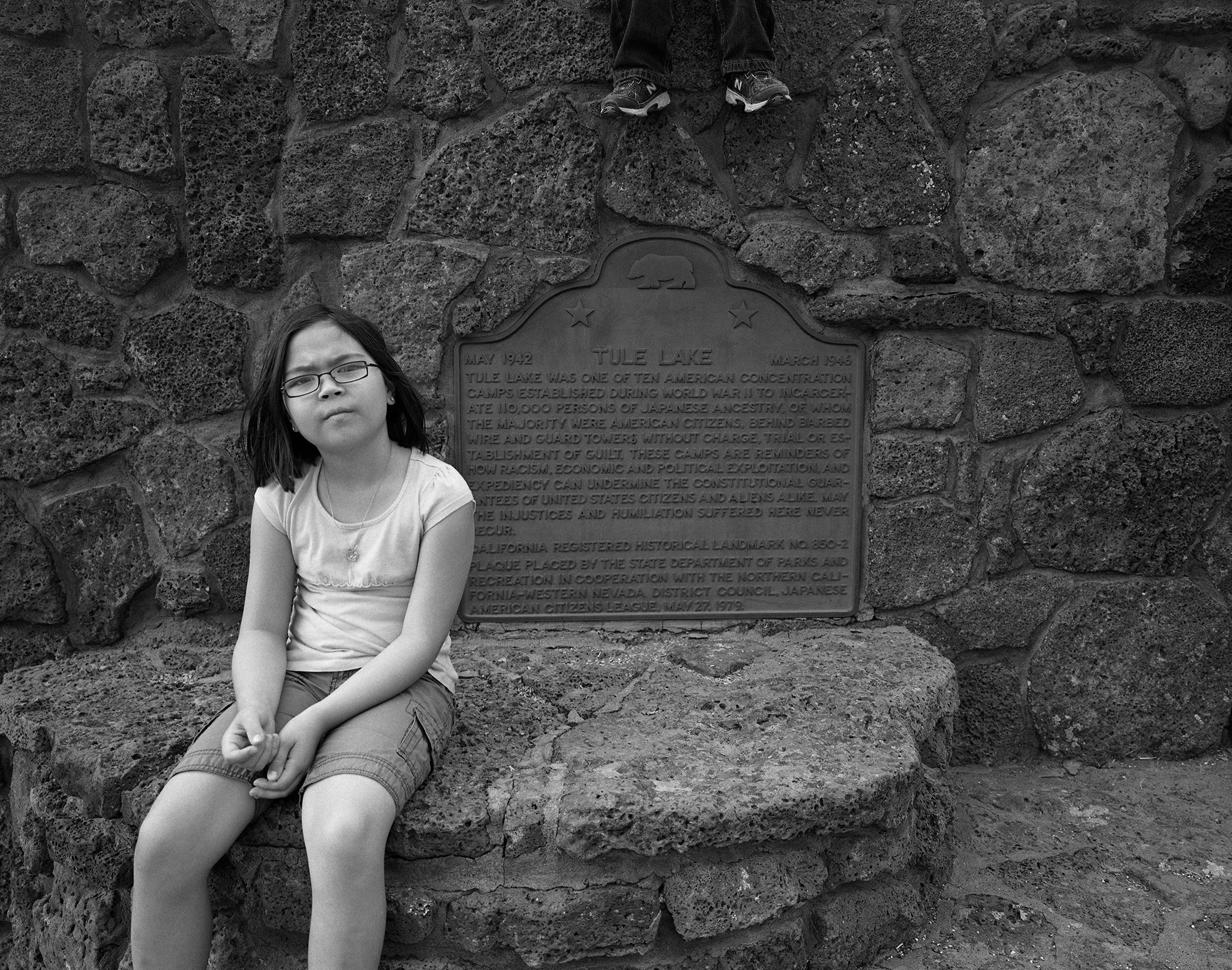
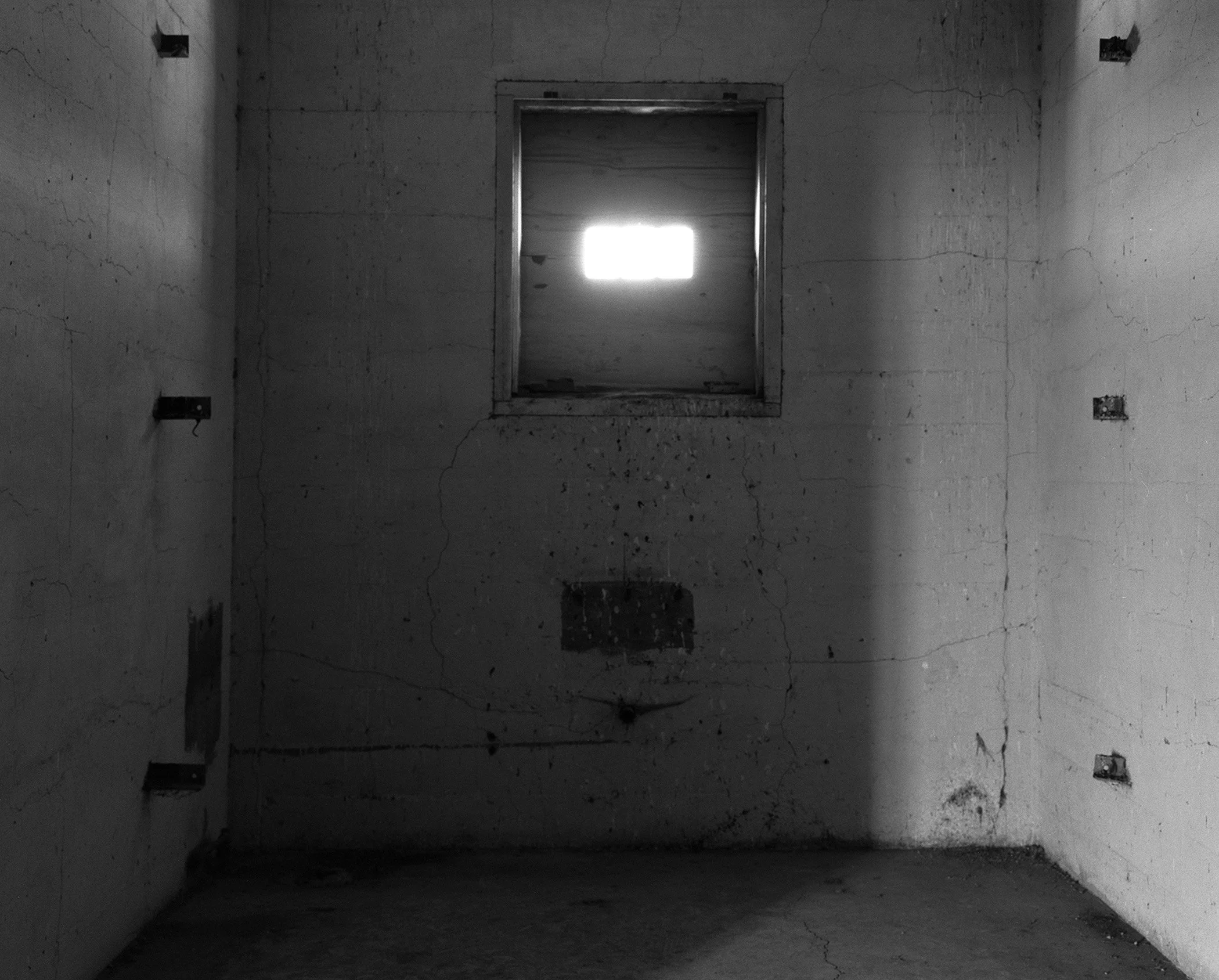
Description
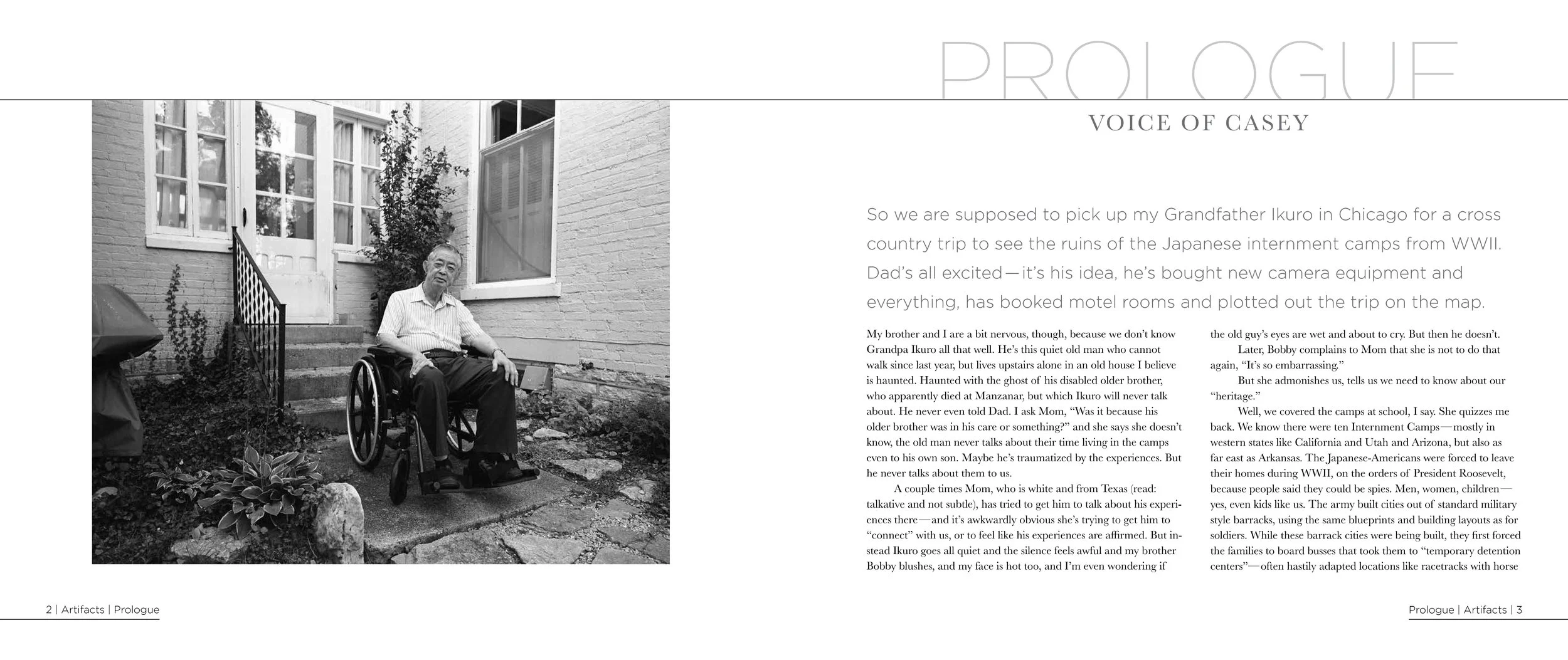
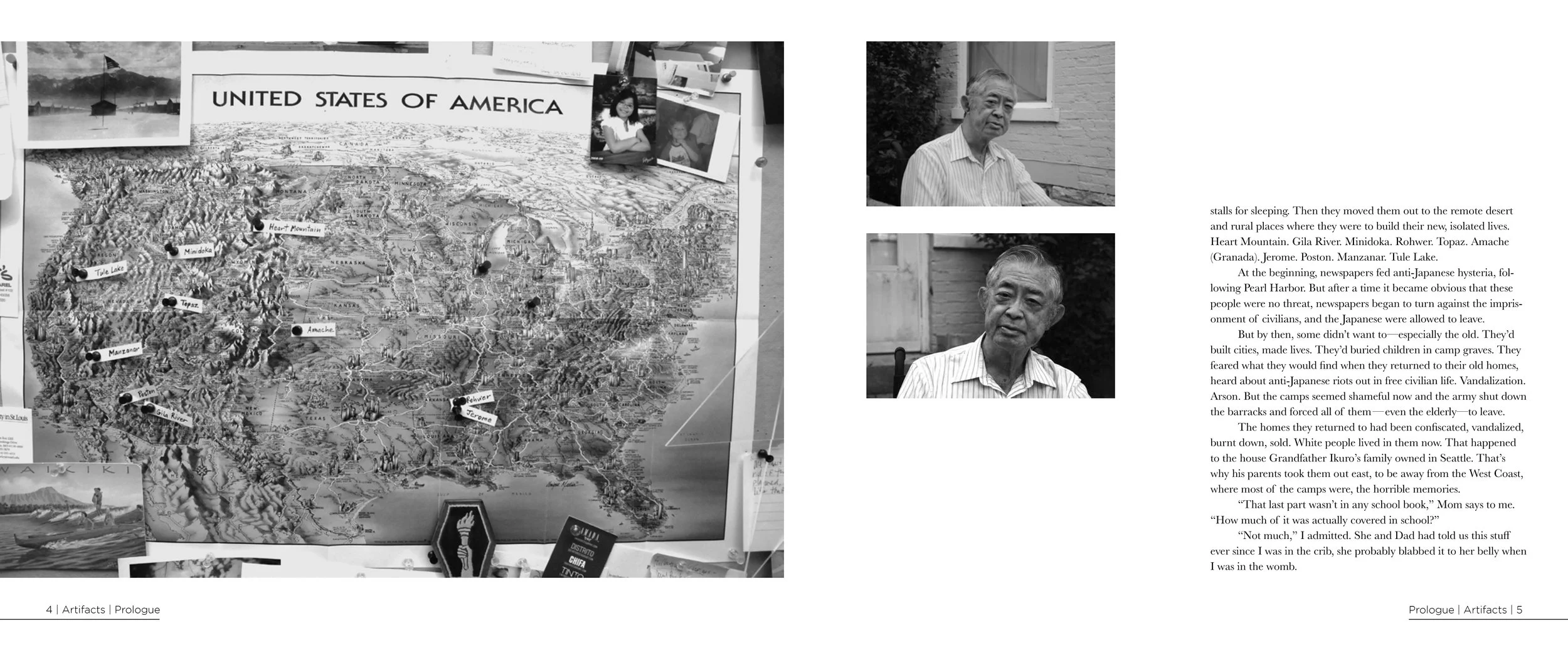
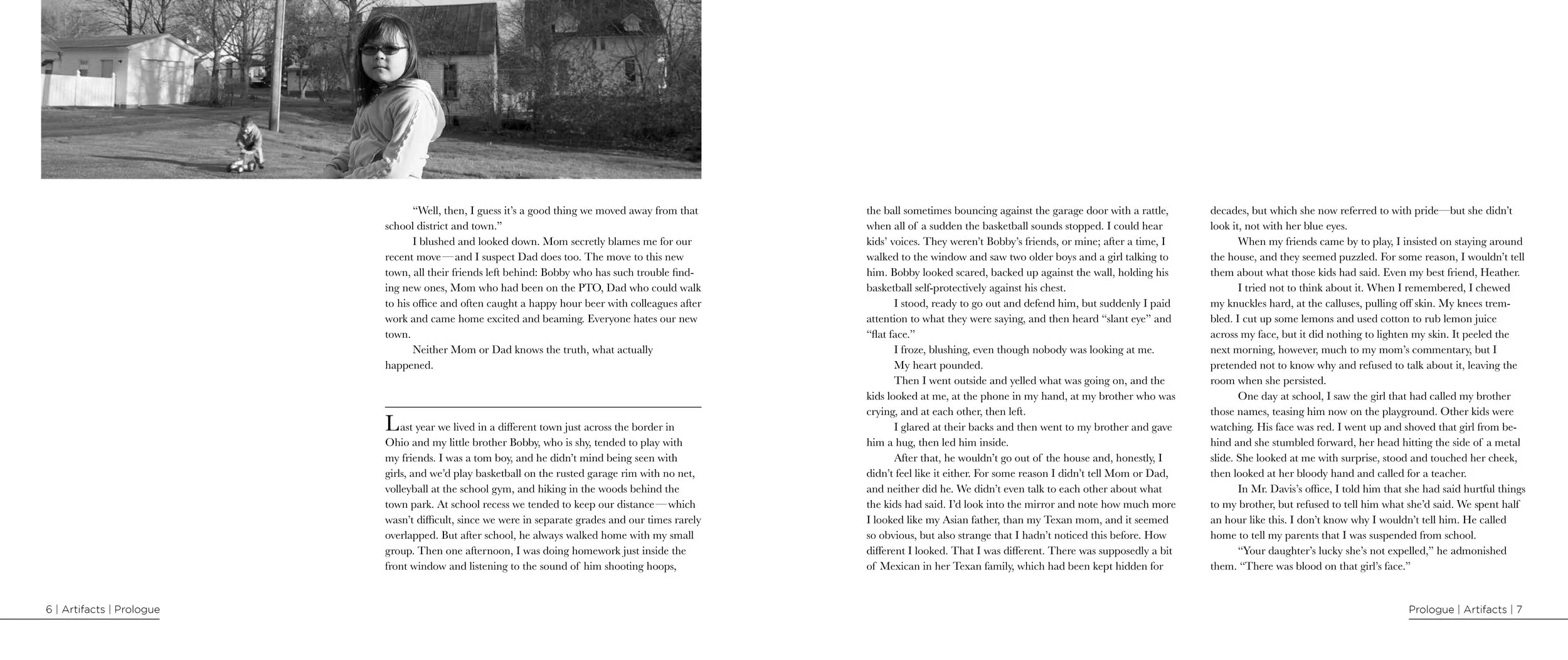
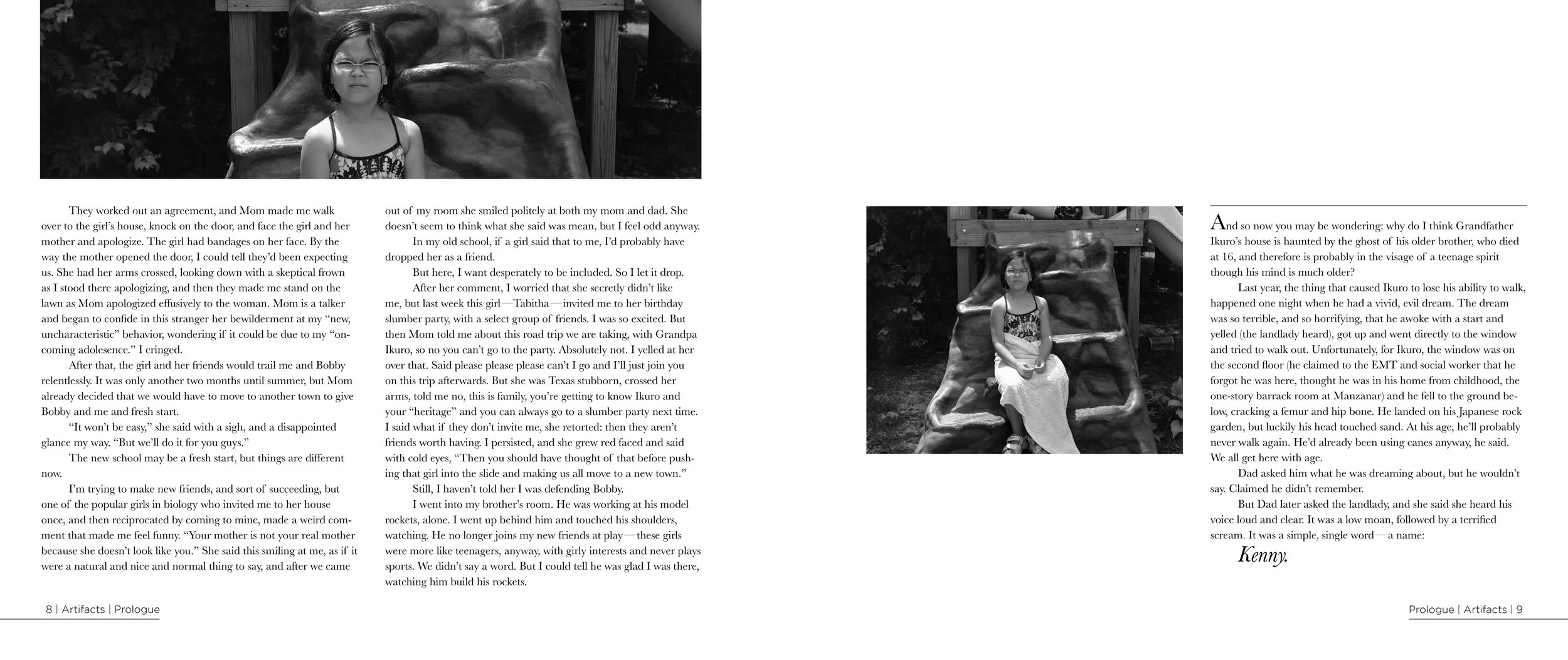
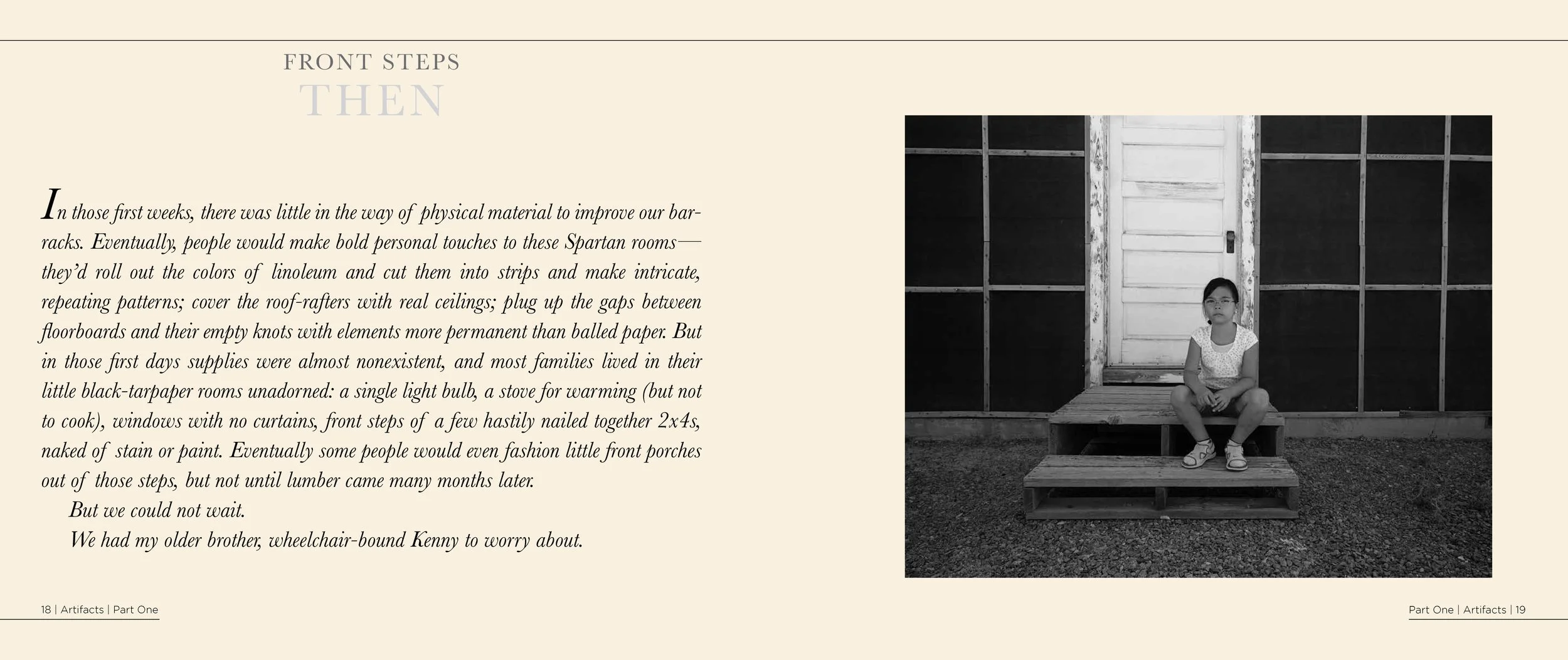
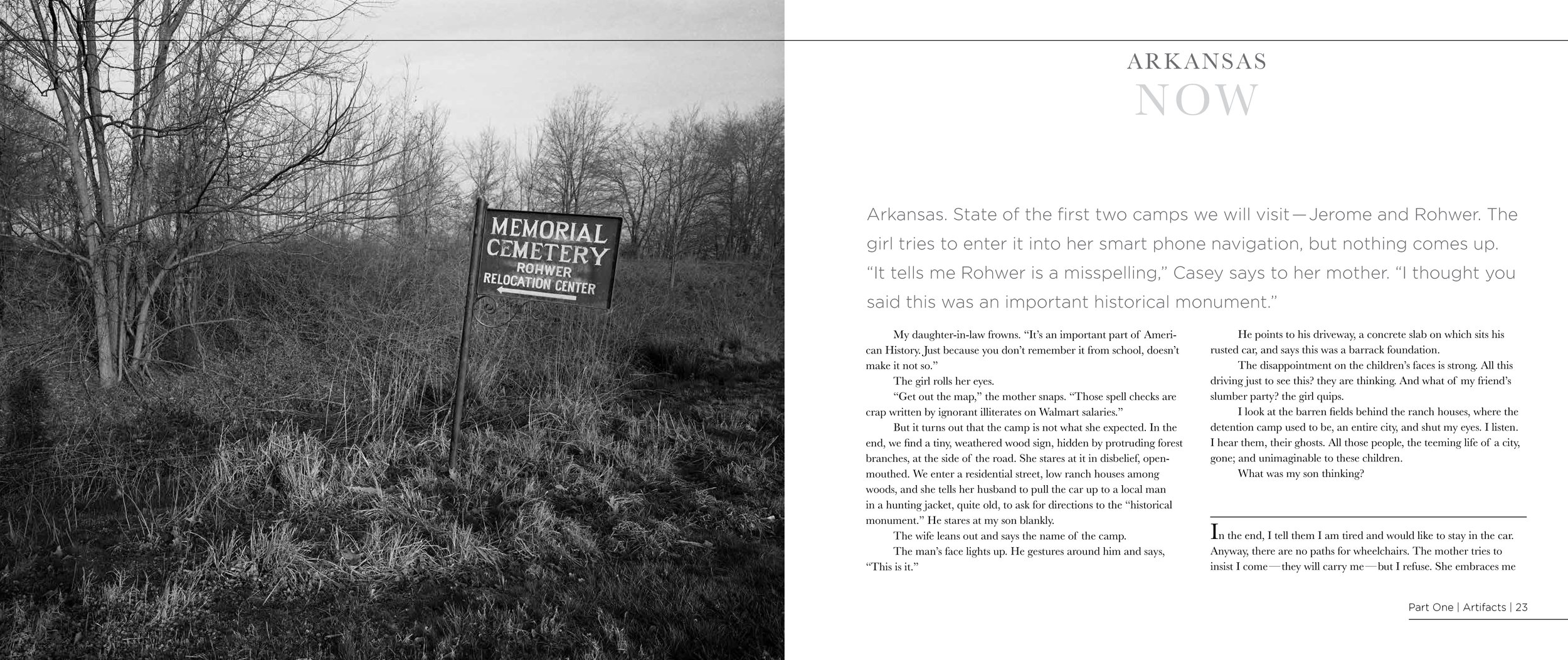
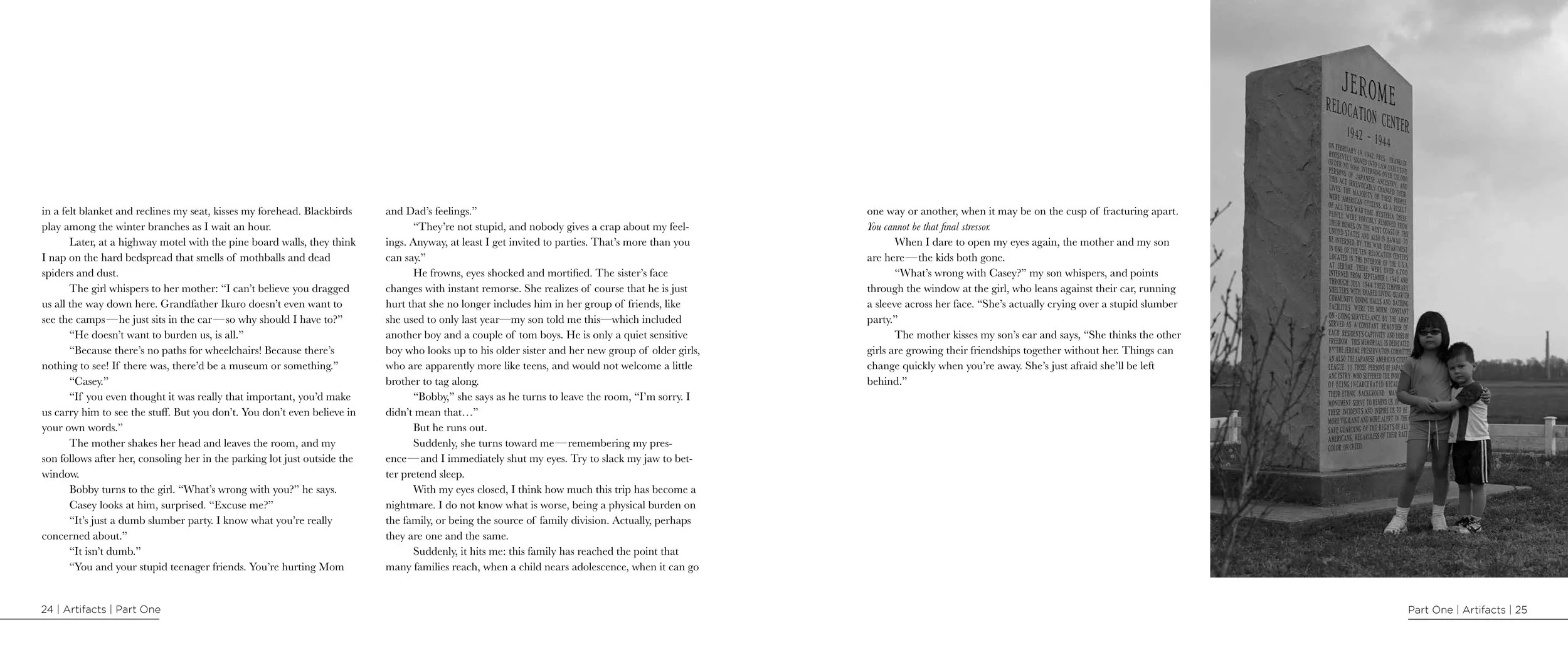
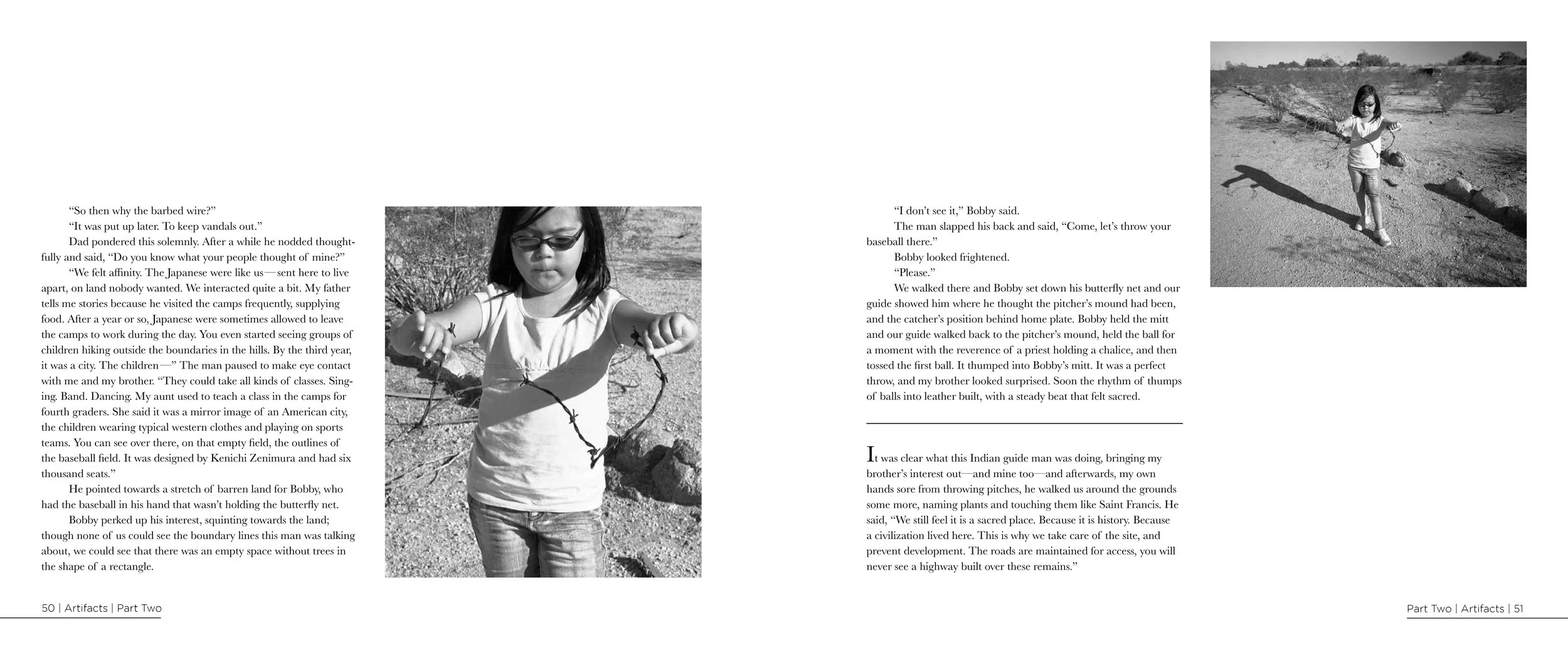
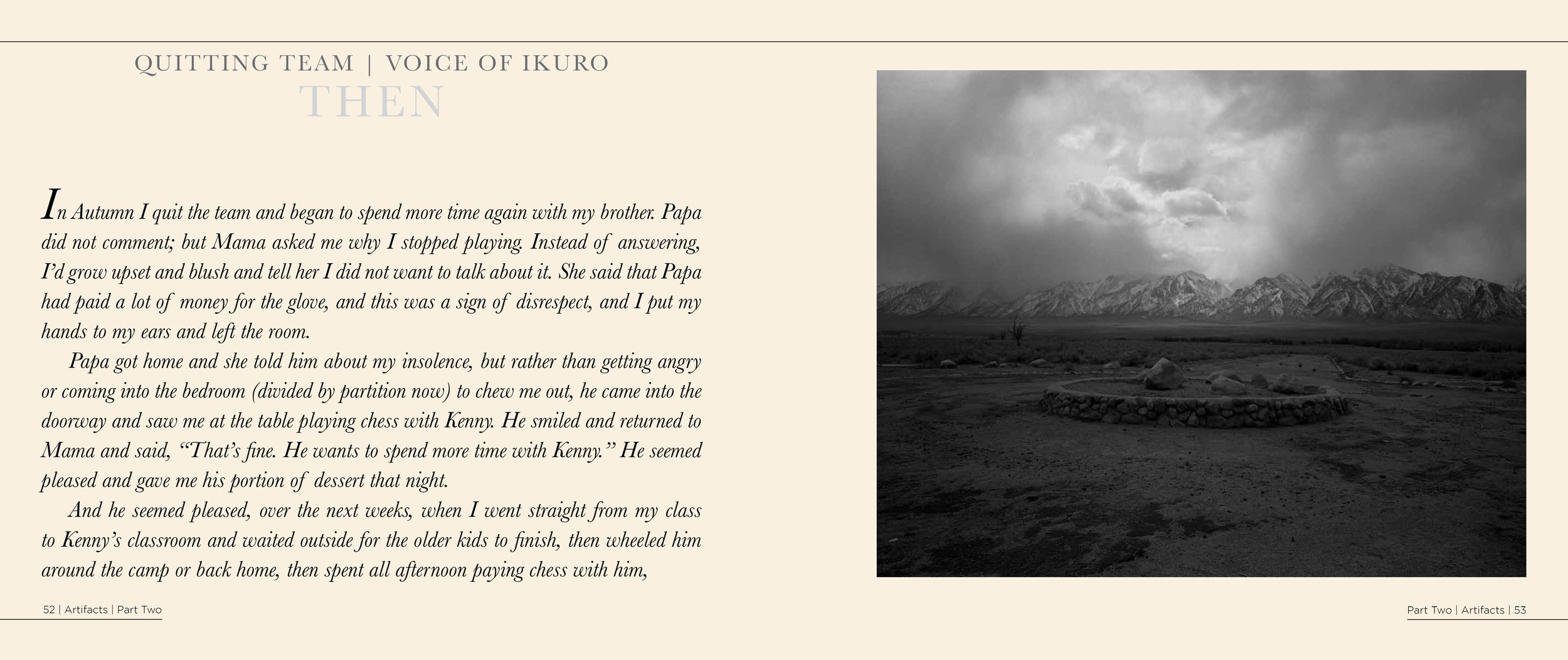
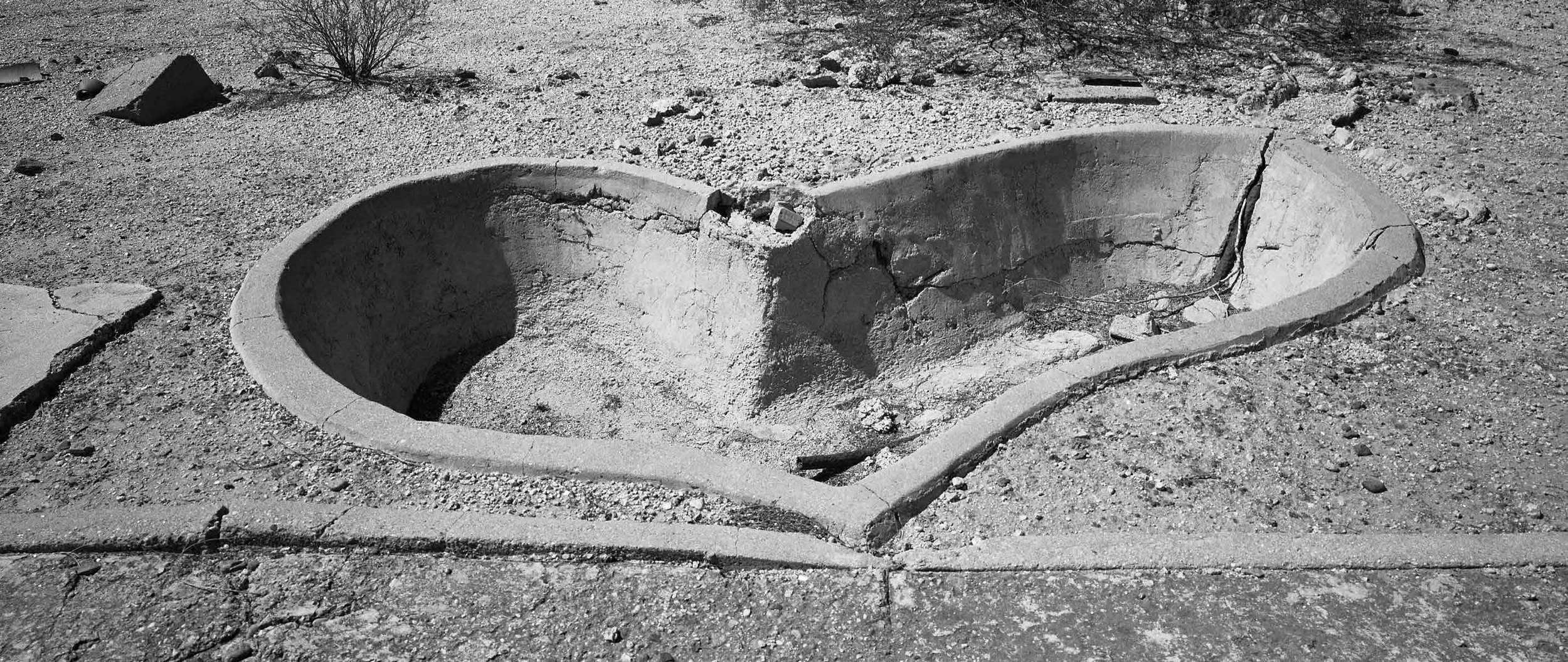
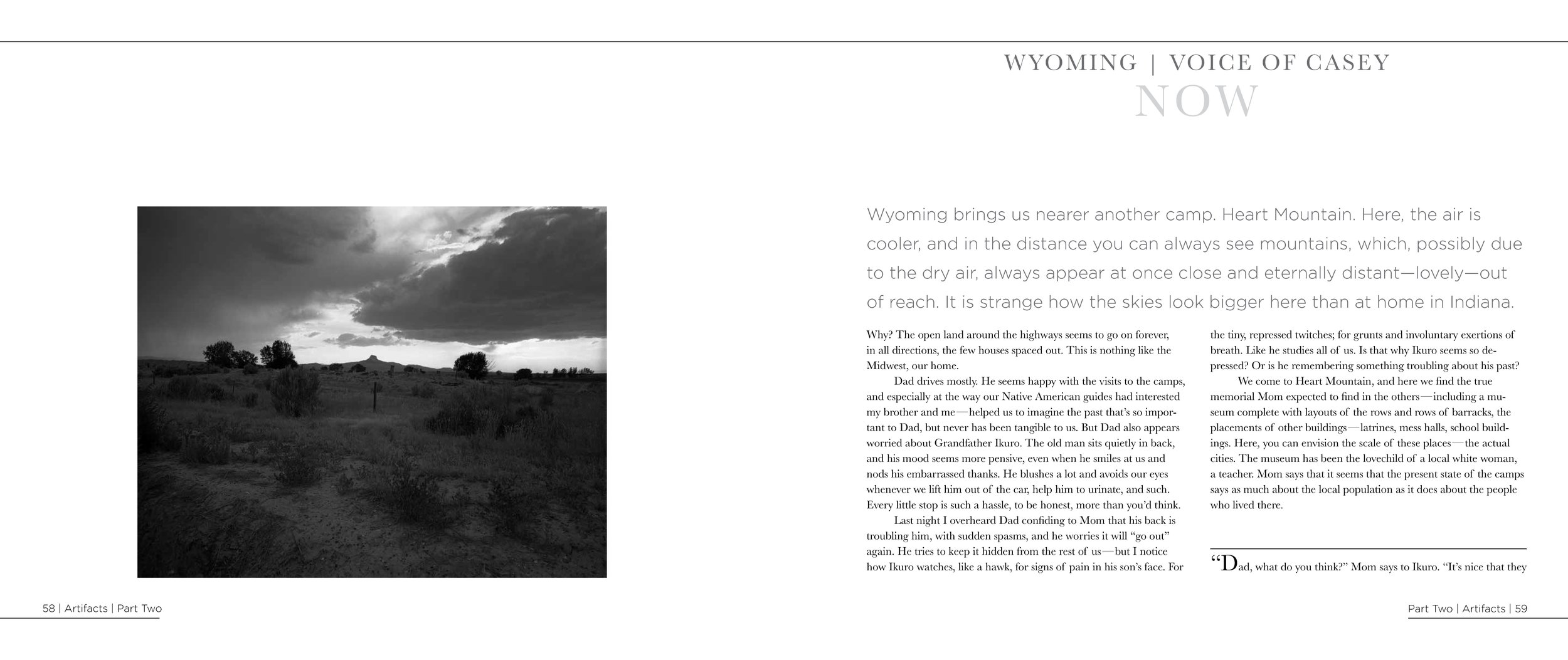
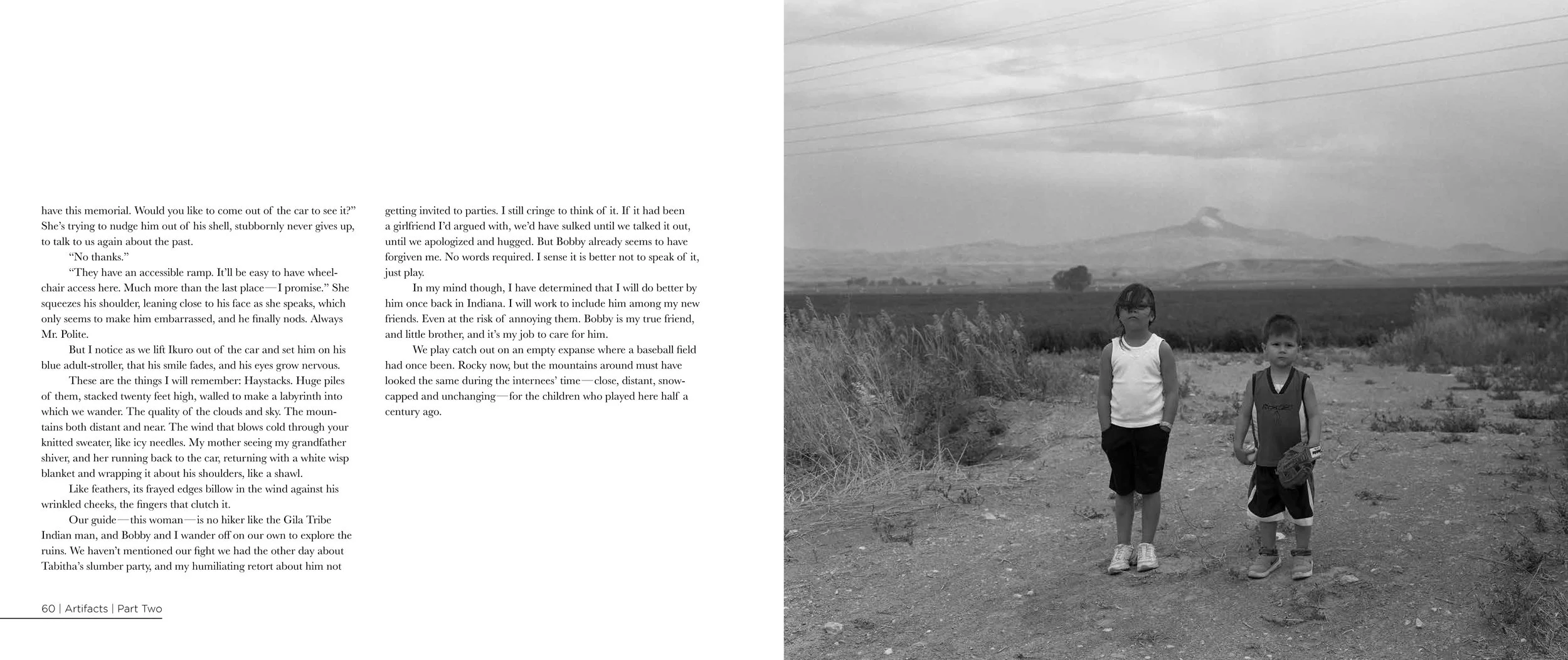
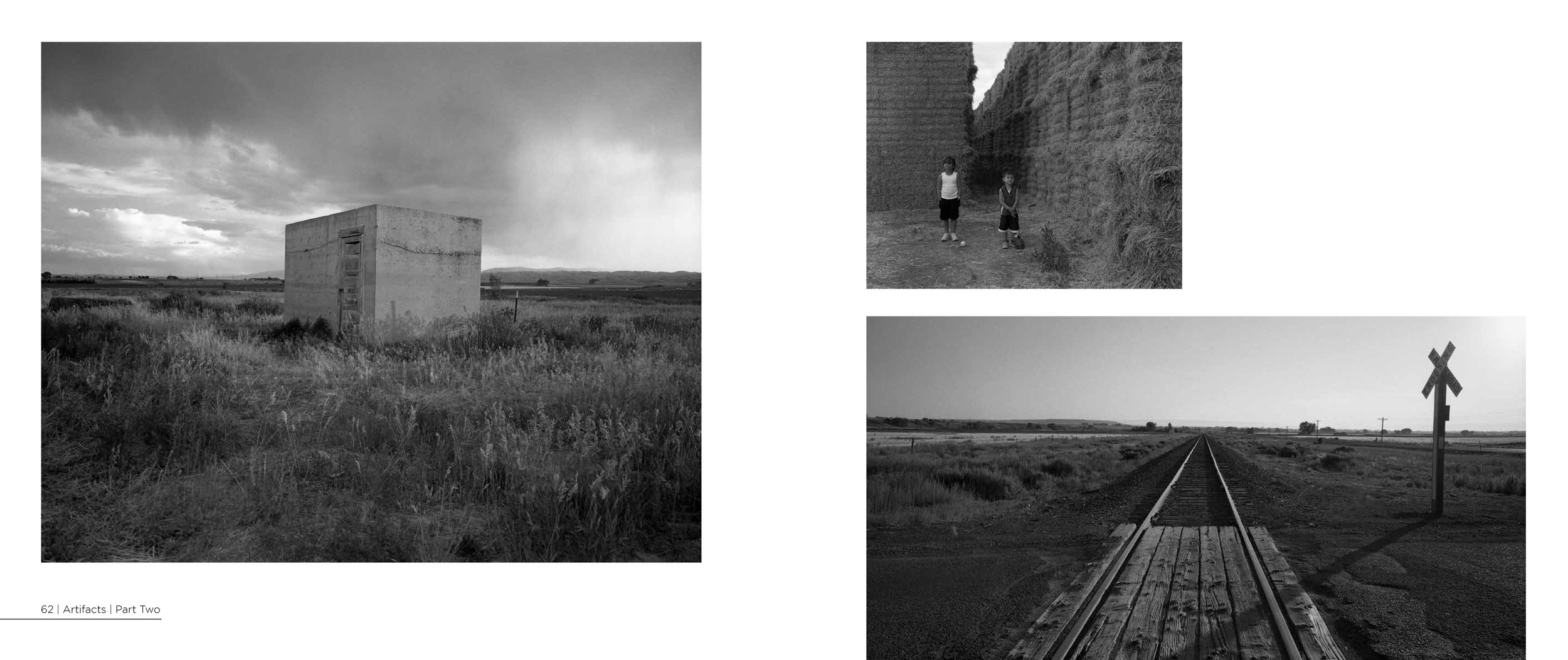
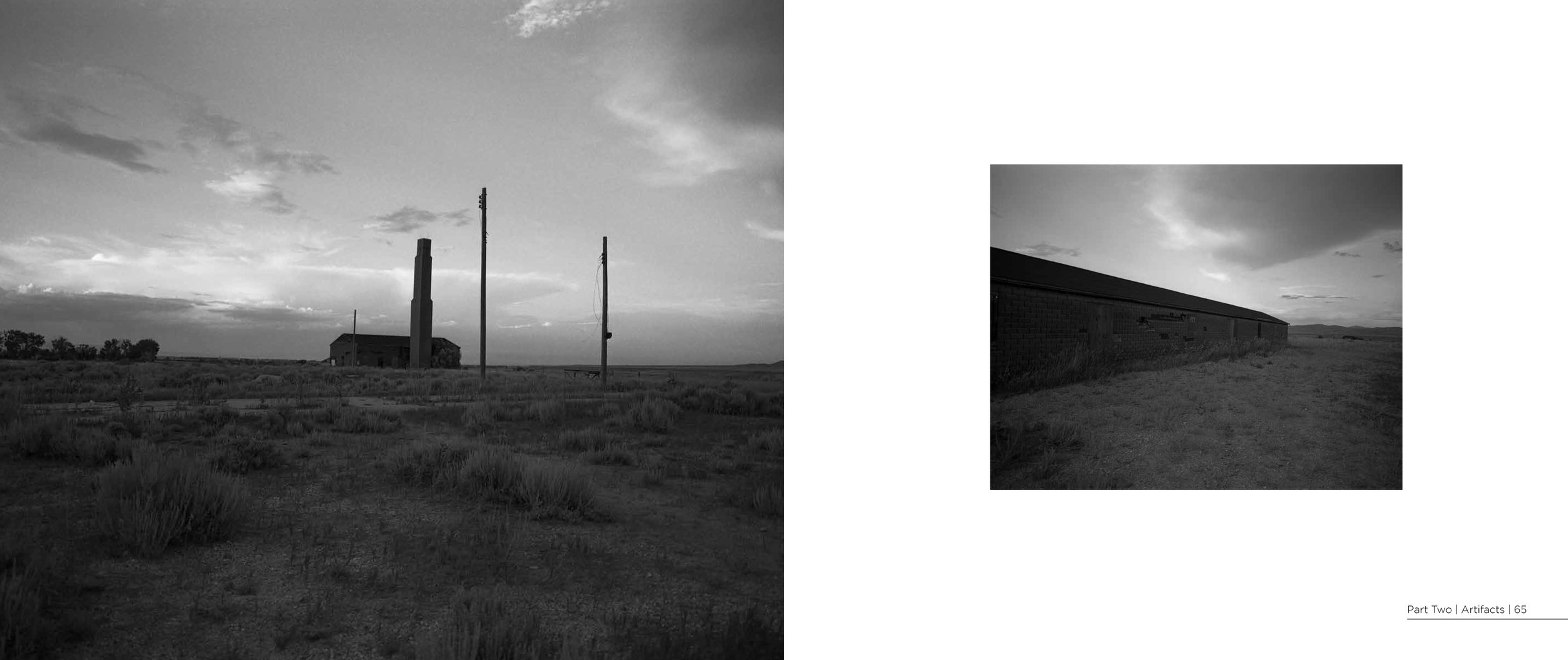
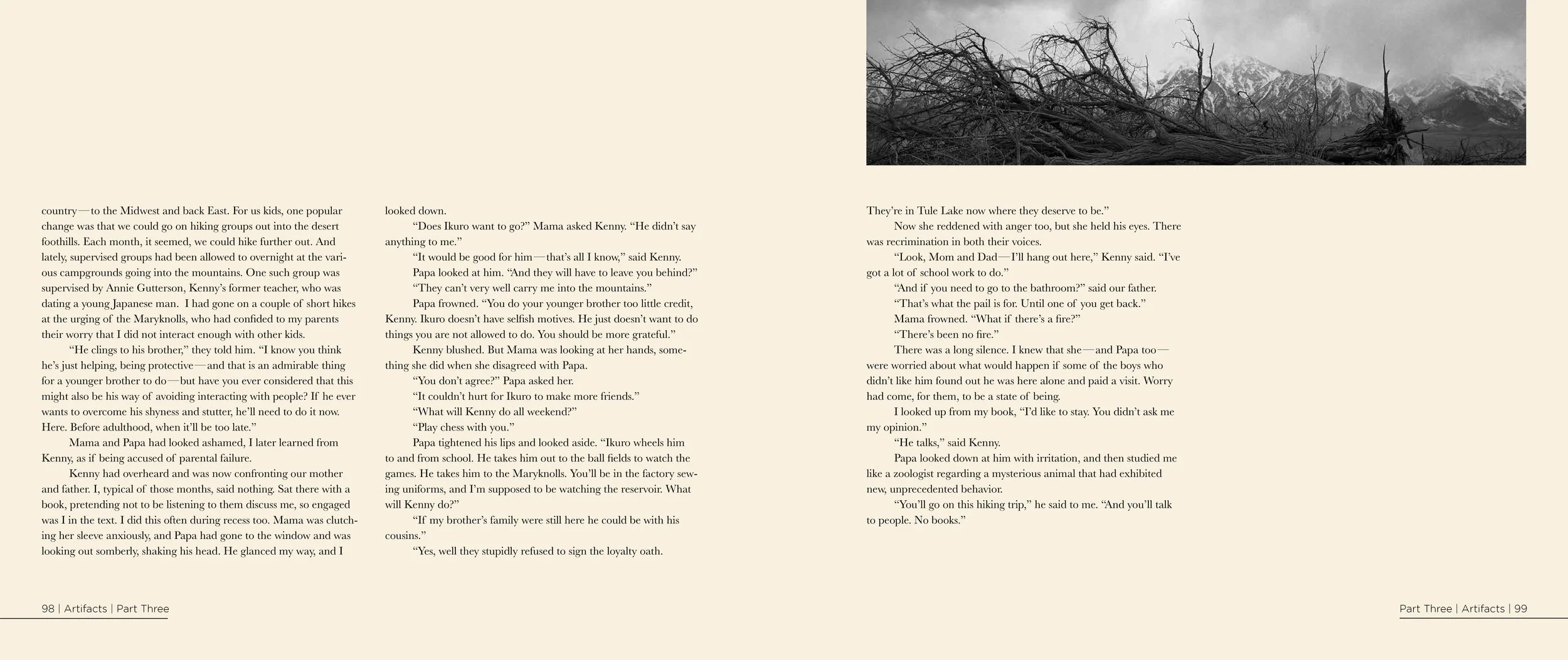
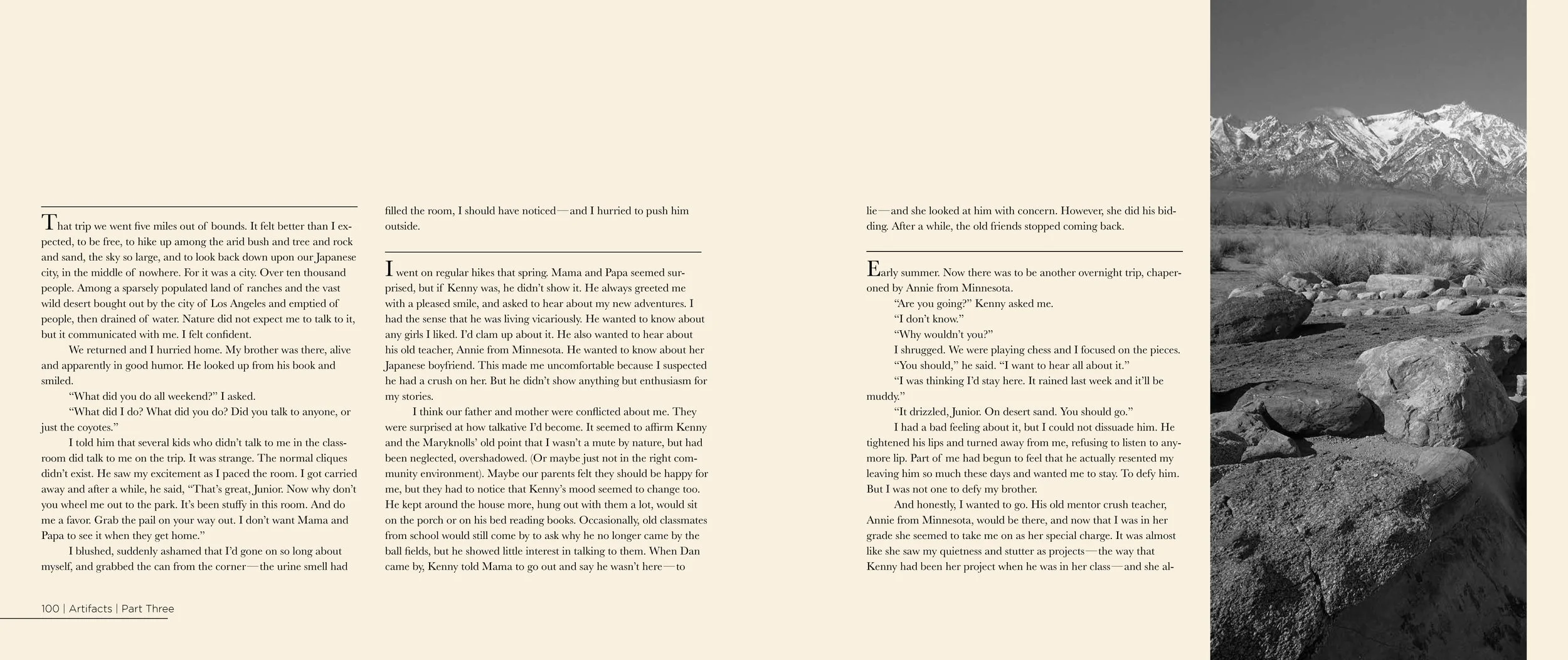
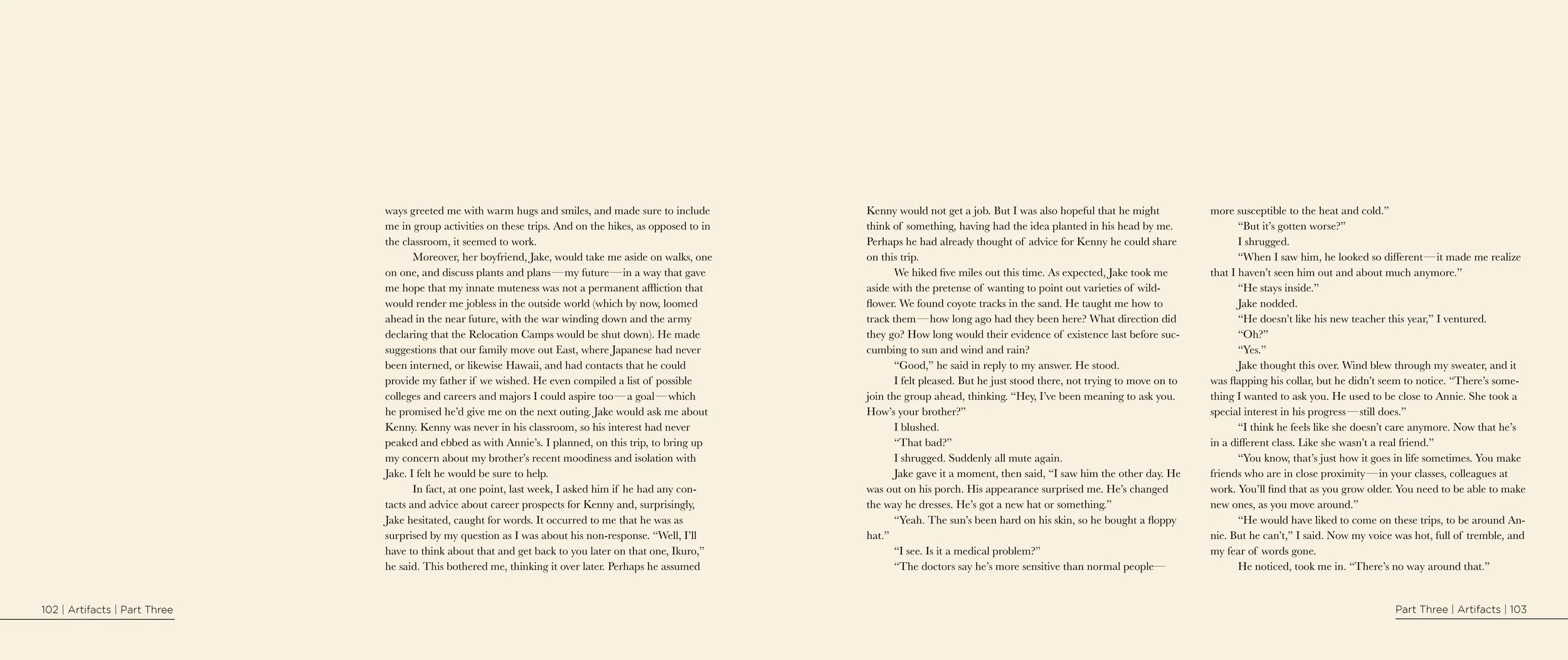
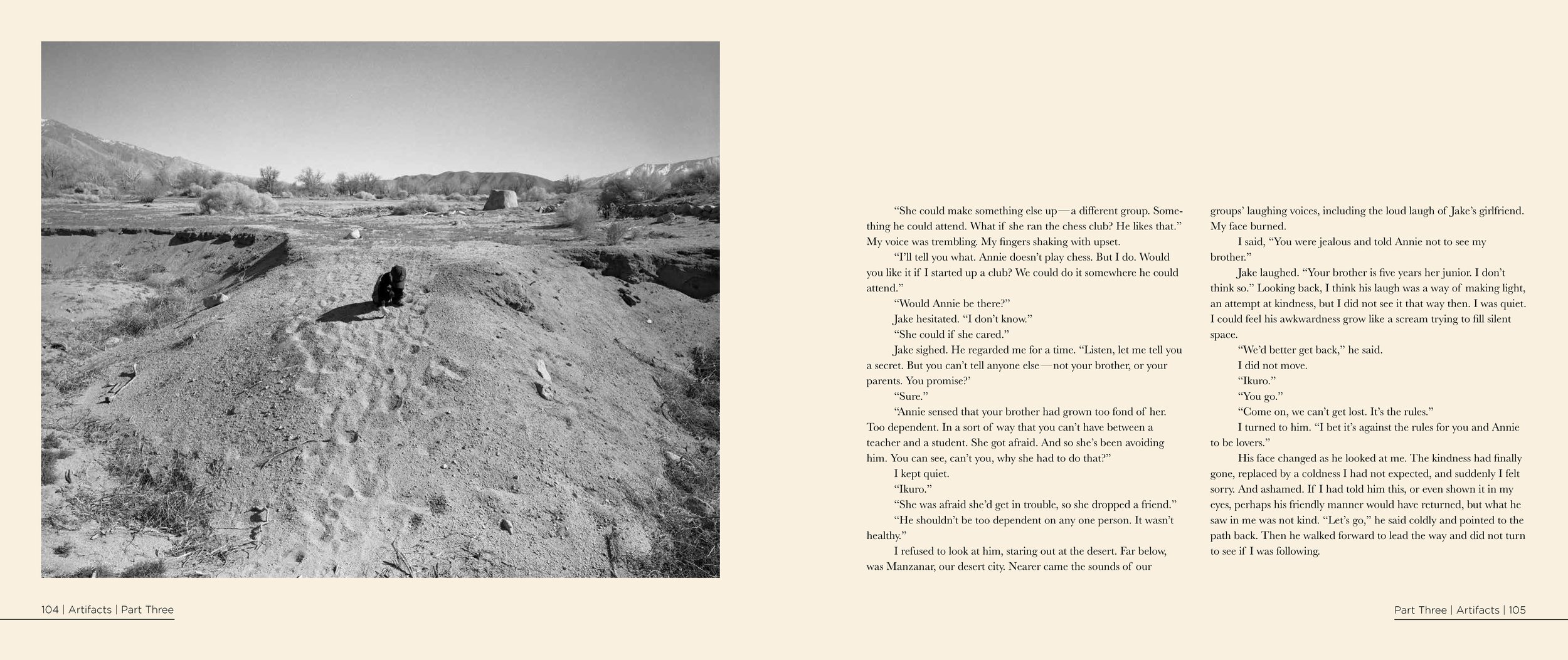
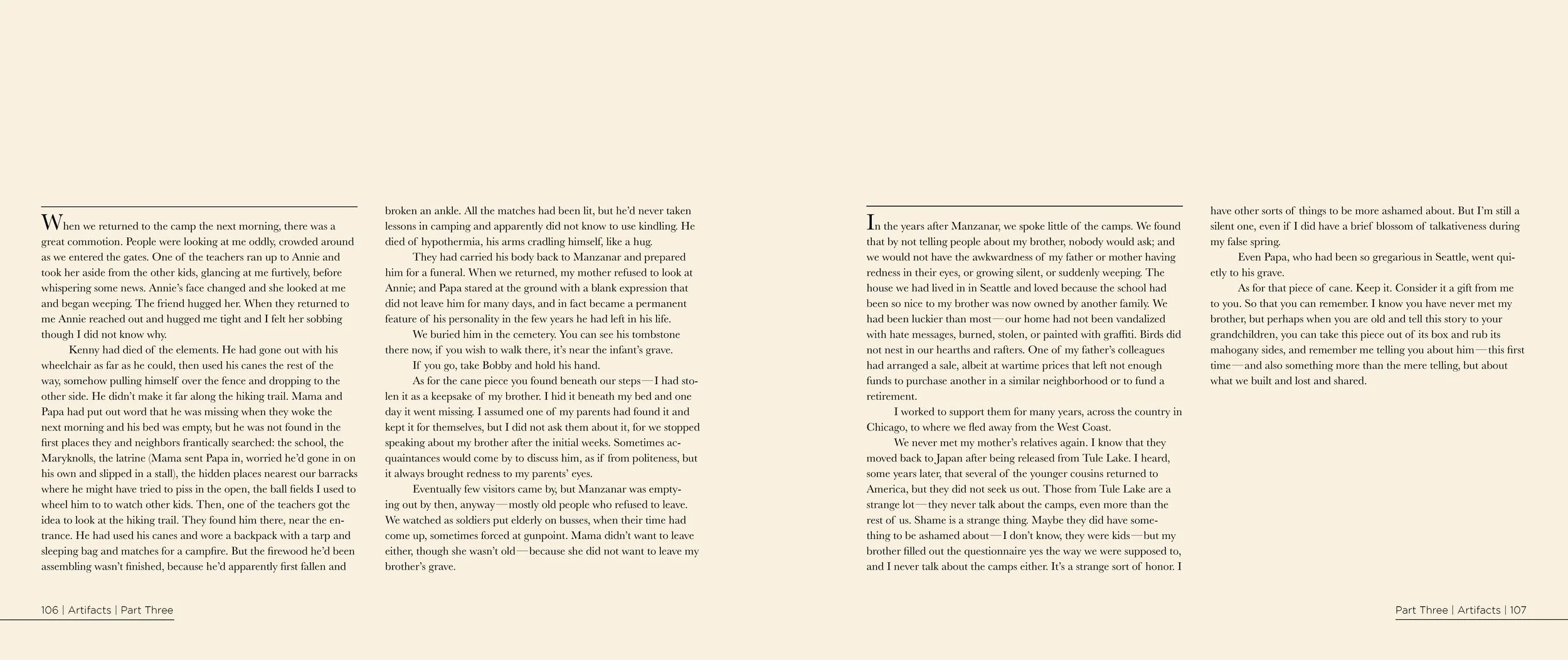
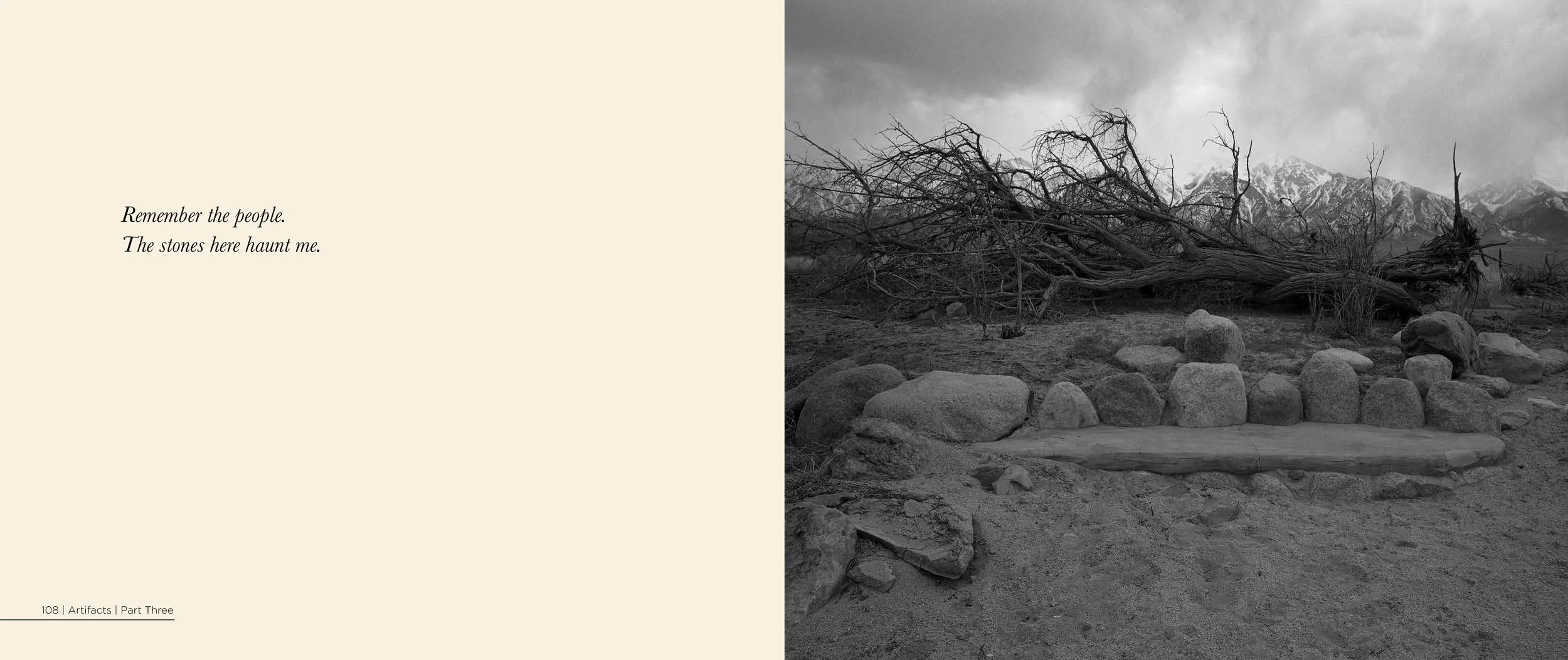
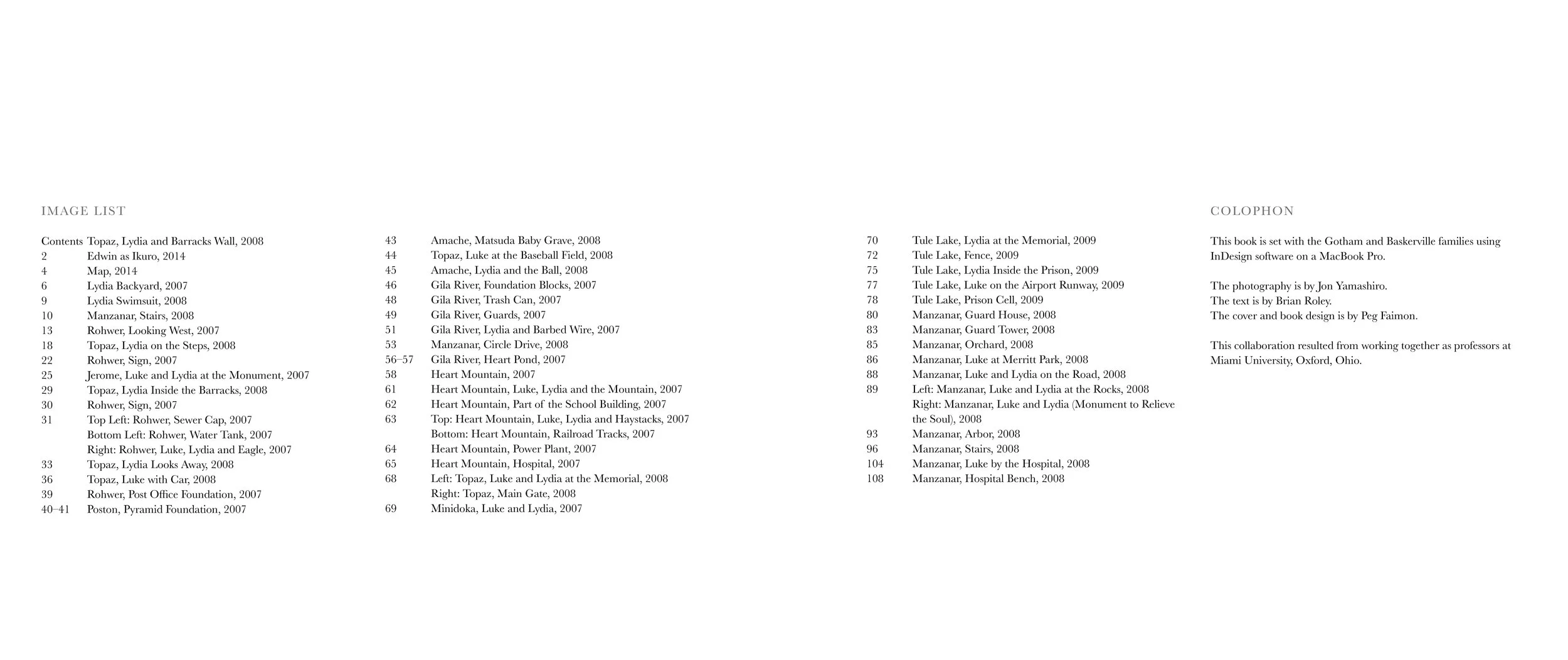
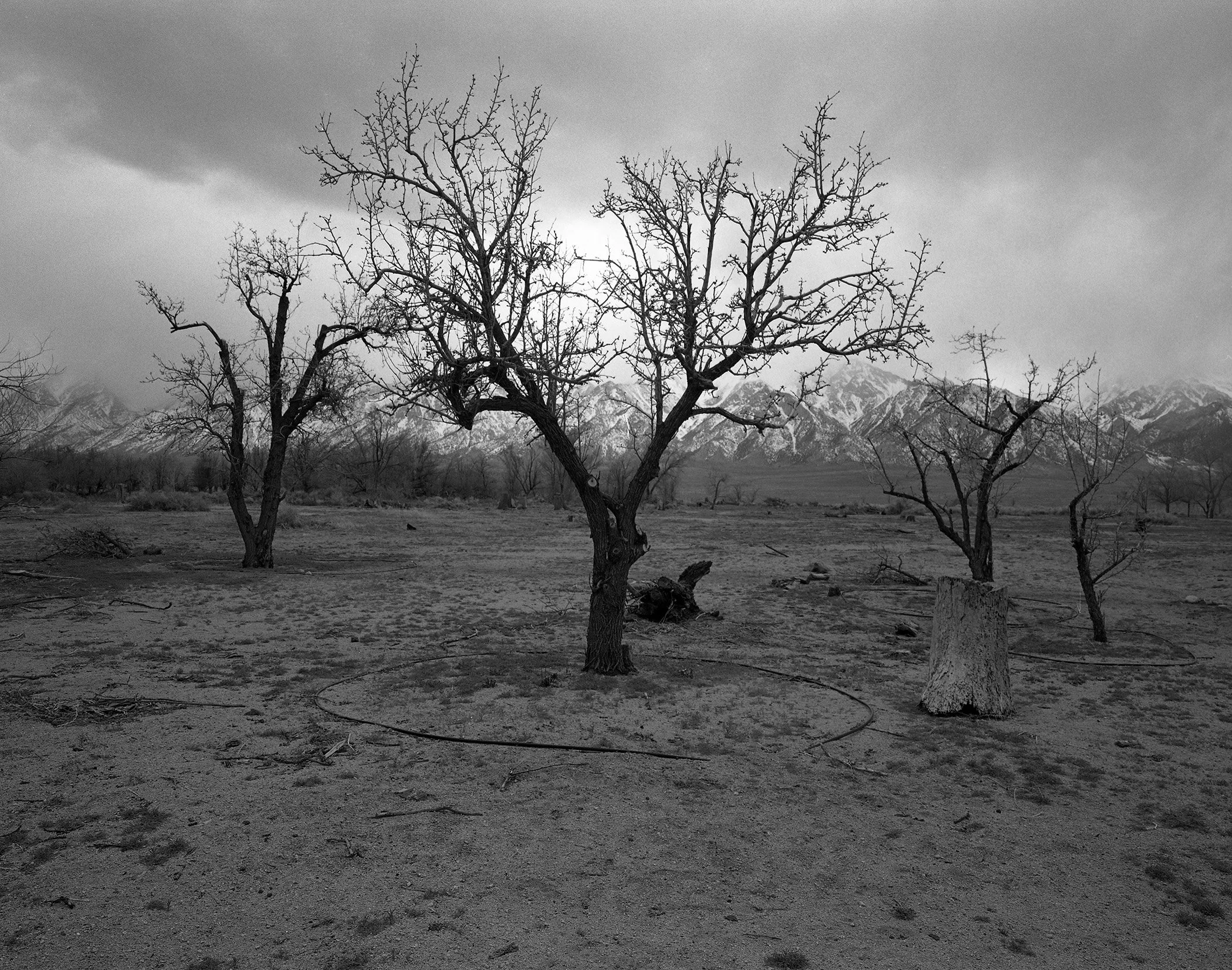
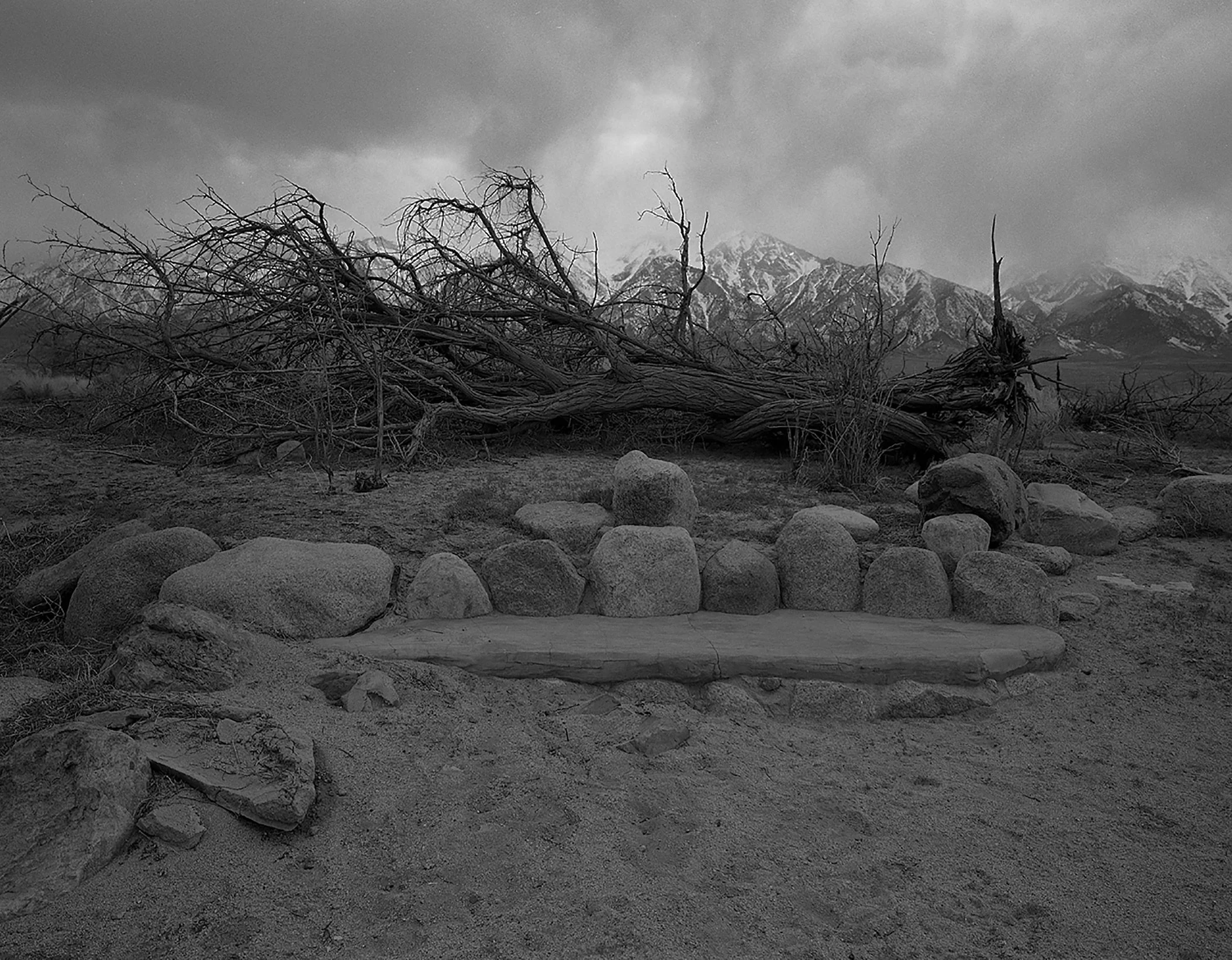
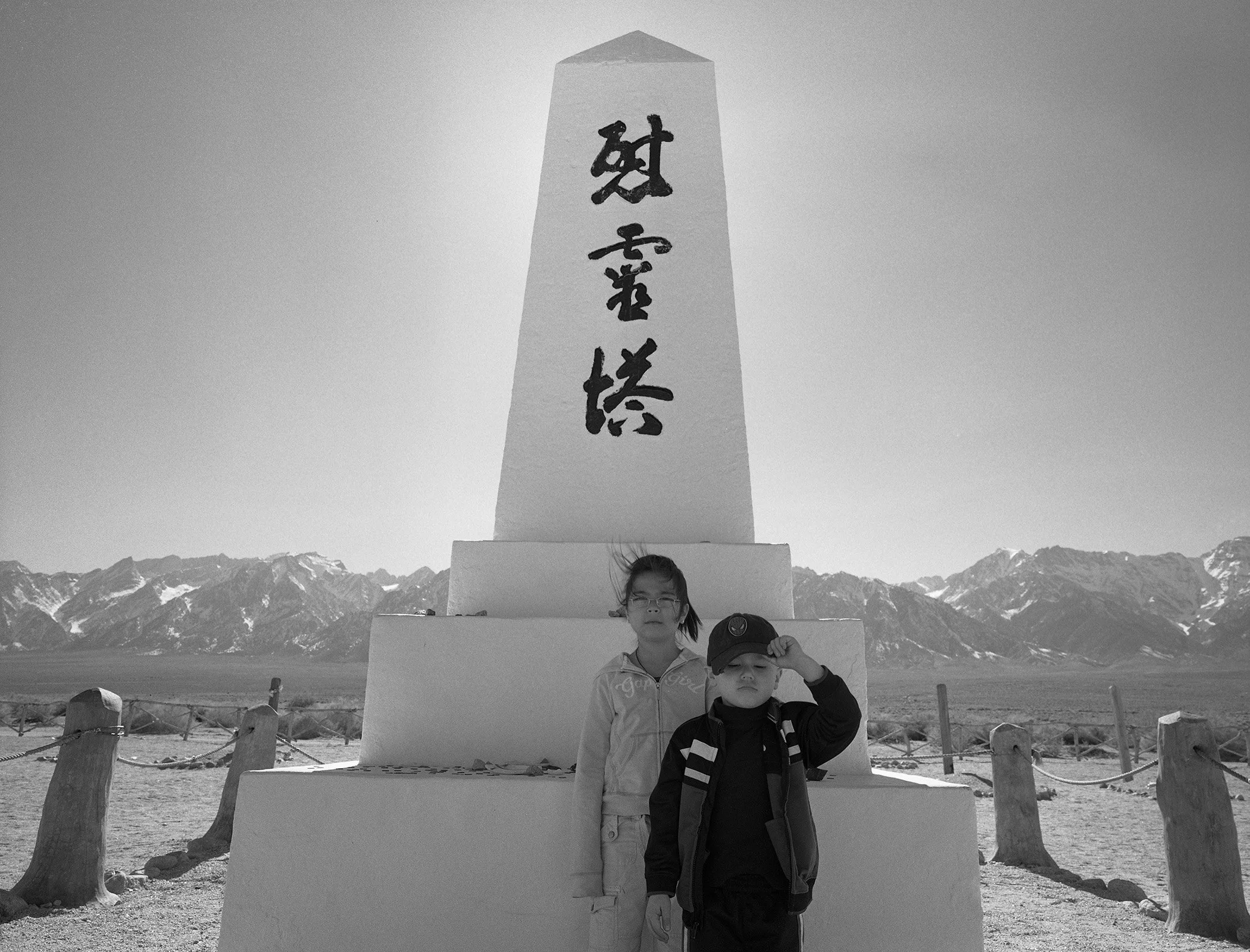
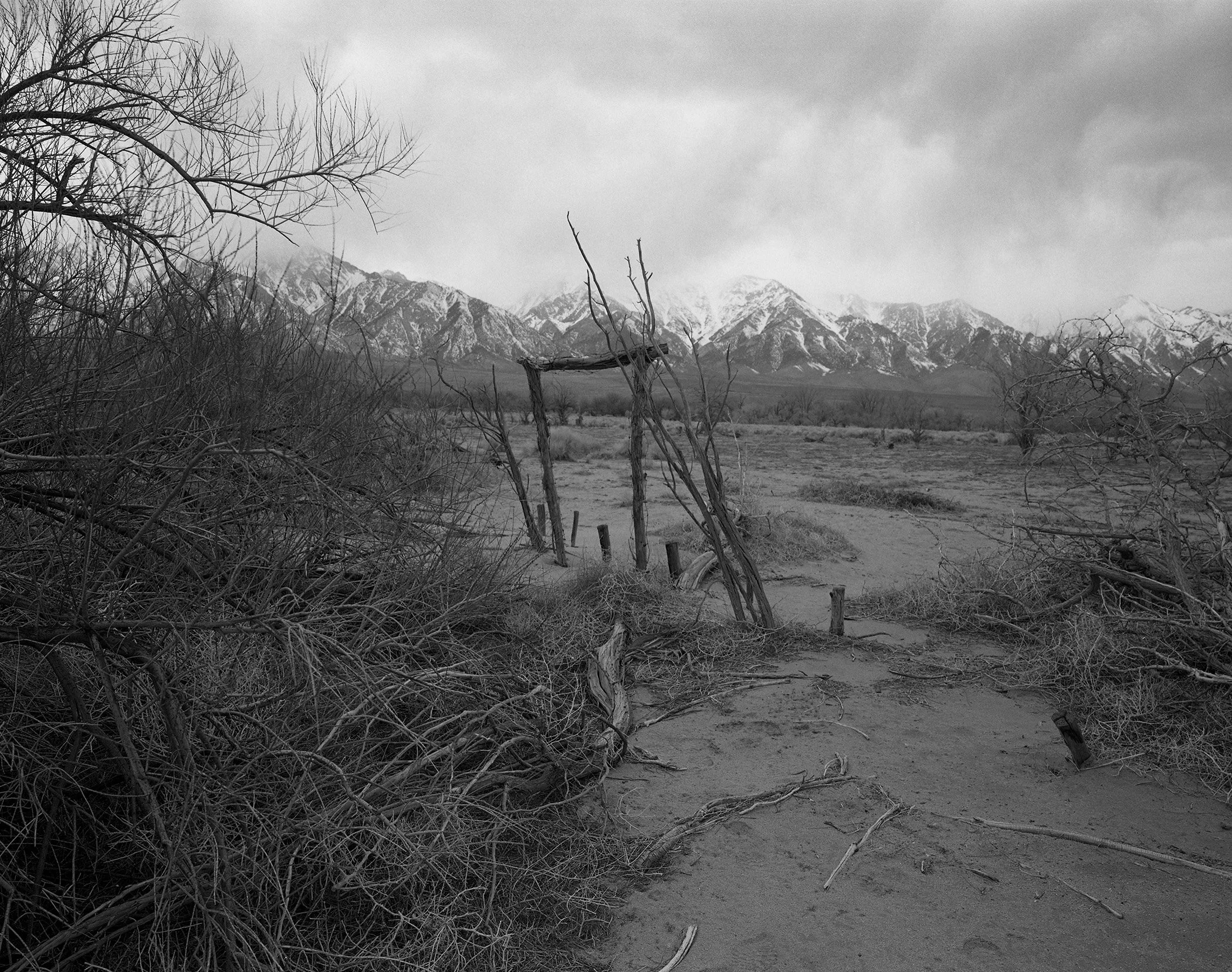
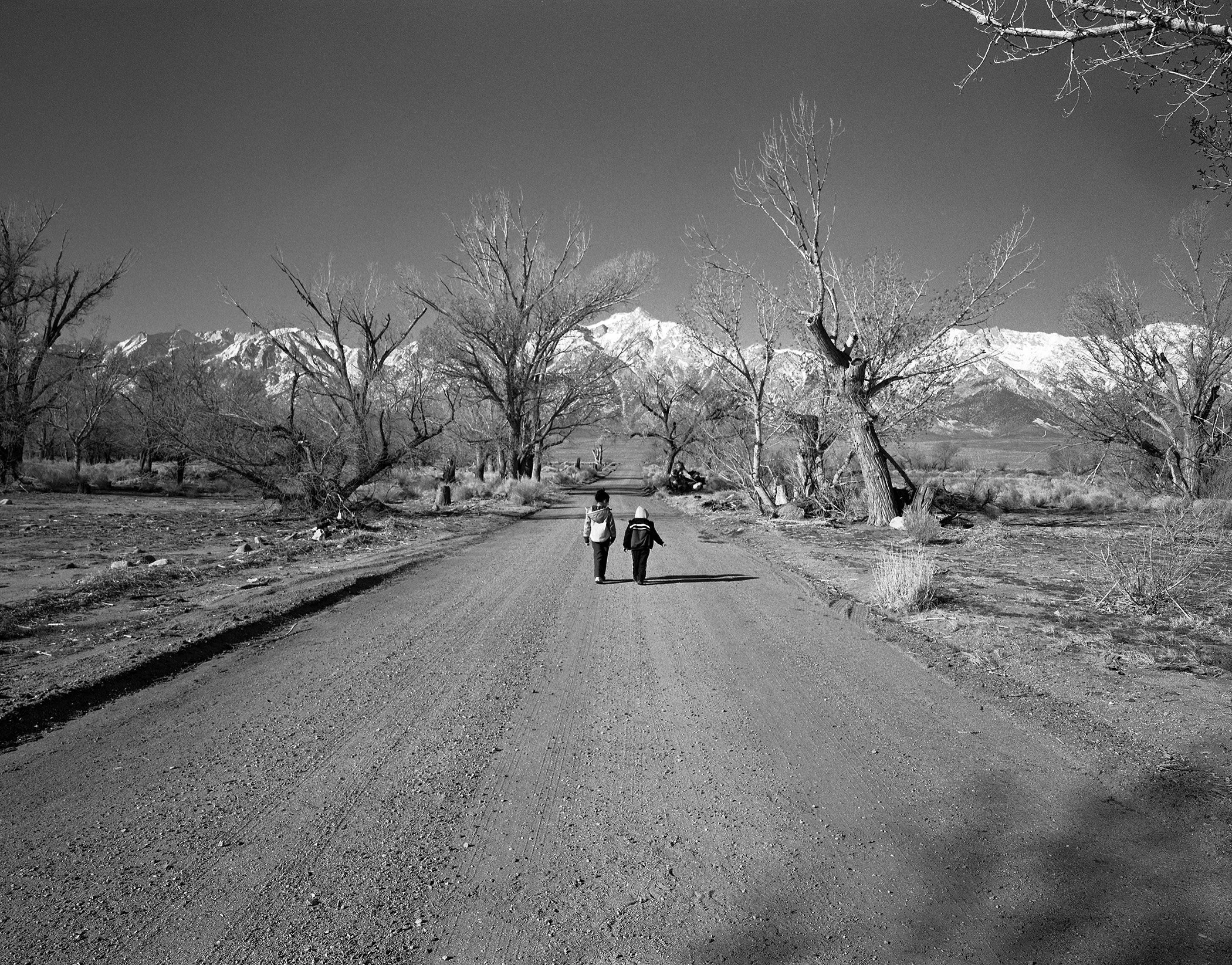
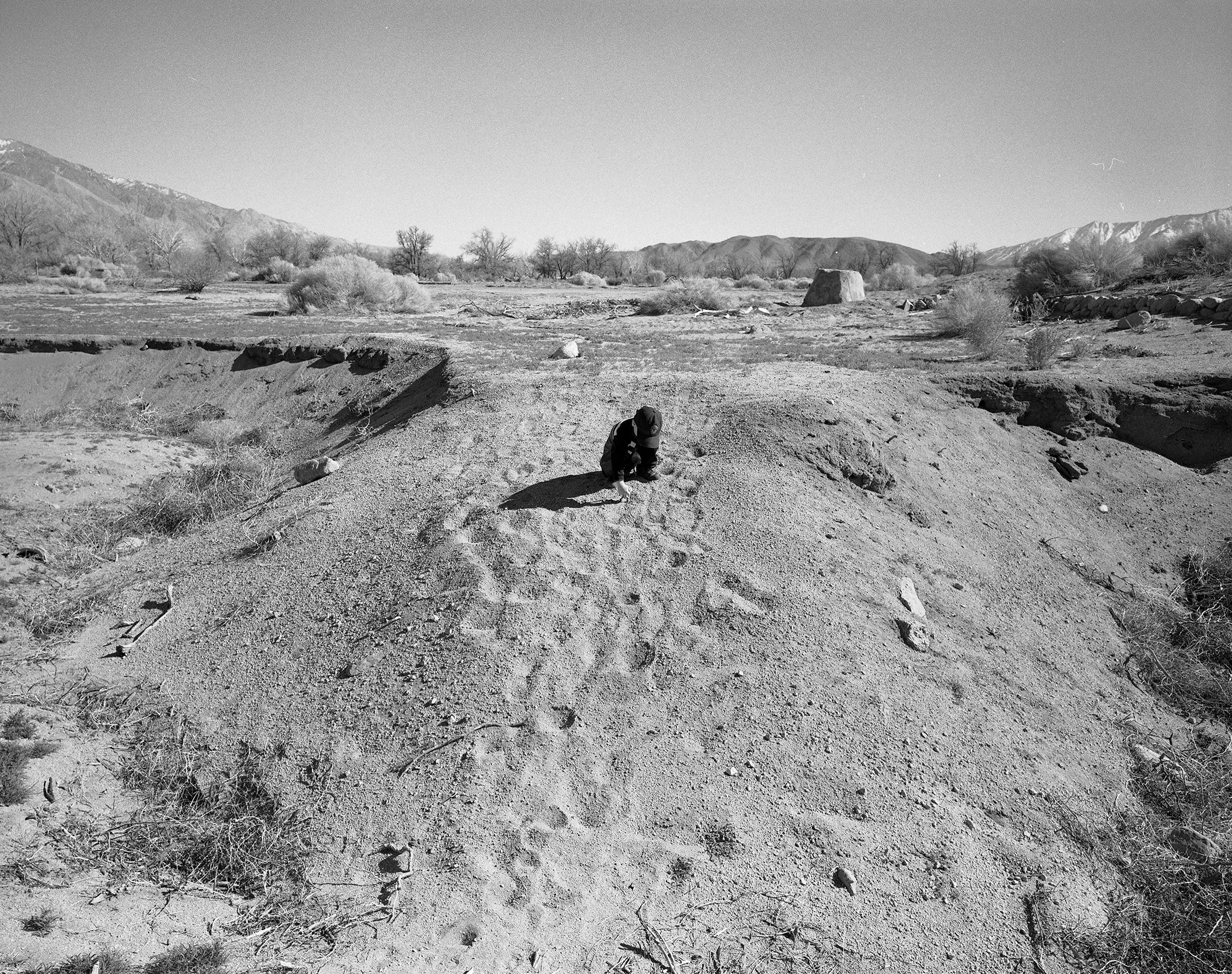
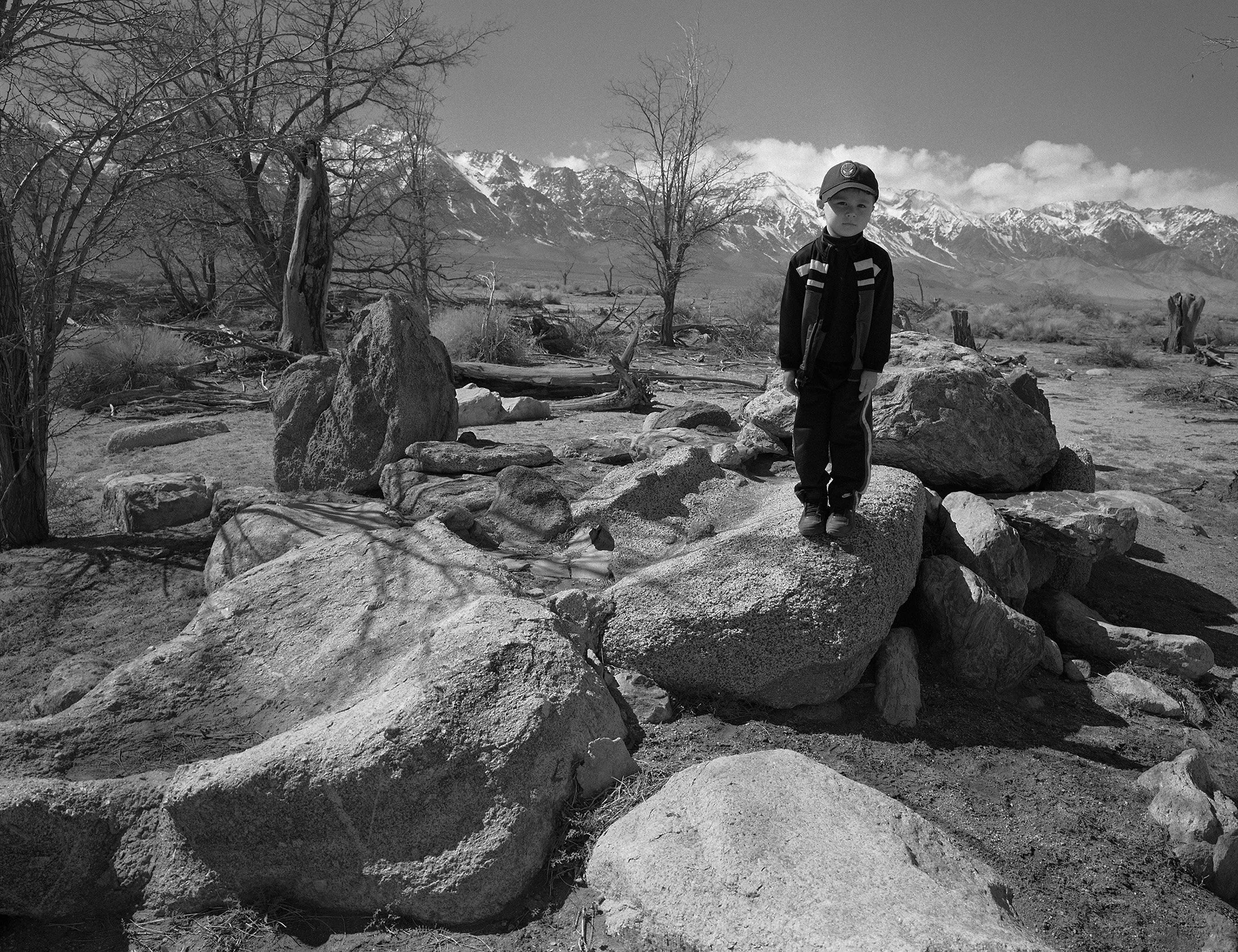
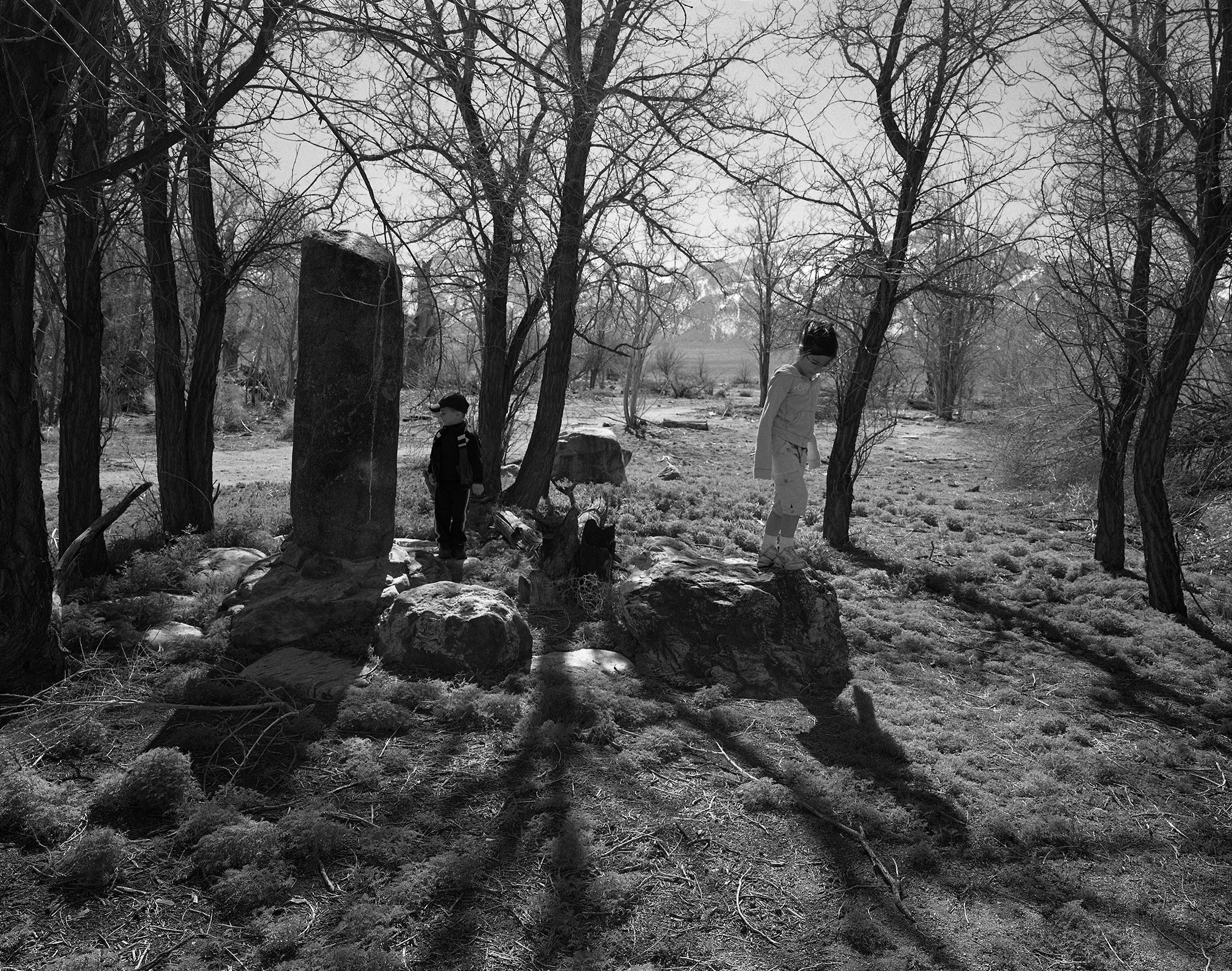
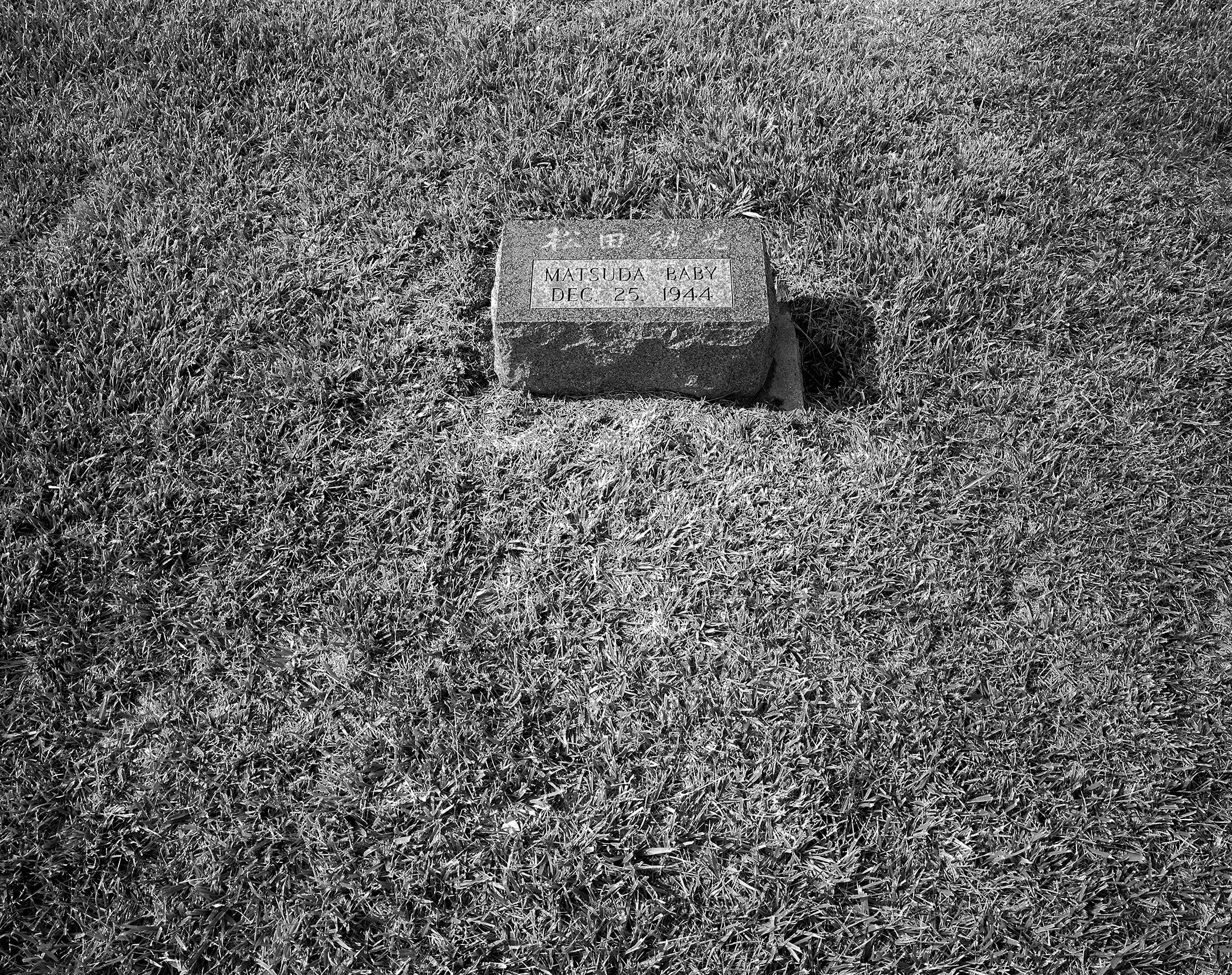
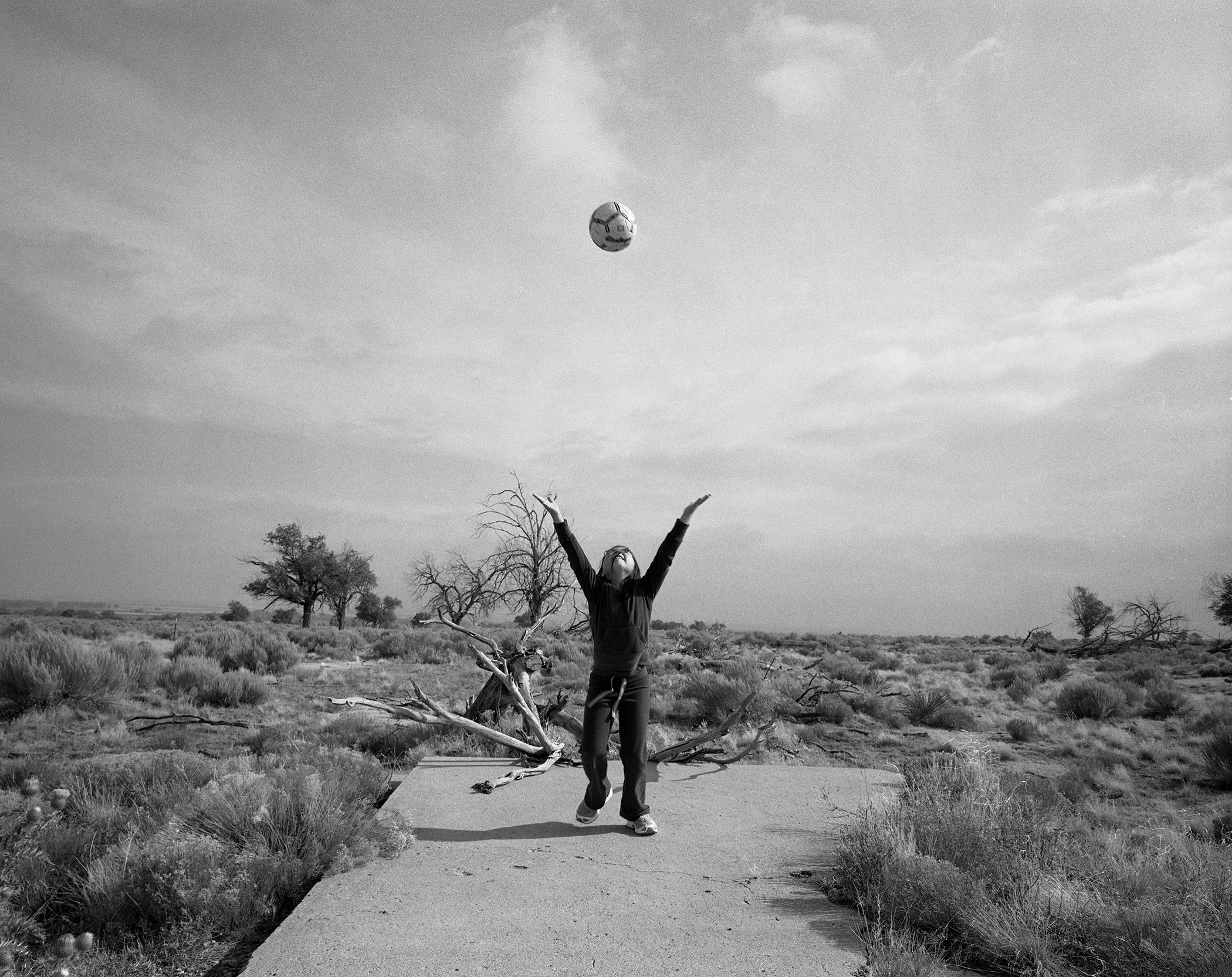
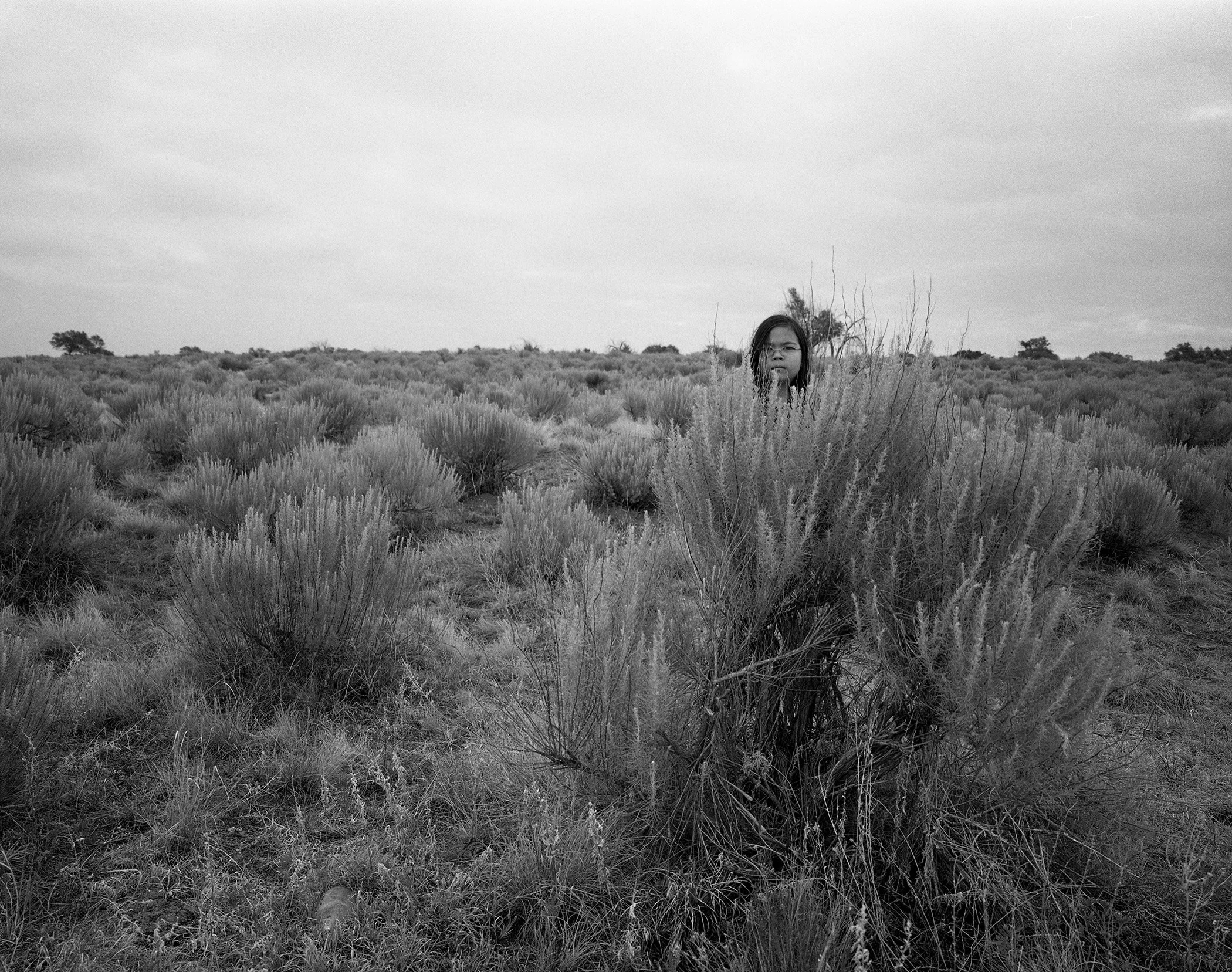
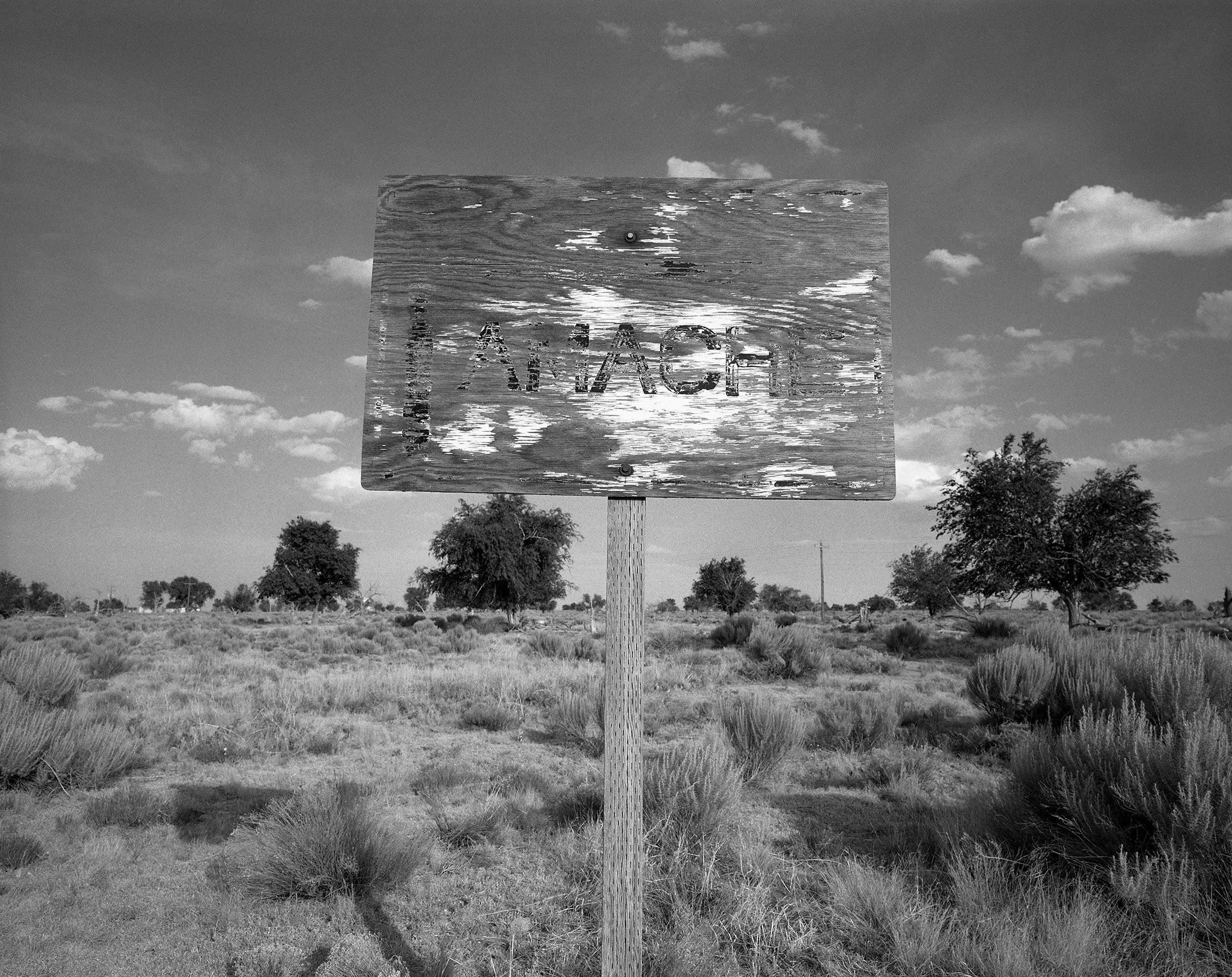
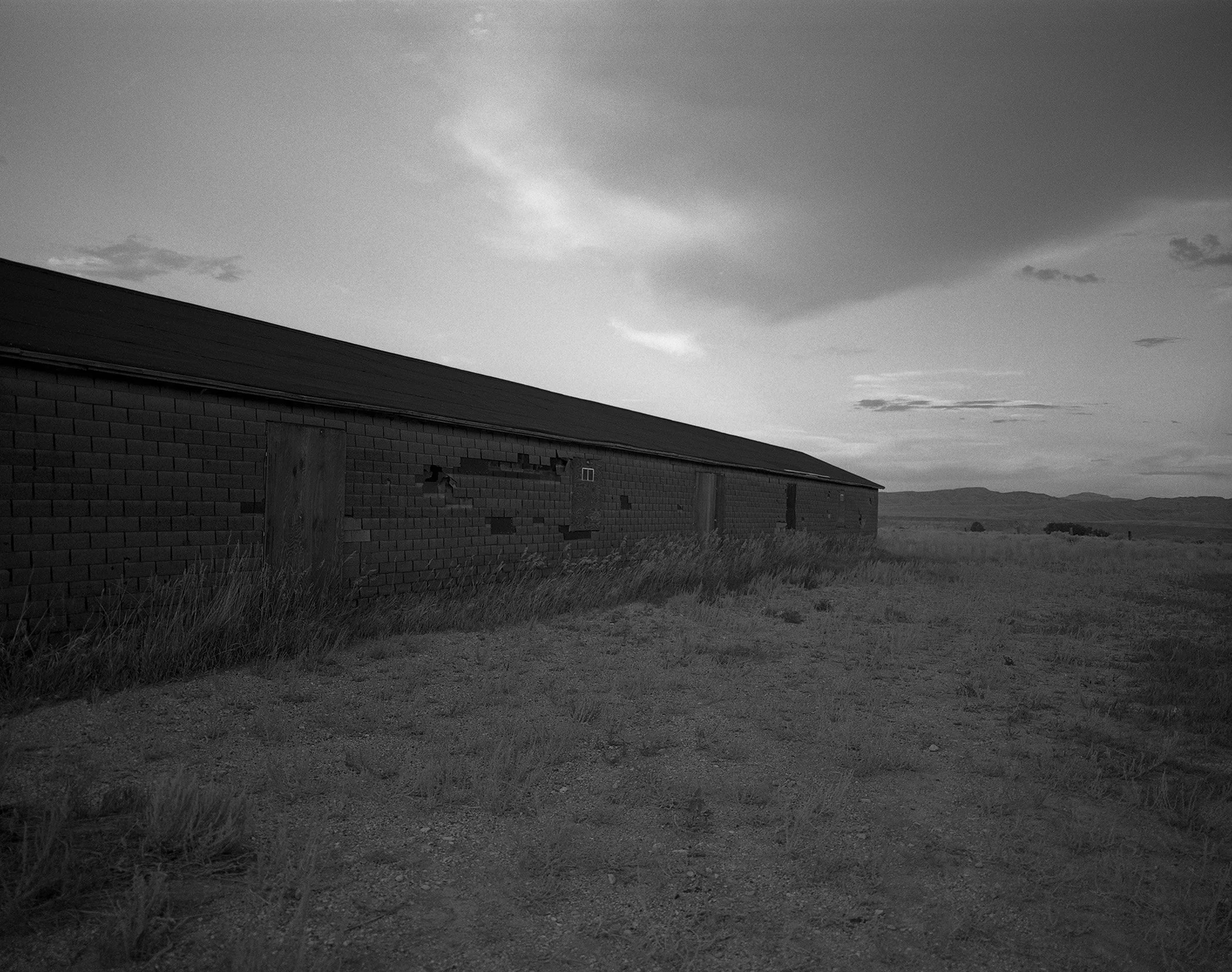
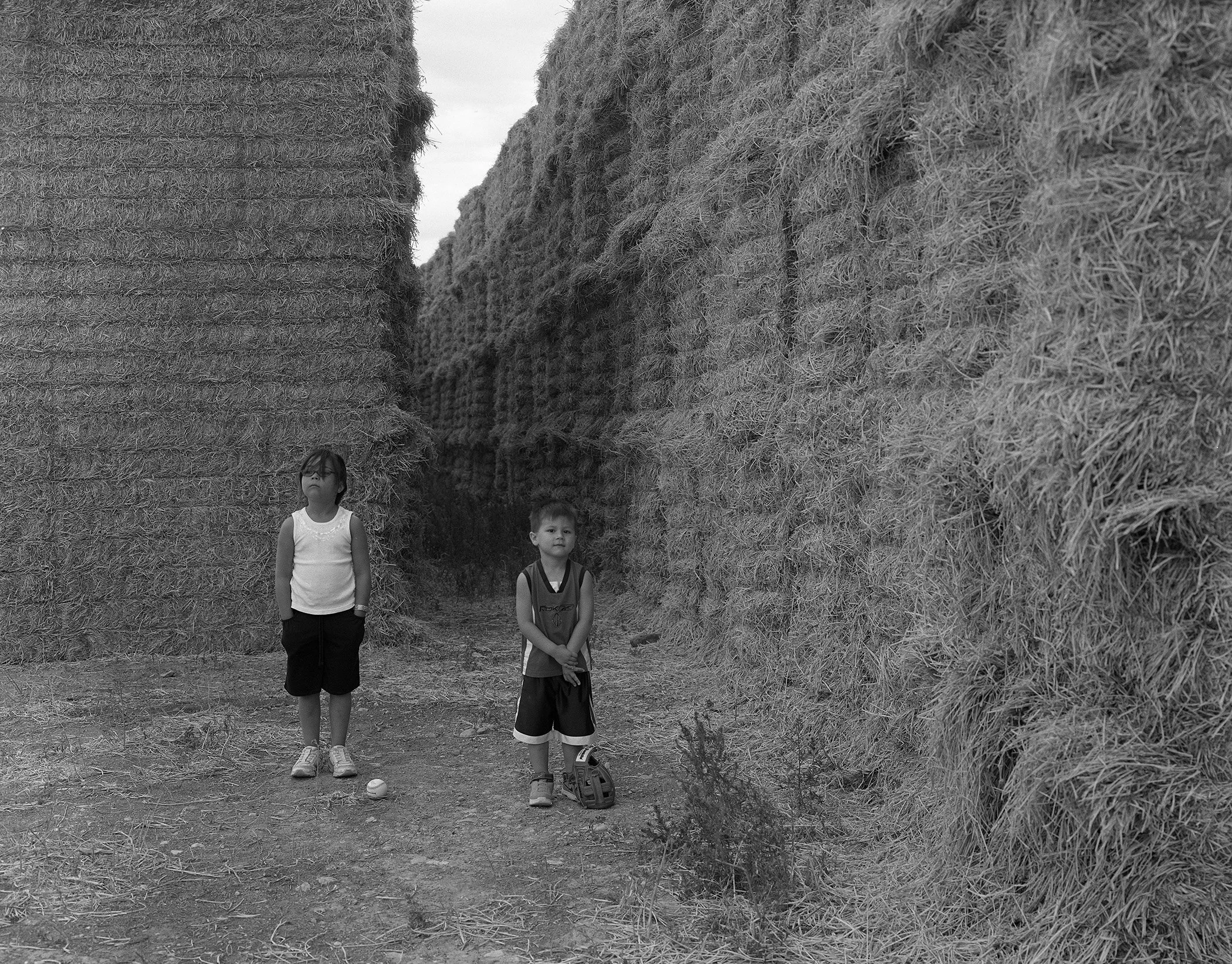
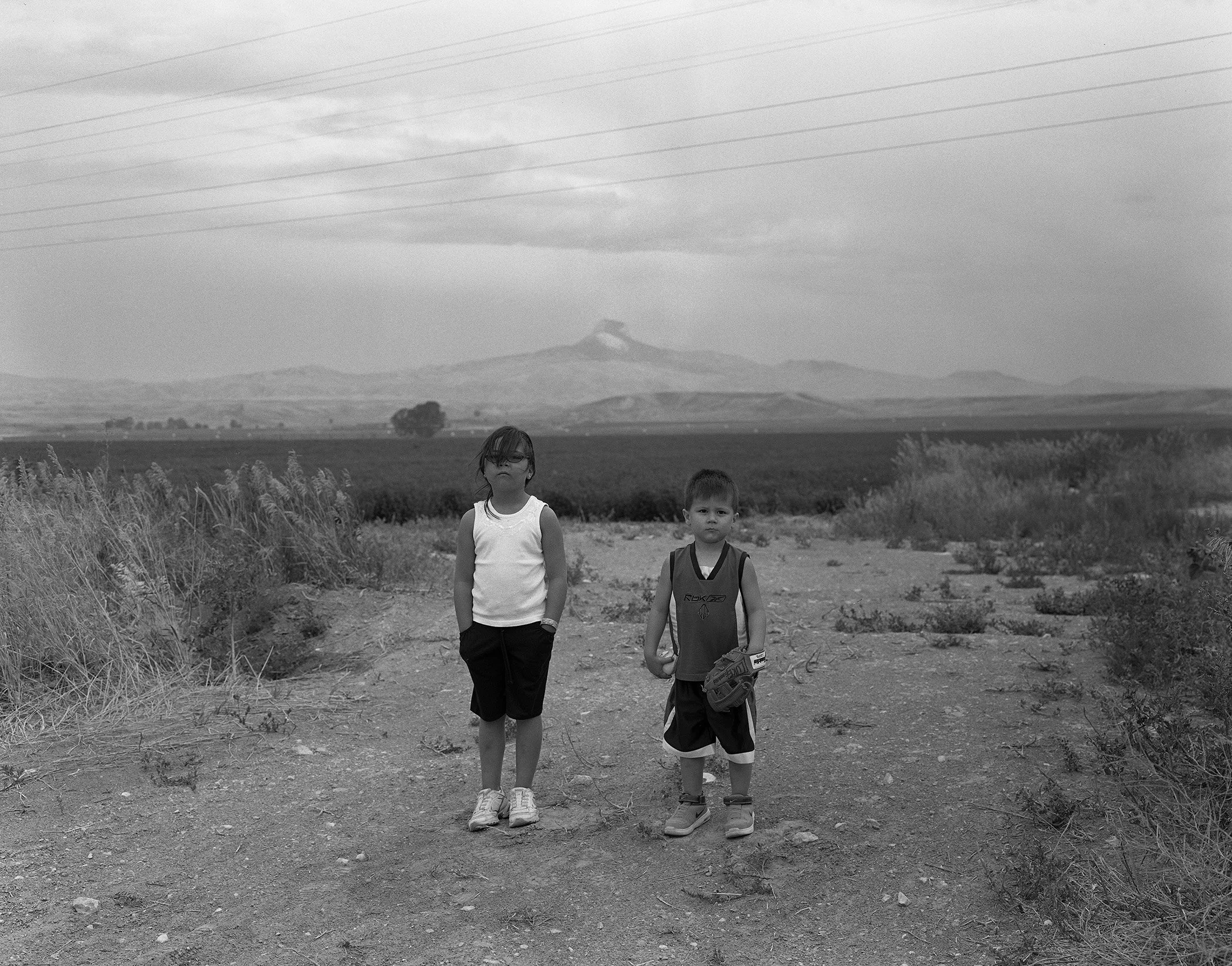
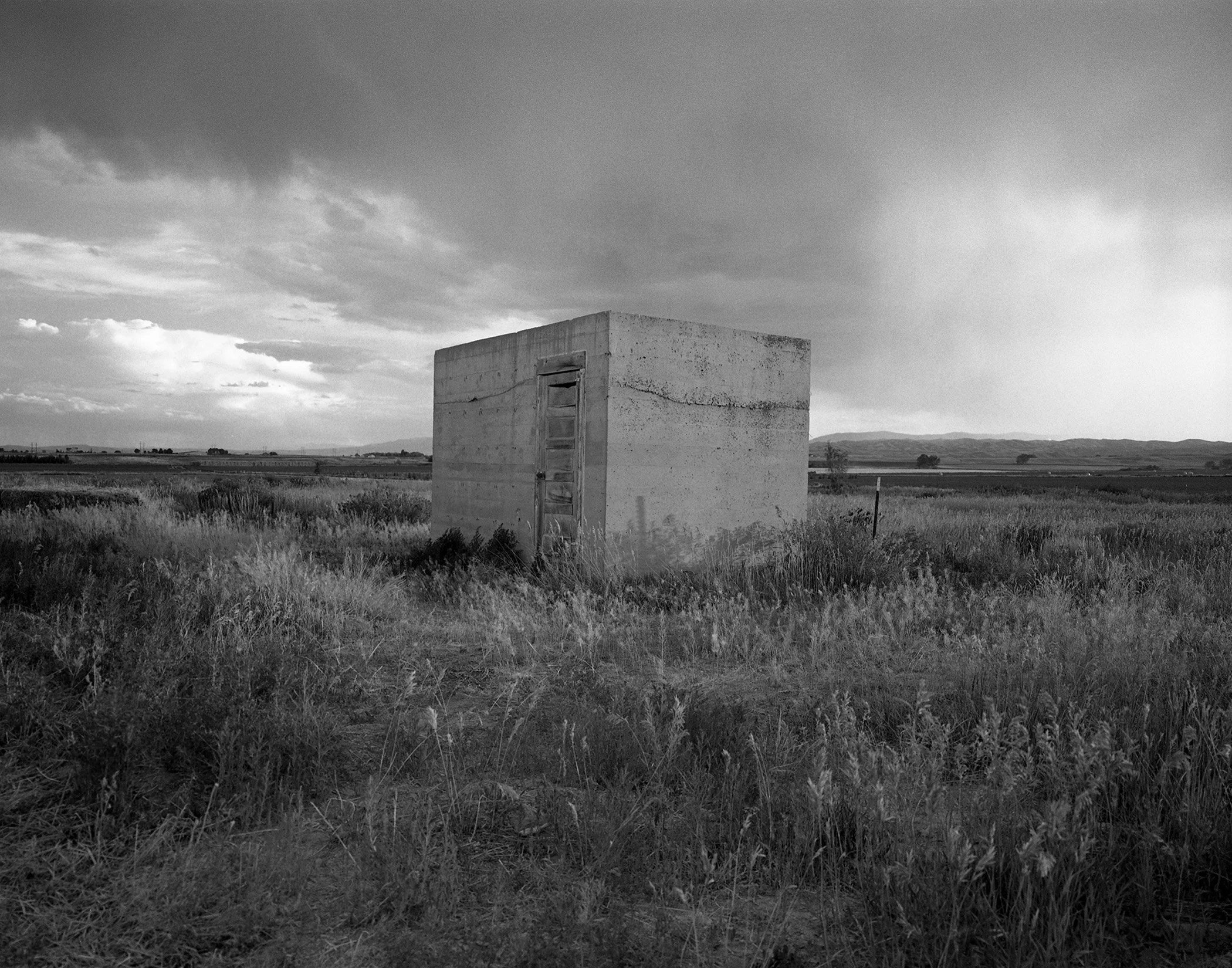
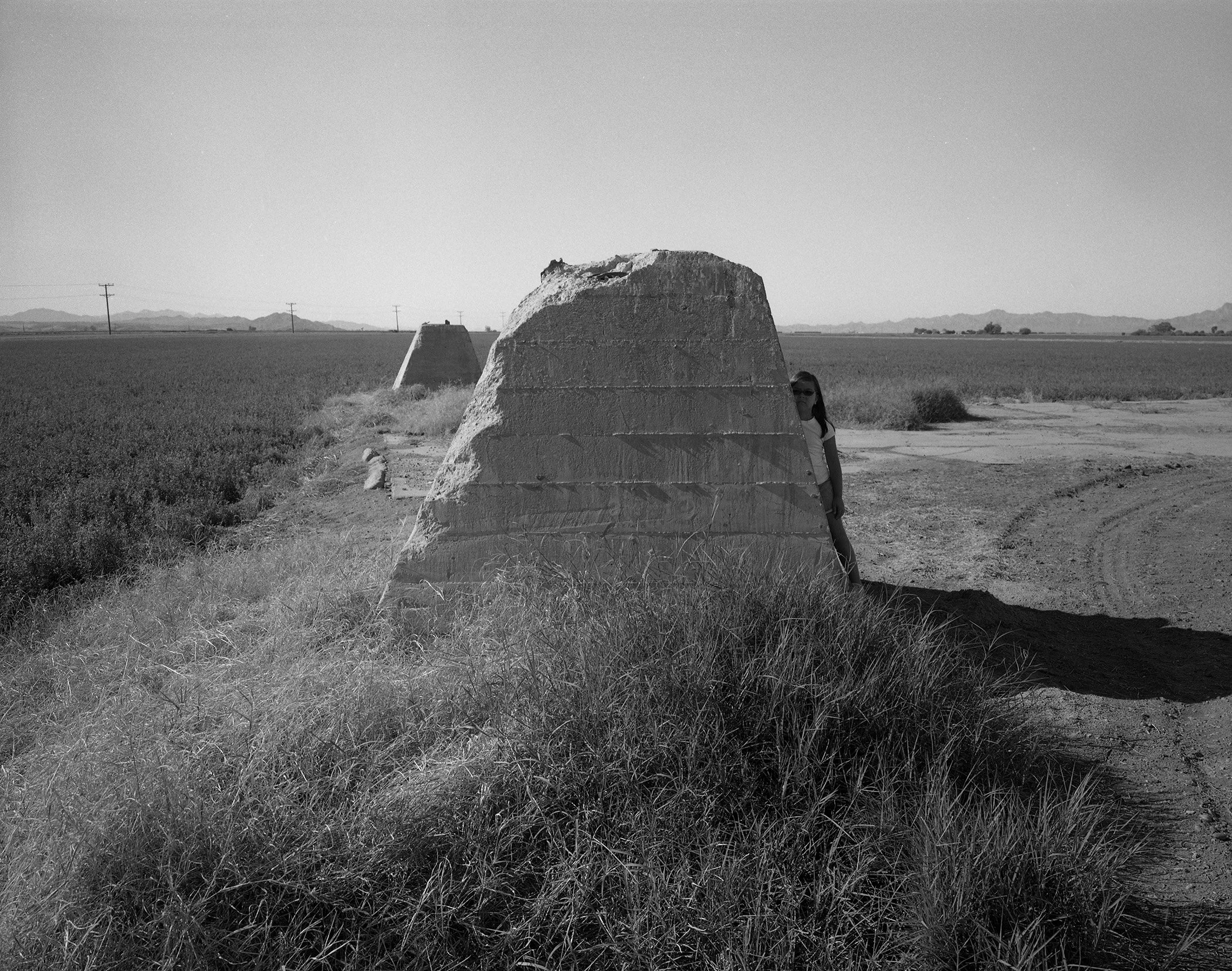
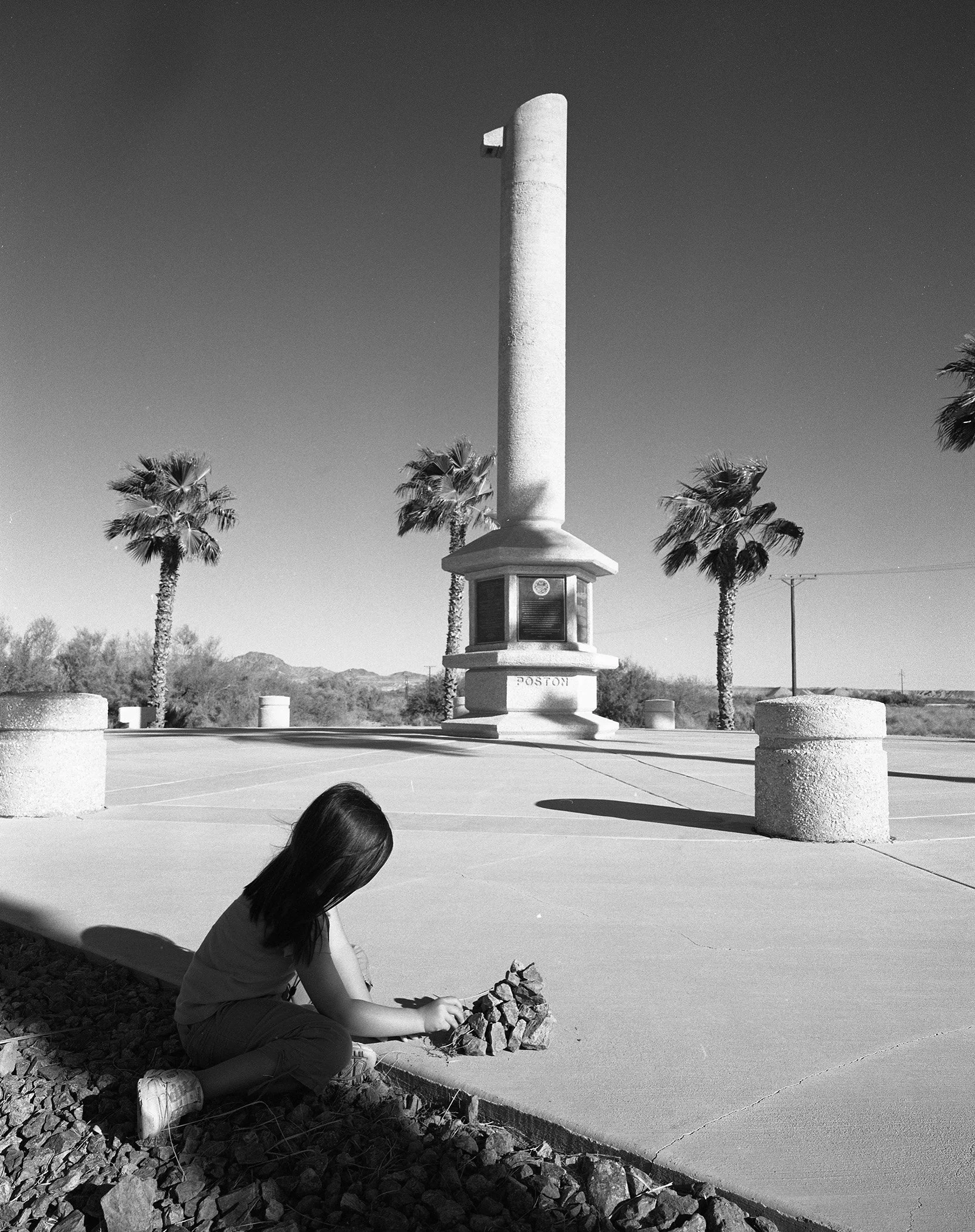
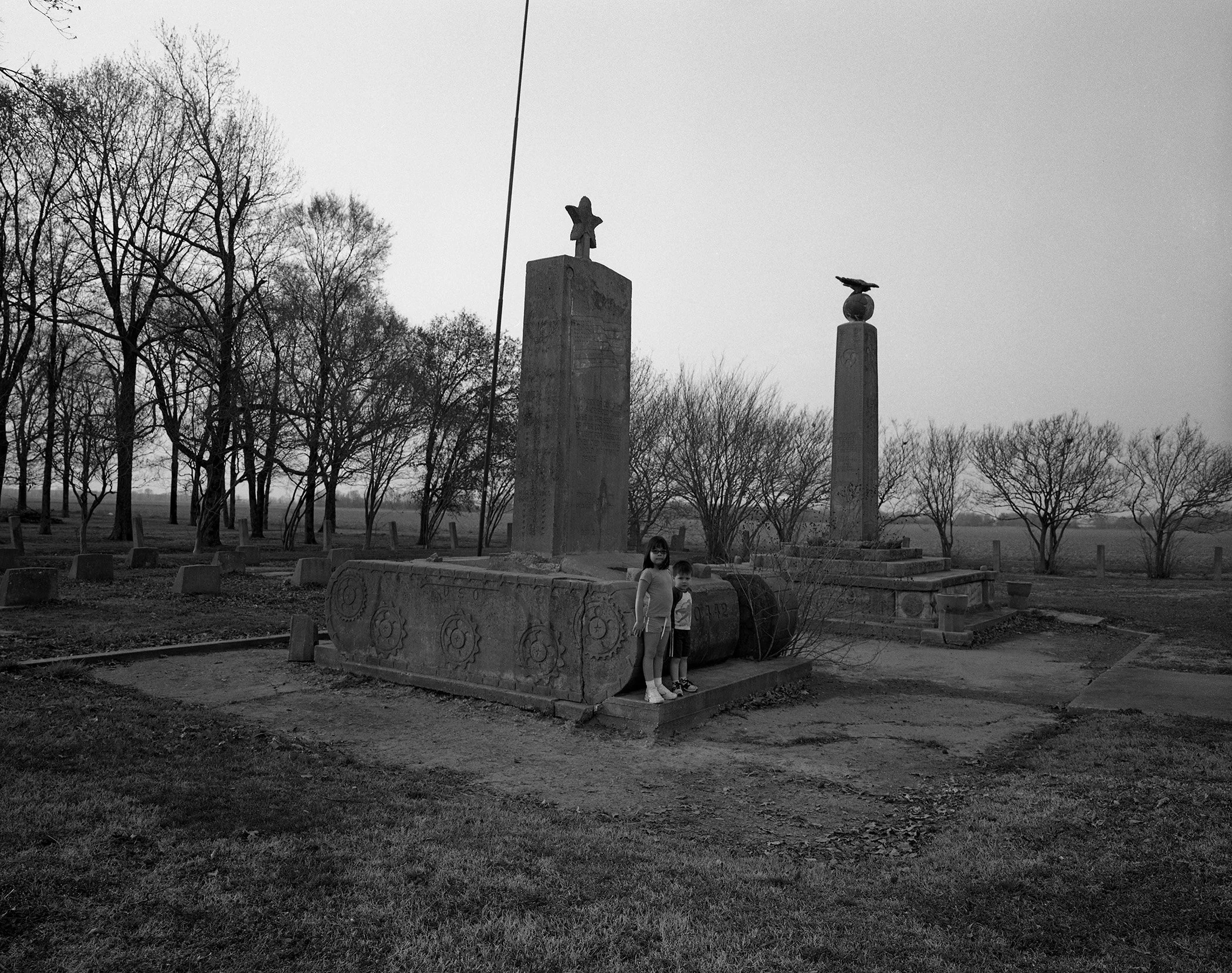
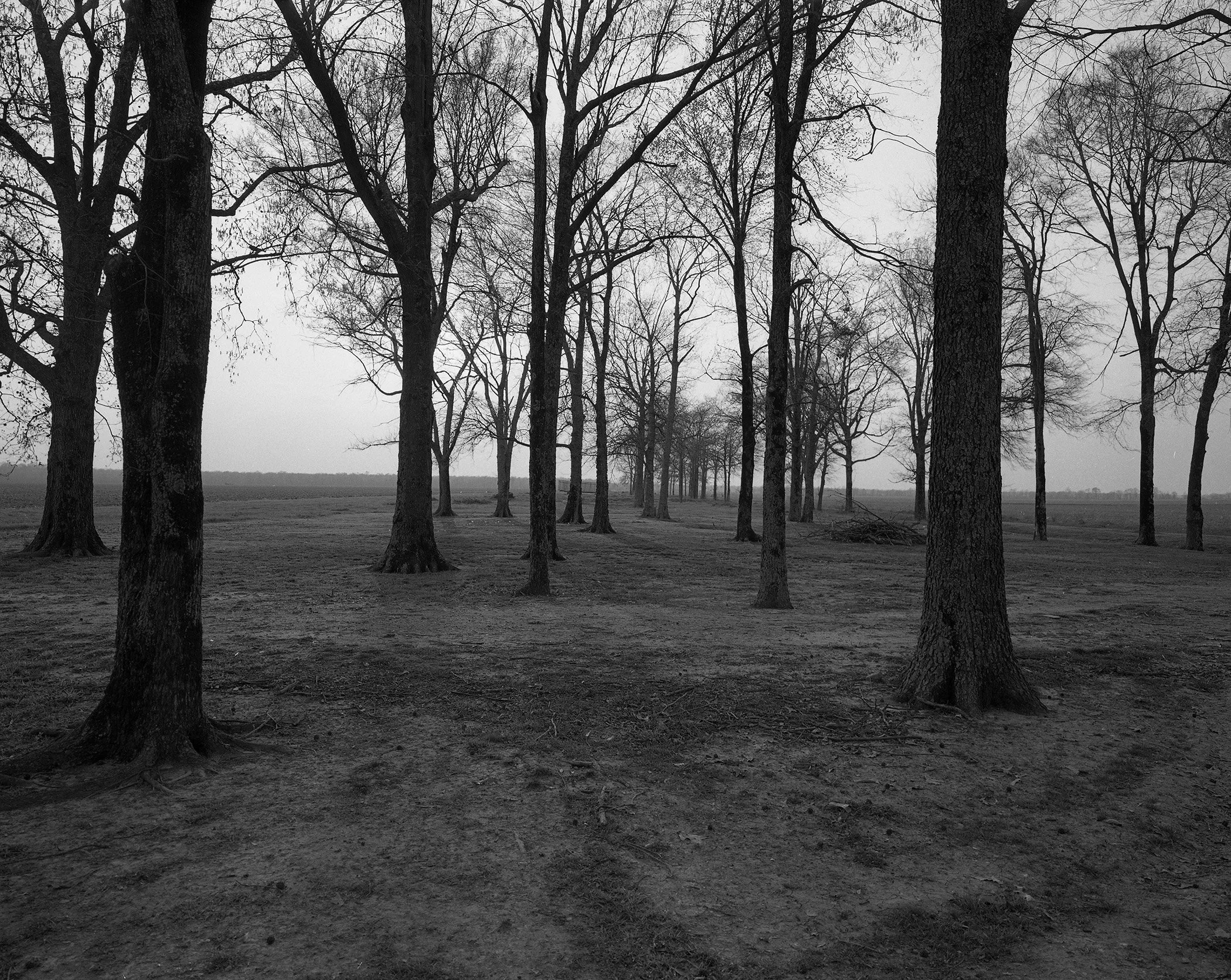
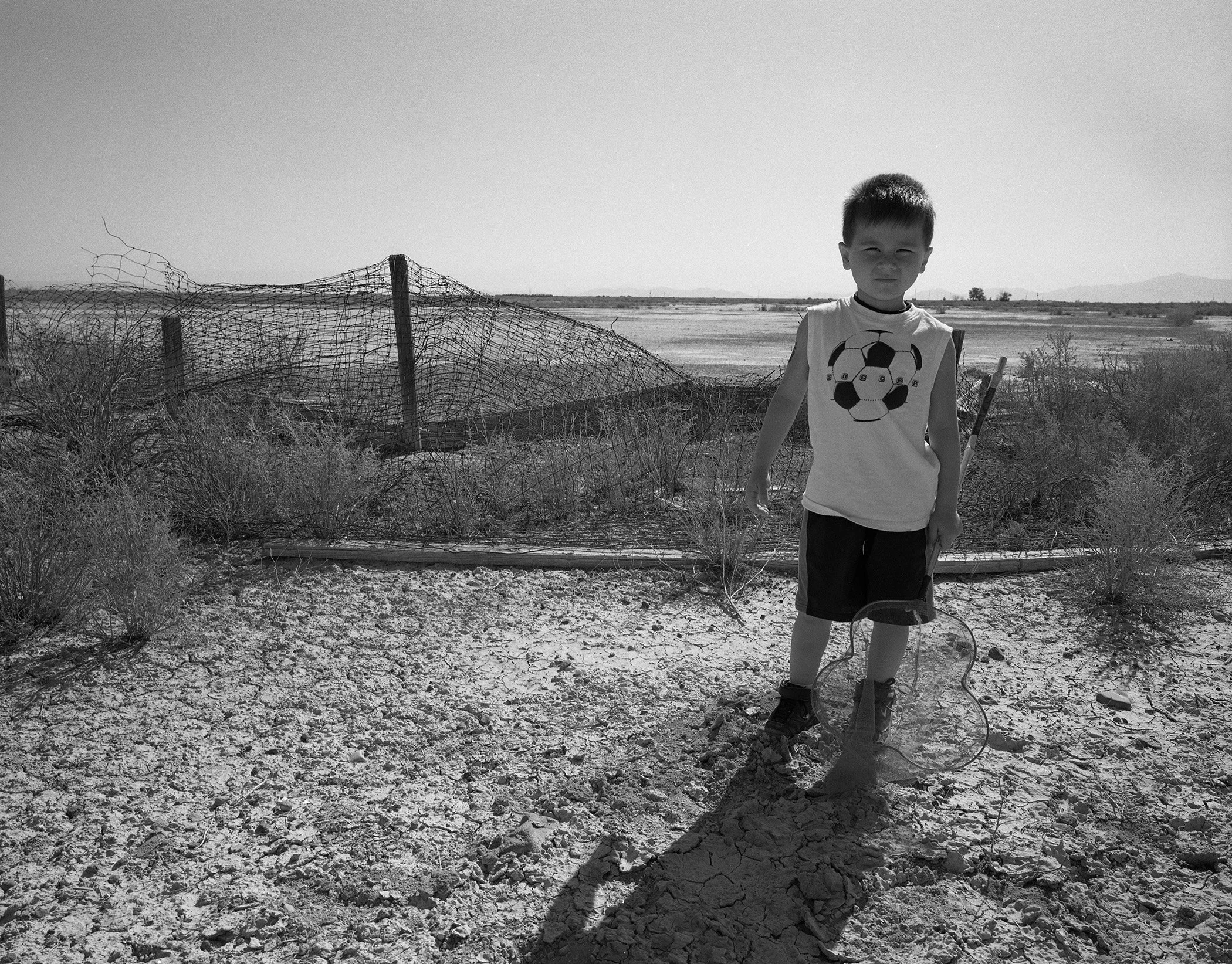
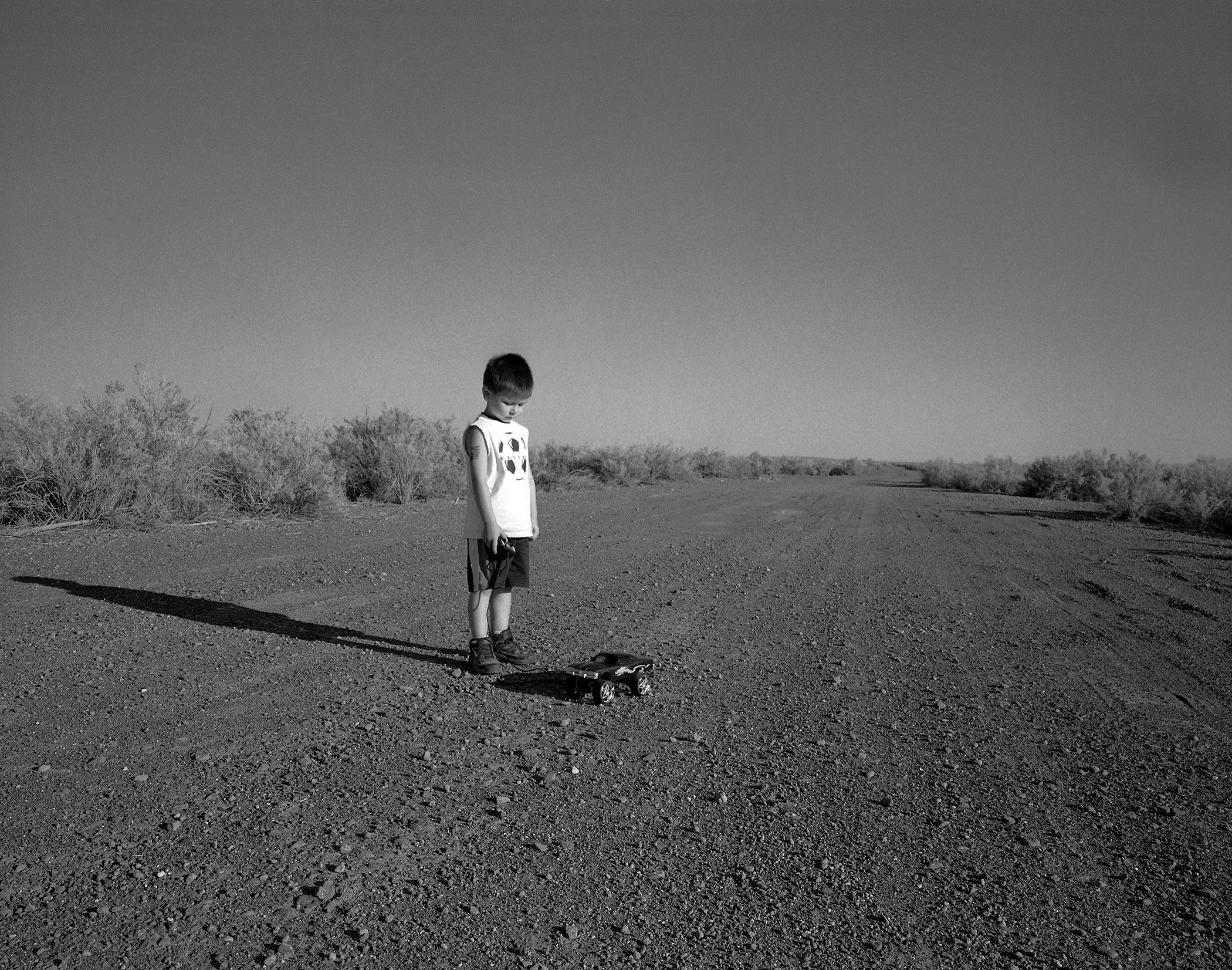
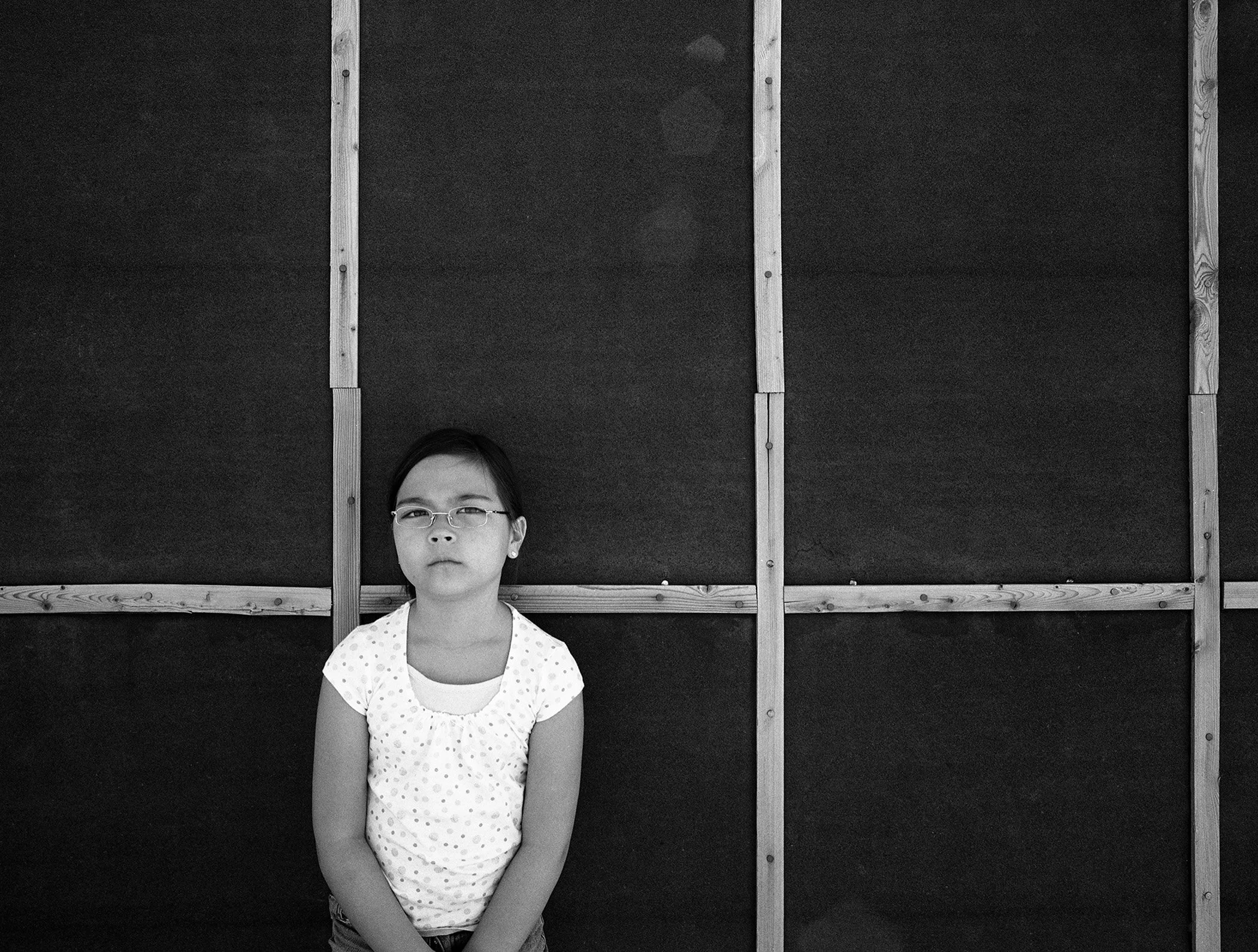
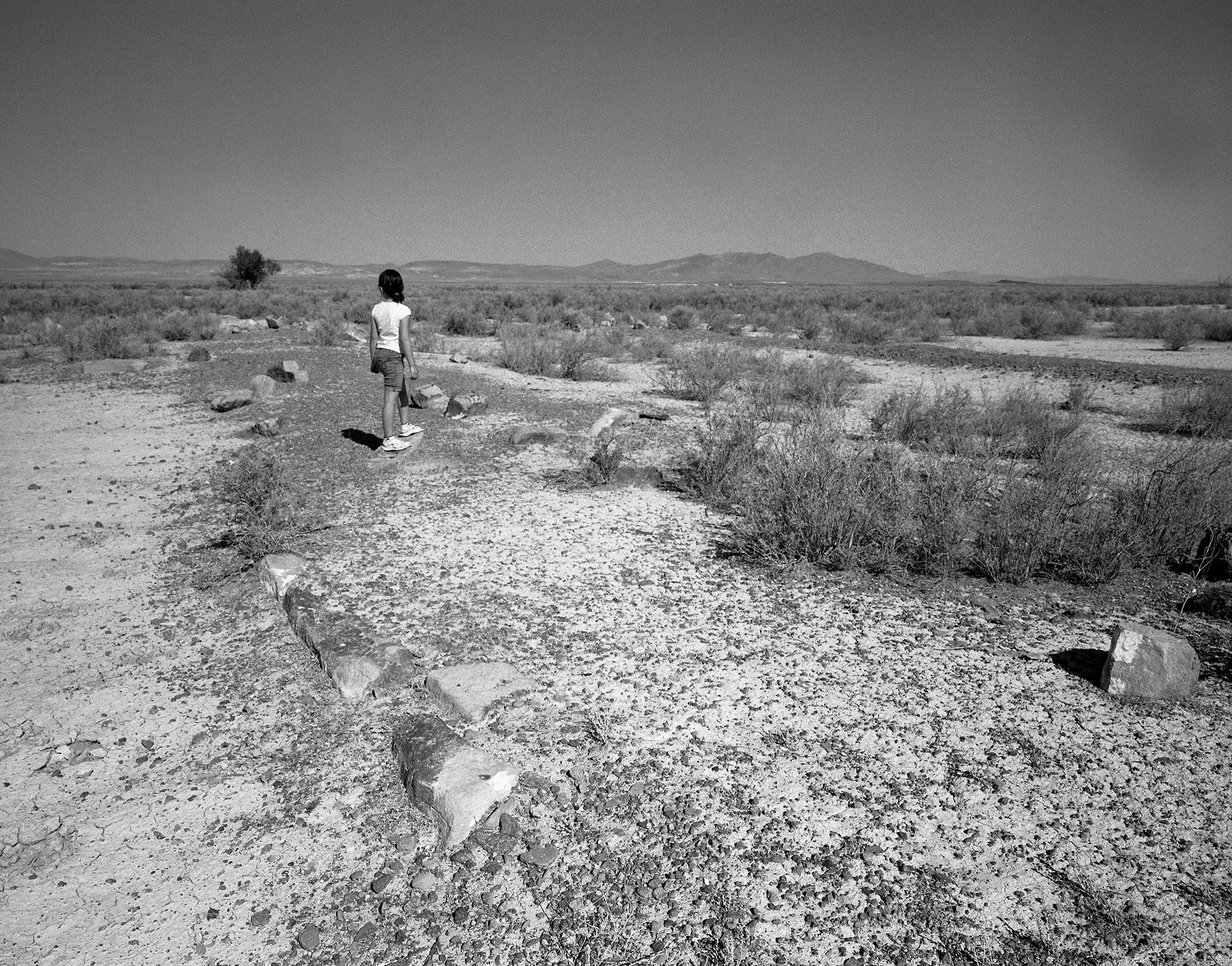
Artifacts: The Road to Manzanar pairs fine art photographs taken at the remains of the ten Japanese Incarceration Camps by art professor Jon Yamashiro with a narrative in text by award-winning novelist Brian Ascalon Roley.
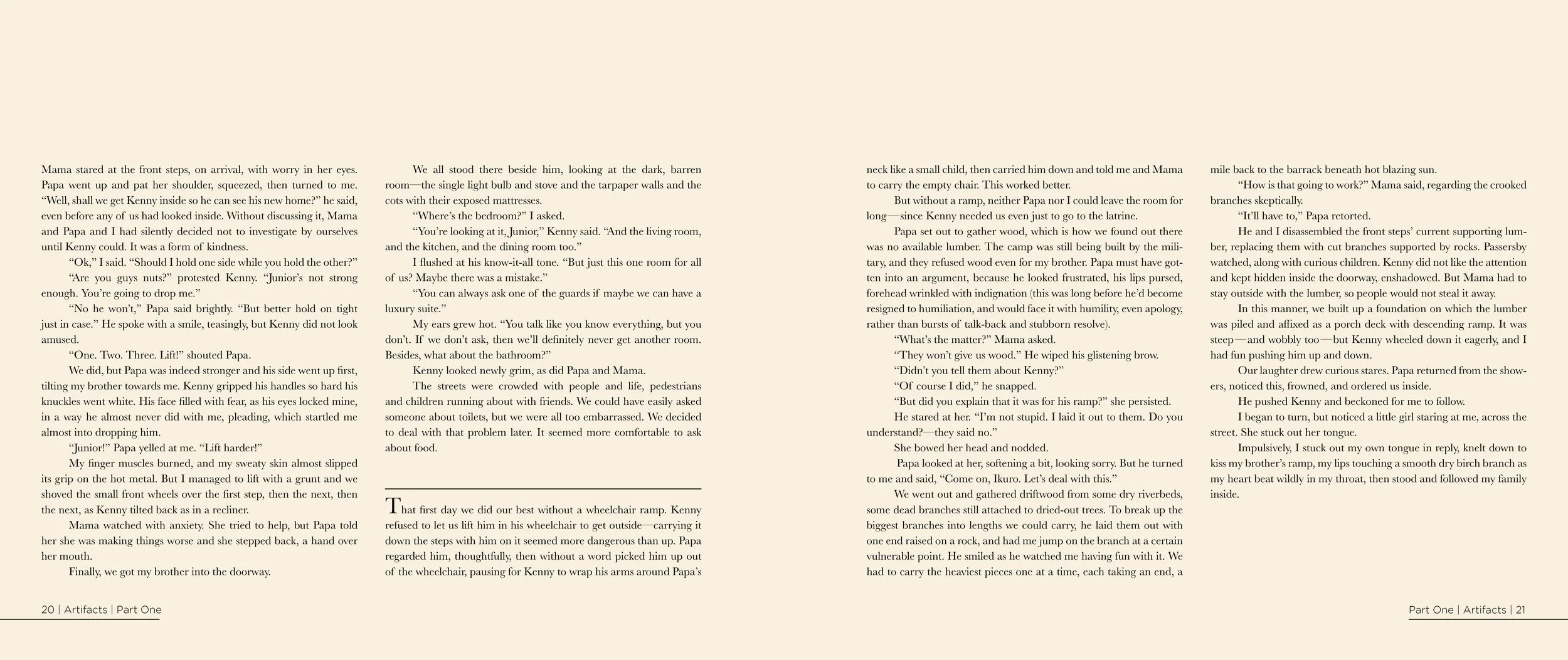
It’s a collaborative work of fiction and photography, about a Japanese American family with a disabled son who are sent to the infamous Japanese American Incarceration Camp, Manzanar, during World War Two. The emotions of being forced to leave their home in Seattle are compounded and complicated by the difficulties of raising a disabled boy in a city made by the U.S. Army not designed for accessibility, as well as difficulties integrating into their new community. These sections, set in the past, are narrated by the boy’s shy yet protective younger brother, Ikuro.
This book is also about the enduring emotional repercussions of a half century later.
An interwoven, framing narrative line takes place in roughly contemporary times. Ikuro, now an ailing, elderly man living in Chicago, is haunted by dreams of his brother who died in Manzanar. He wakes up, walks out the second floor window, and incurs injuries that permanently disable him. Like his brother had been in childhood, he is now confined to a wheelchair. It triggers traumatic memories of the past, and he understands the psychological difficulty of his brother’s experiences better.
Like many survivors of the camps, Ikuro will not speak of his experiences there to anyone, including his son and son’s family. He has become a distant man, full of regret and, oddly, shame.
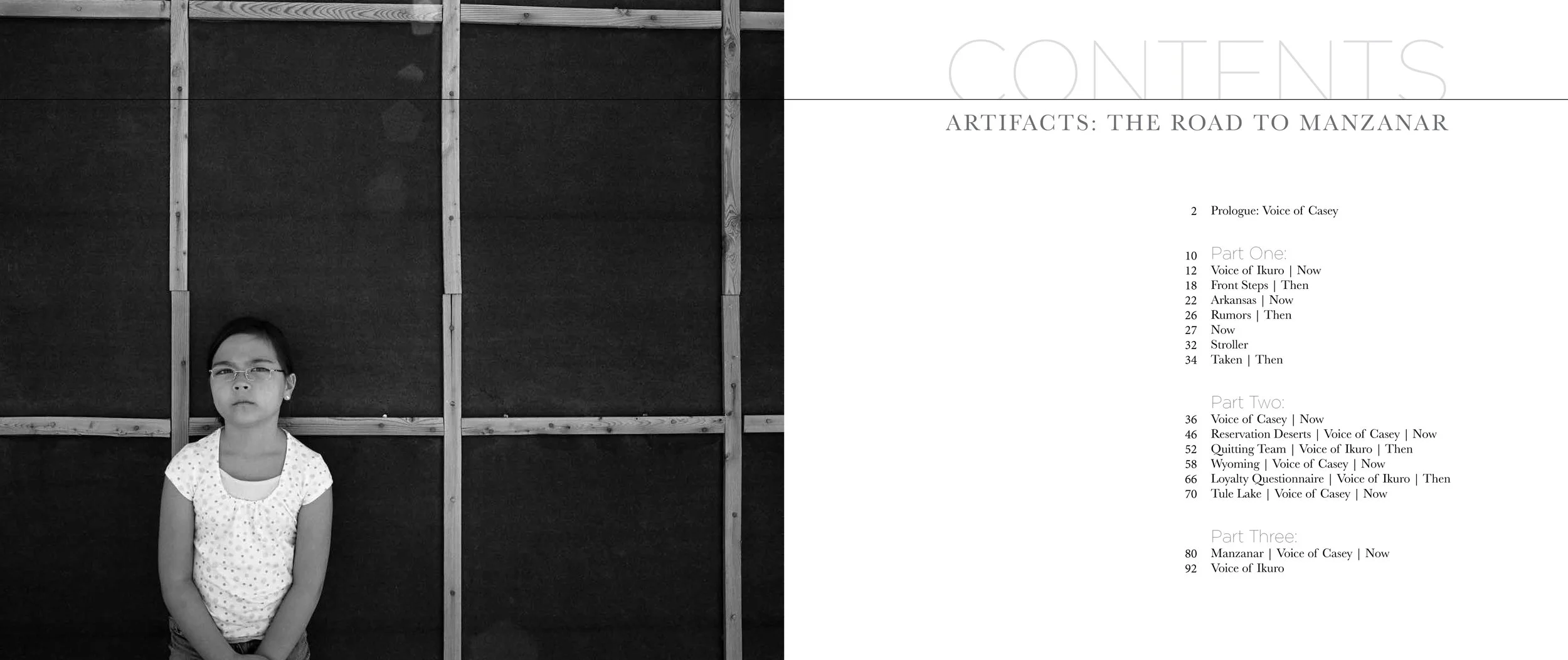
However, Ikuro’s son drags his reluctant family and father on a road trip to visit all the camps (spread out from Arkansas to California); he wishes for his Americanized children to know something of their heritage; but he also wants them to get to know their grandfather before he dies. The grandchildren are surprised to find that many of the camps (which were entire cities) are in ruin, neglected, sometimes difficult to find. Alternative chapters are narrated by Ikuro’s troubled, difficult teenage granddaughter Casey, and by Ikuro himself.
Distinctiveness
While other books have been set in the Japanese American Internment Camps, no books about the camps combine multi-layered narratives created by fine art photographs and fictional text that will appeal to a broad range of readers. Moreover, this book is as much a disability narrative and will appeal to a variety of classroom syllabi.
Audience and Market
This book will appeal to a wide range of readers. The main characters in the historical sections are a disabled teenage boy (Kenny) and his younger brother (Ikuro). Since Ikuro narrates from an old age, it combines young and old perspectives. Moreover, a second narrator is a struggling biracial teenage girl in present times.
The mixture of childhood concerns, and those of adults, will appeal to young adults, older adults, and school age children and their teachers.
Because this book can provide the basis for a wide range of discussions on immigration, history, race, disability and visual literacy, we feel that the book will appeal to educators for classroom adoption. Moreover, Brian Ascalon Roley’s first book (AMERICAN SON, WW Norton) has been taught widely, from inner-city high schools to doctoral literature seminars at Stanford, so there are many educators who are familiar with his work.
Recent events make this book an especially timely release. Concerns over world instability and terrorism fears about Muslim migrants have their parallels to the treatment of Japanese Americans during WWII following the bombing of Pearl Harbor. WWII era films and books, from Band of Brothers to The Man in the High Castle, have reached large audiences. Moreover, this year marks the 75th anniversary of the opening of the camps.
About The Authors
Jon Yamashiro
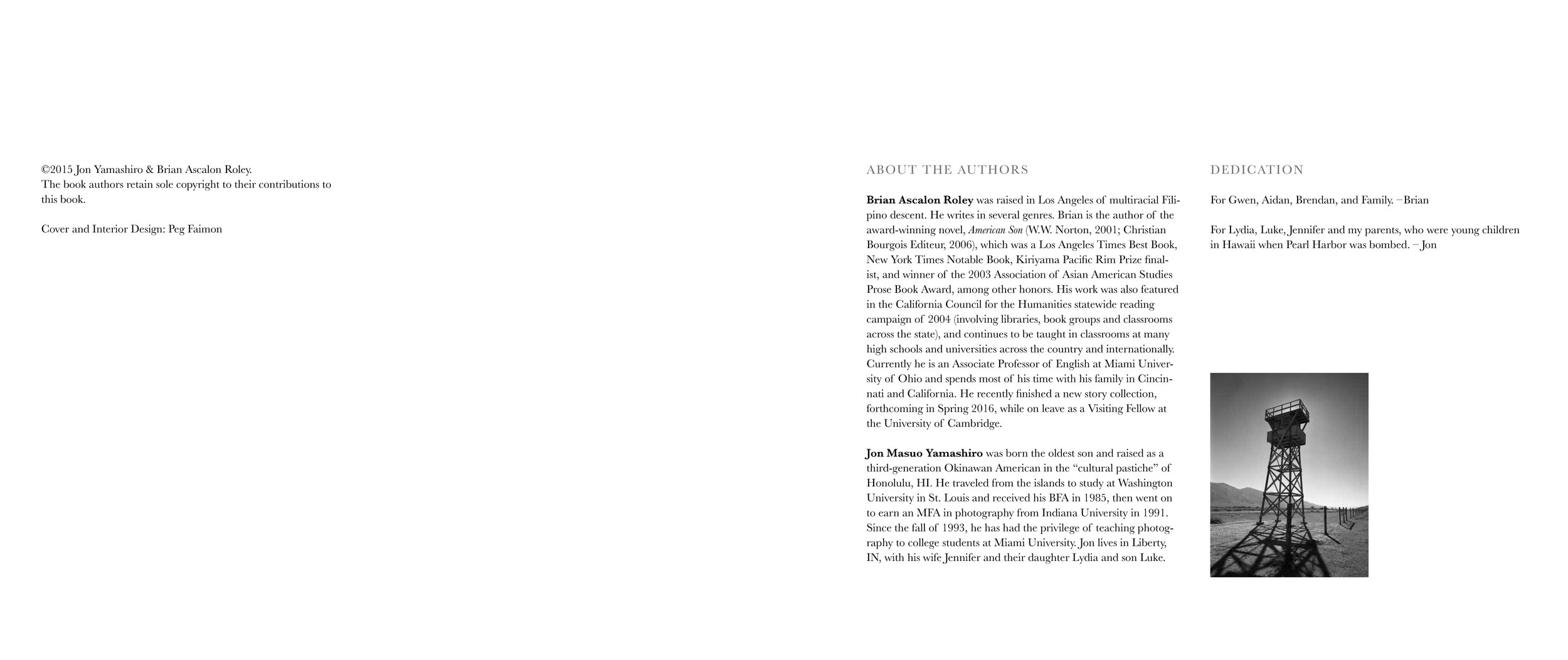
Jon Masuo Yamashiro was born the oldest son and raised as a third generation Okinawan American in the “cultural pastiche” of Honolulu, Hawaii. He traveled from the islands to study at Washington University in St. Louis and received his BFA in 1985, then went on to earn an MFA in photography from Indiana University in 1991. He has exhibited his photographs in solo, group and juried shows nationally and internationally. Since the fall of 1993, he has had the privilege of teaching photography to college students at Miami University. In 2009, he was awarded the prestigious Effective Educator award by the Alumni Association at Miami University. Jon lives in Liberty, Indiana with his wife Jennifer and their daughter Lydia and son Luke.
Brian Ascalon Roley
Brian Ascalon Roley was raised in Los Angeles of multiracial Filipino descent. He writes in several genres. Brian is the author of the award-winning novel, American Son (W.W. Norton, 2001; Christian Bourgois Editeur, 2006), which was a Los Angeles Times Best Book, New York Times Notable Book, Kiriyama Pacific Rim Prize finalist, and winner of the 2003 Association of Asian American Studies Prose Book Award, among other honors. His work was also featured in the California Council for the Humanities statewide reading campaign of 2004 (involving libraries, book groups and classrooms across the state), and continues to be taught in classrooms at many high schools and universities across the country and internationally. Currently he is an Associate Professor of English at Miami University of Ohio and spends most of his time with his family in Cincinnati and California. He recently finished a new story collection, The Last Mistress of Jose Rizal, forthcoming in Spring 2016, while on leave as a Visiting Fellow at the University of Cambridge.