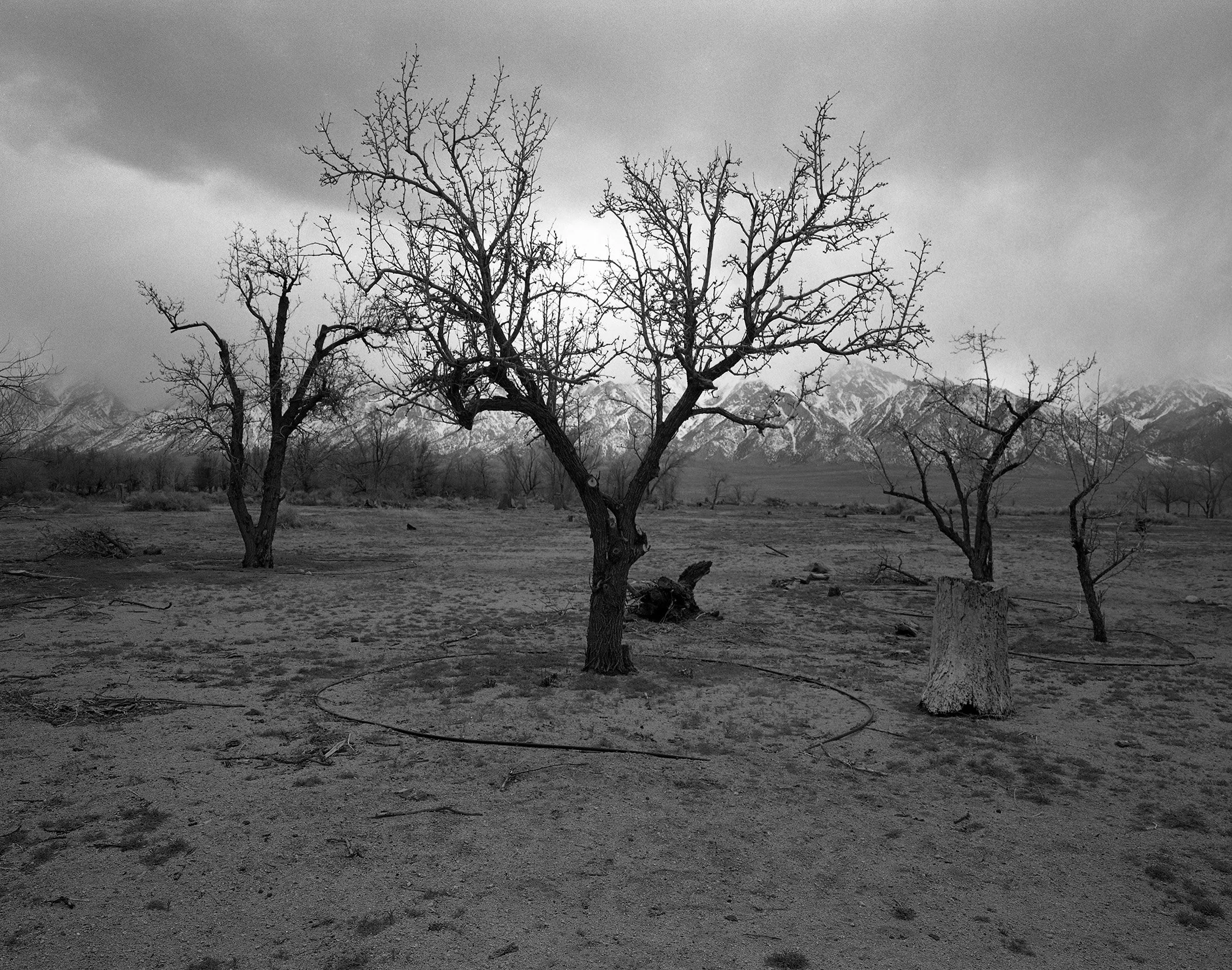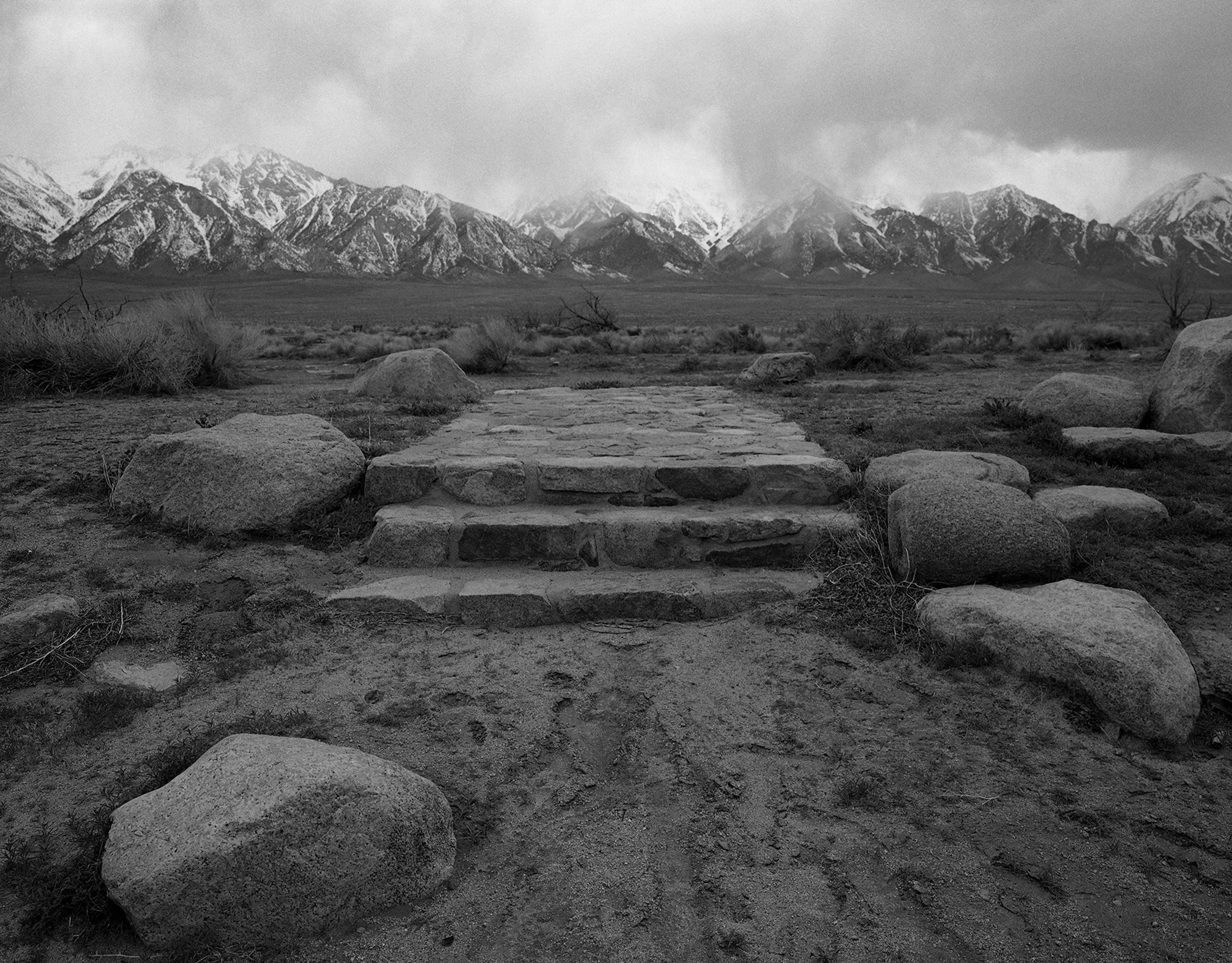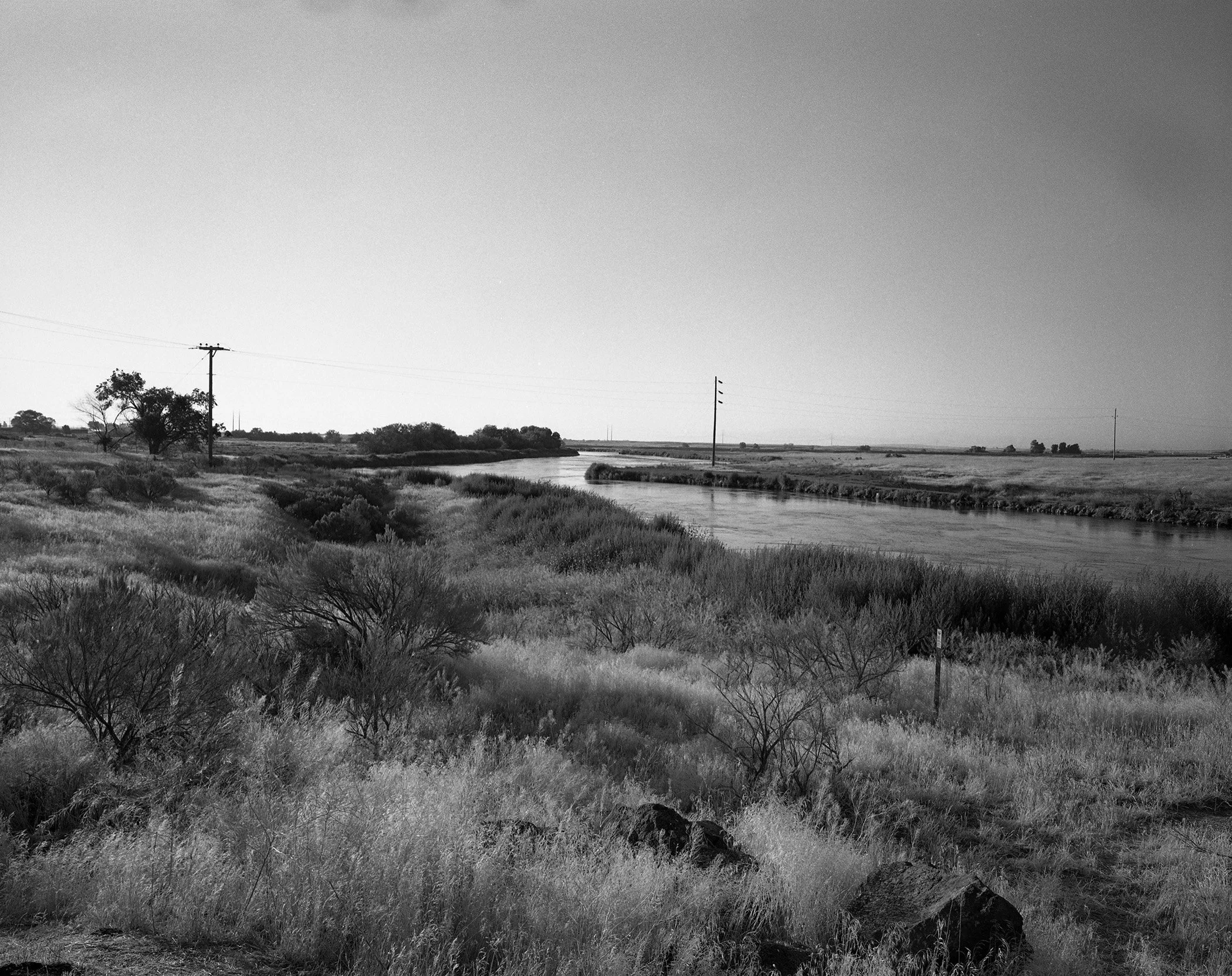
WWII Incarceration Camps
2007-2017
The Way We Look
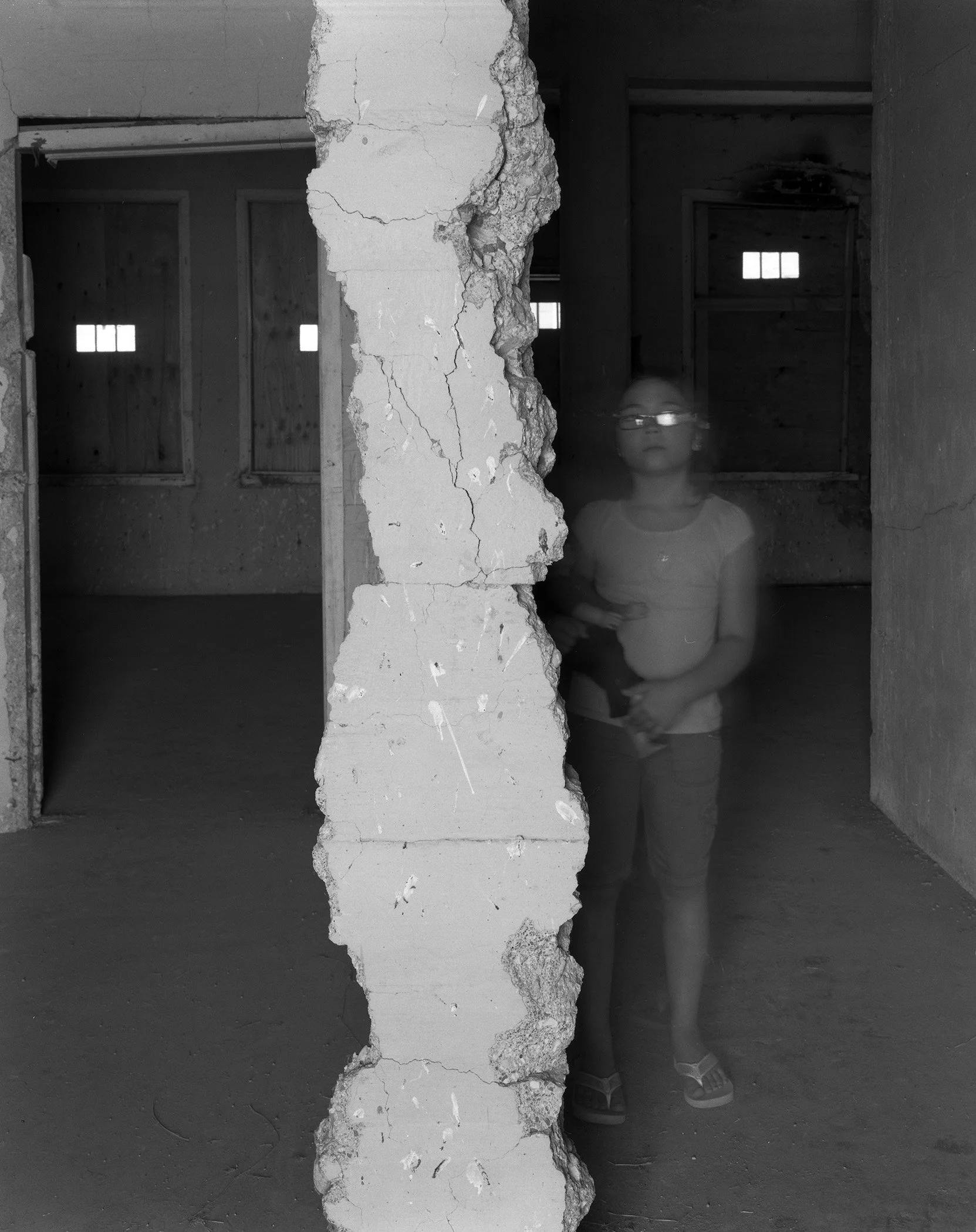
I am of Japanese ancestry and was born and raised in Hawaii. My wife is of German descent and grew up in Wisconsin. When our 9-year old daughter was in third grade she came home one day really upset. She said her friends insisted that her mom wasn’t really her mom because they didn’t look alike. My wife explained to our daughter that she looked Japanese and Lydia was shocked. She was finally confronted with her “hapa” background and began the complicated negotiation of identity and race in America.
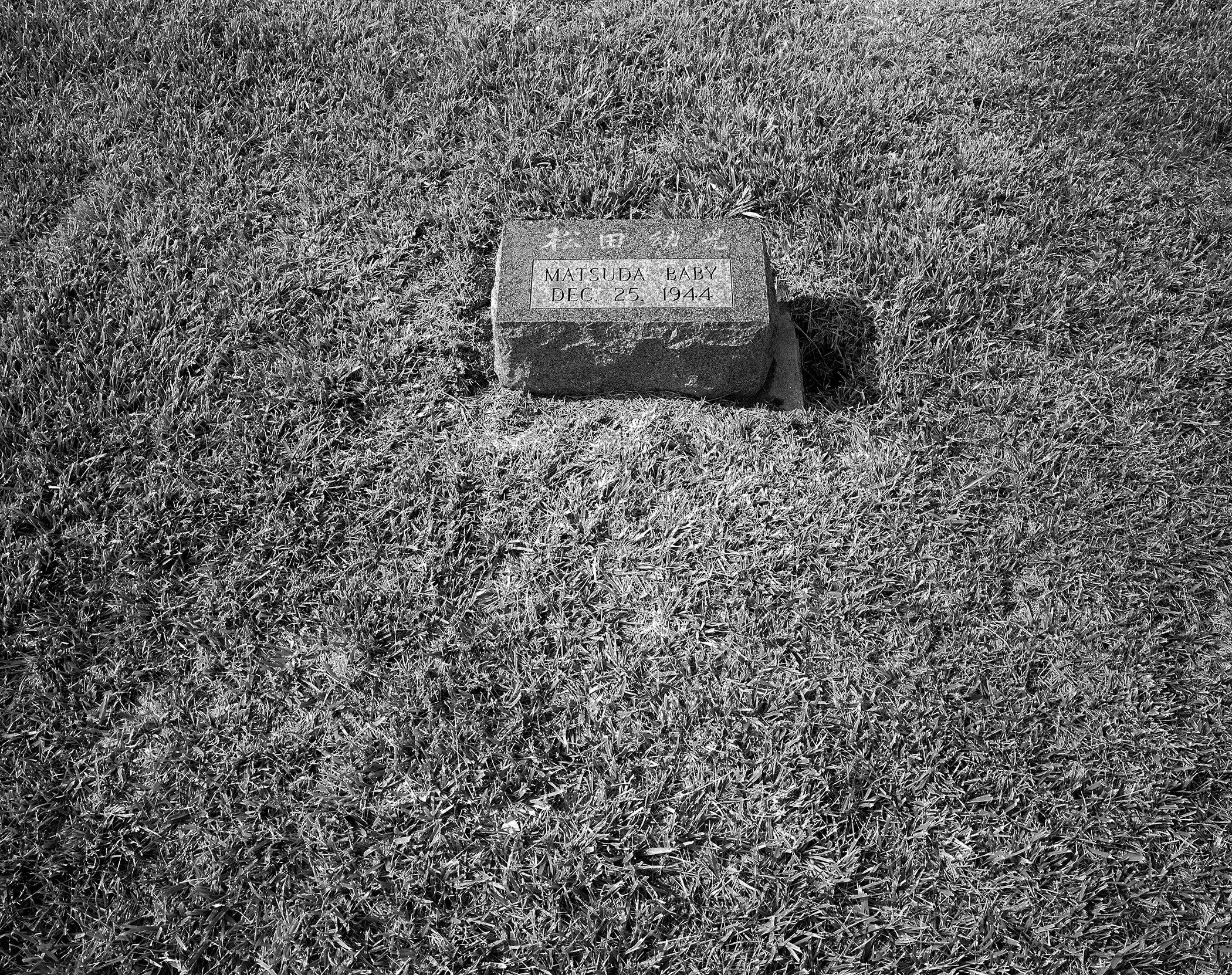
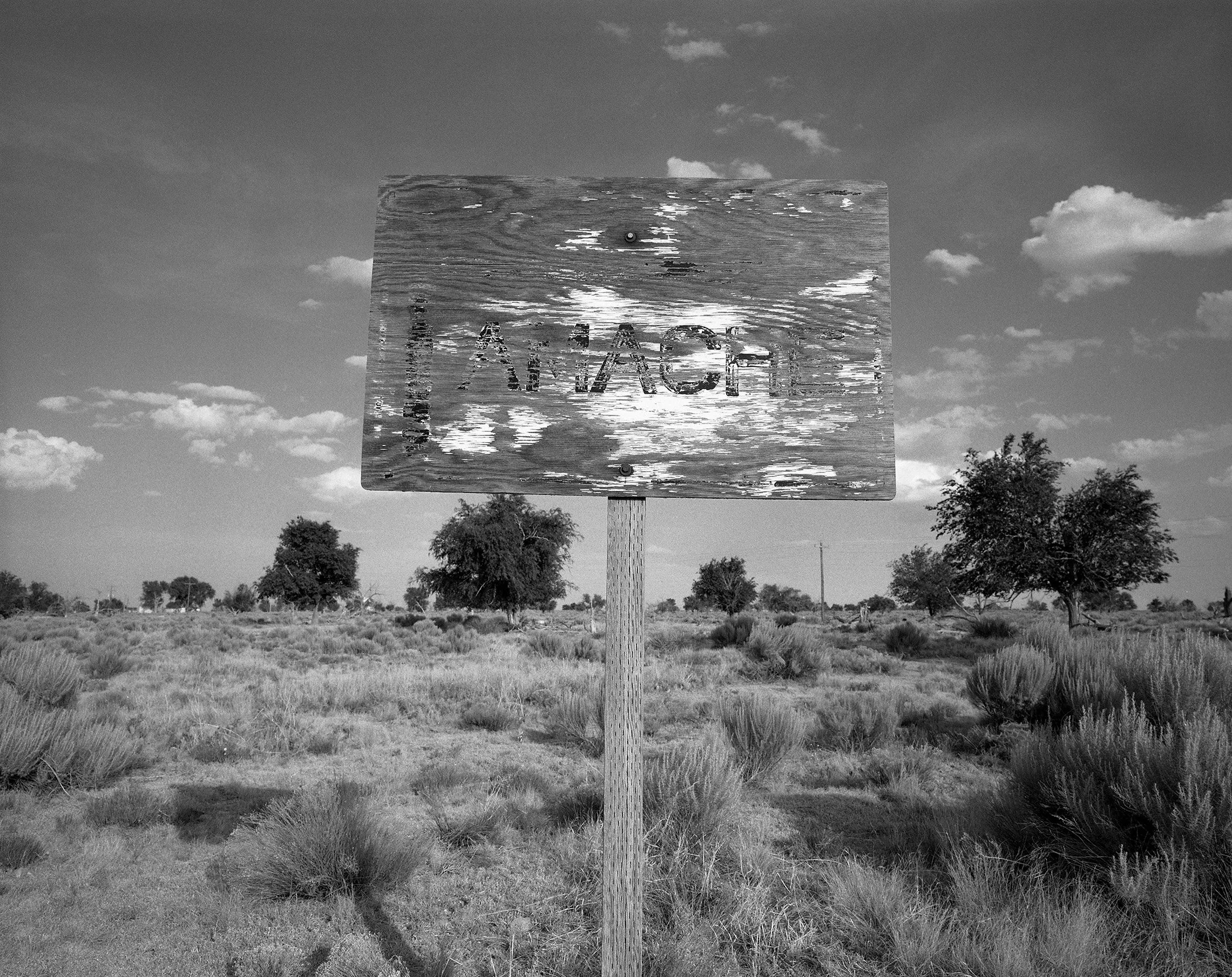
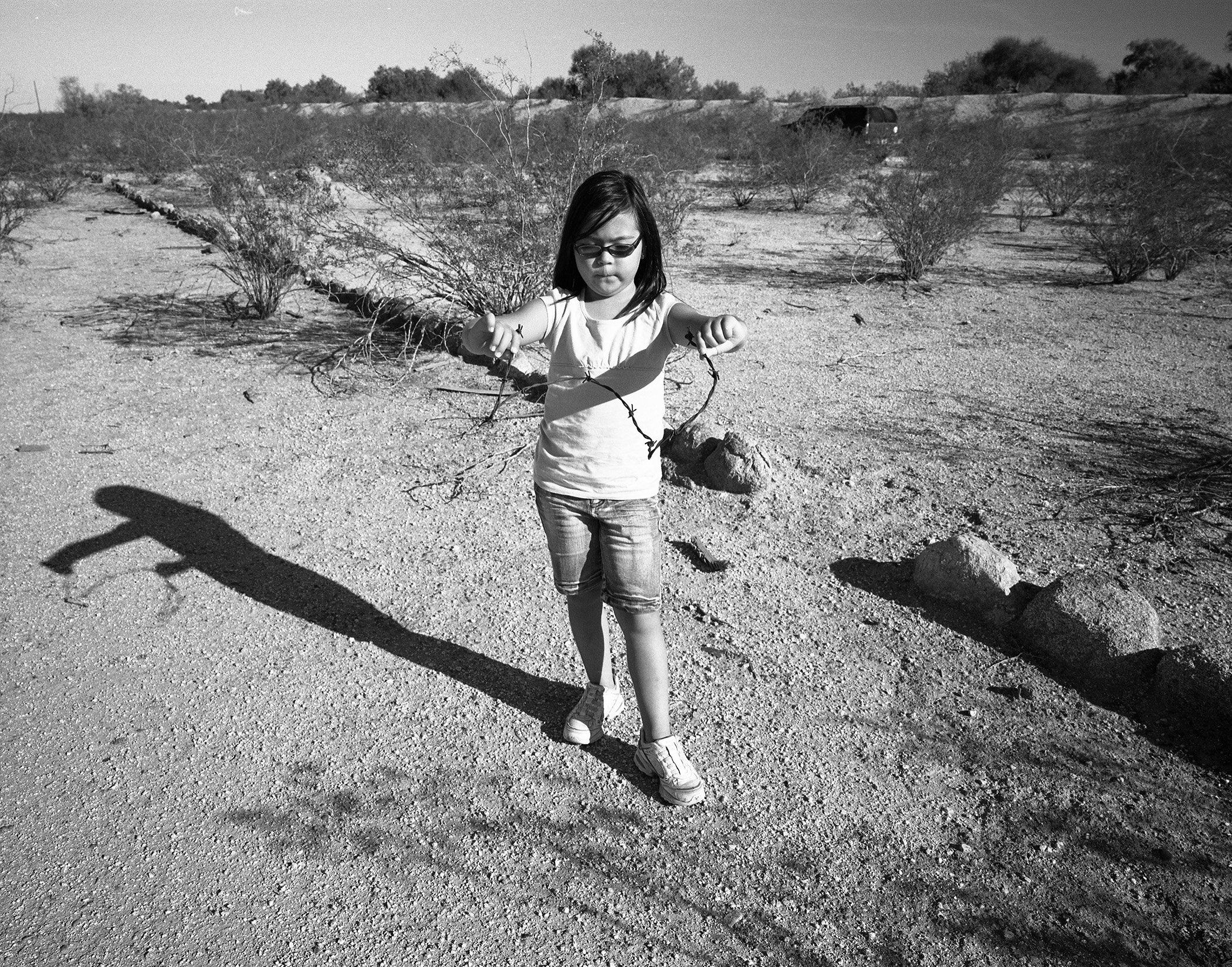
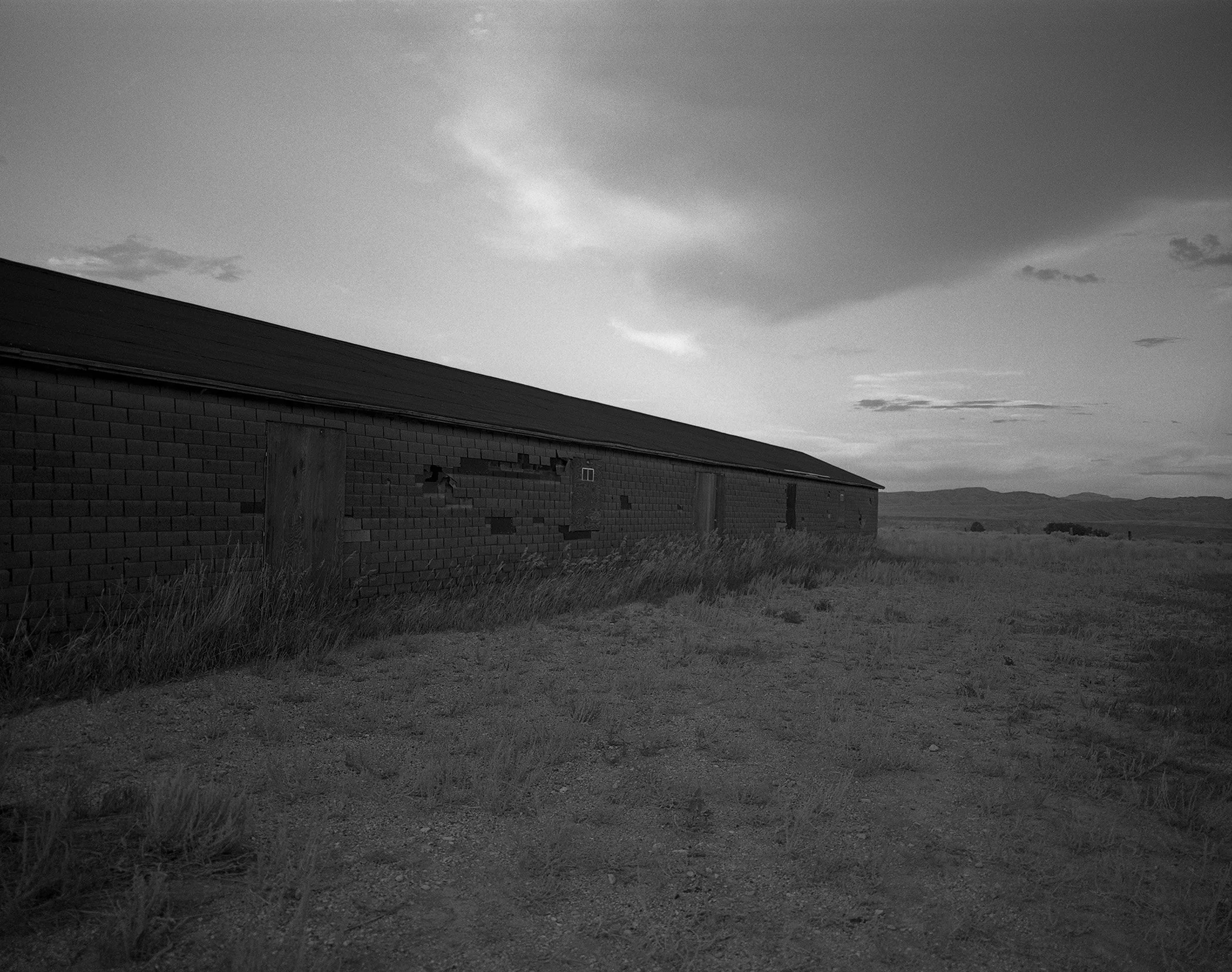
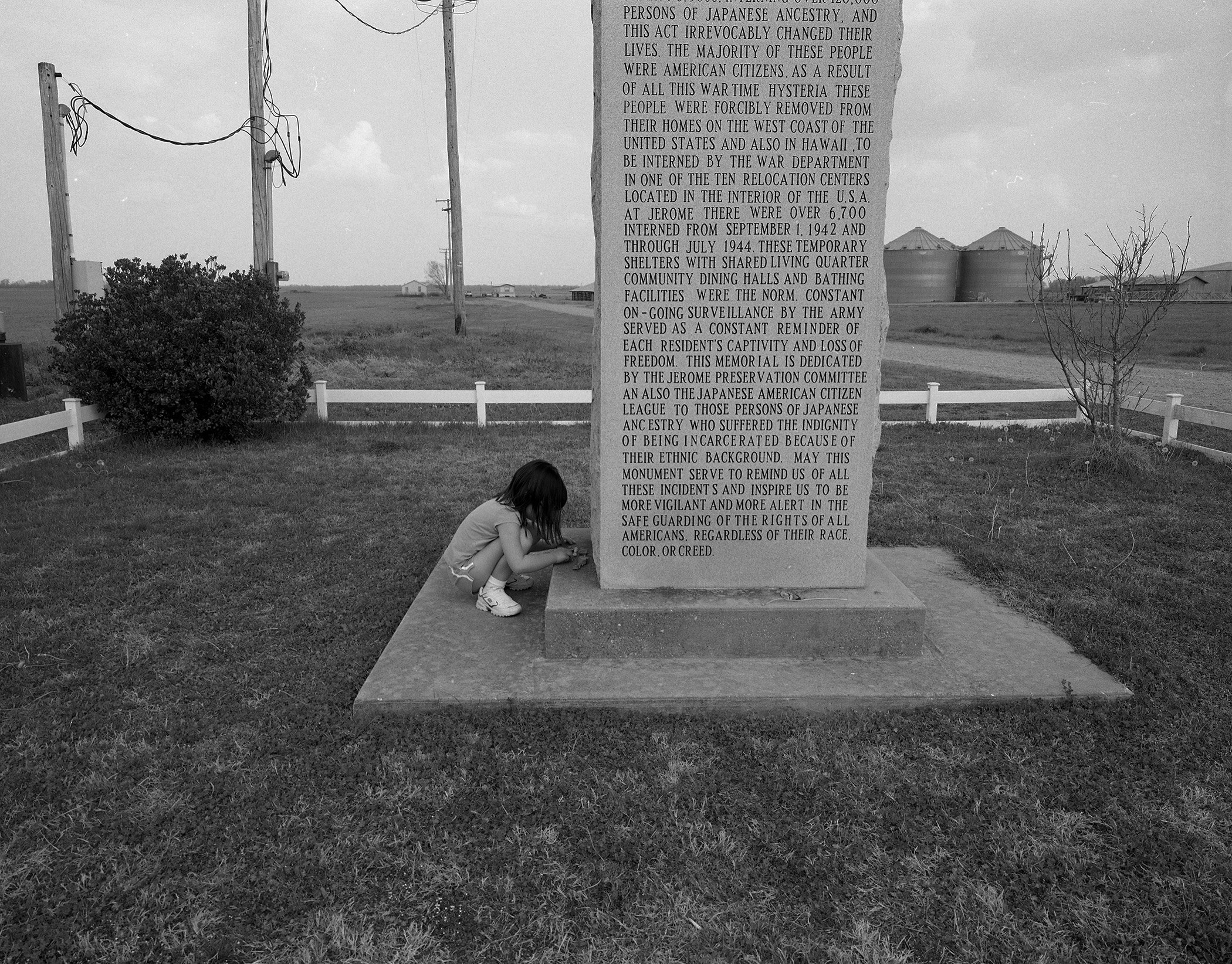
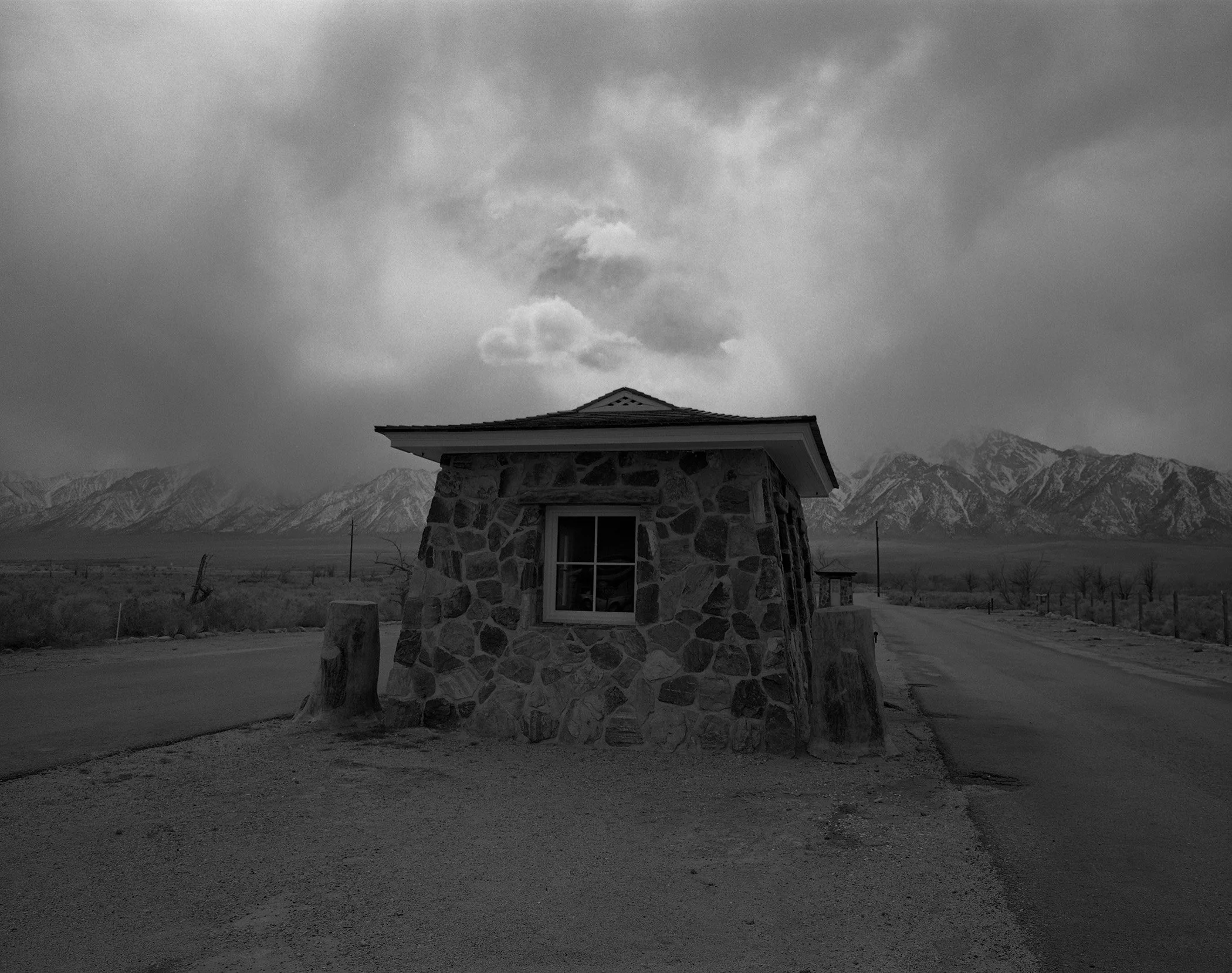
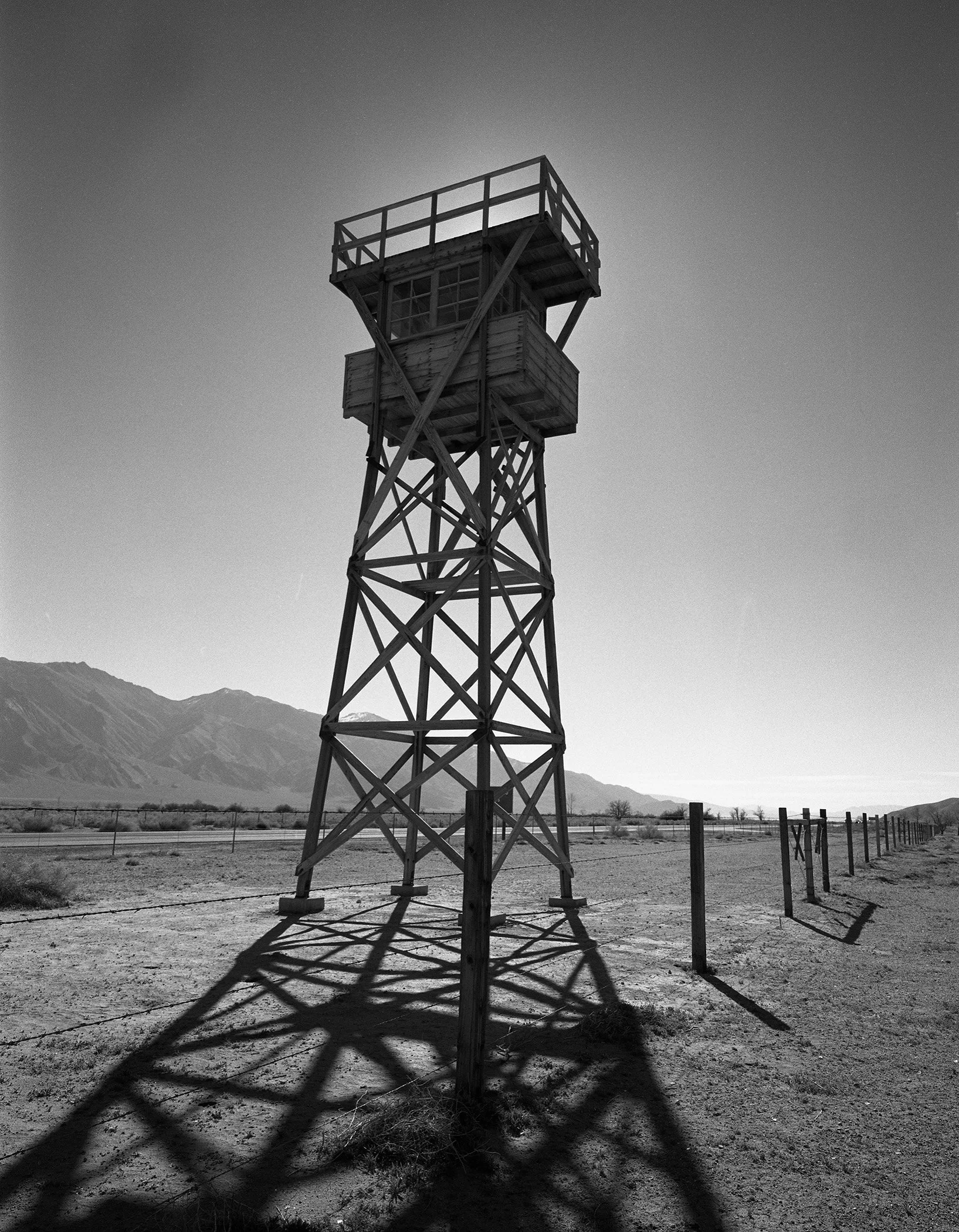
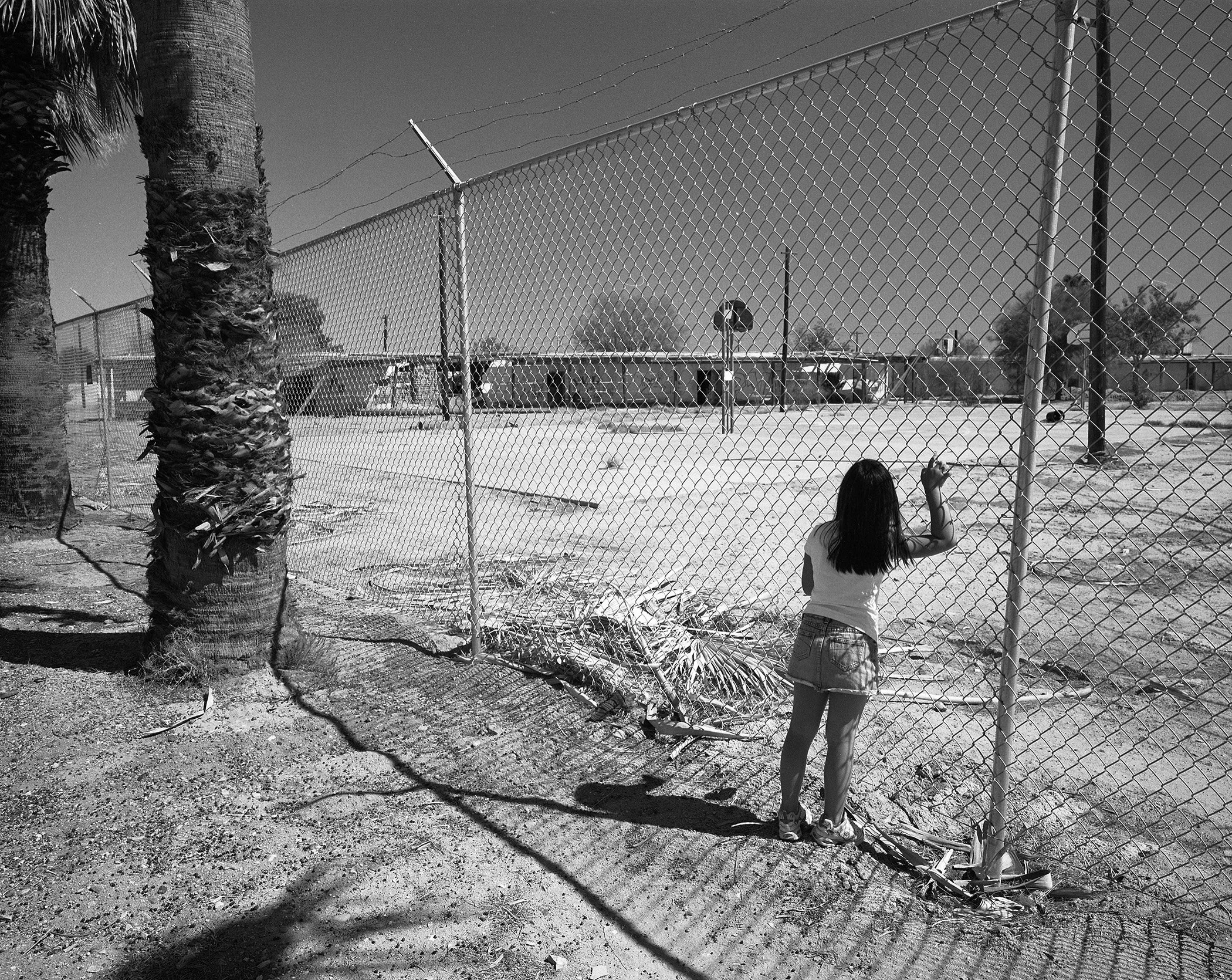
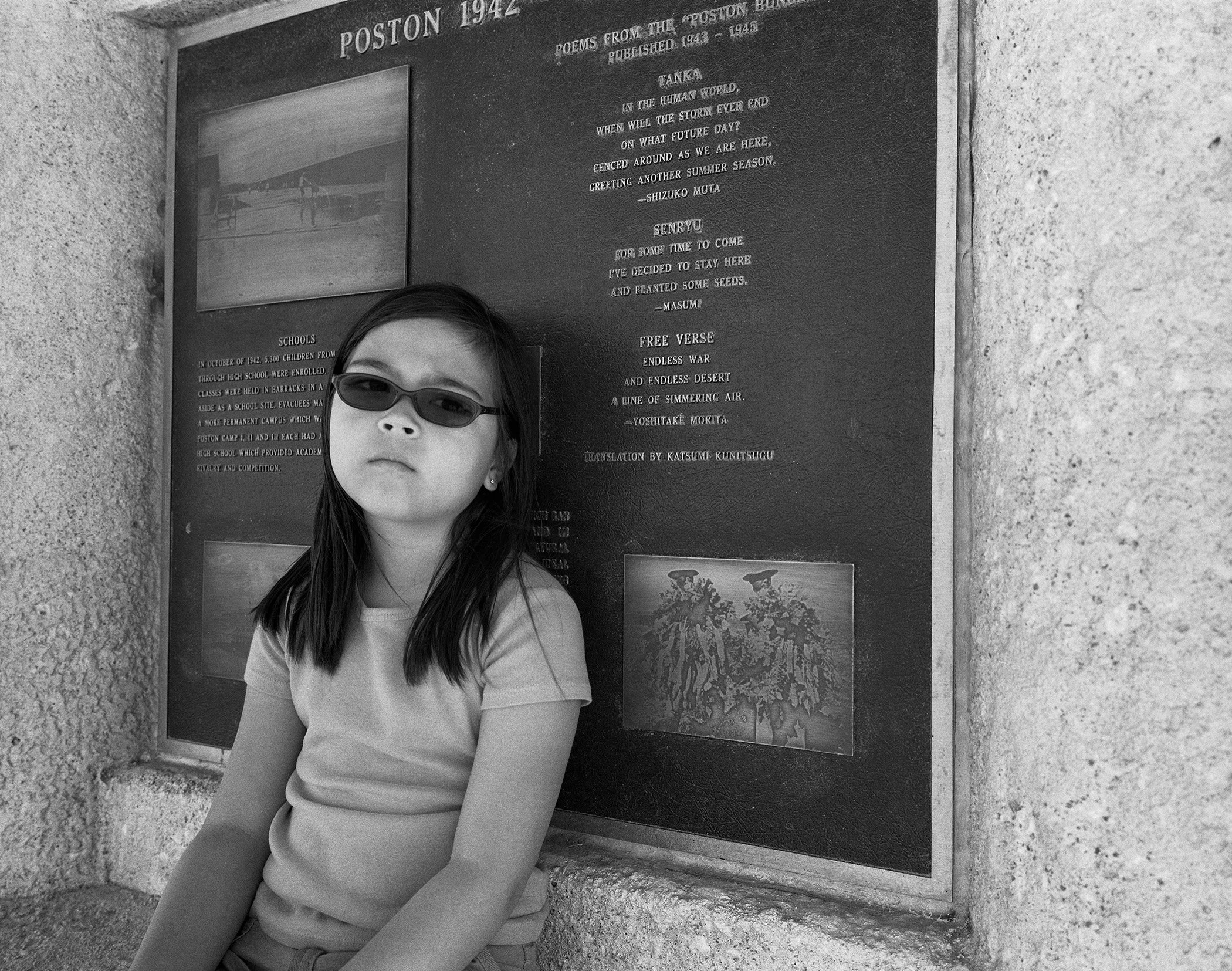
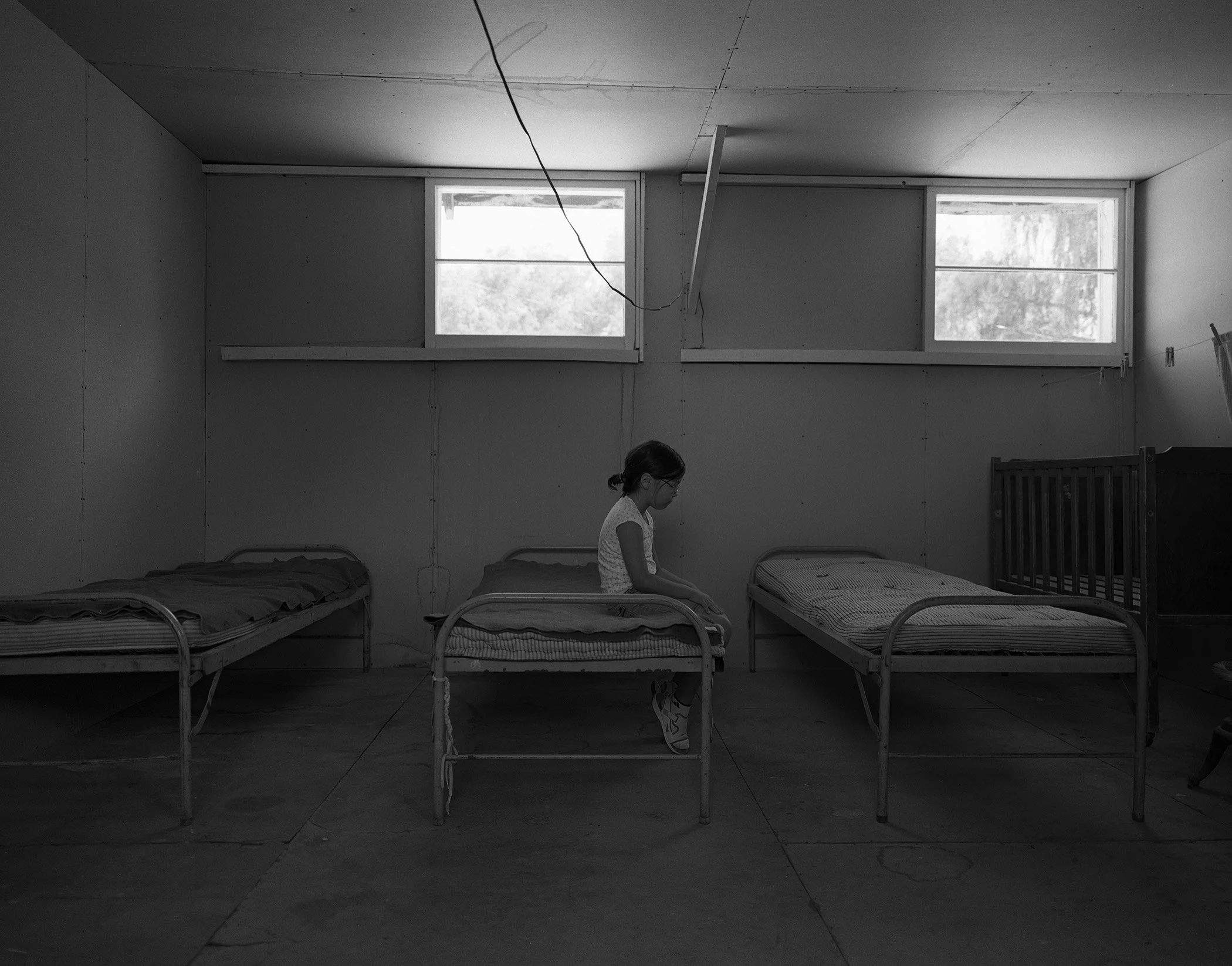
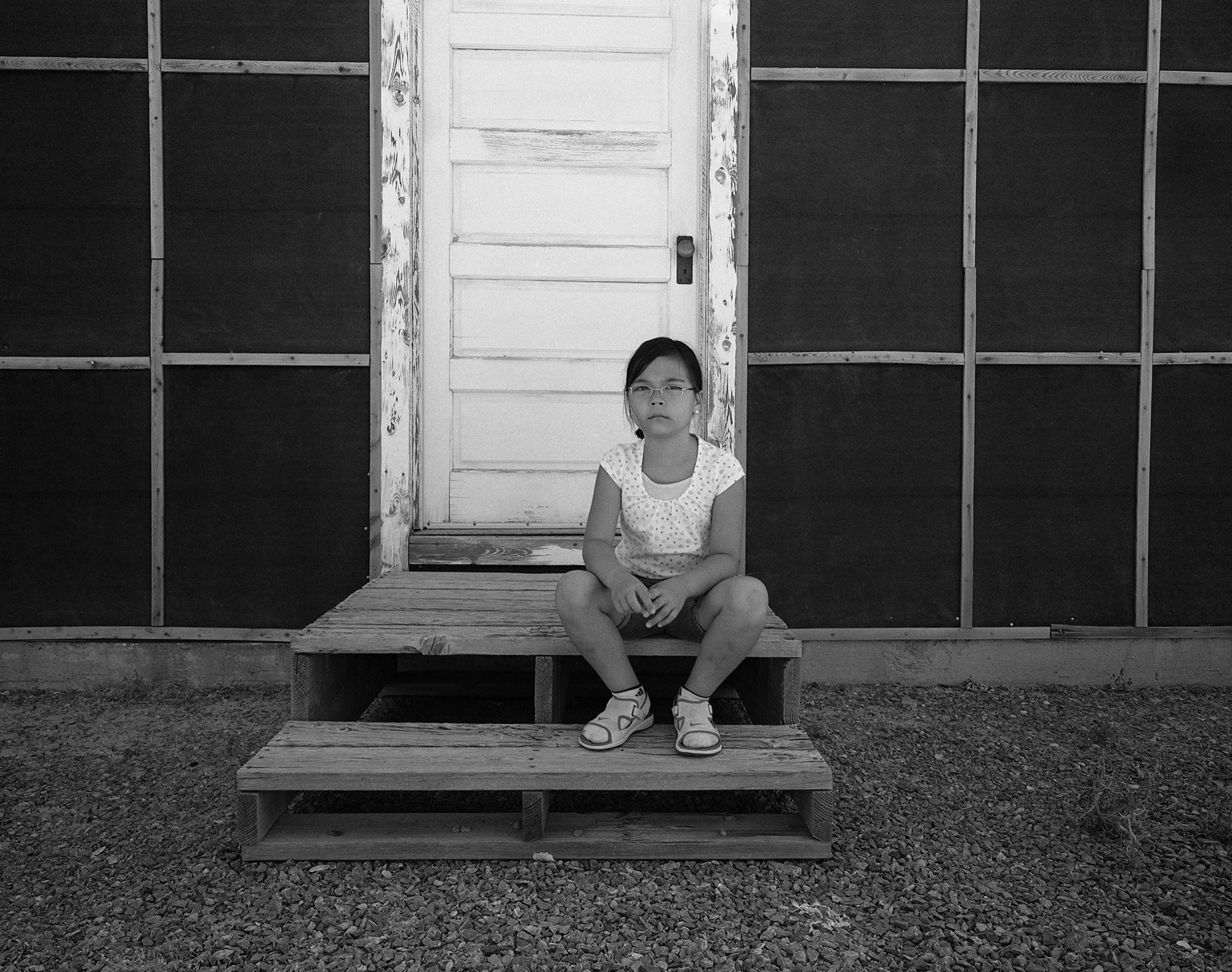
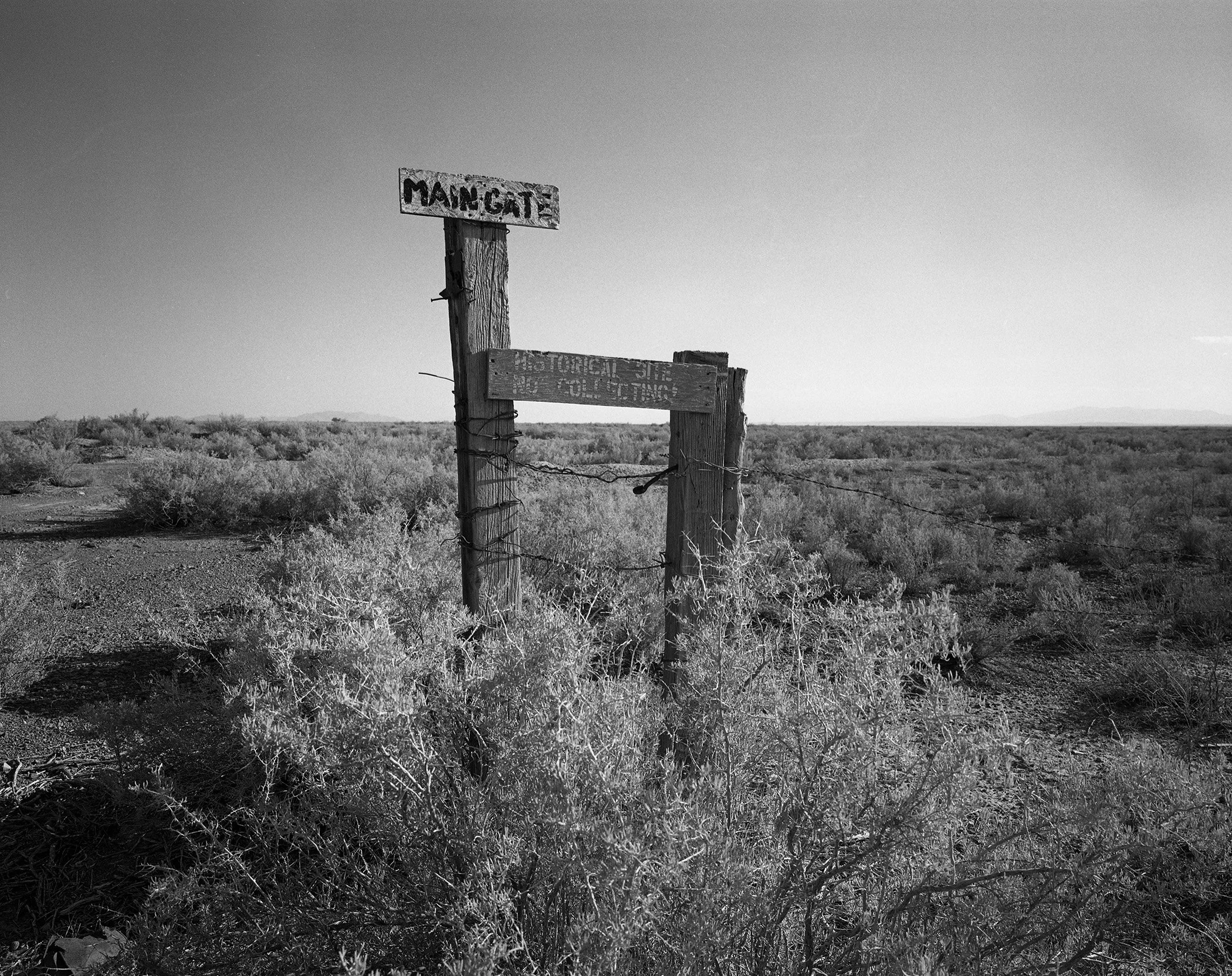
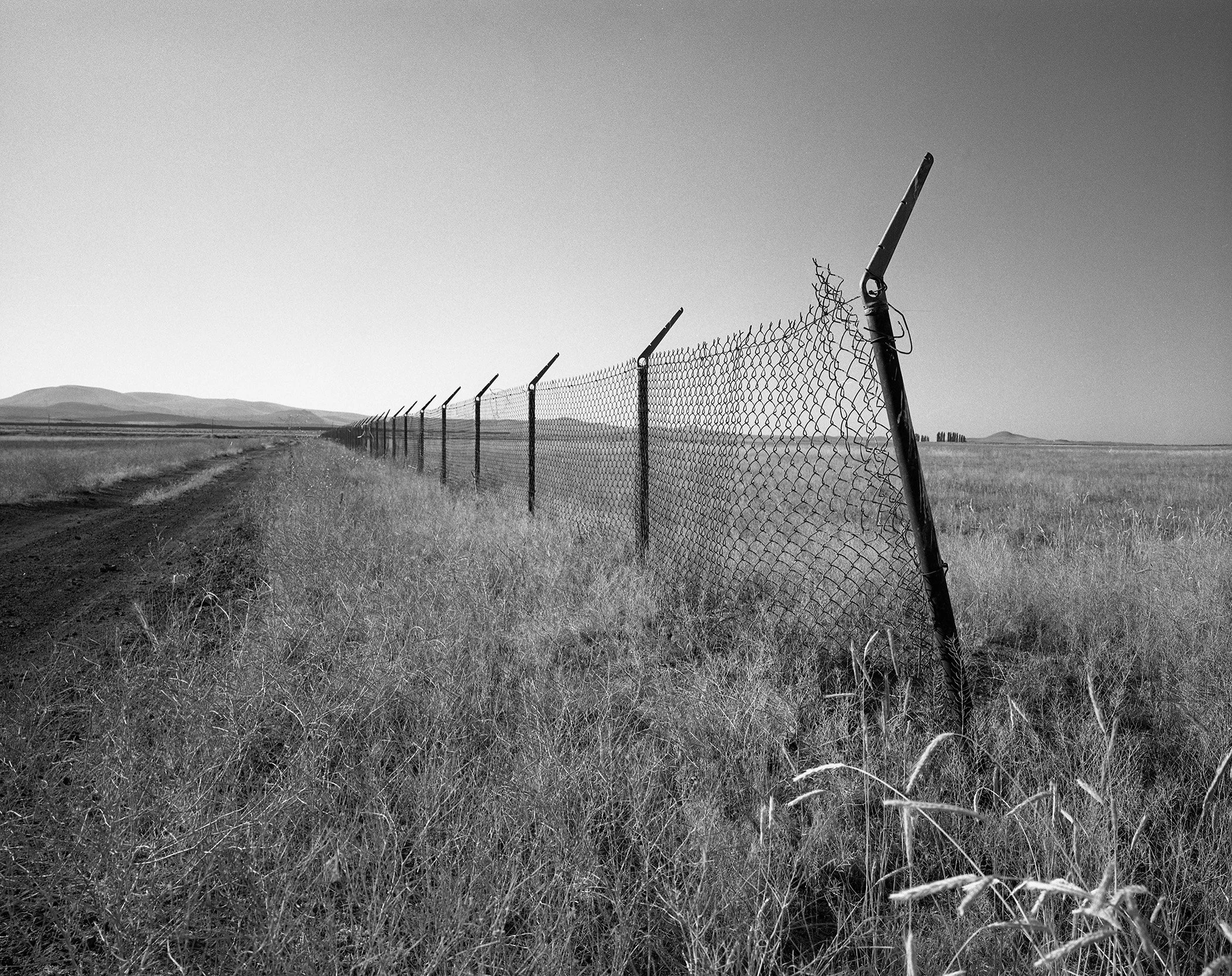
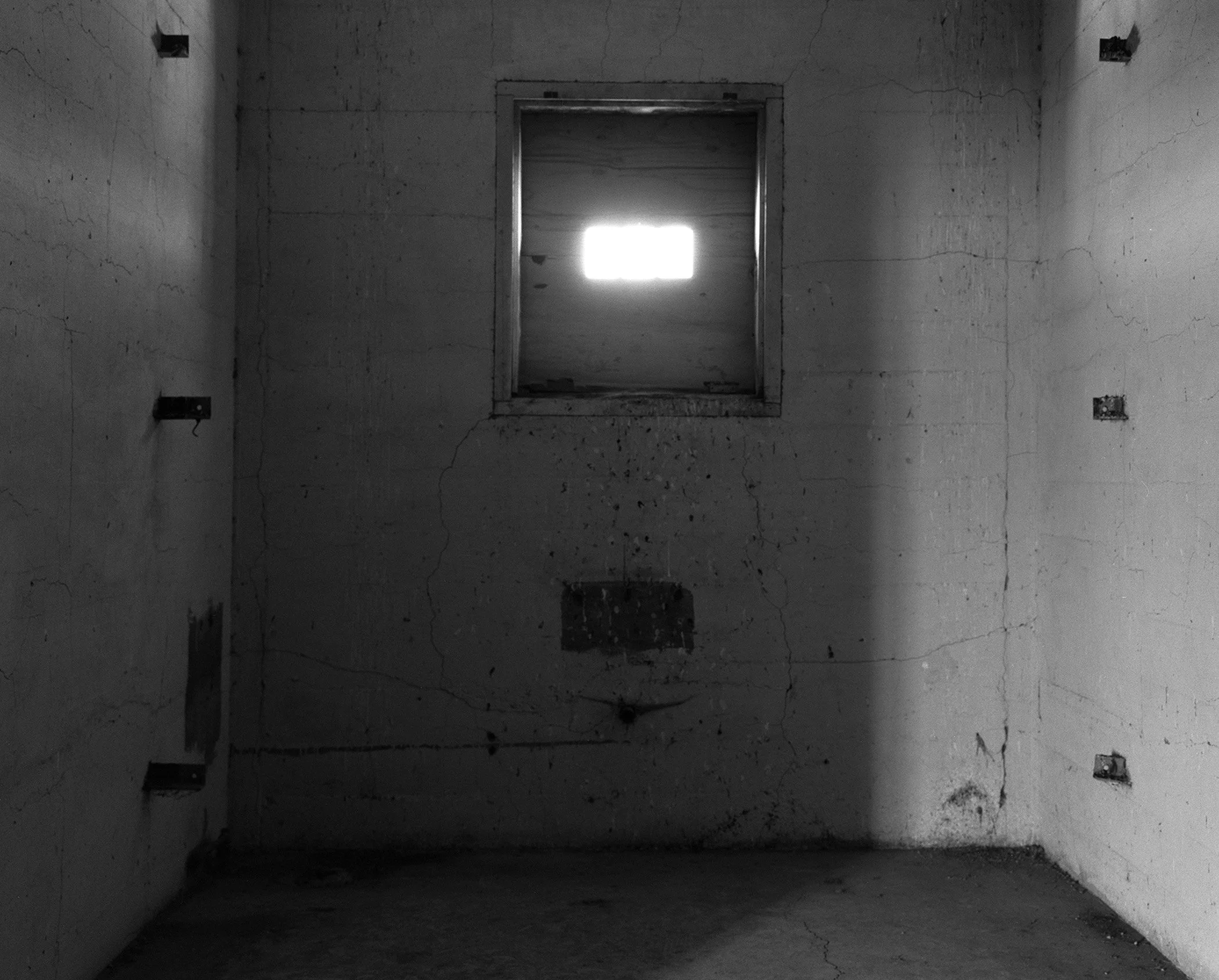
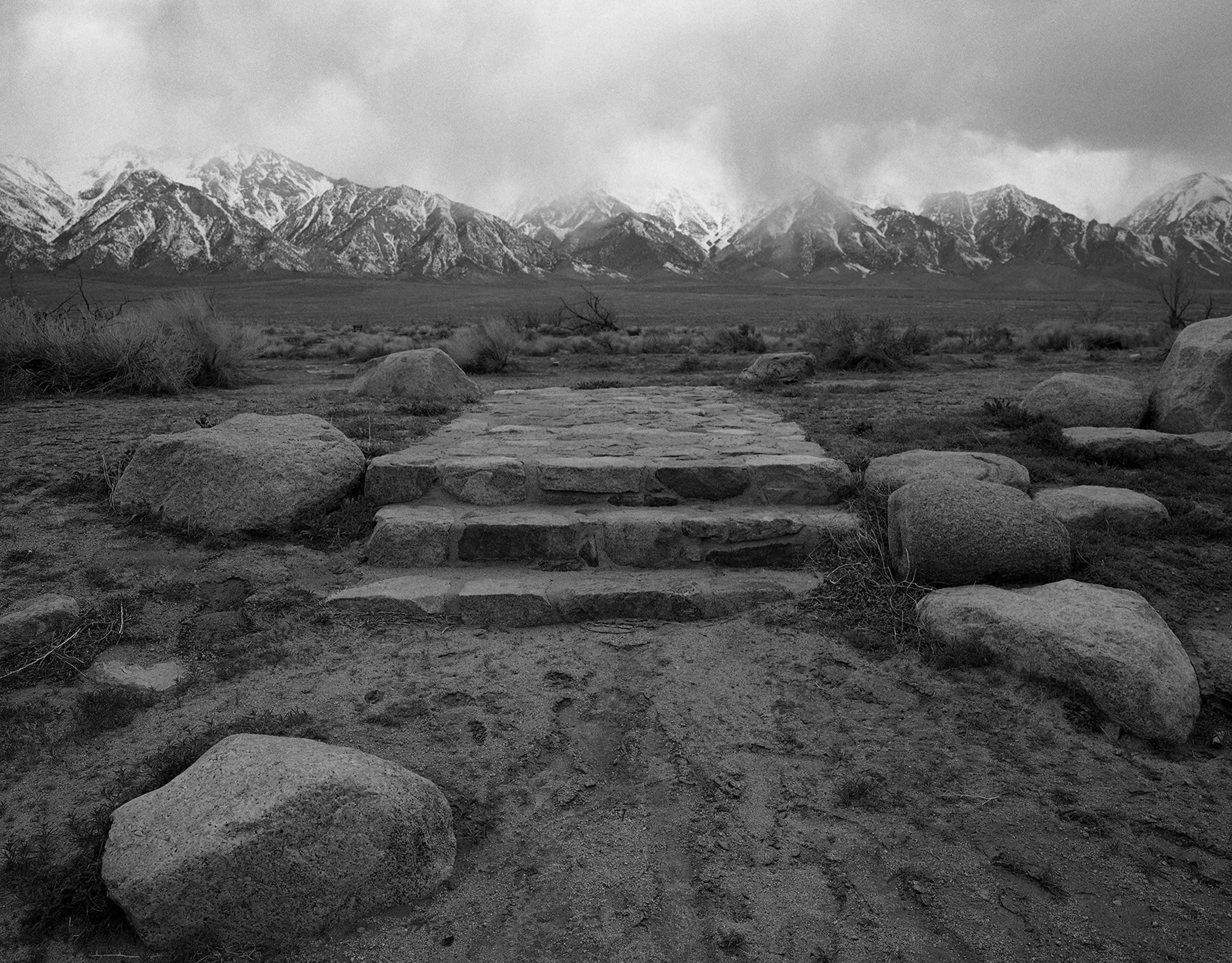
During the spring of 1942, a few months after the bombing of Pearl Harbor, Japanese and Japanese Americans were forced to leave their homes because of the way they looked. They looked like the enemy. Over 120,000 people were evacuated to sparsely populated desert areas and imprisoned behind barbed wire in single walled army barracks lined with tar-paper.
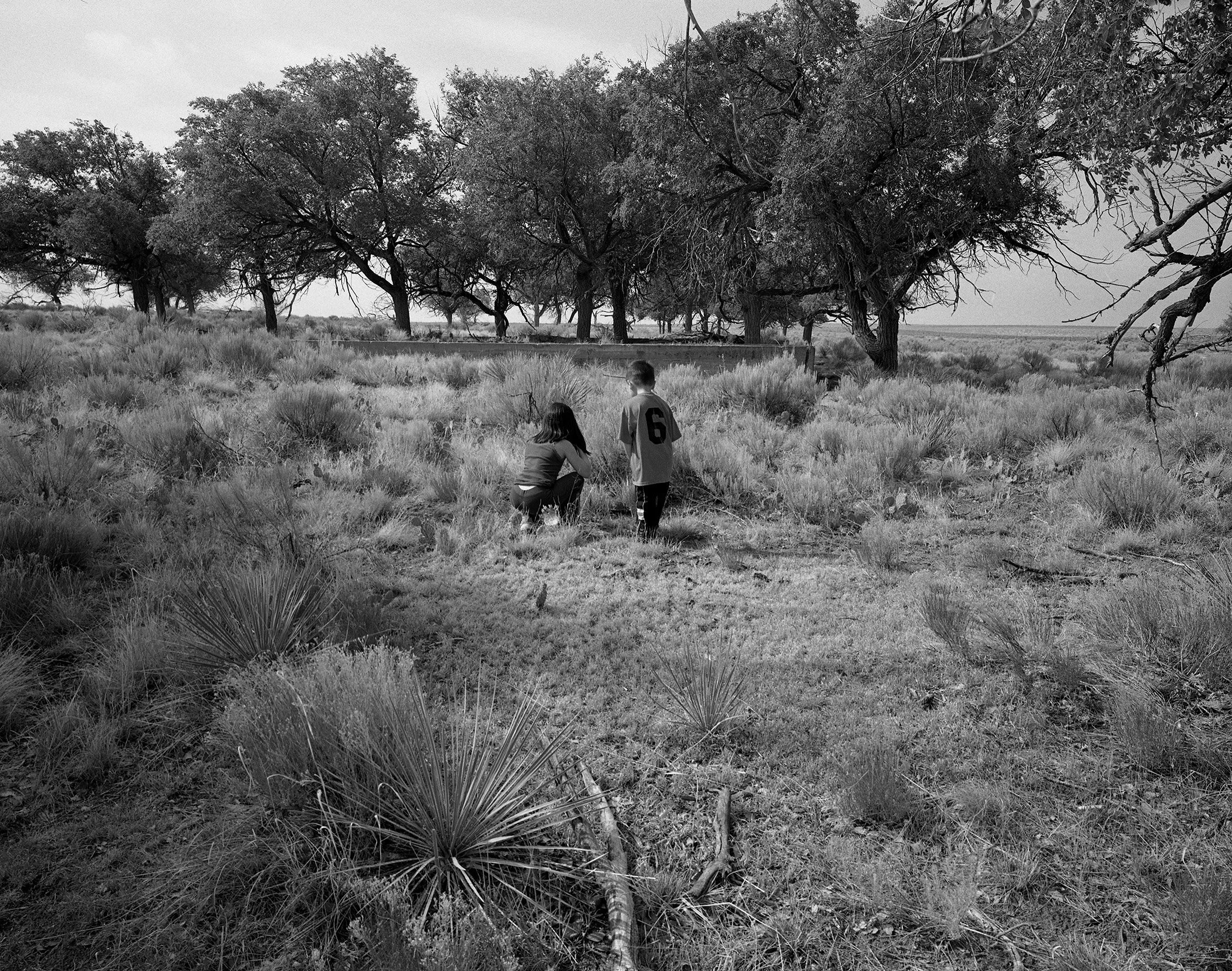
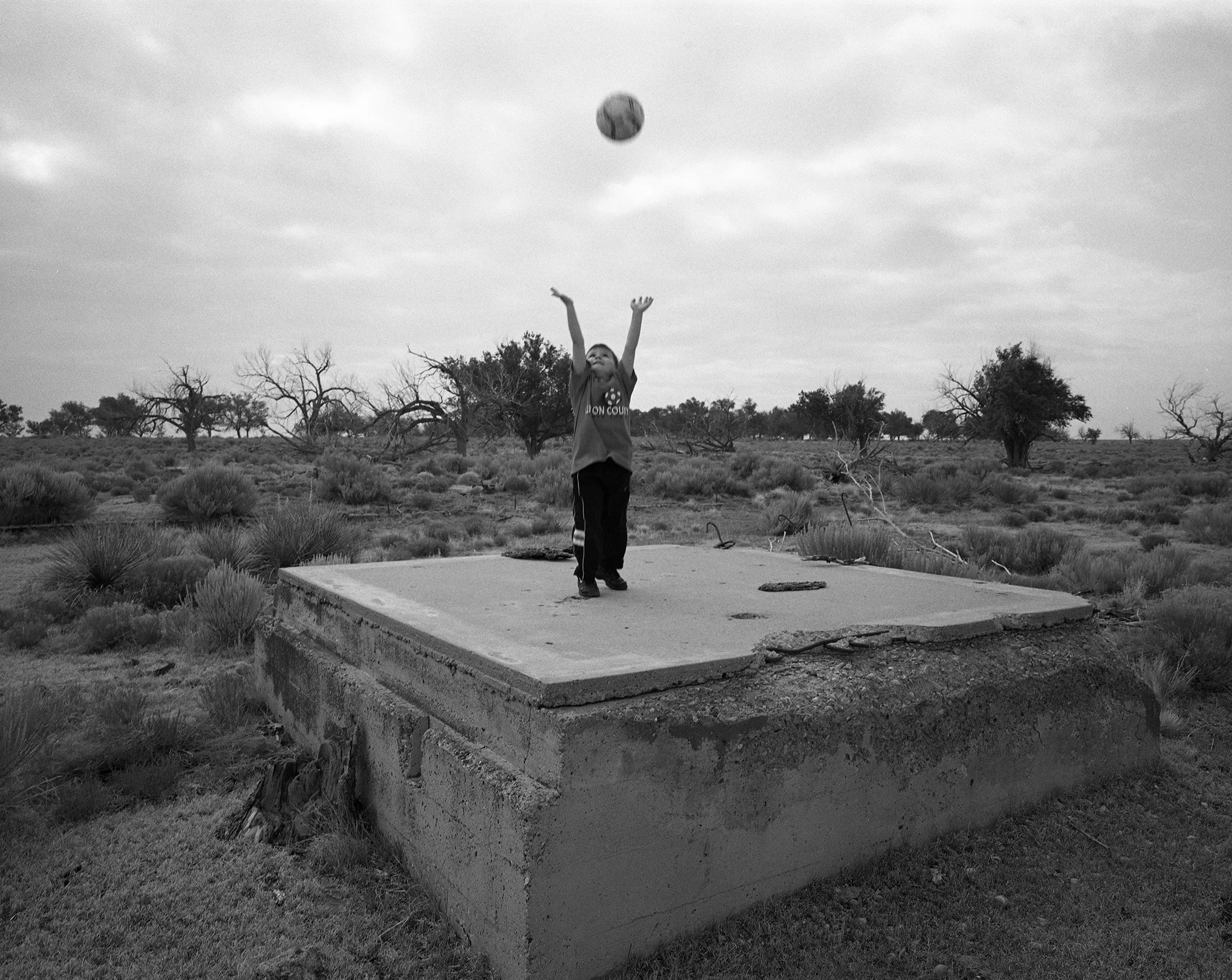
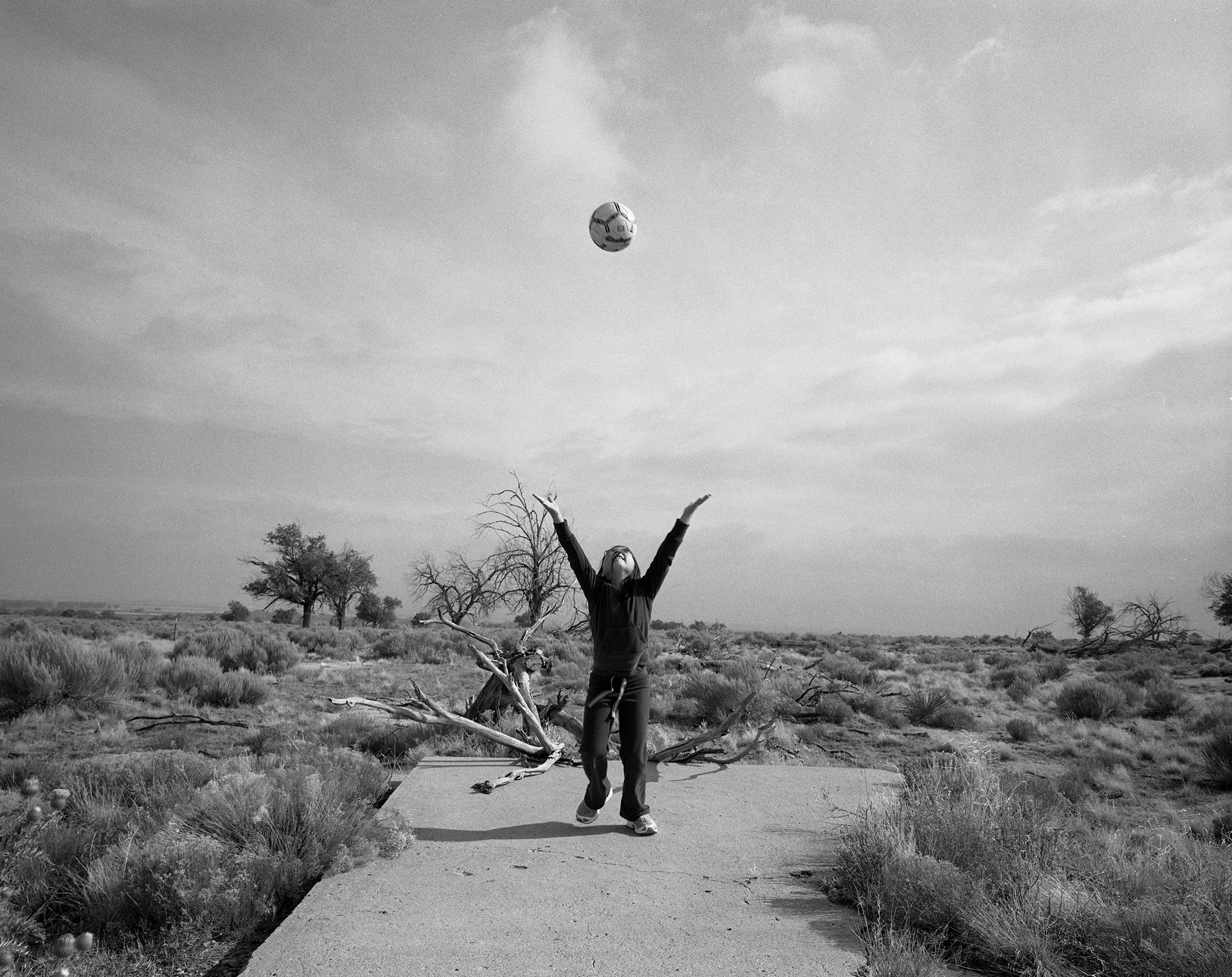
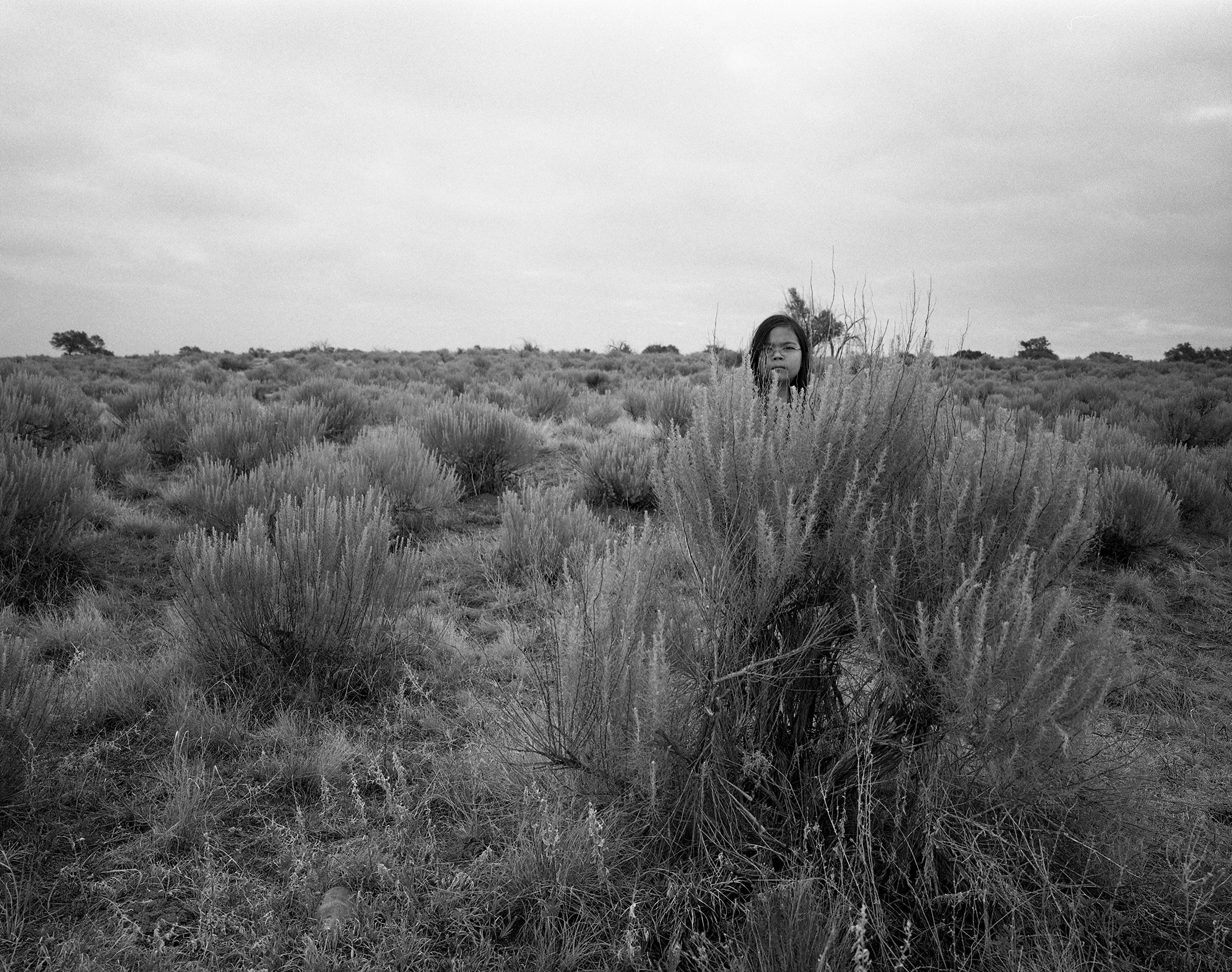
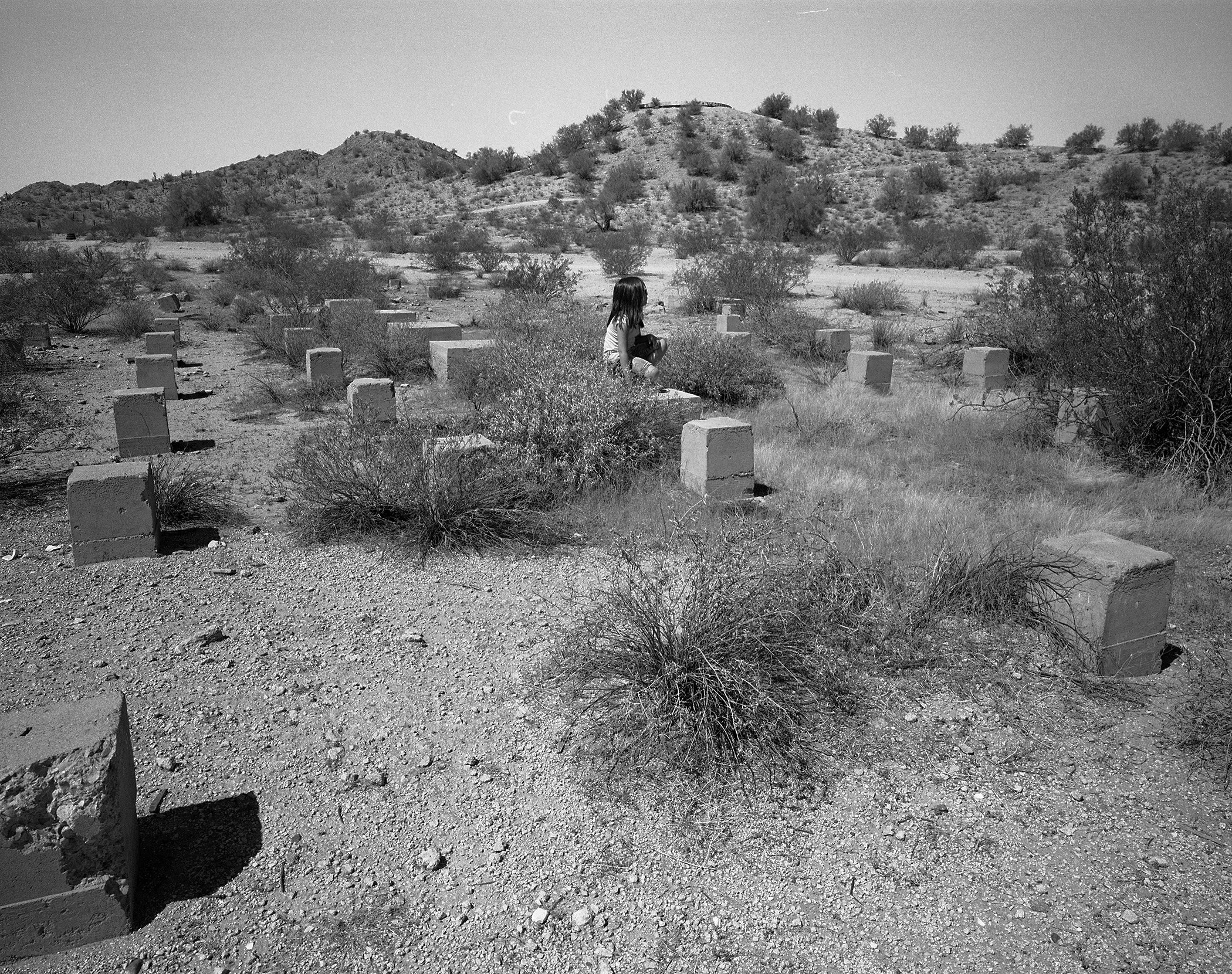
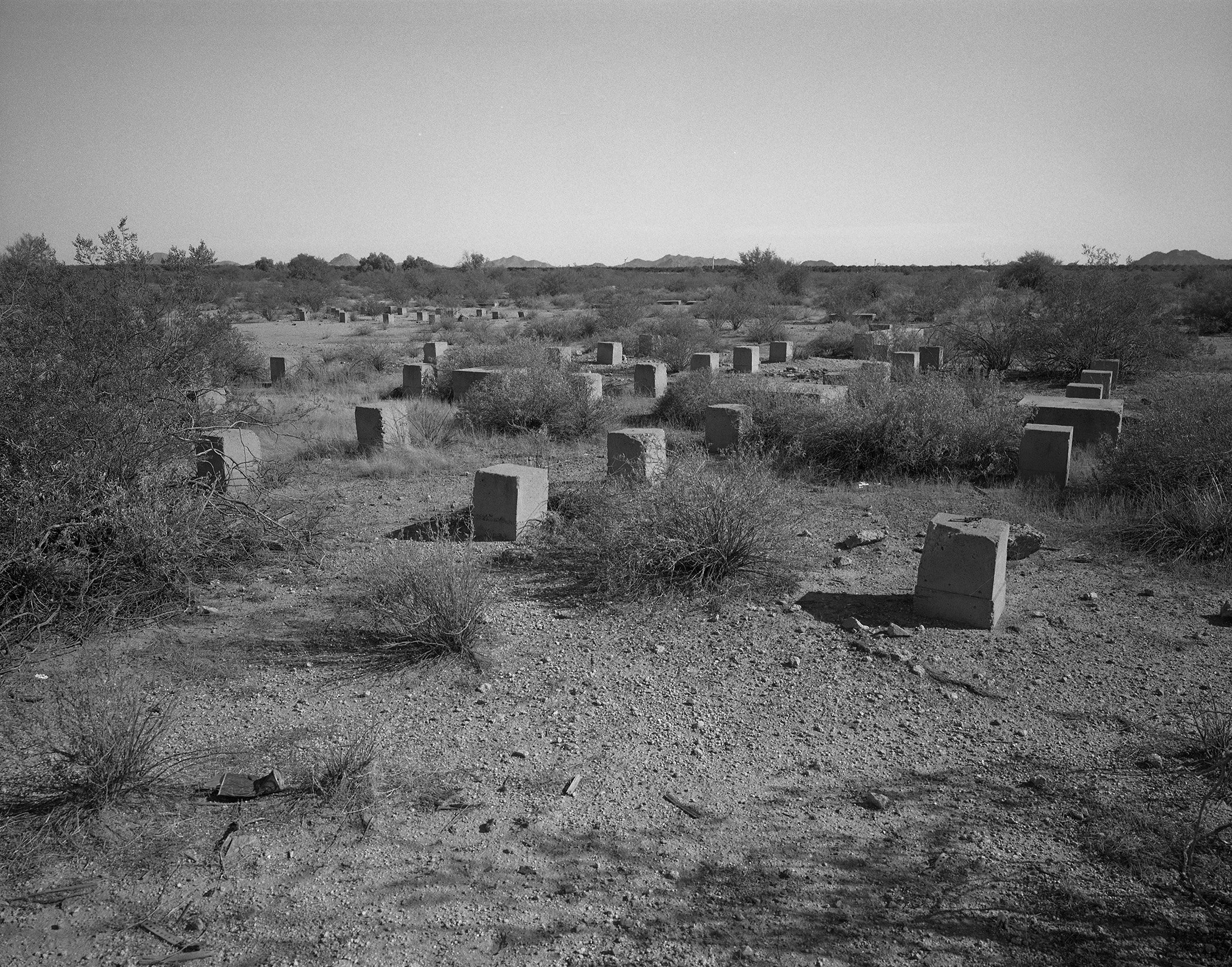
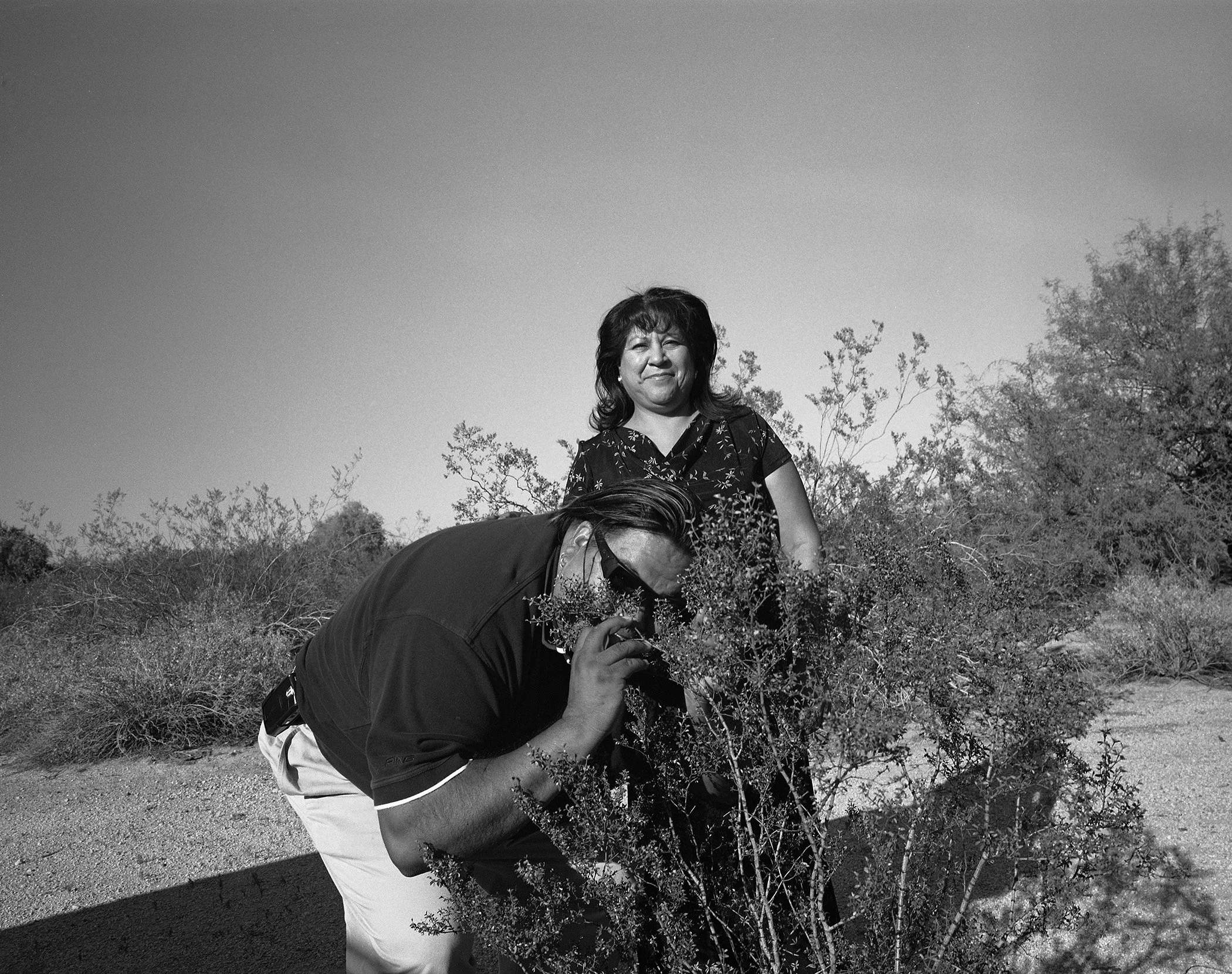
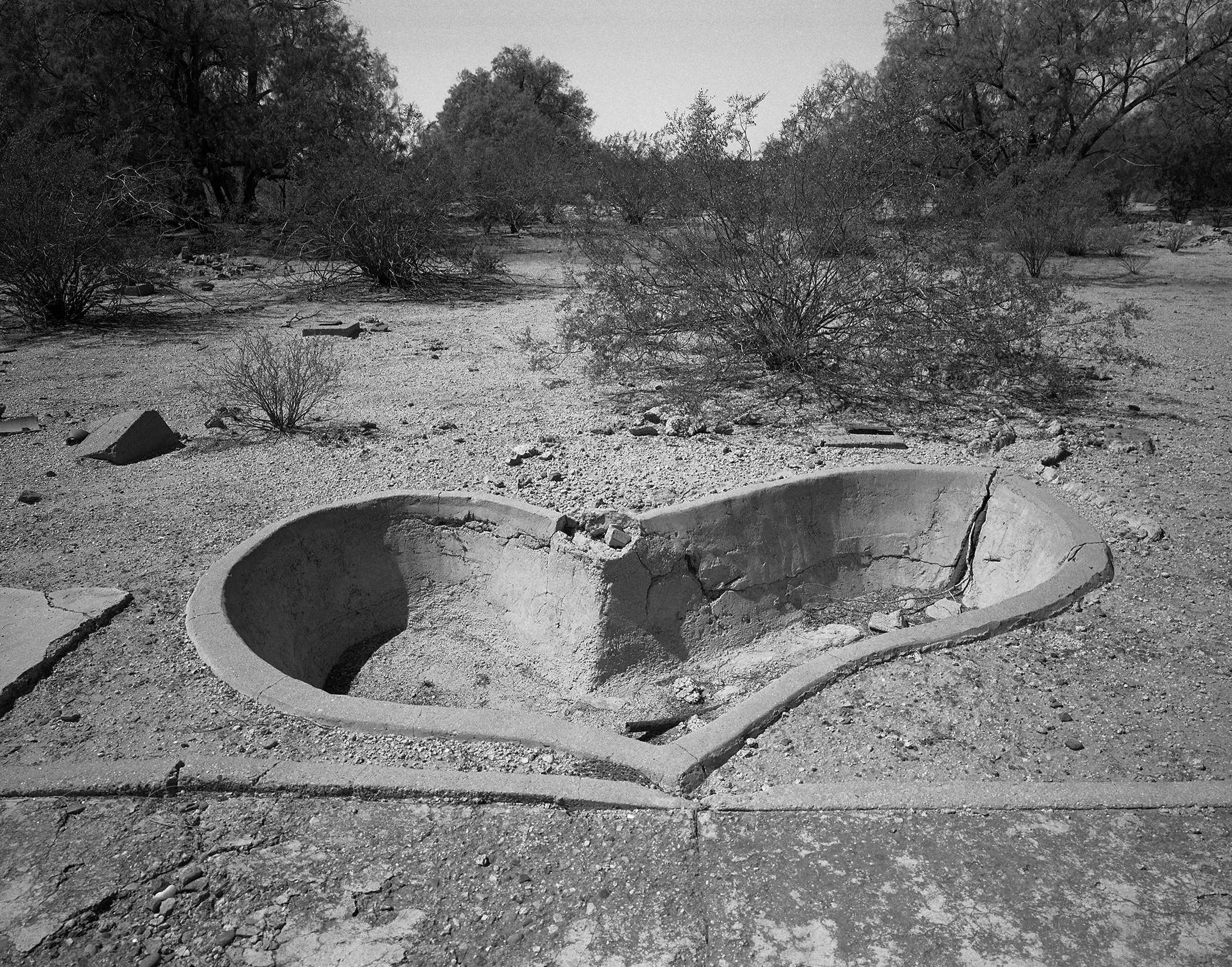
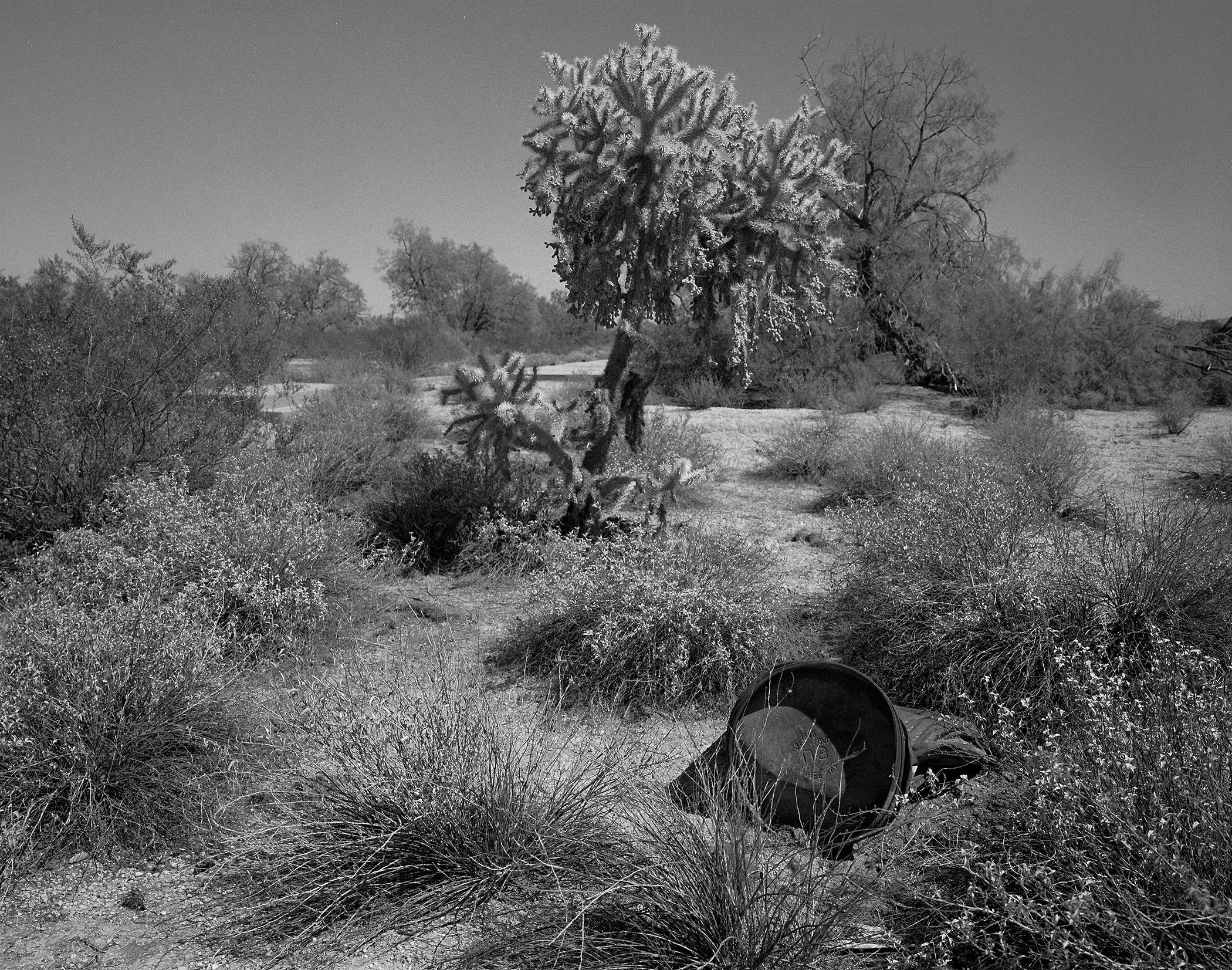
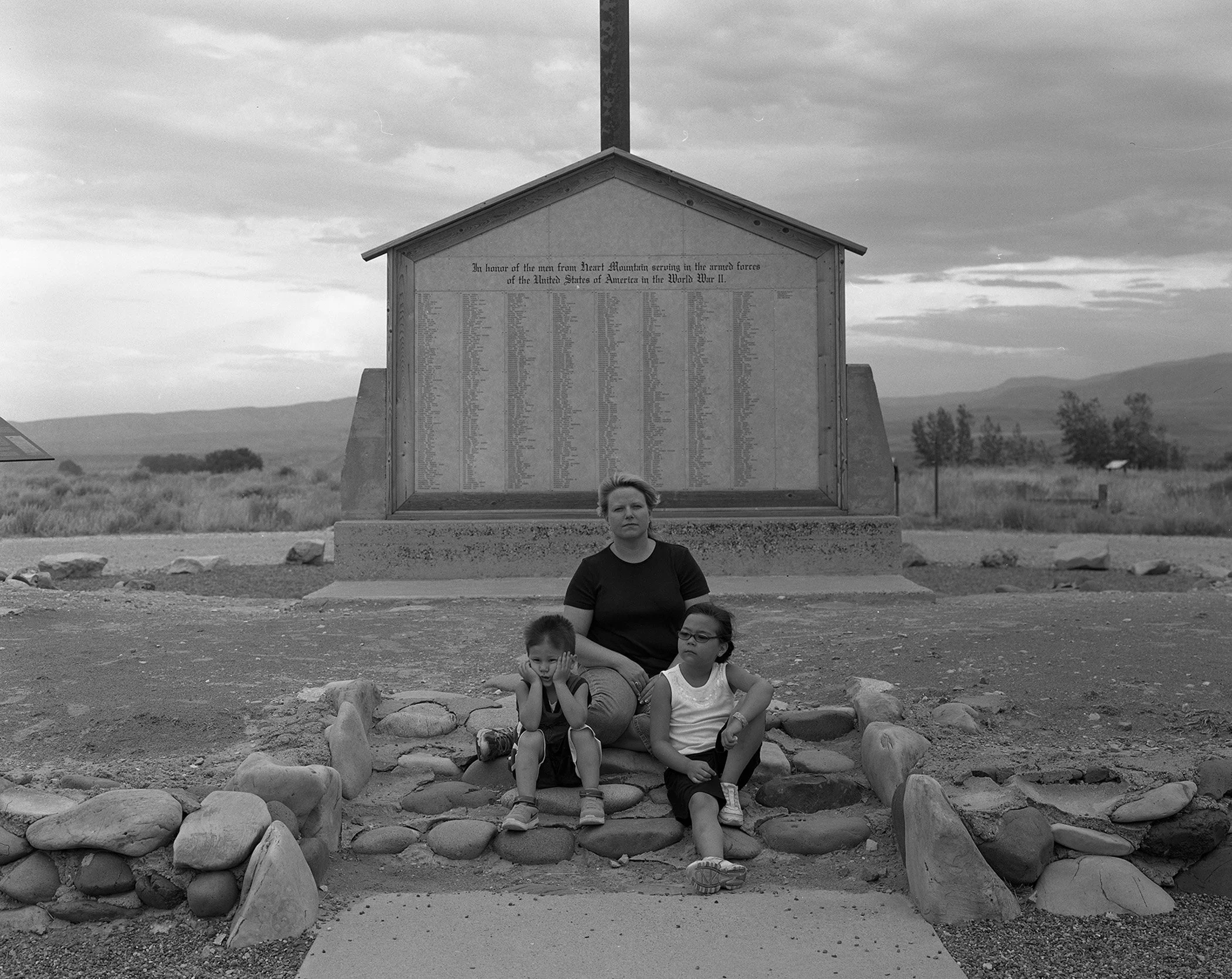
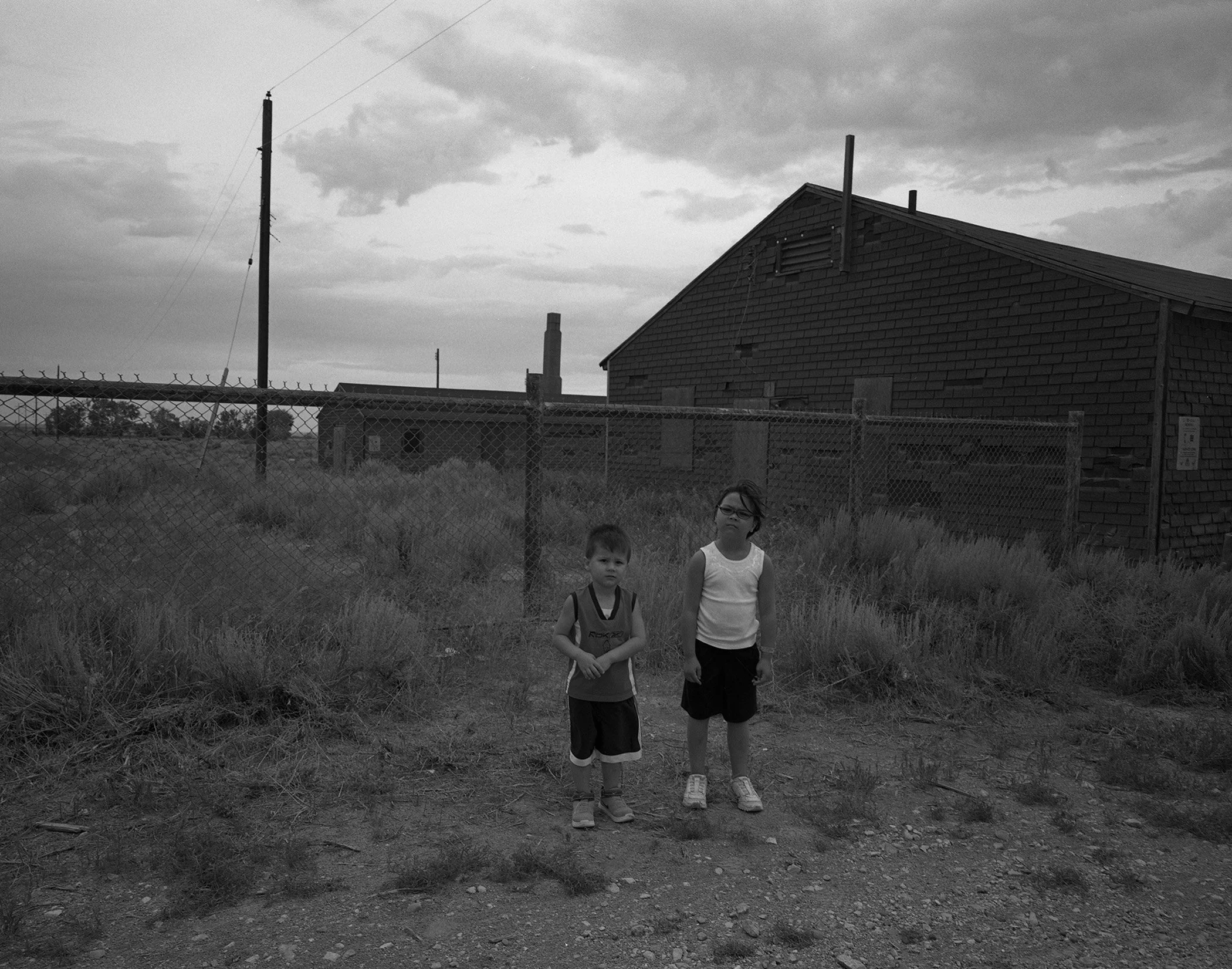
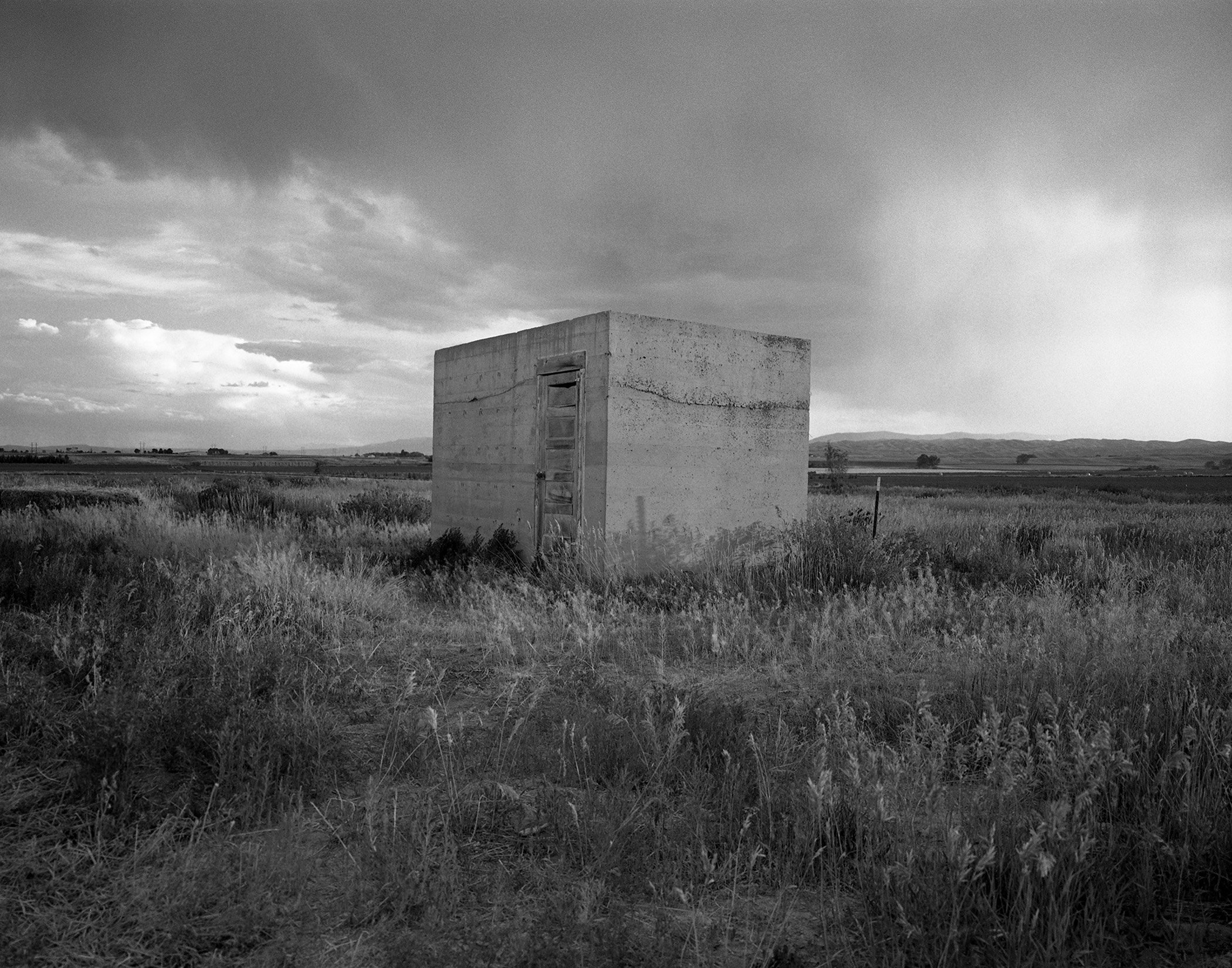
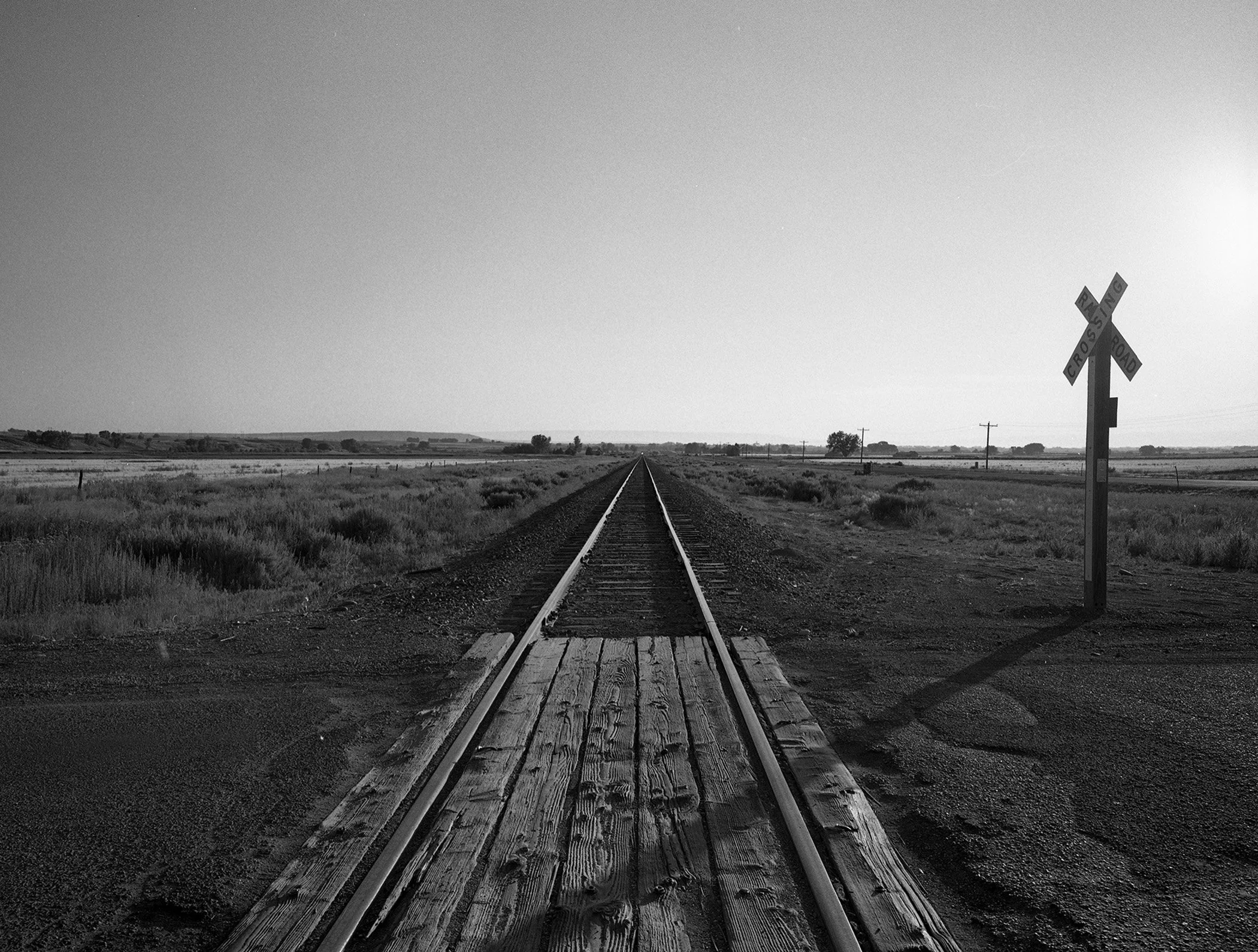
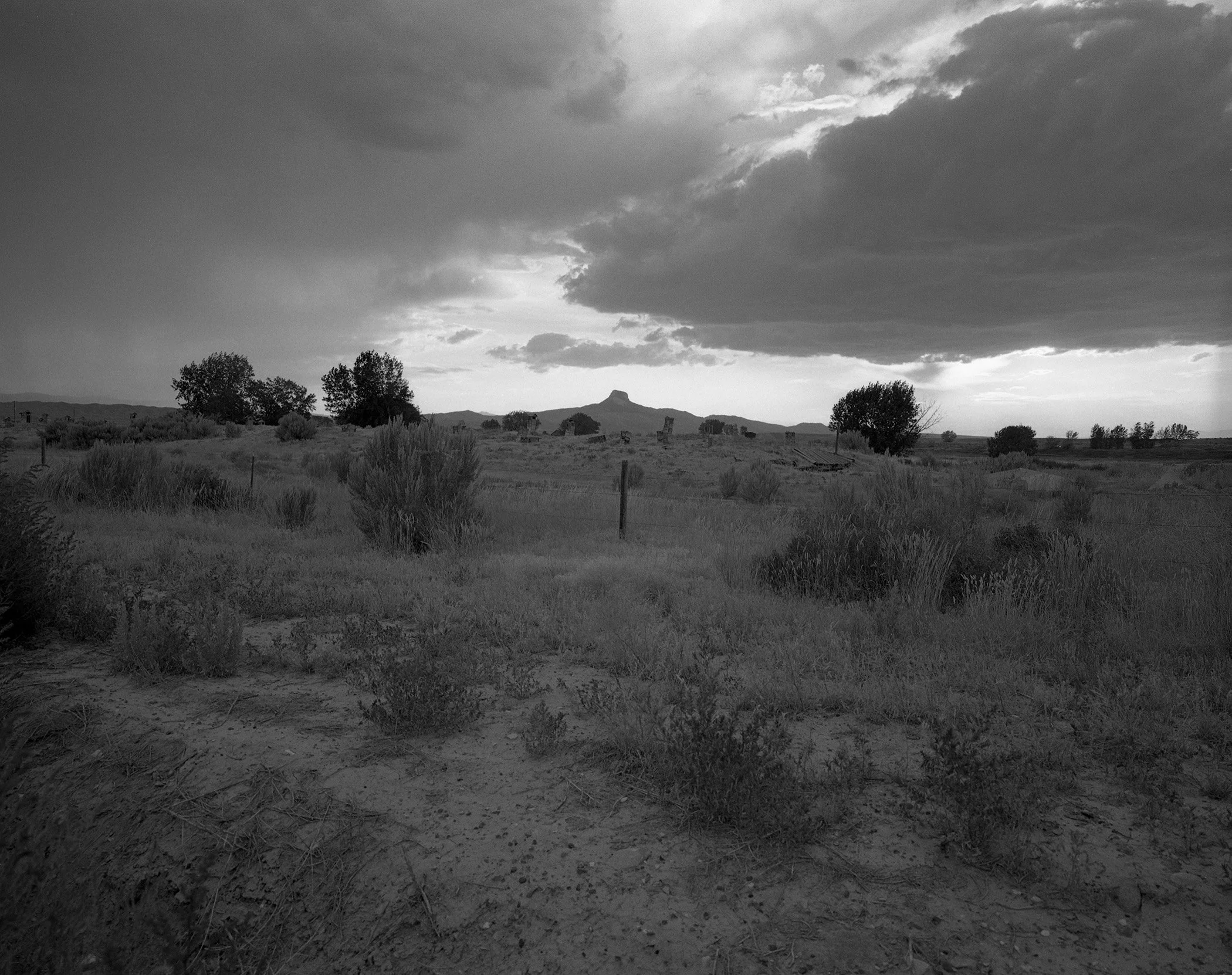
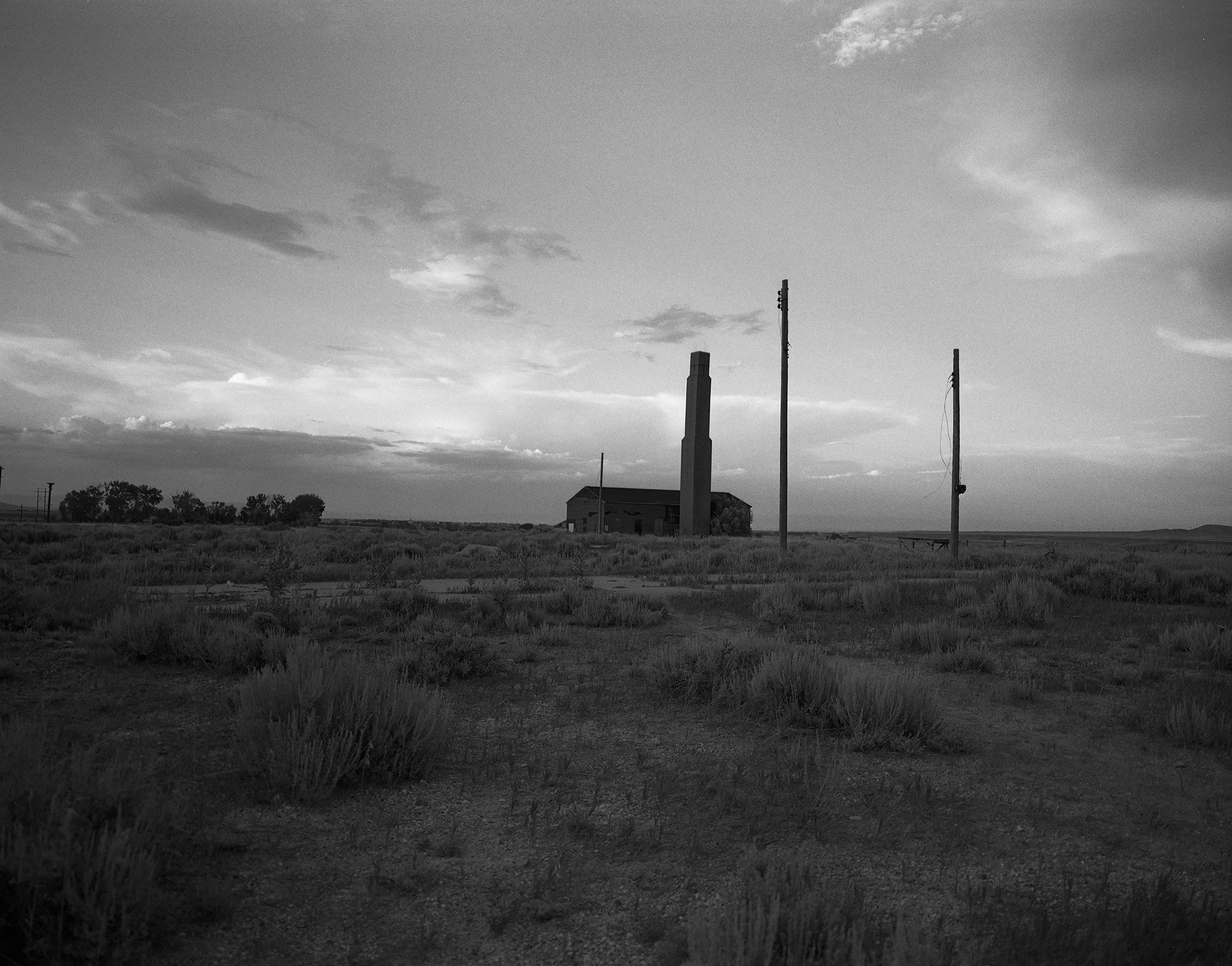
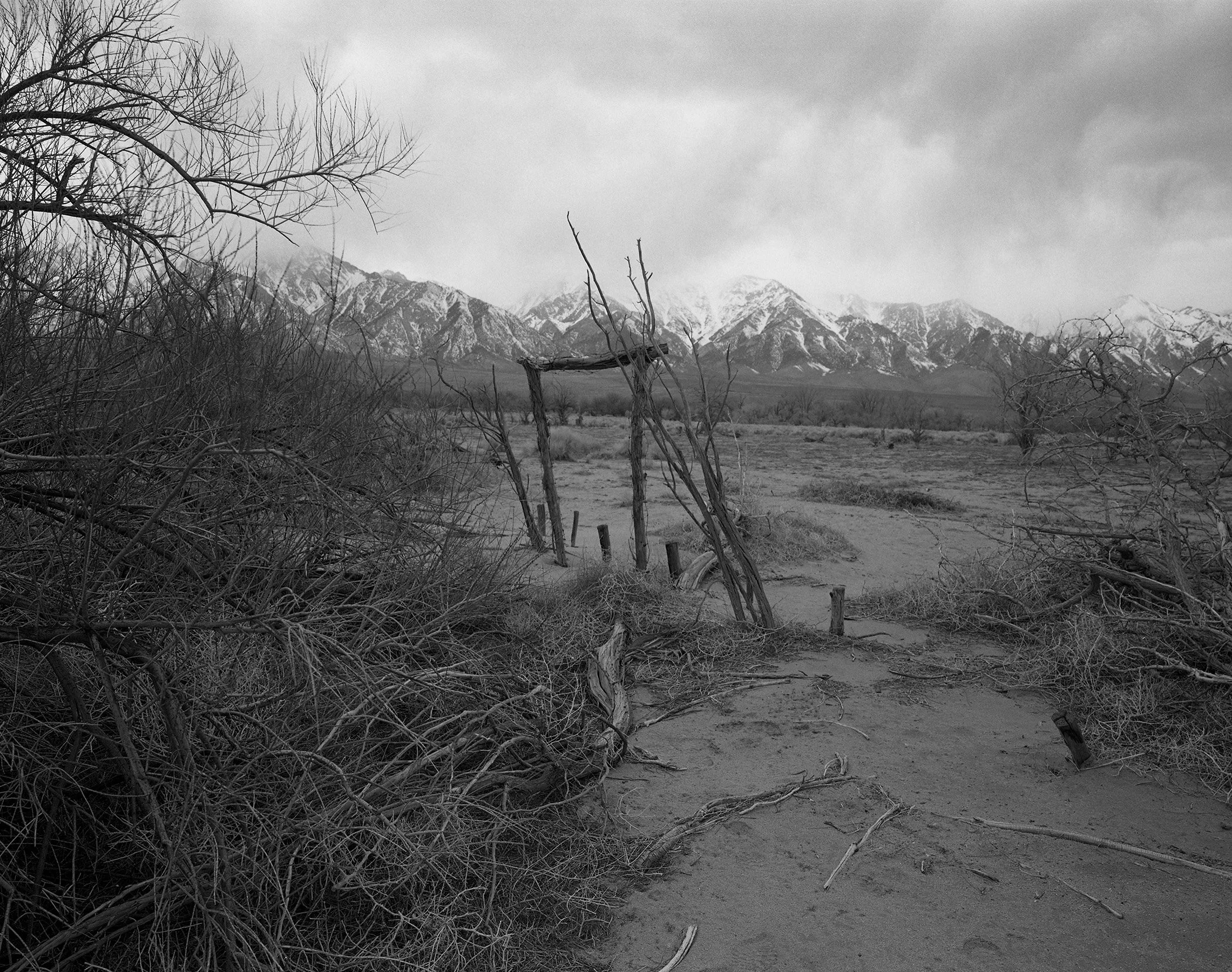
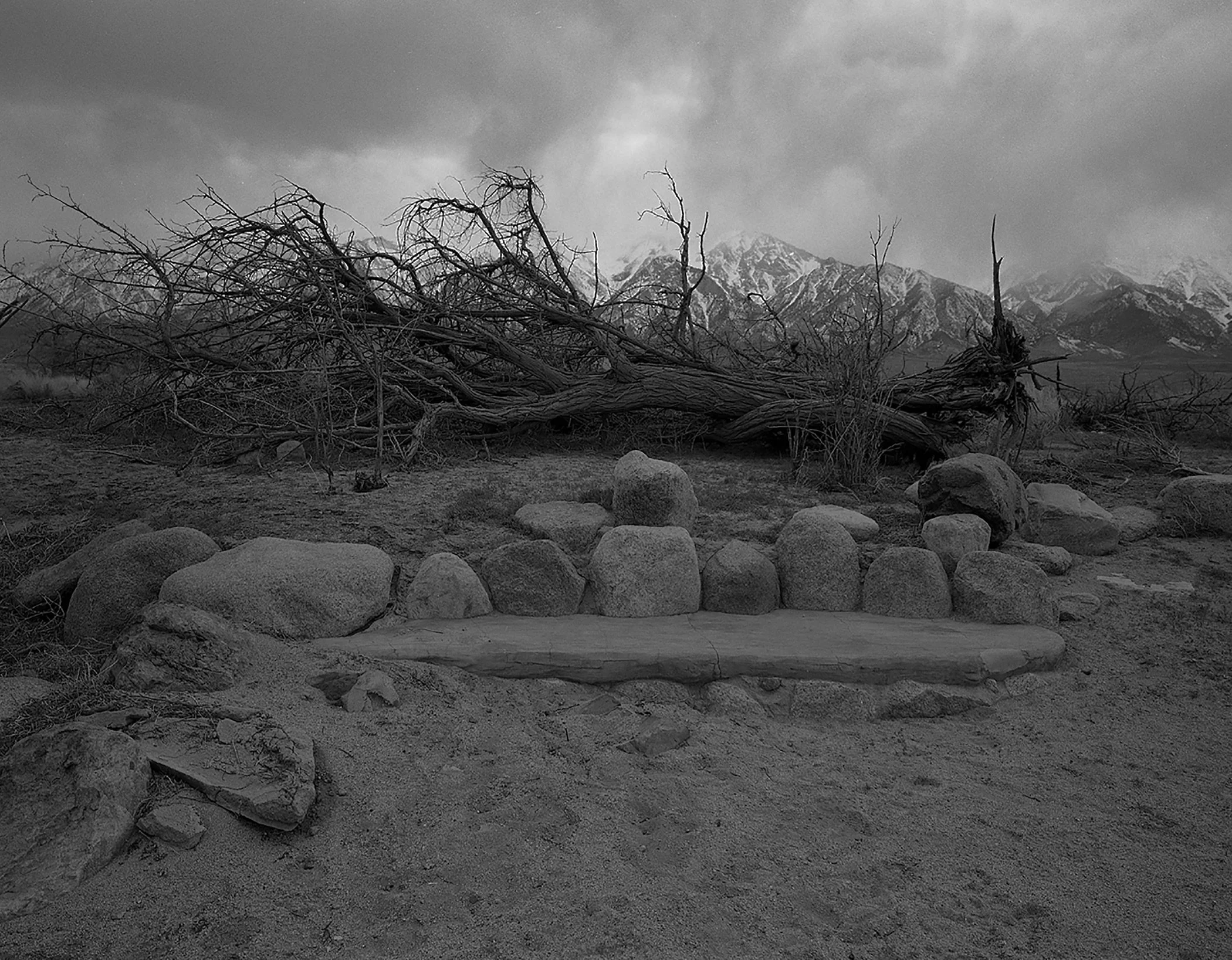
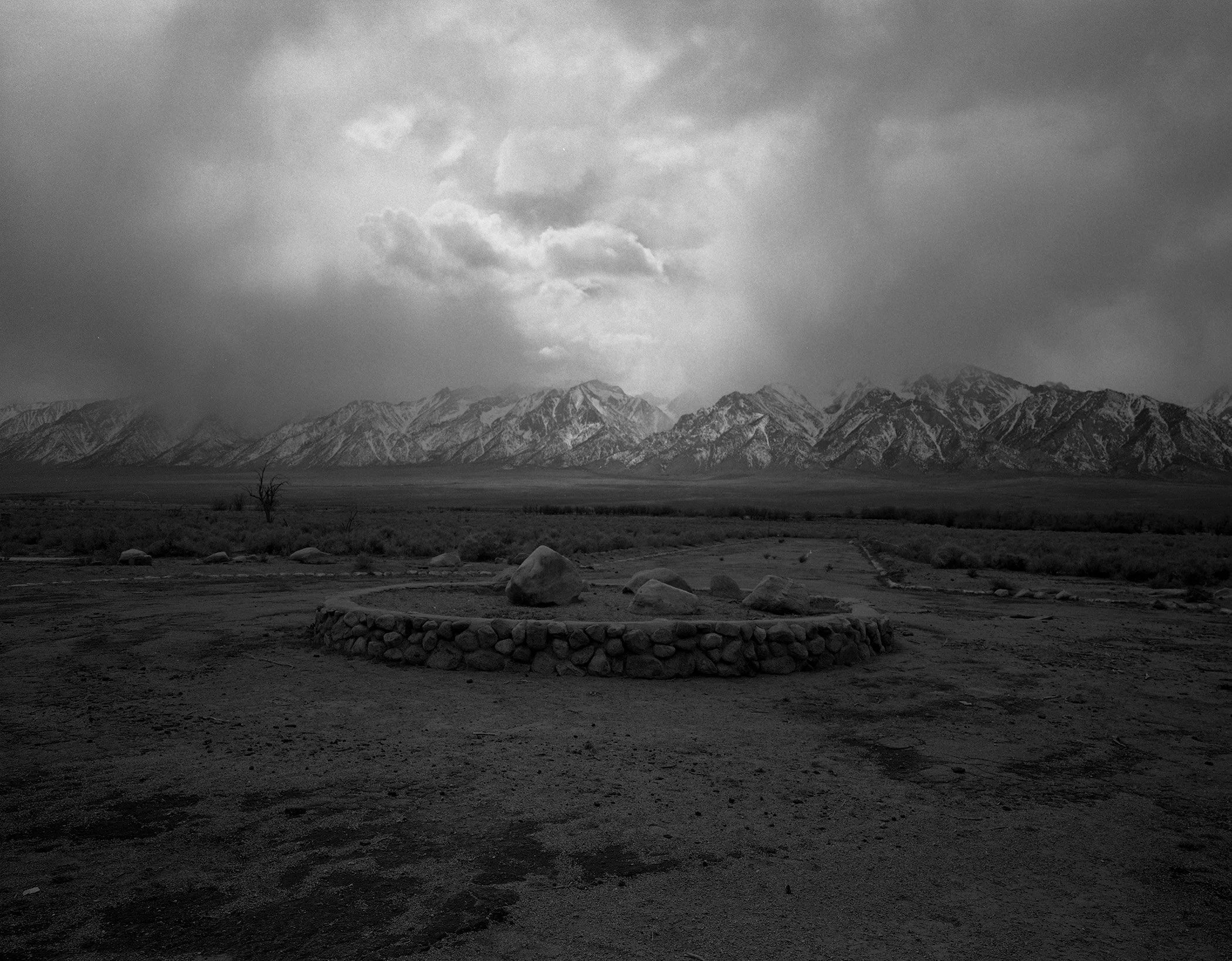
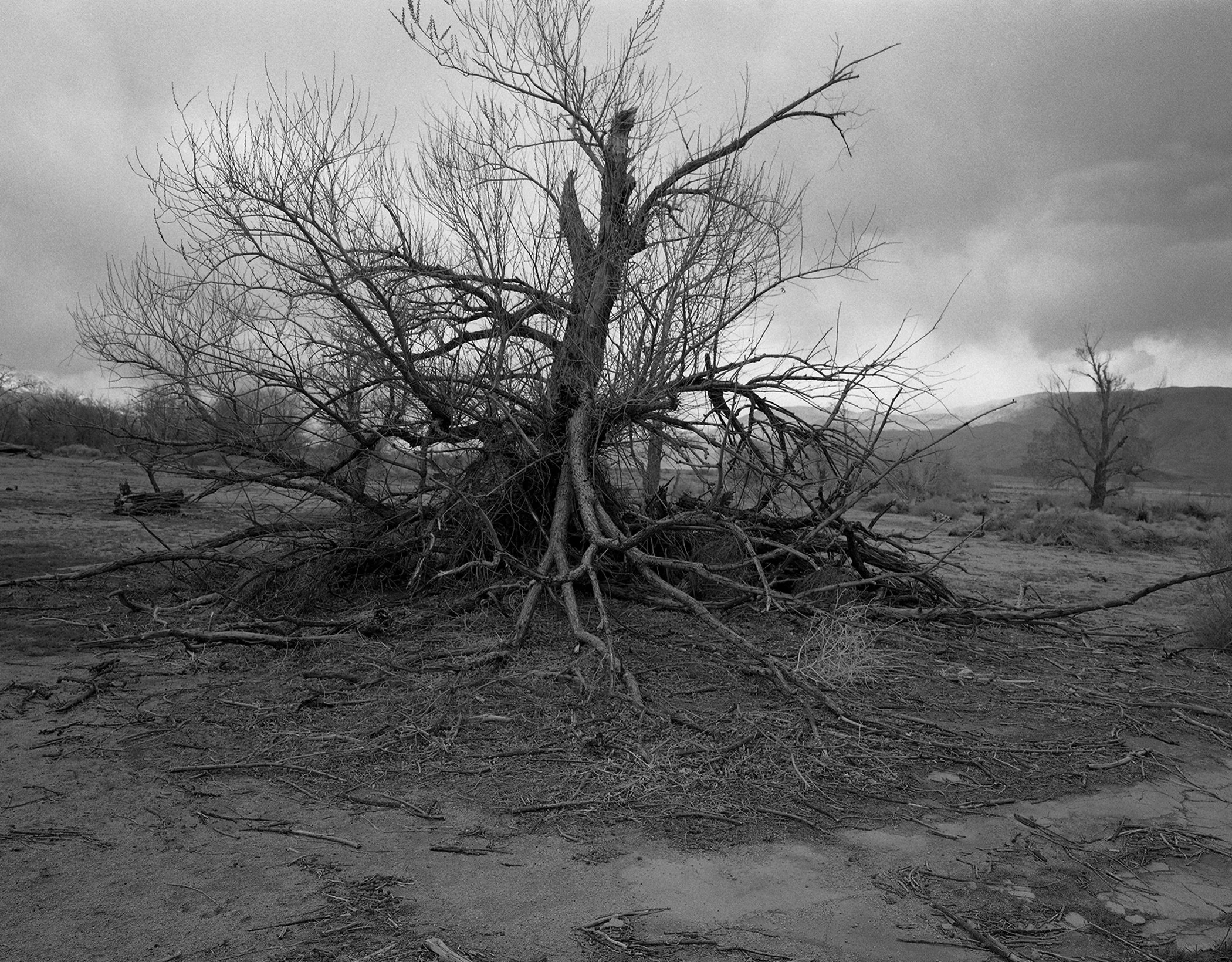
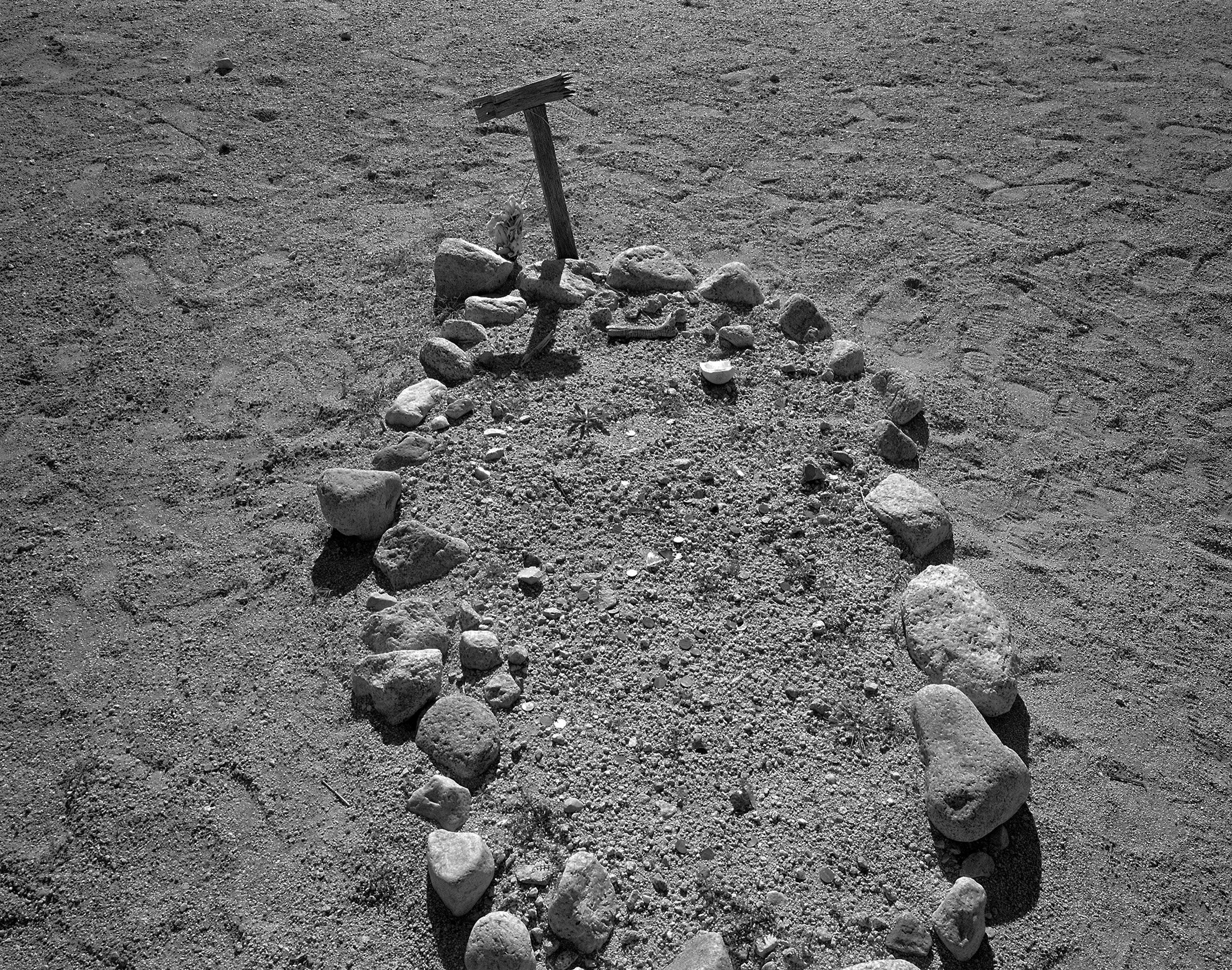
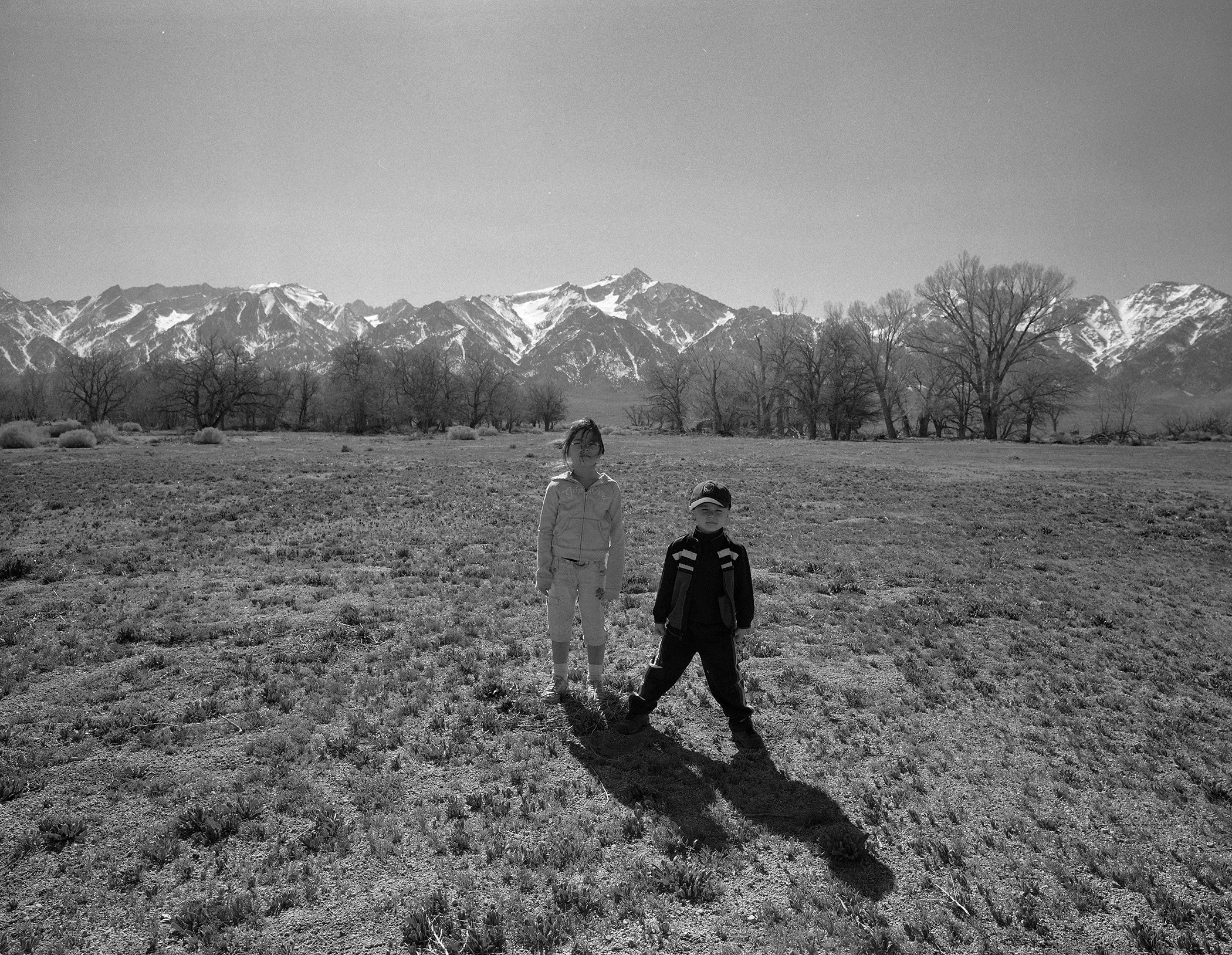
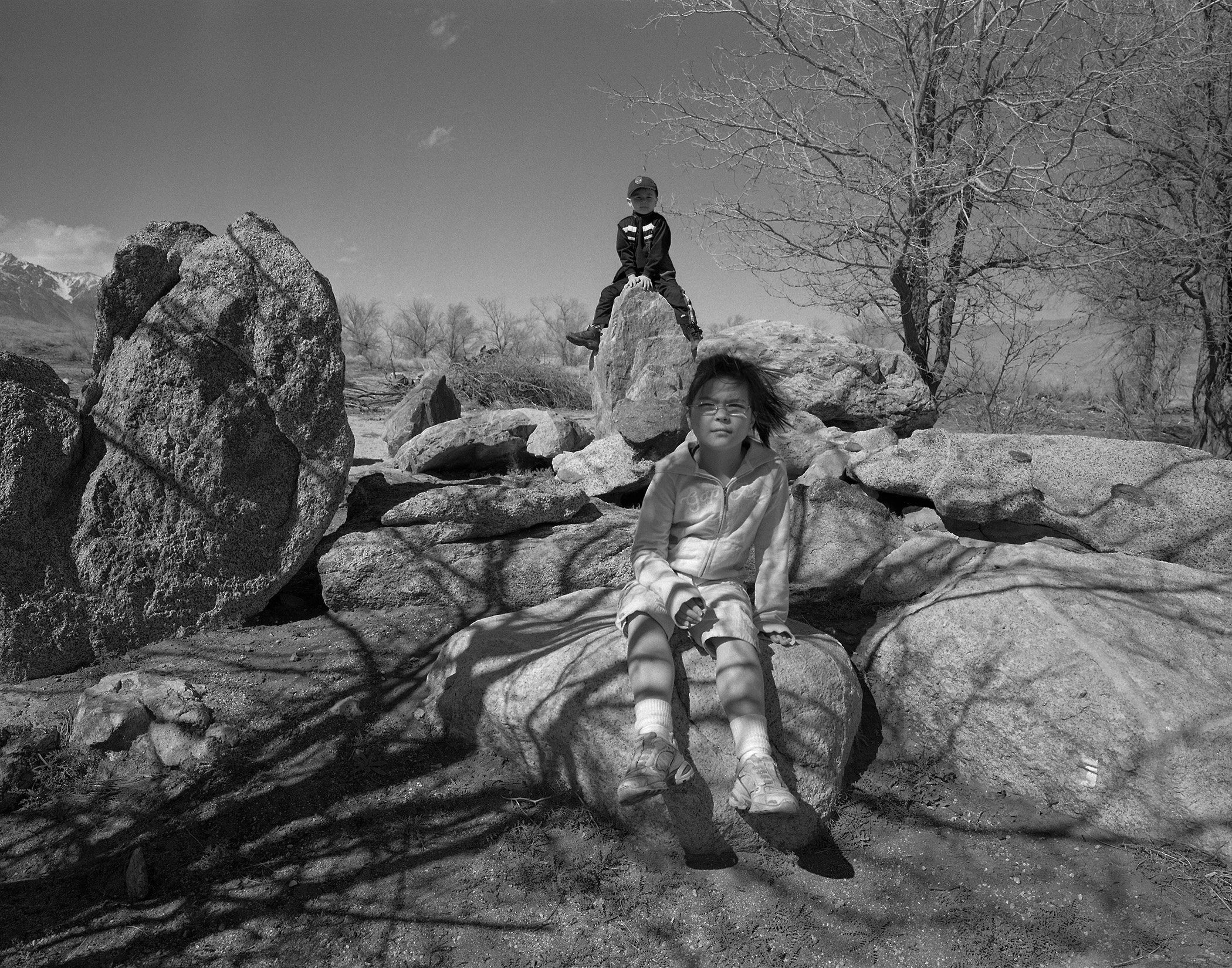
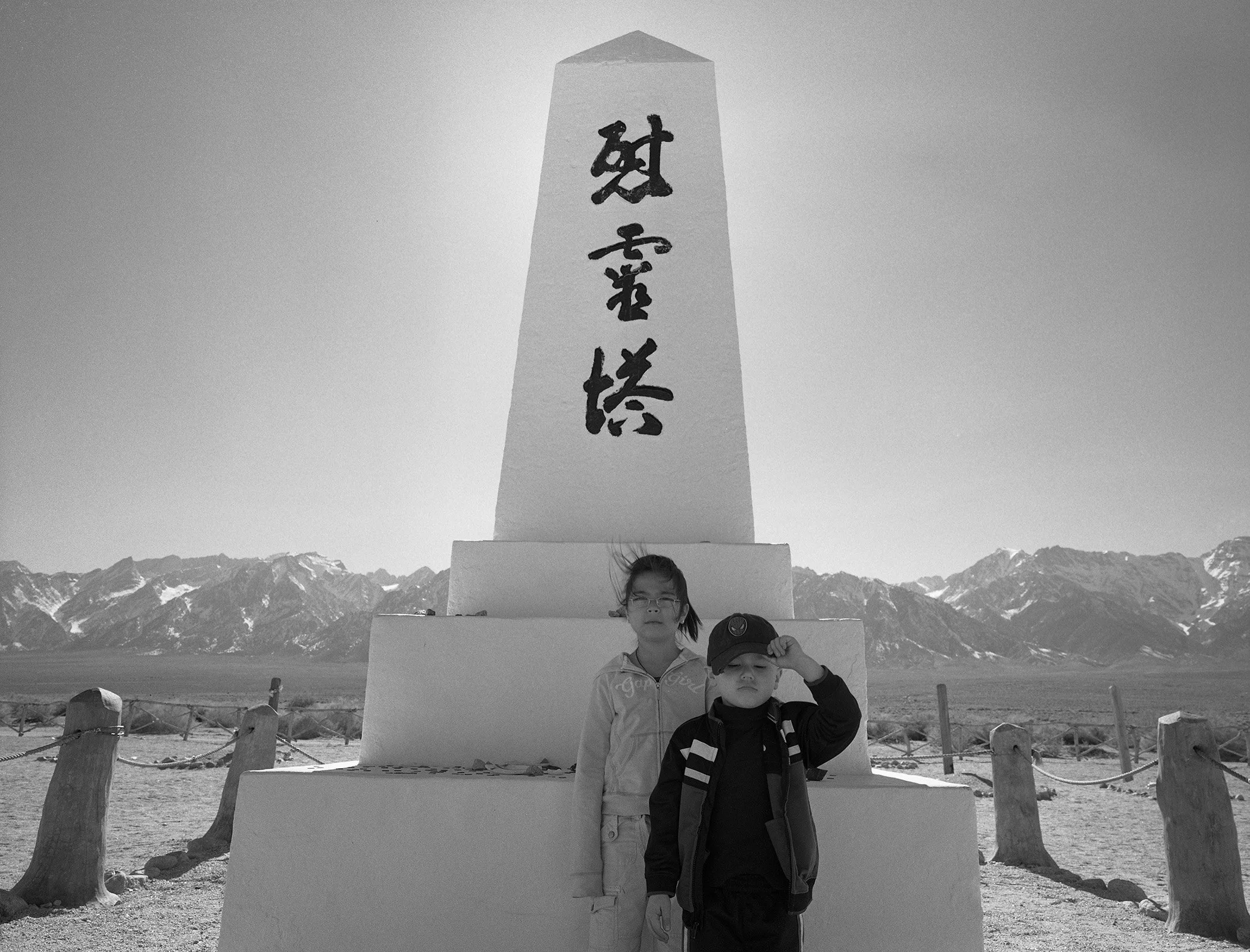
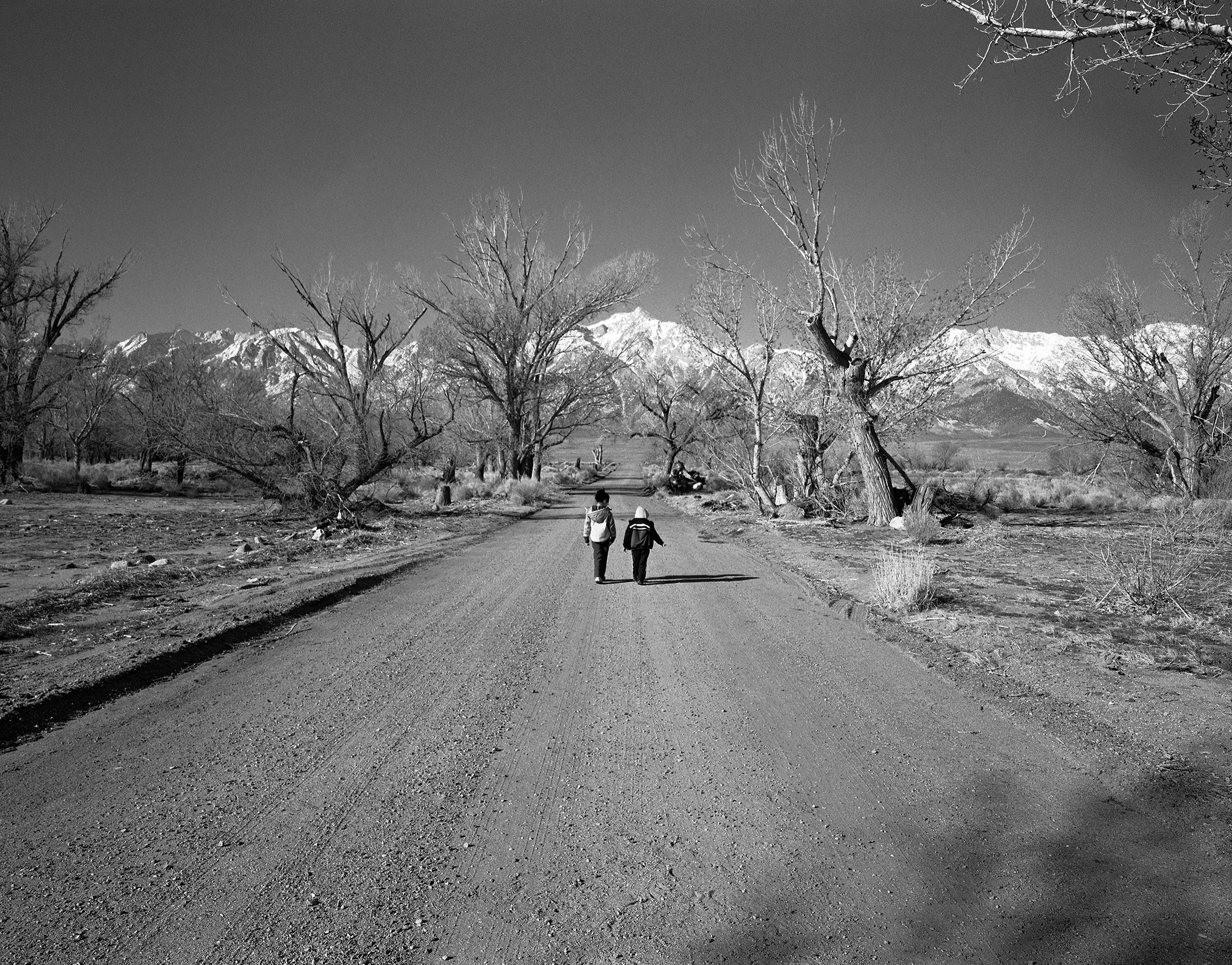
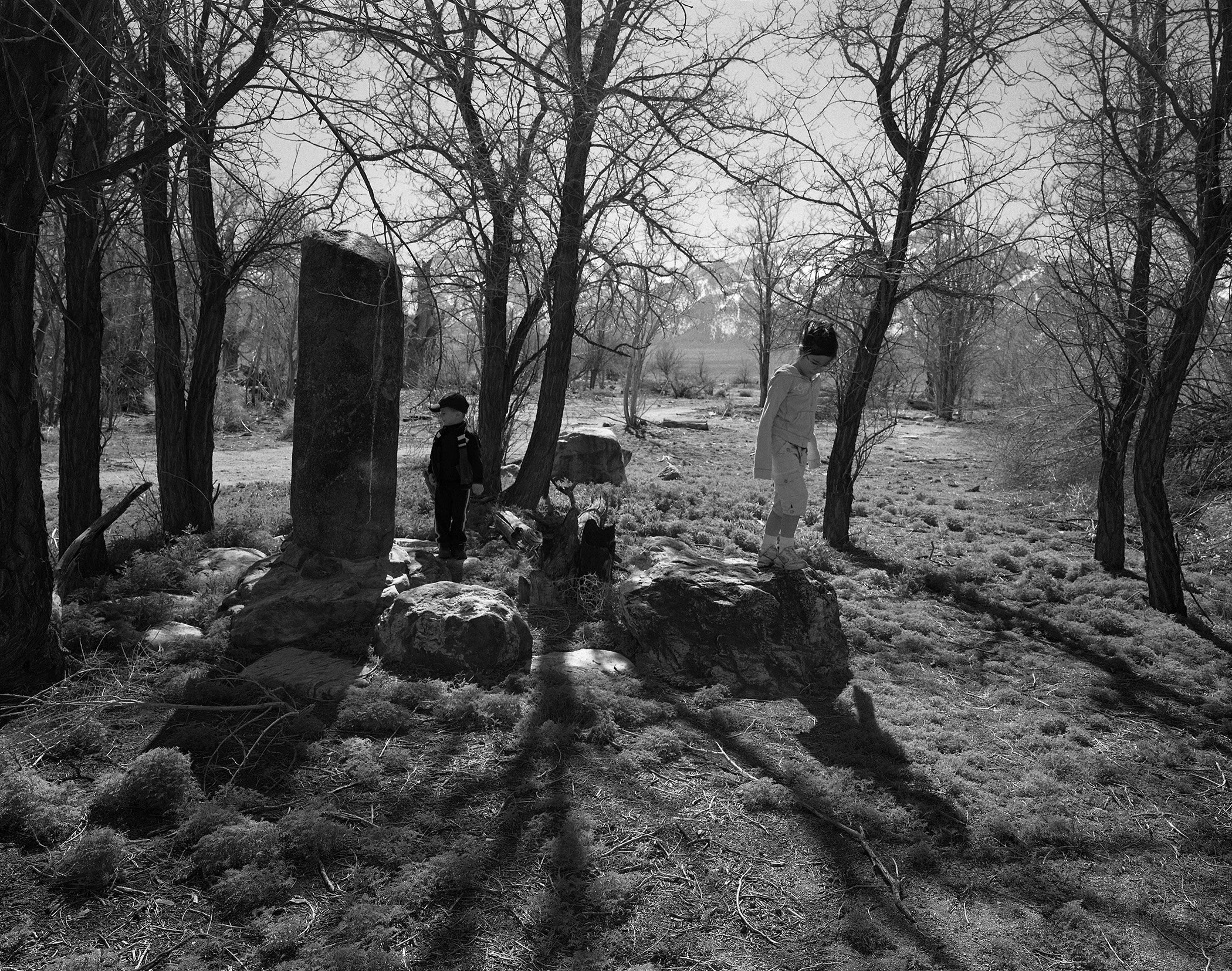
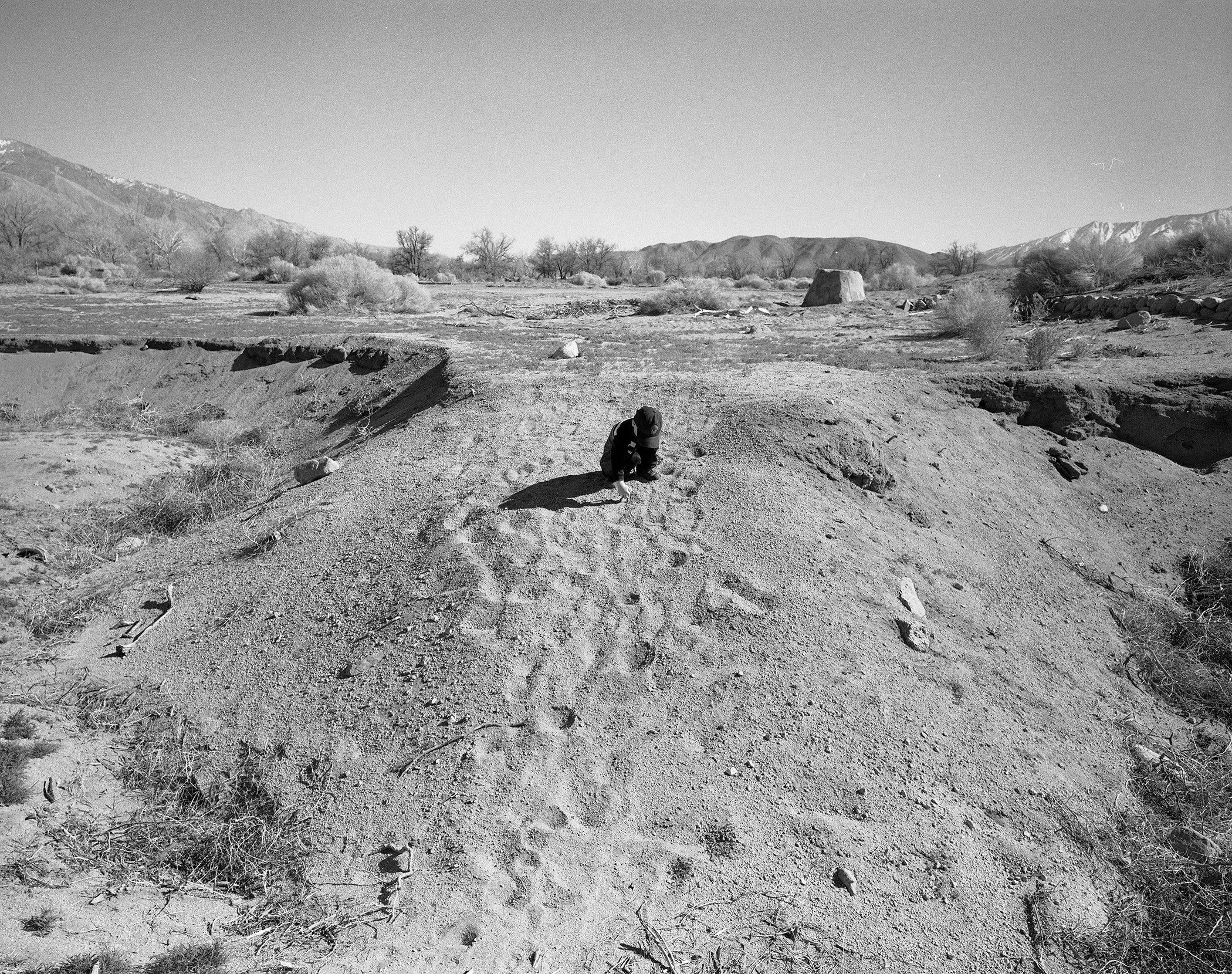
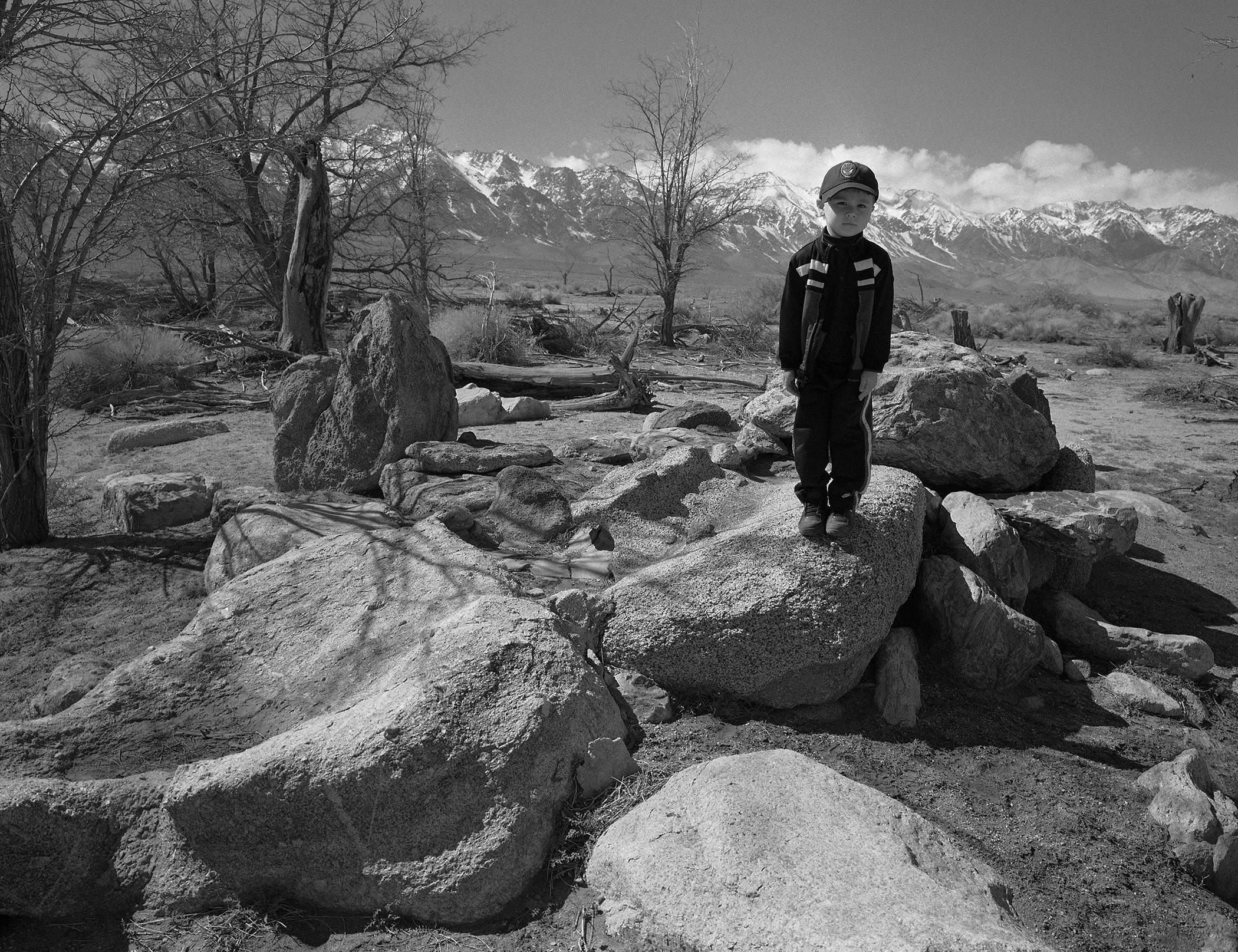
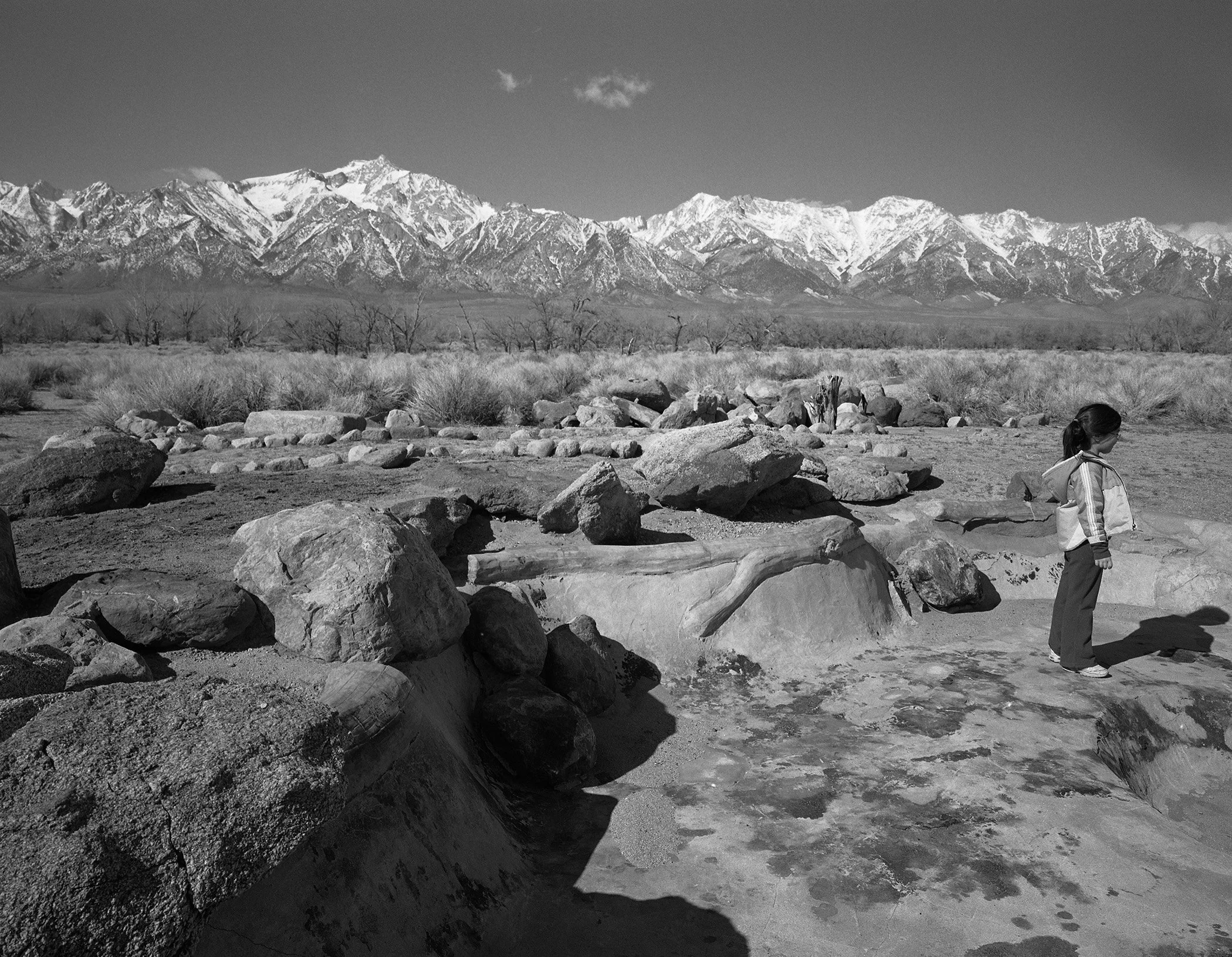
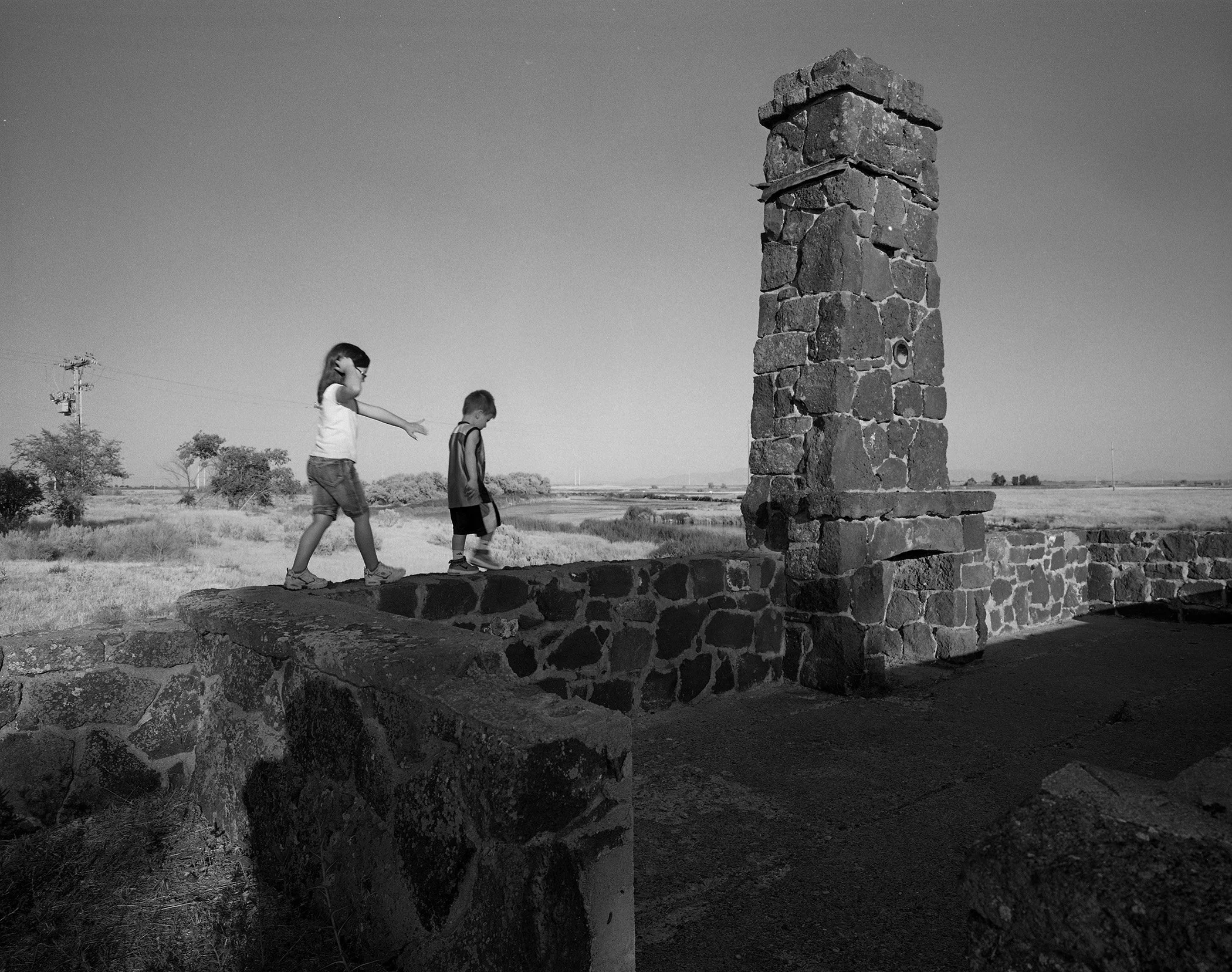
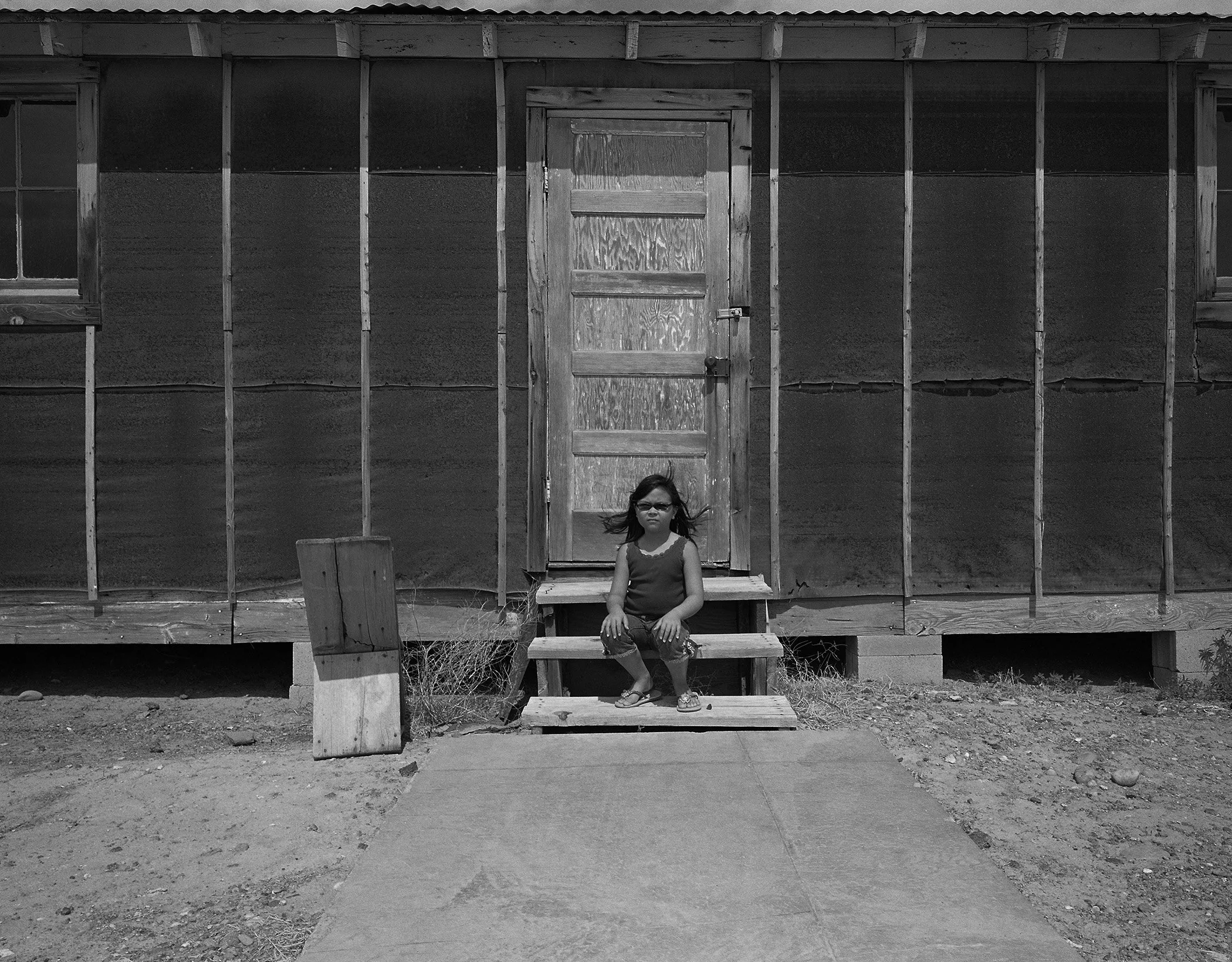
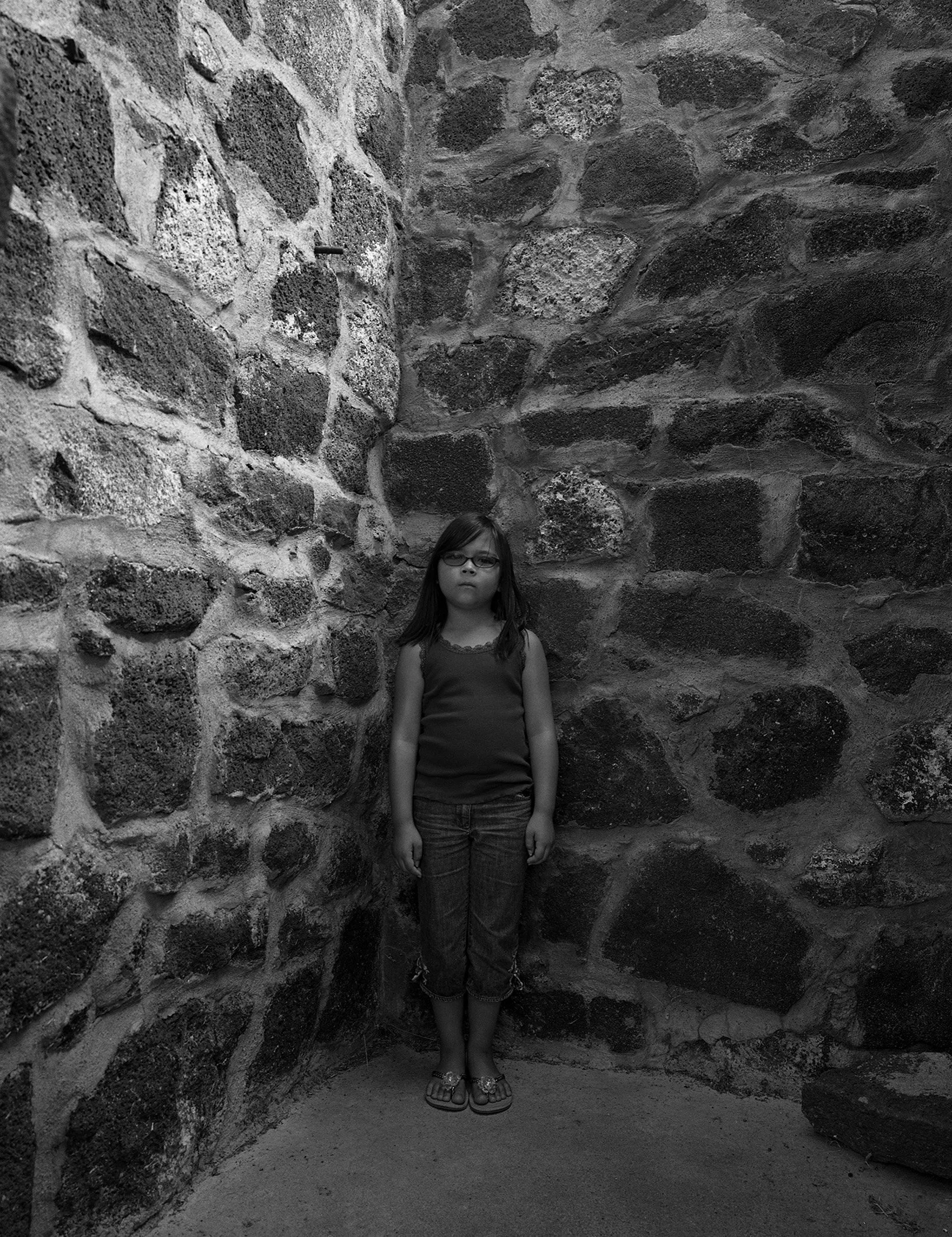
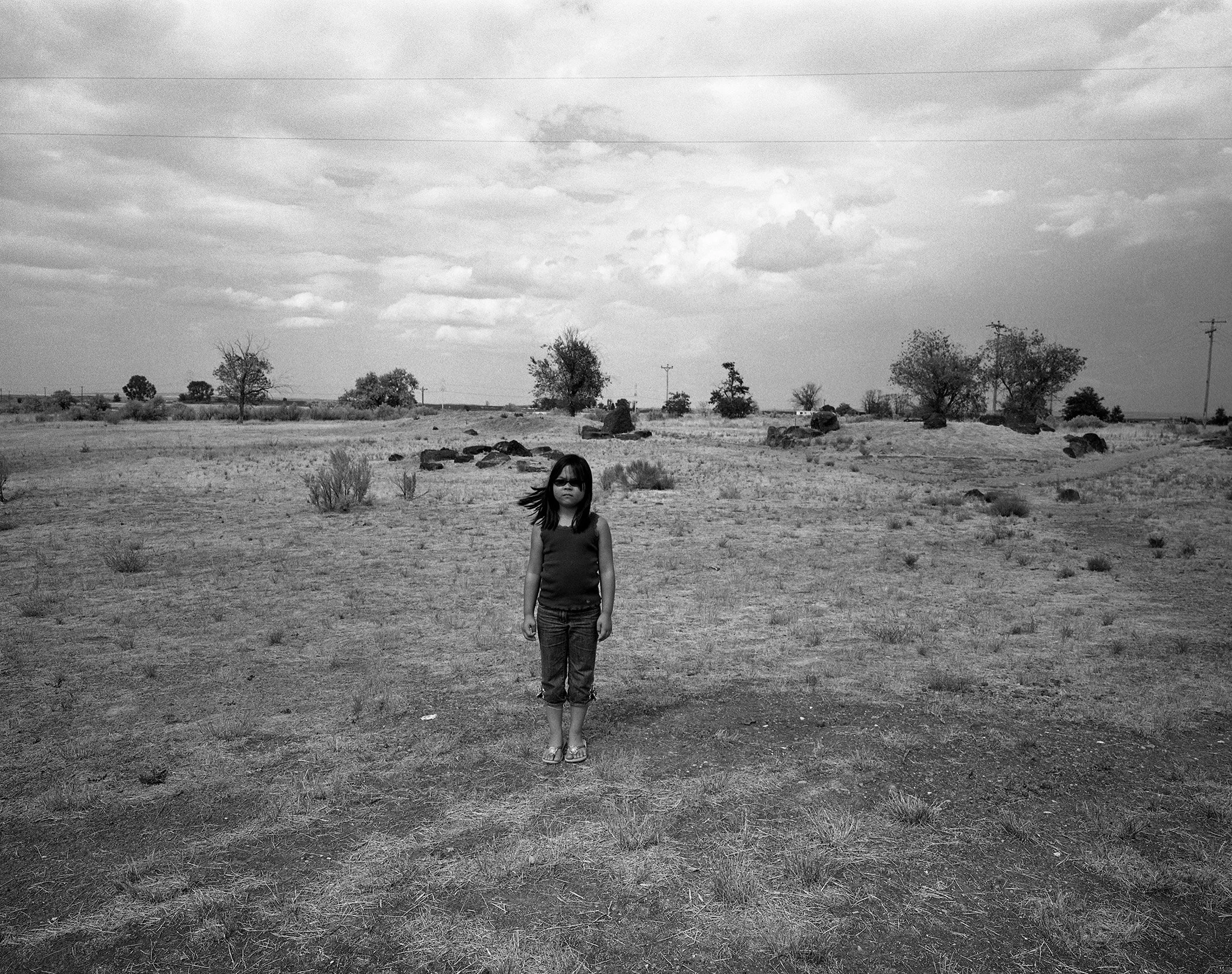
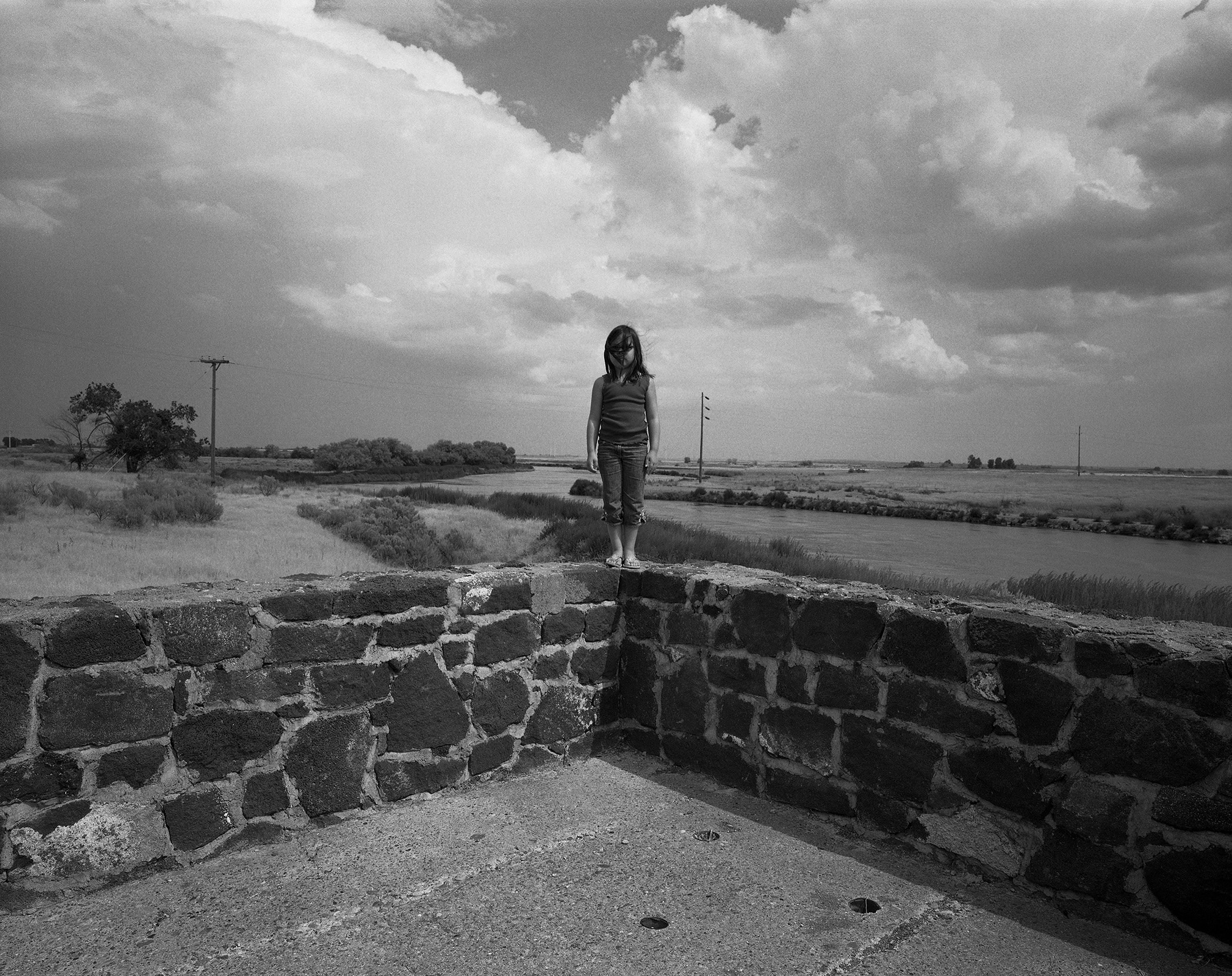
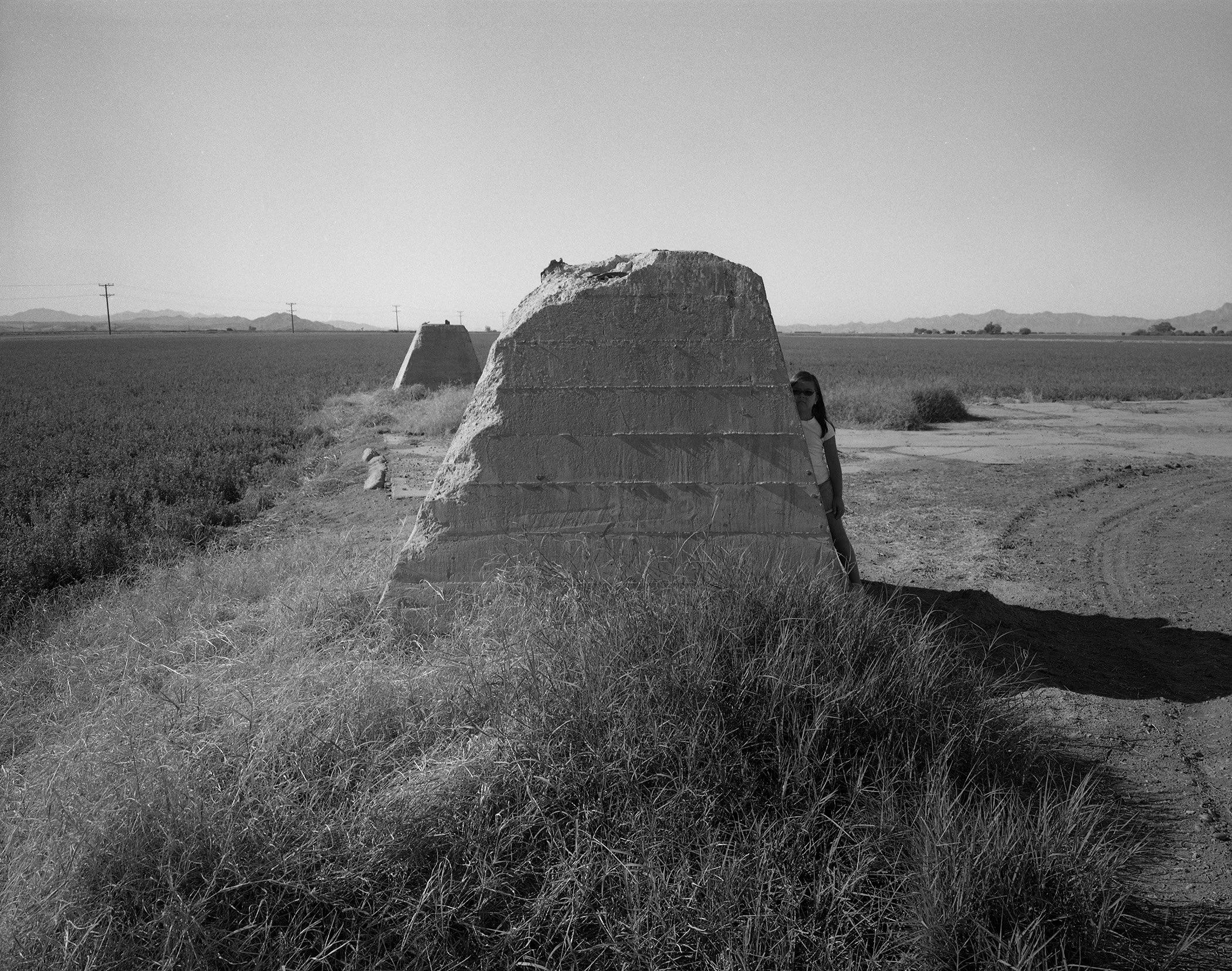
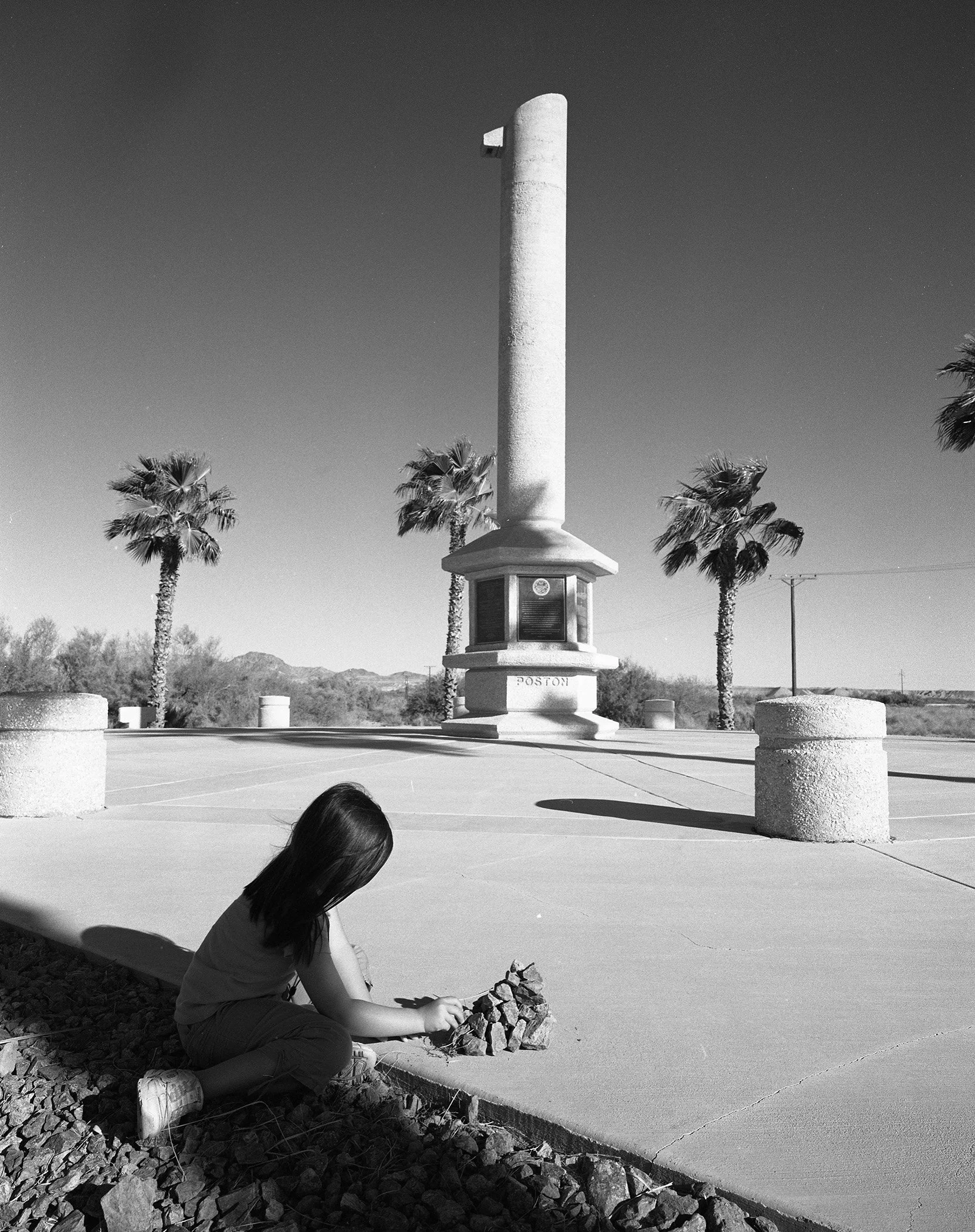
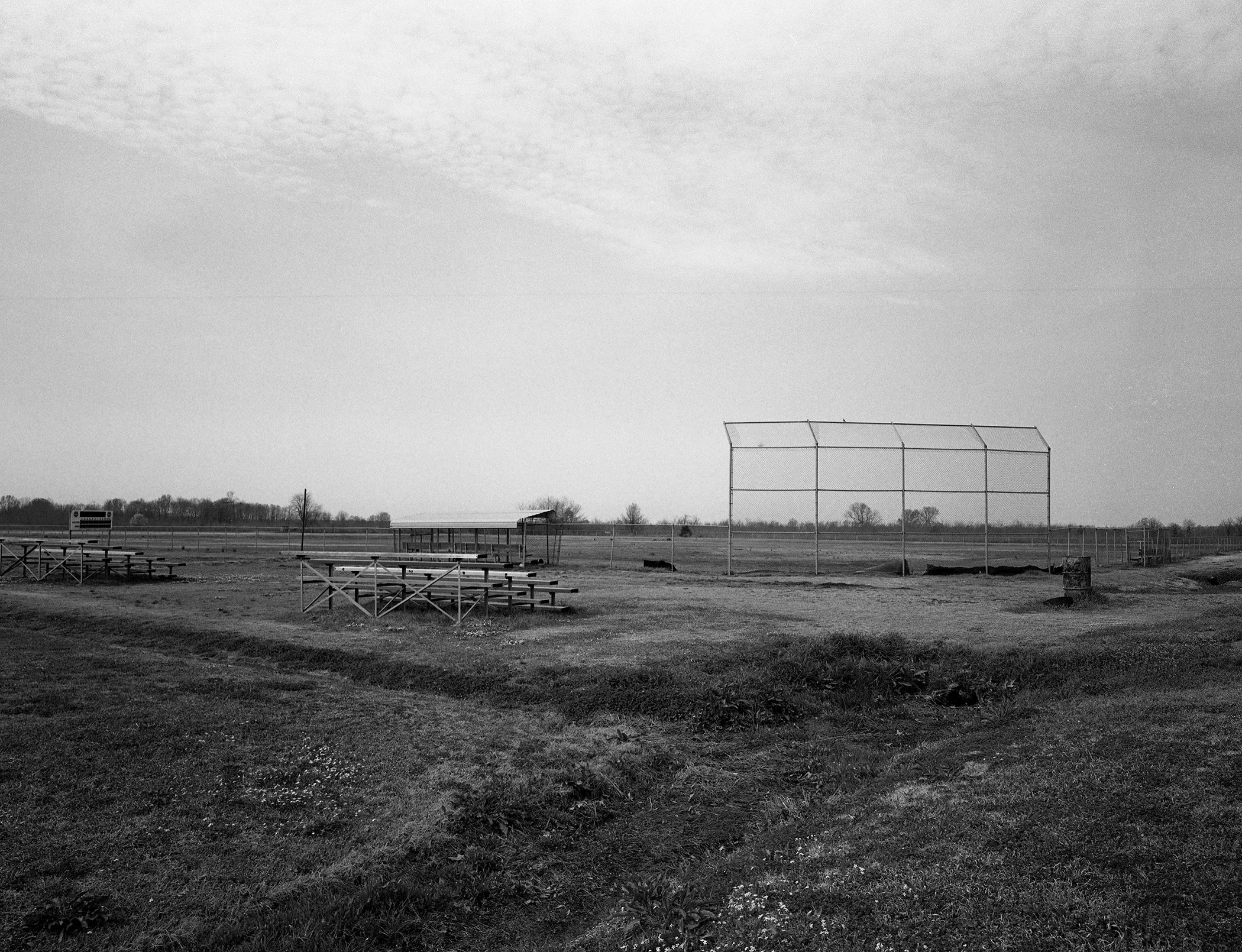
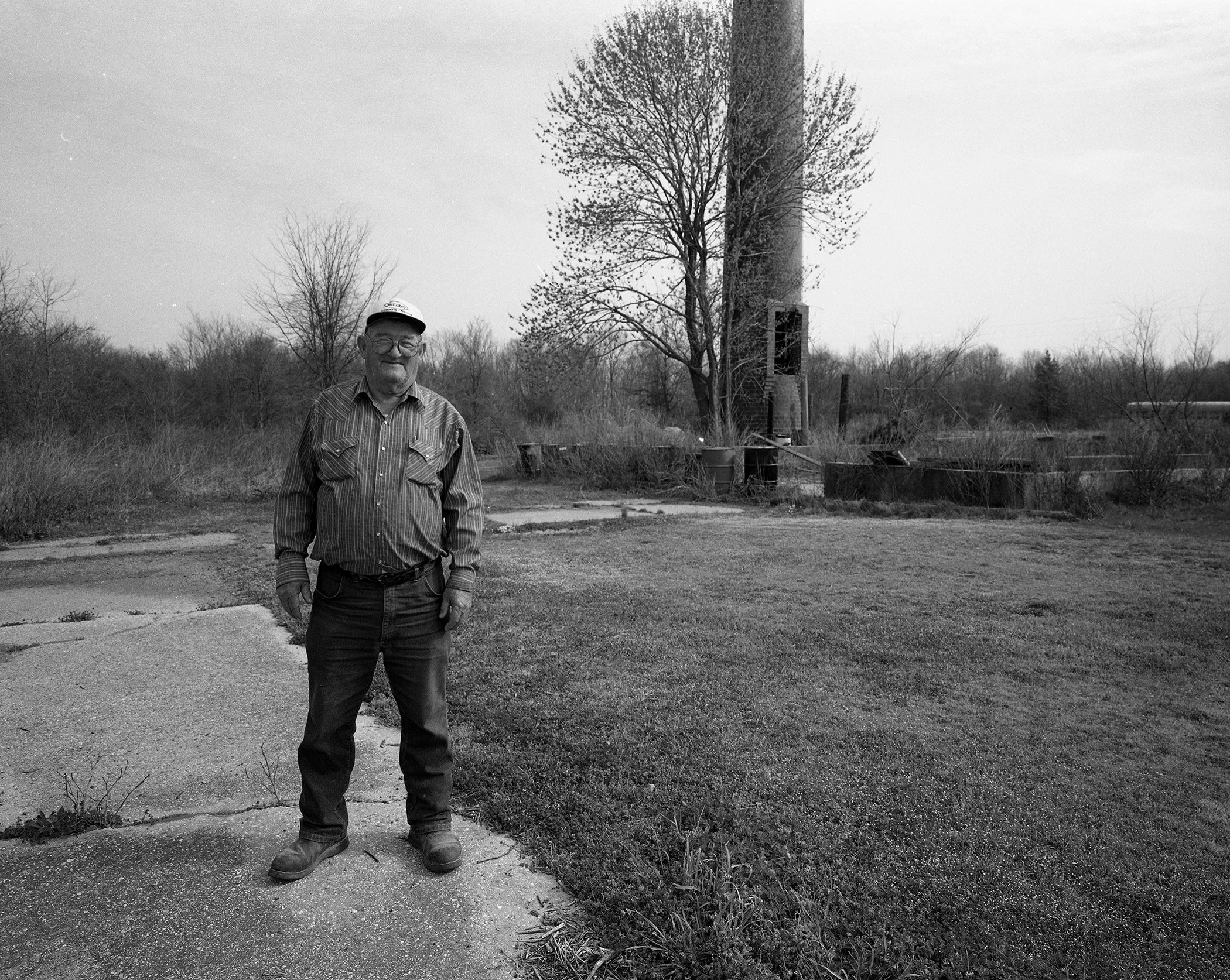
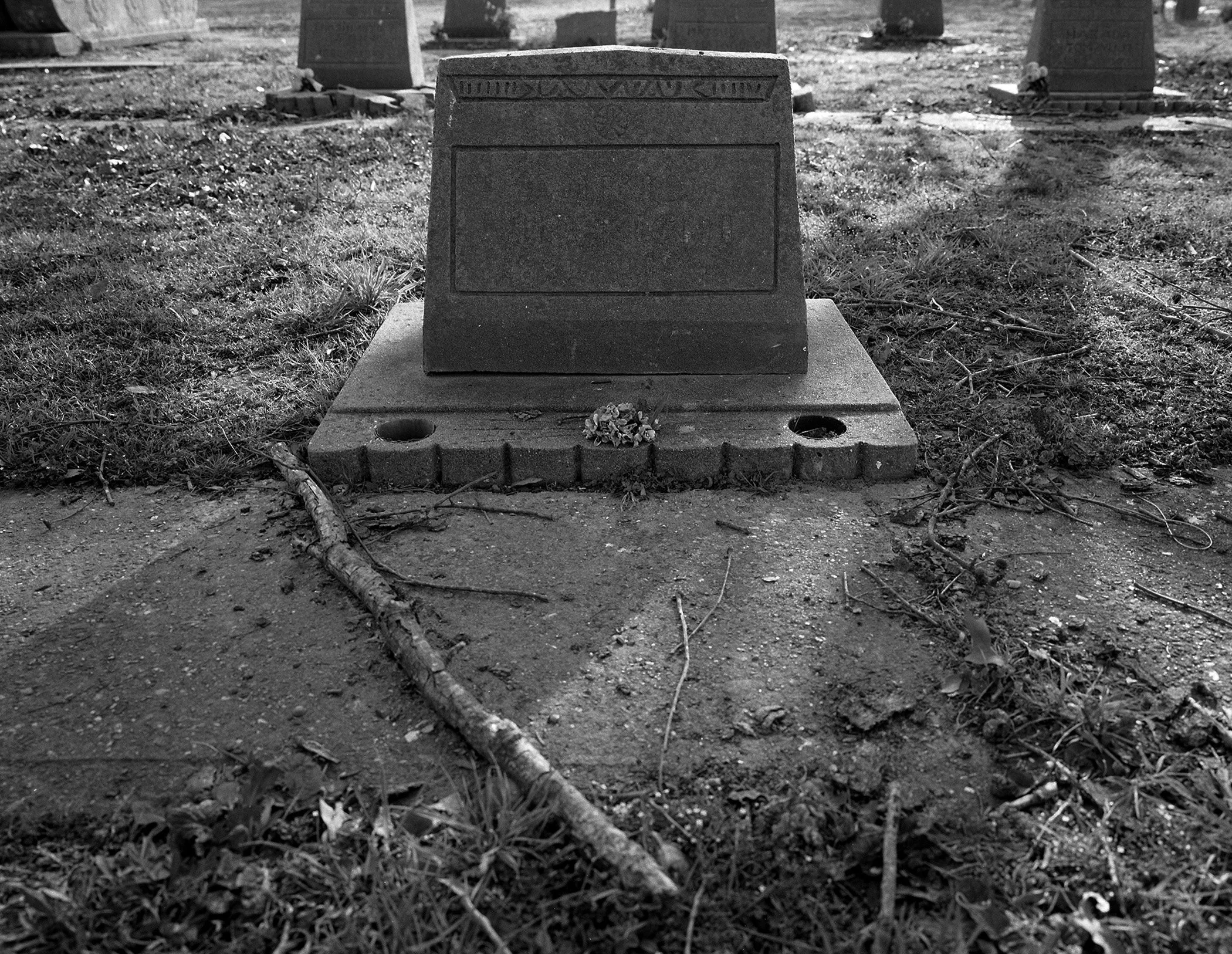
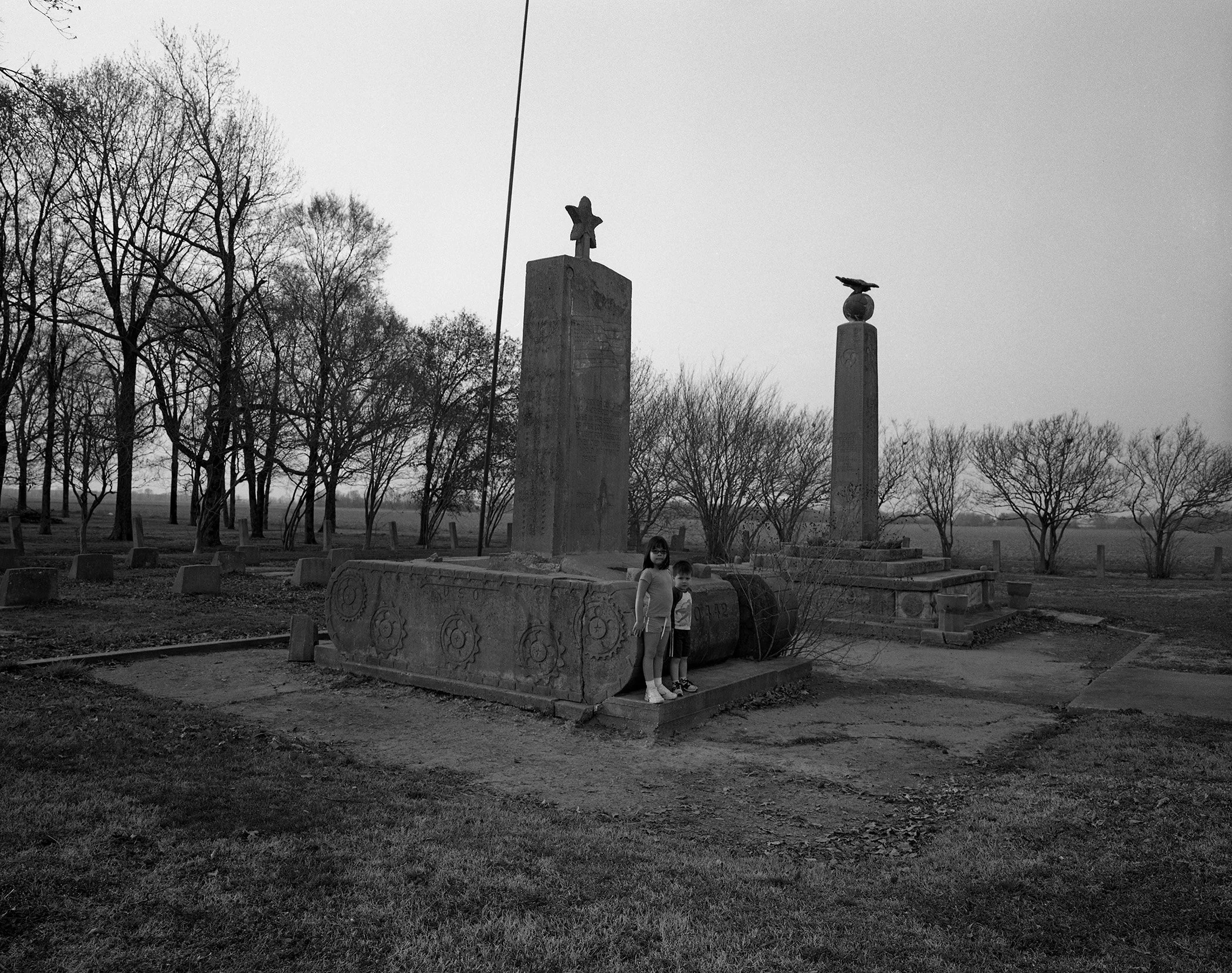
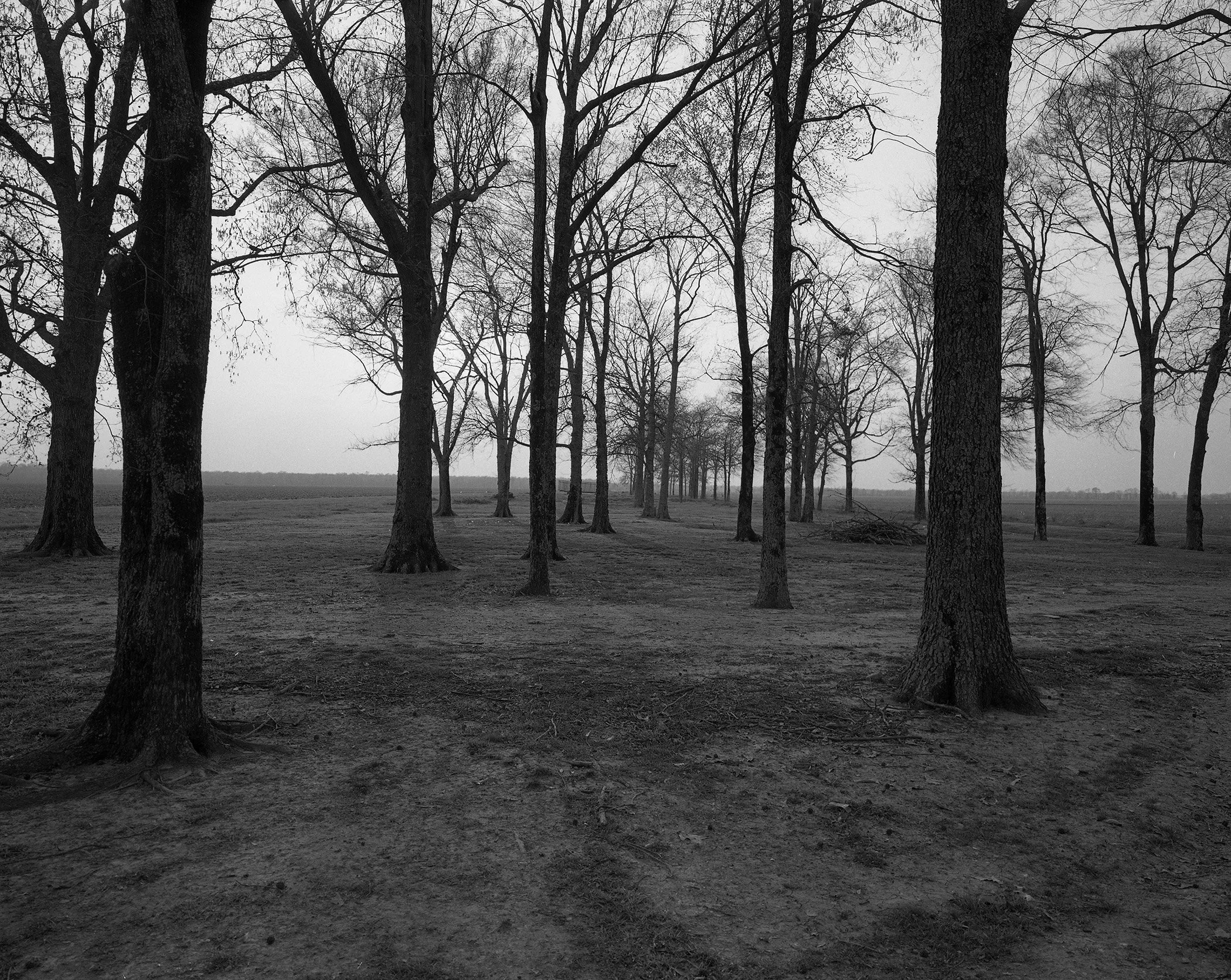
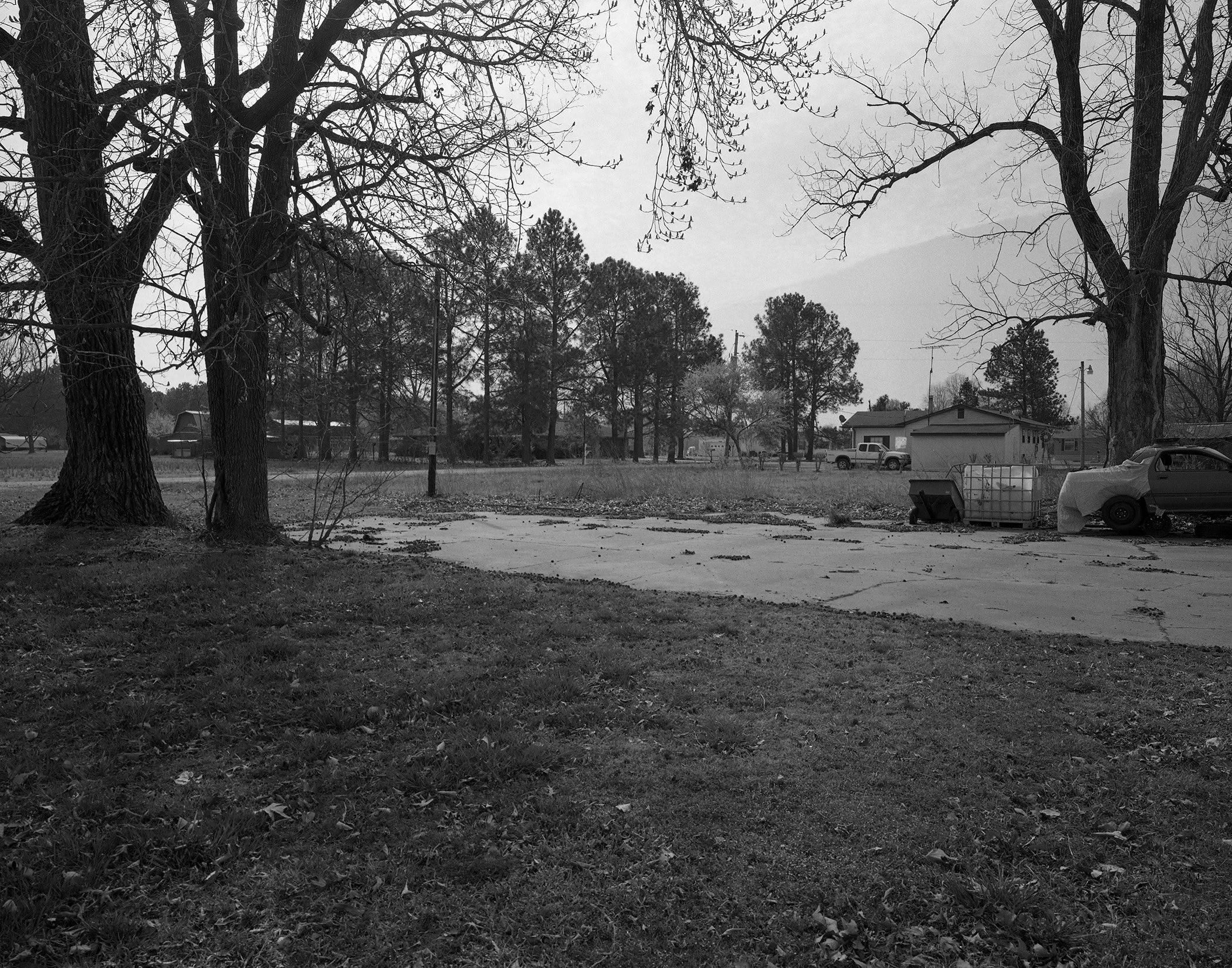
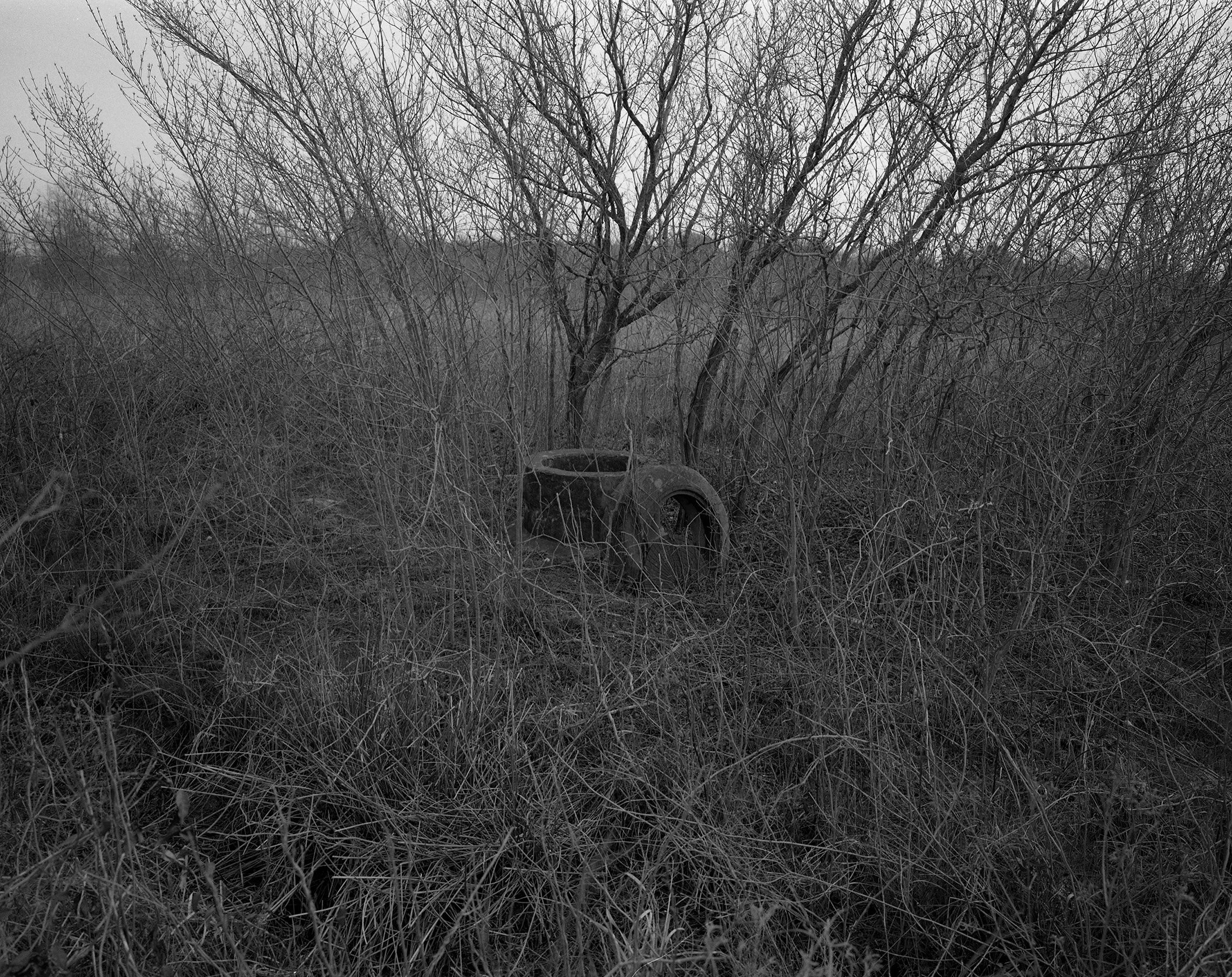
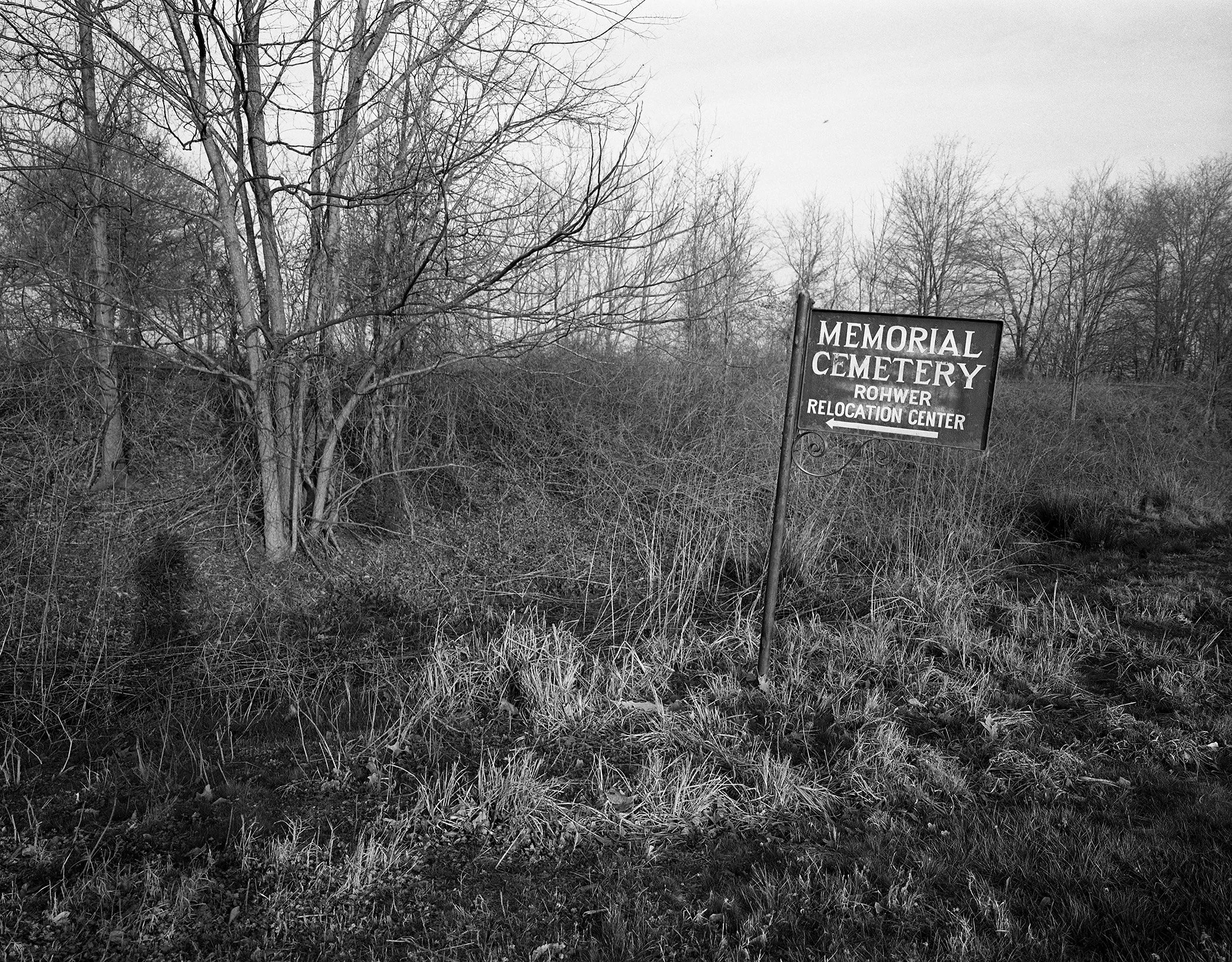
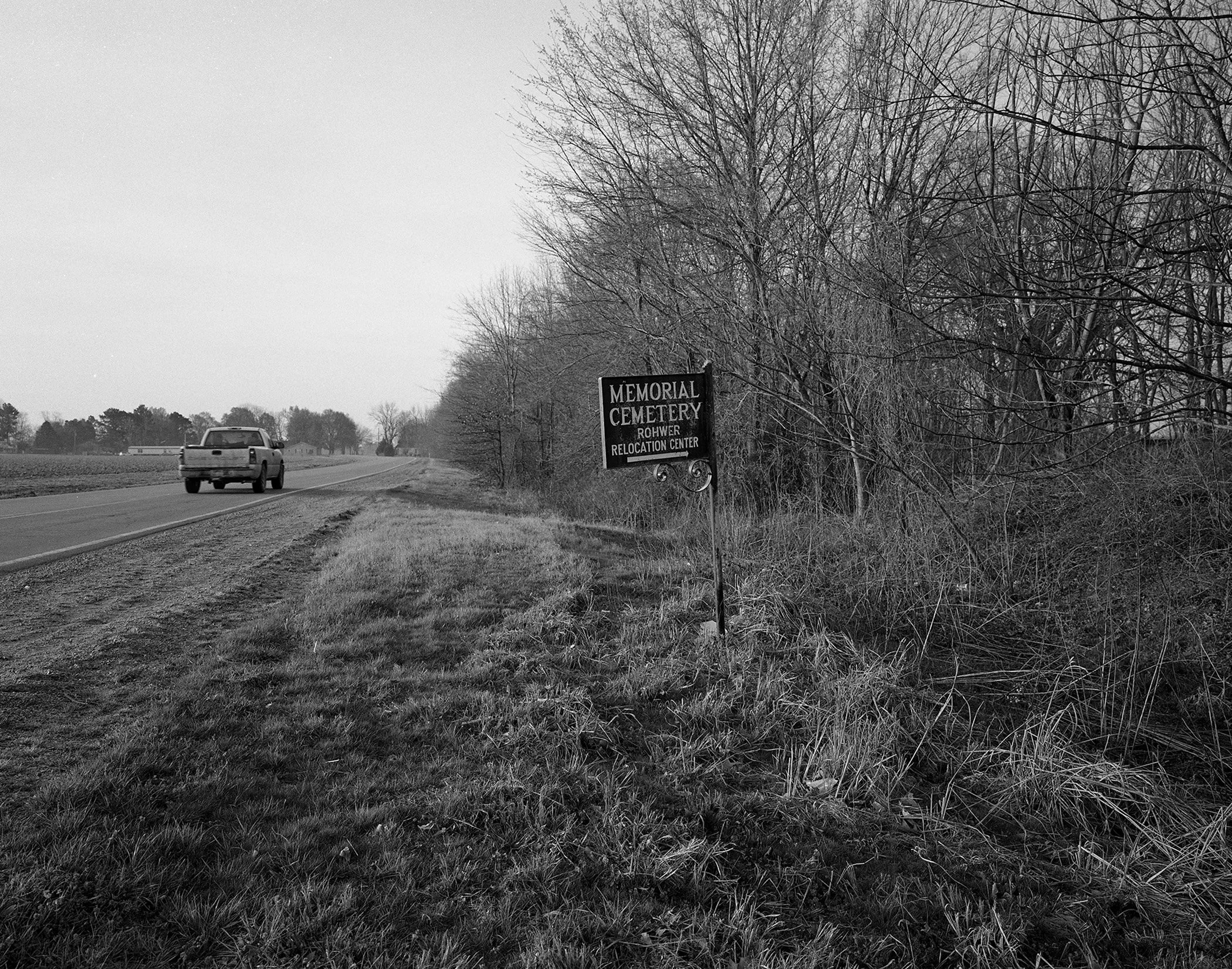
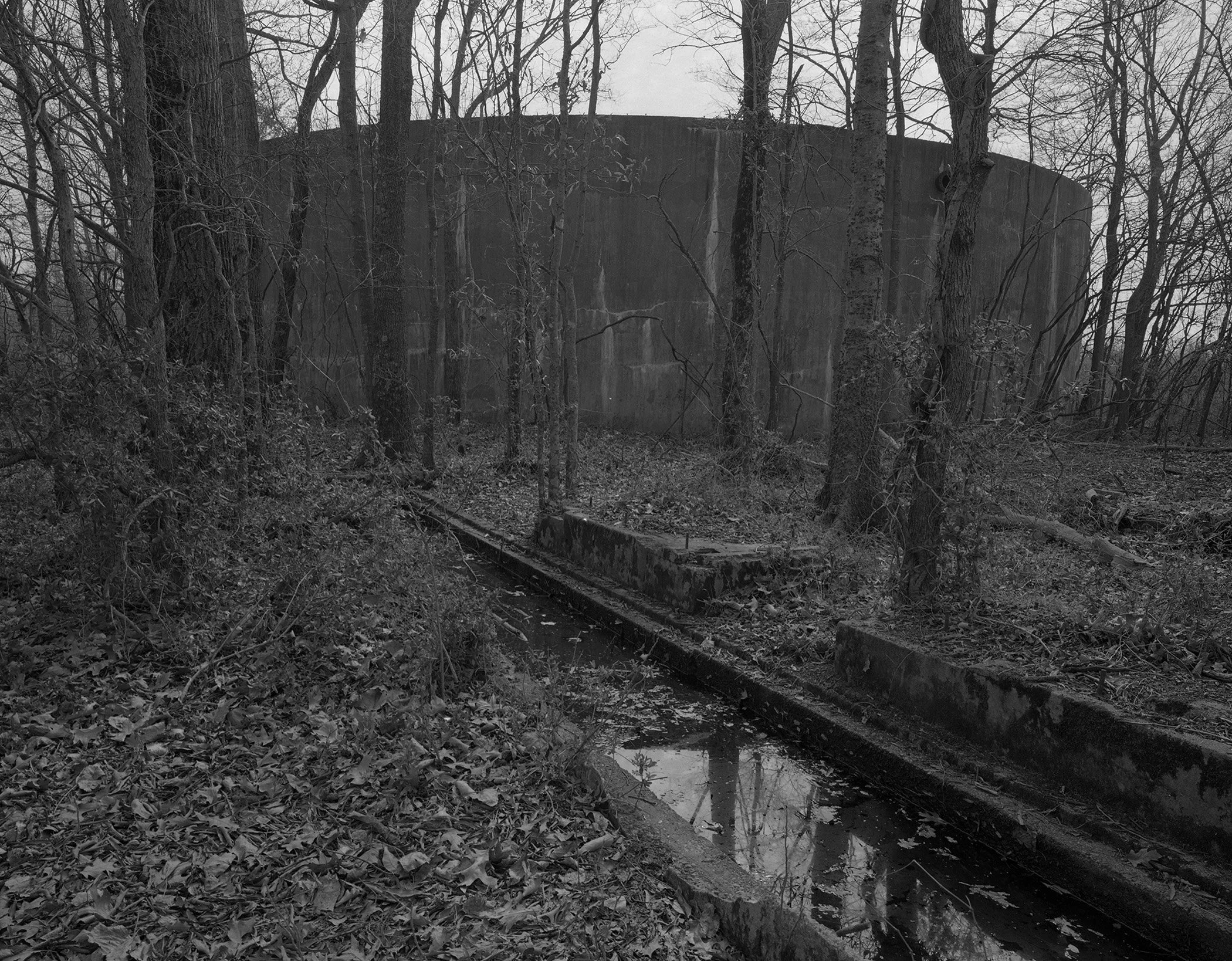
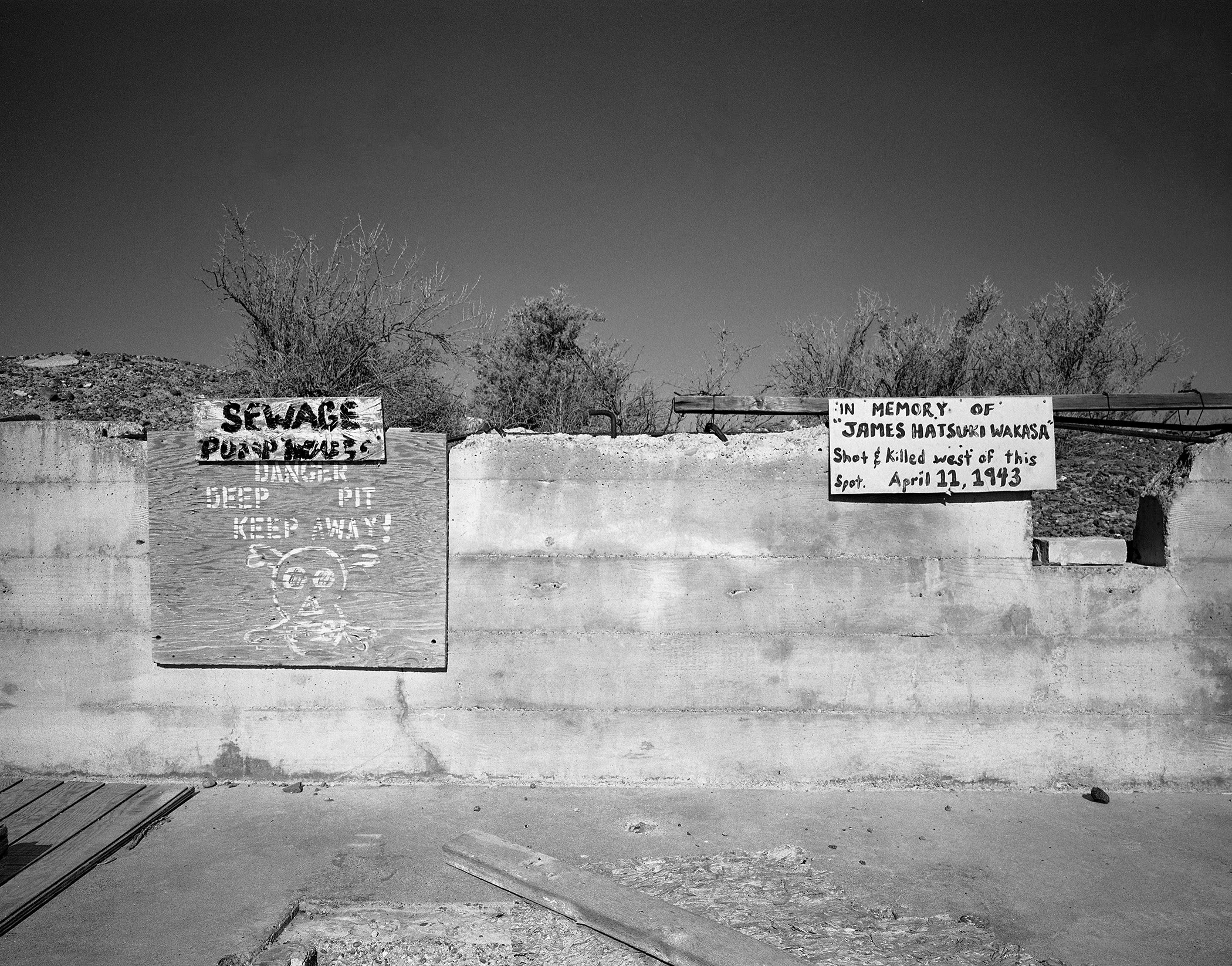
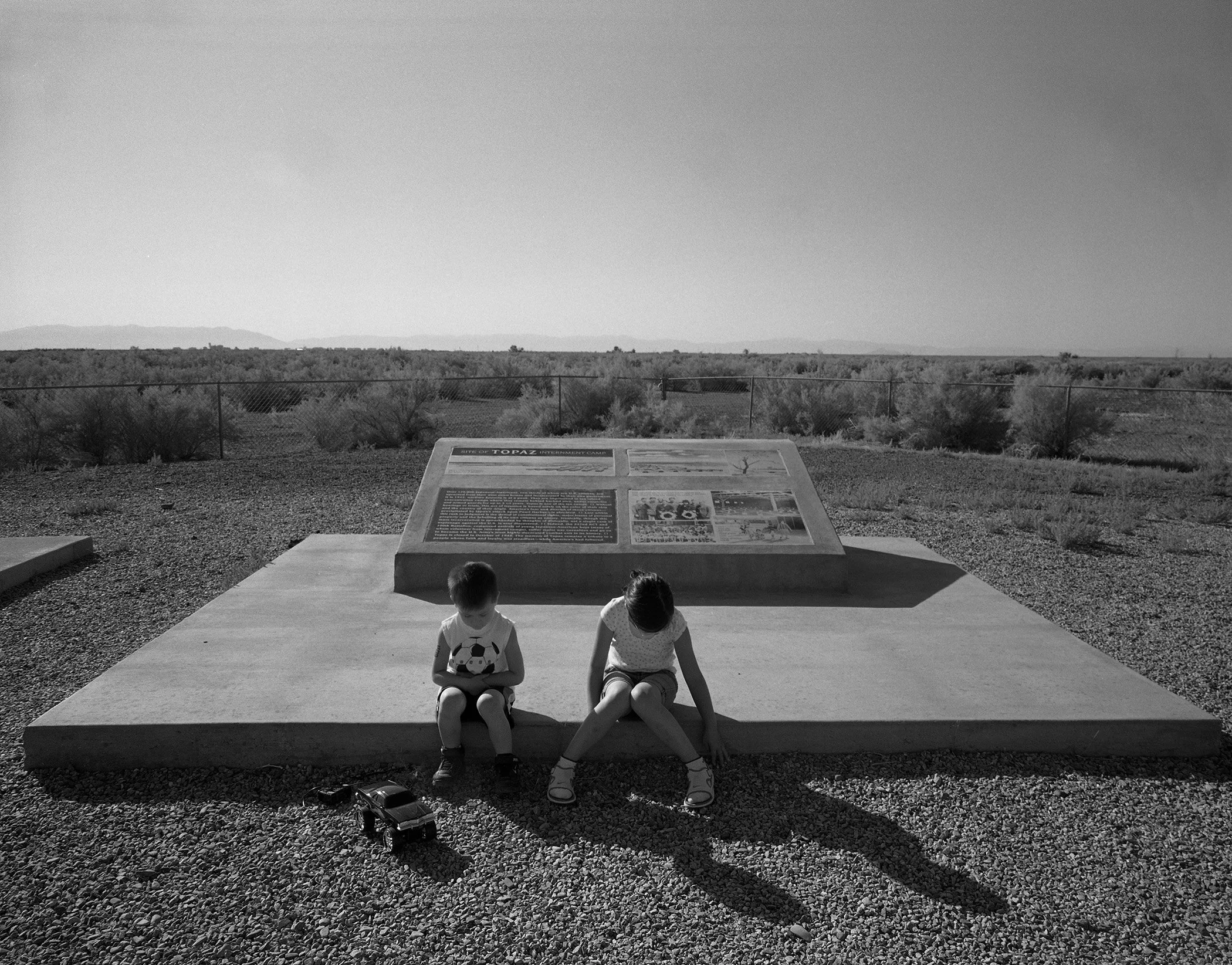
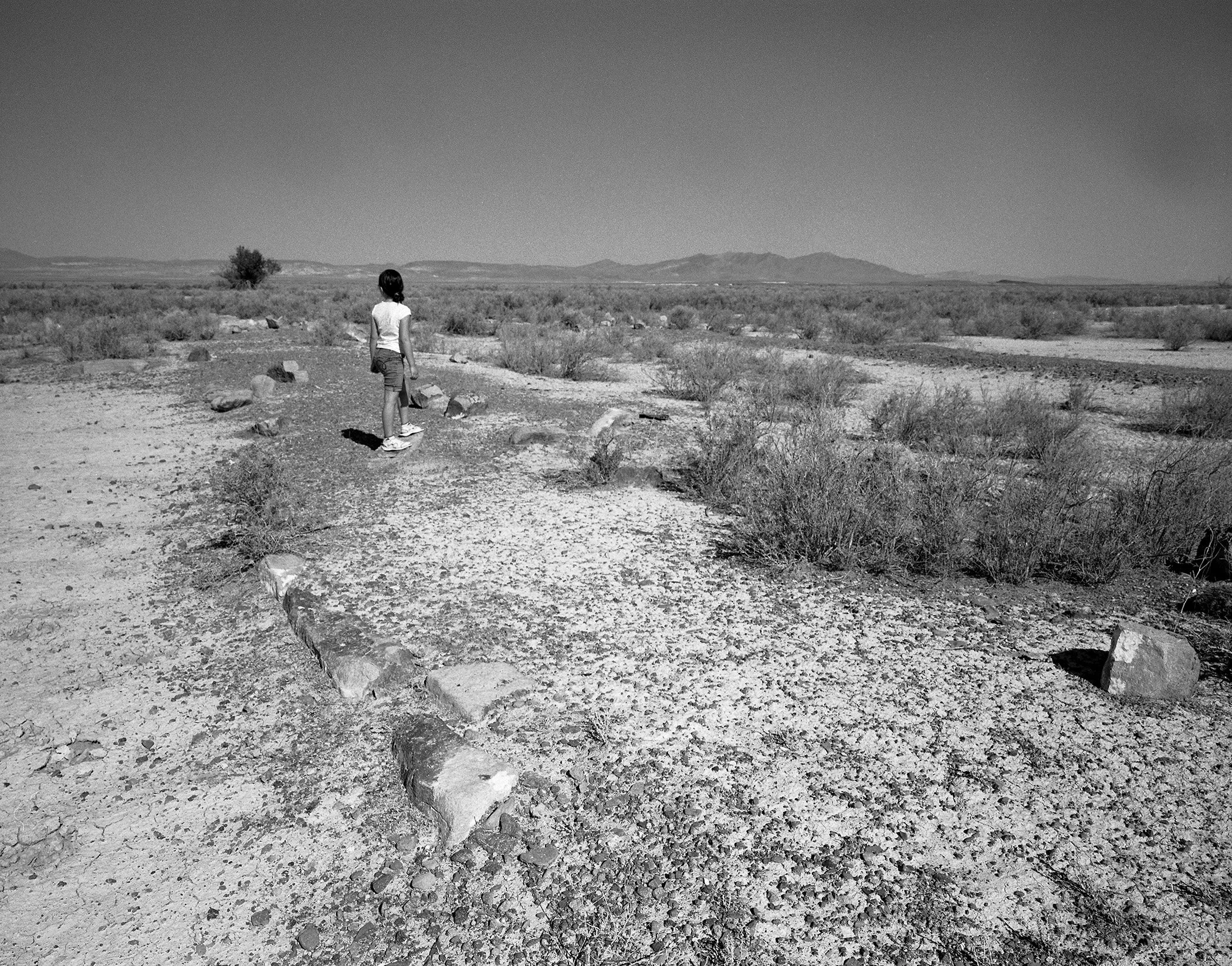
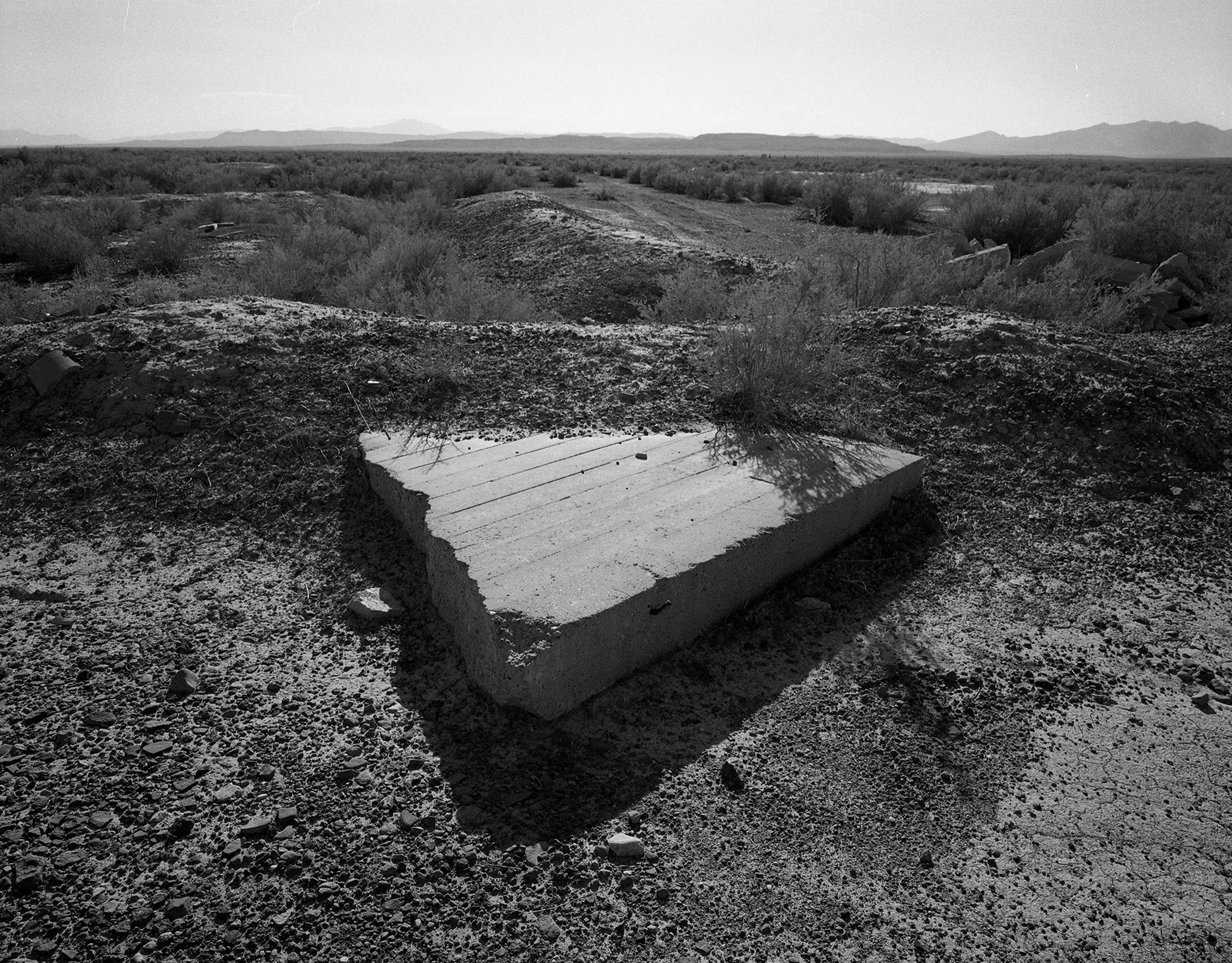
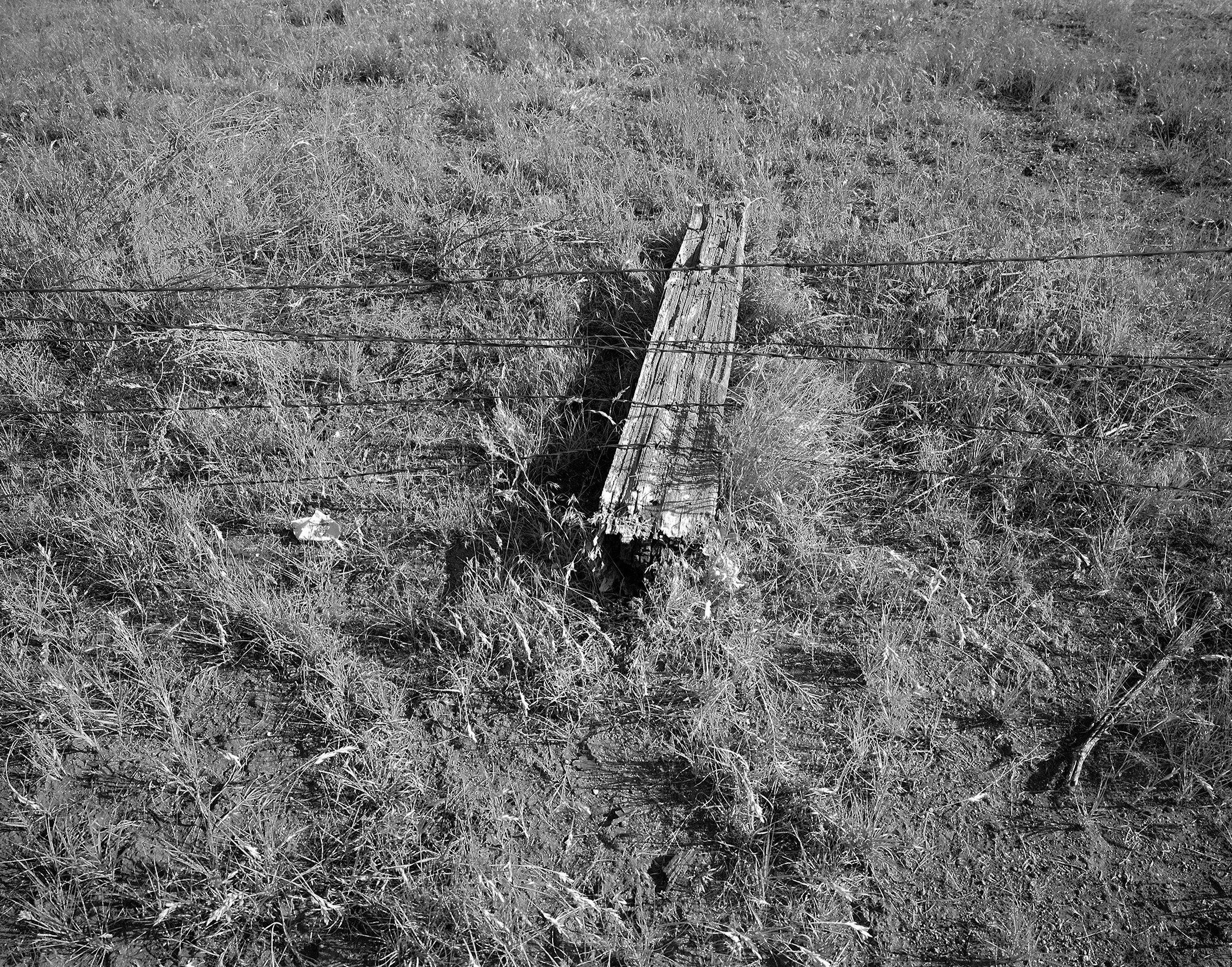
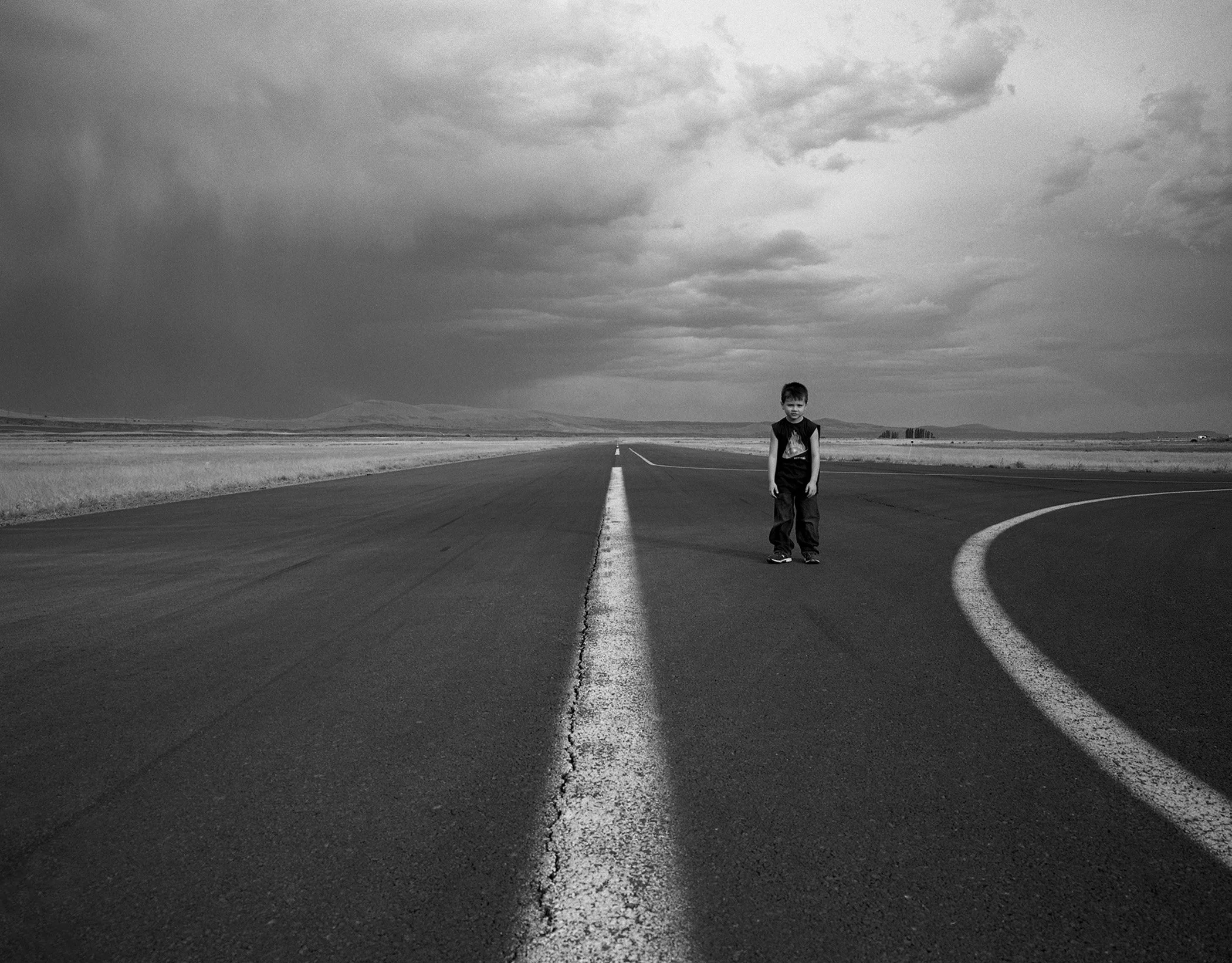
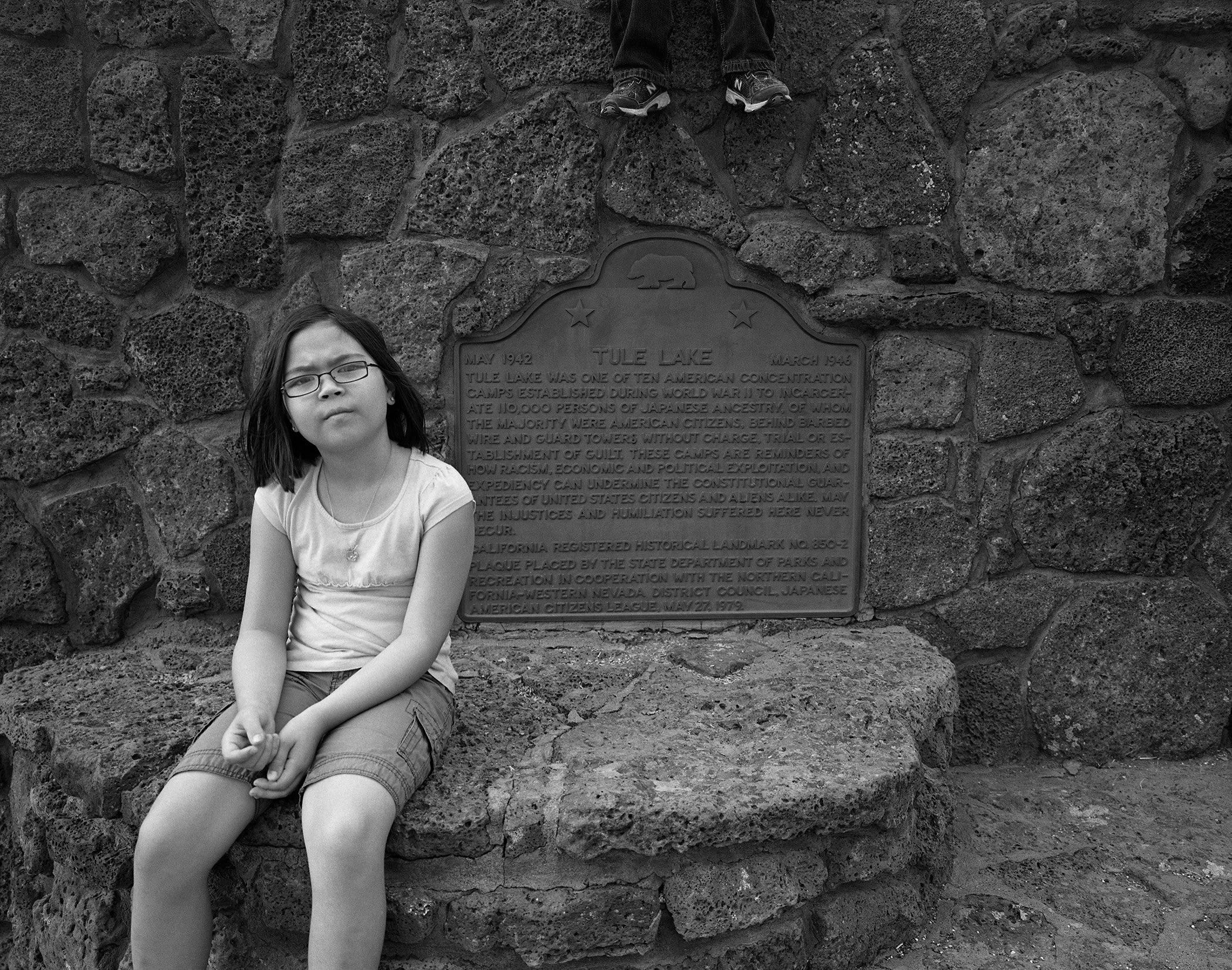
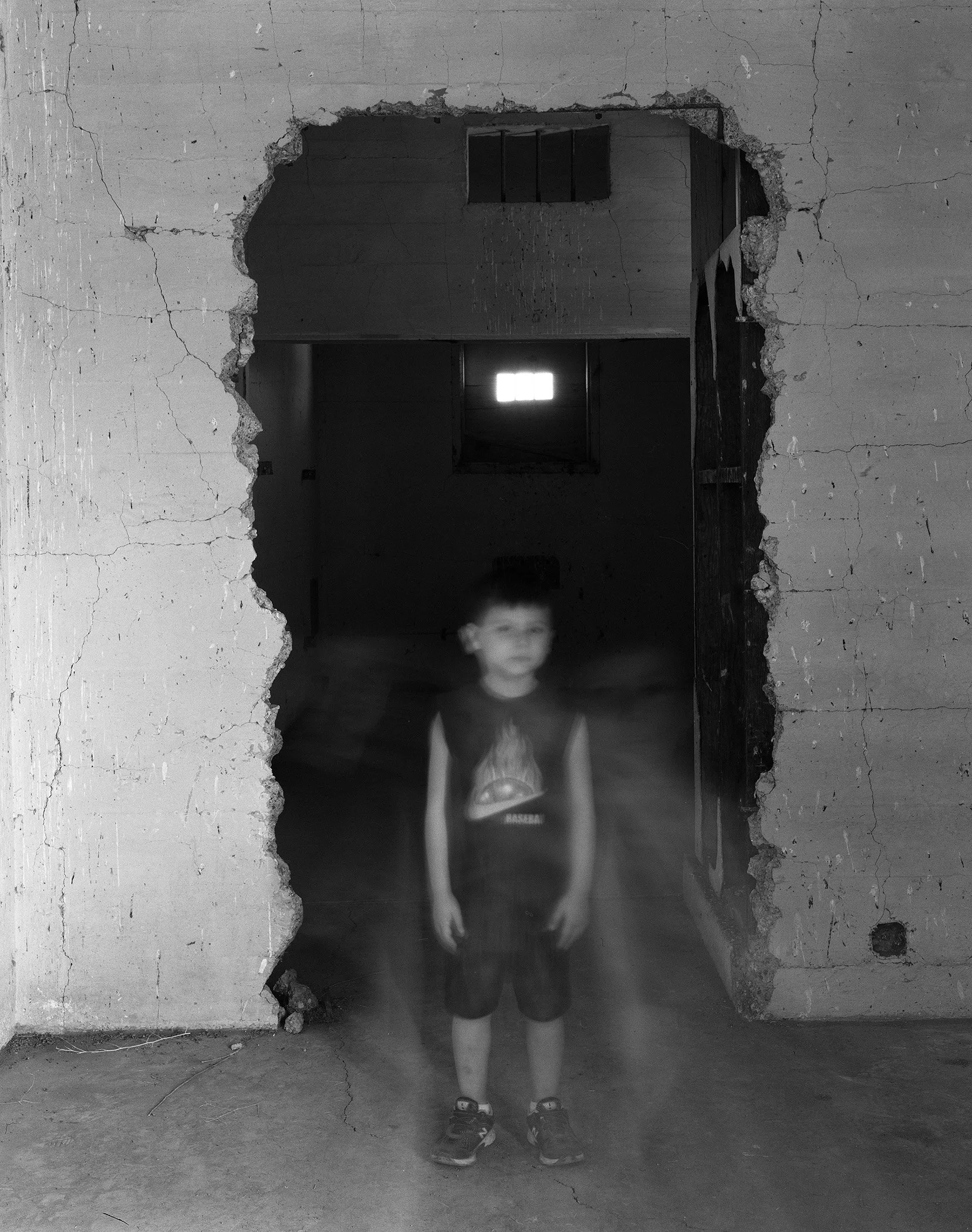
My family’s experiences with questions of race and identity have led me to examine these World War II Japanese Incarceration camps. Photographing at these historical sites makes the abstract knowledge of these places real. We imagine the lives of these uprooted families. The visual exploration of these haunted landscapes forces us to directly engage in the question of how race matters in America.
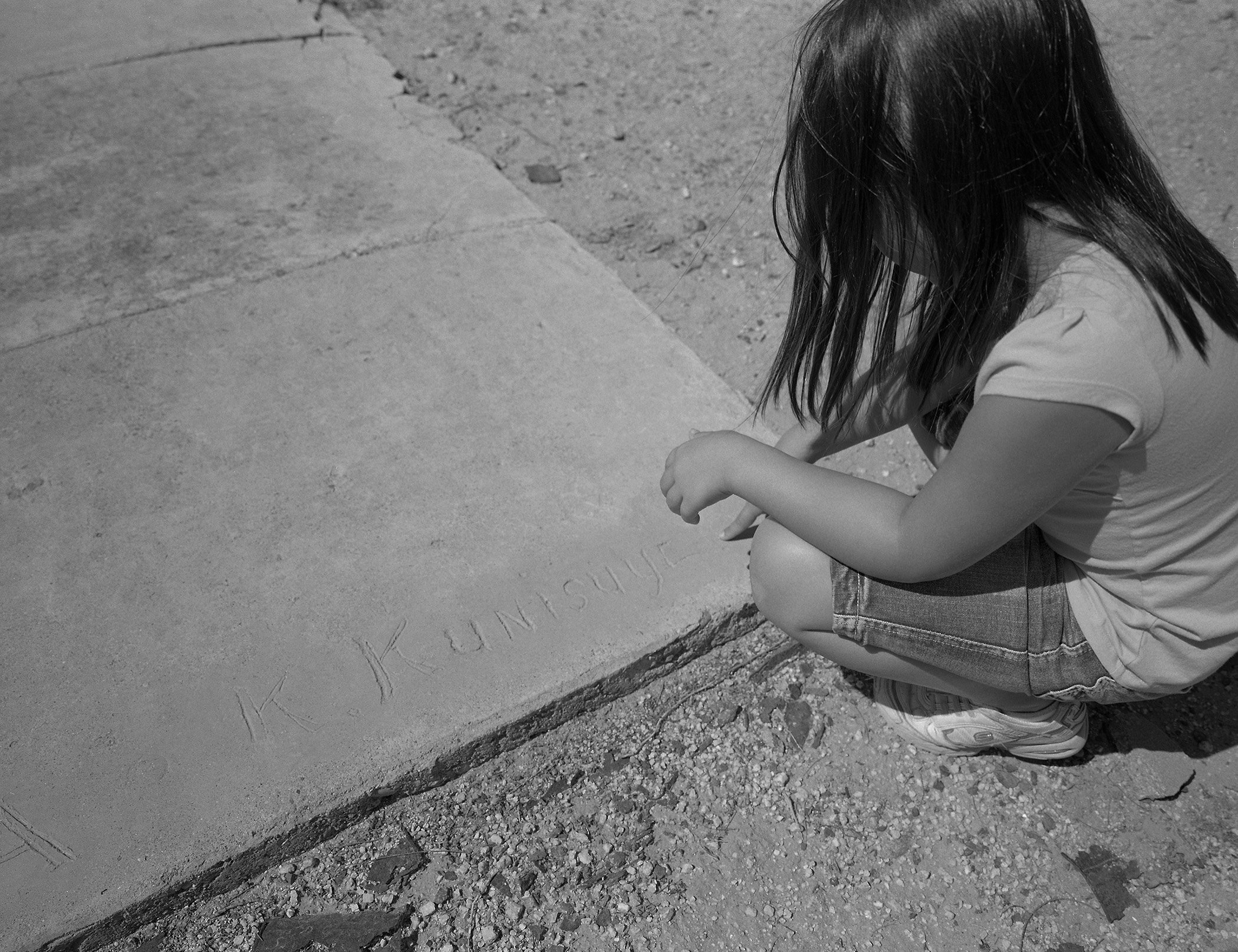
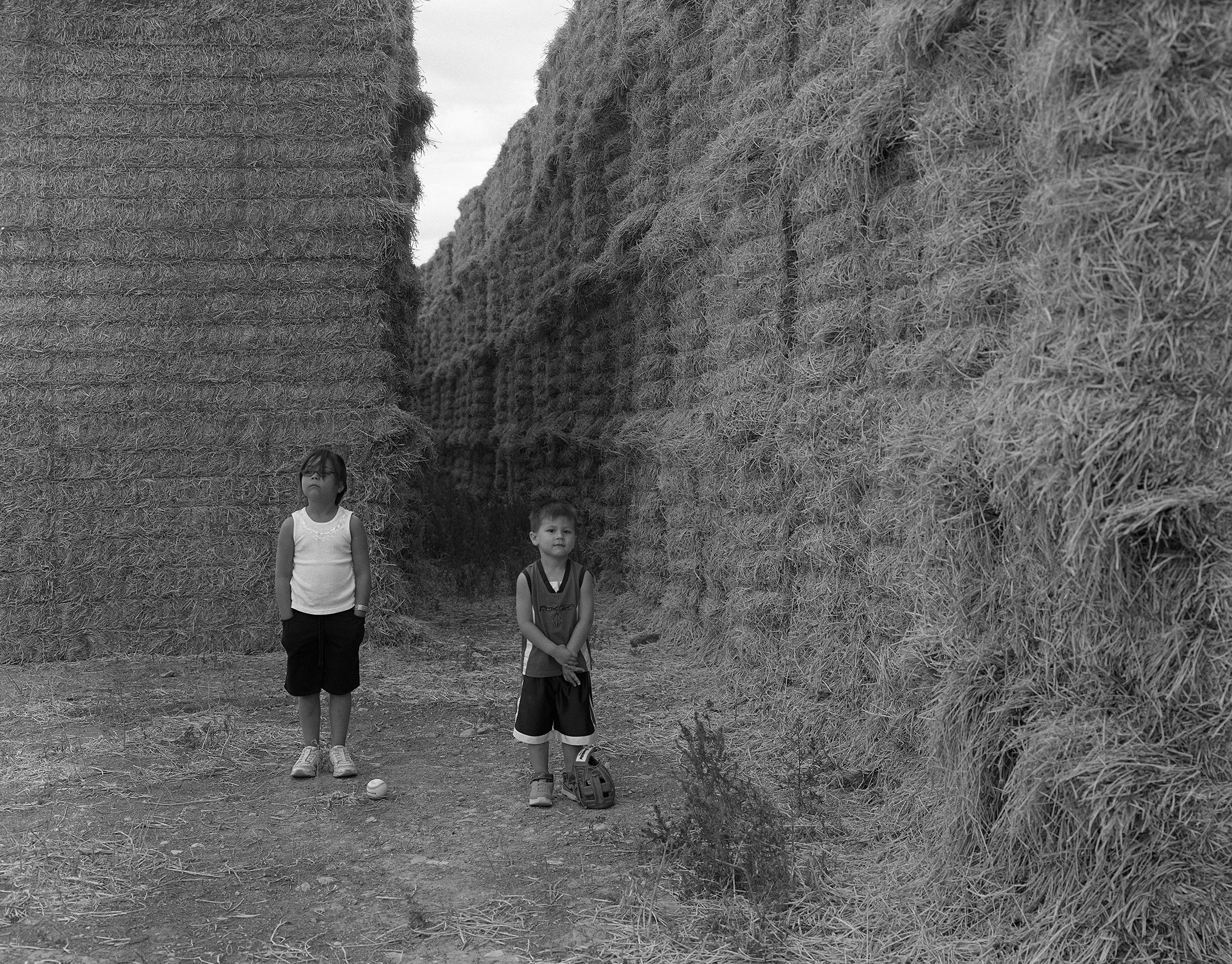
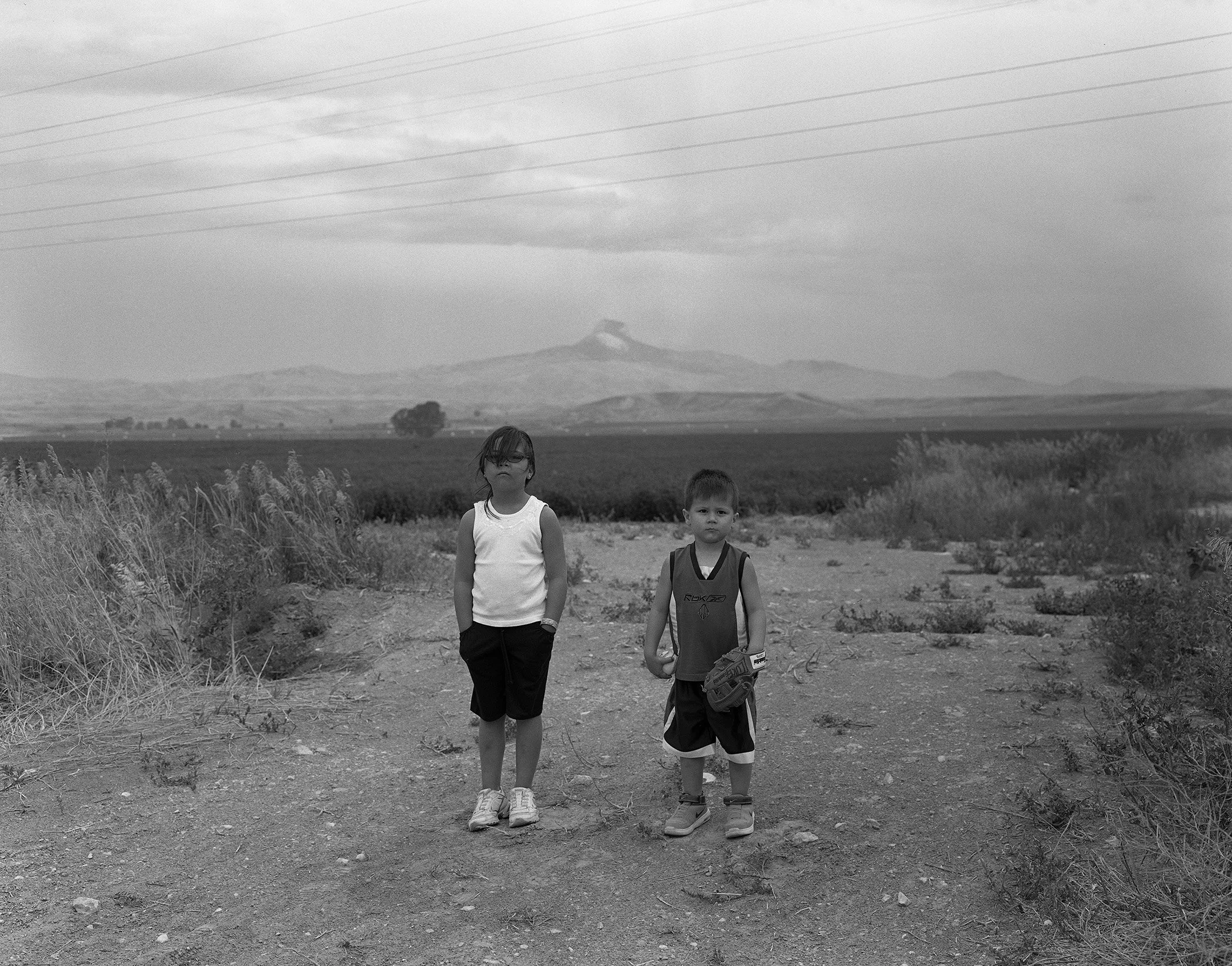
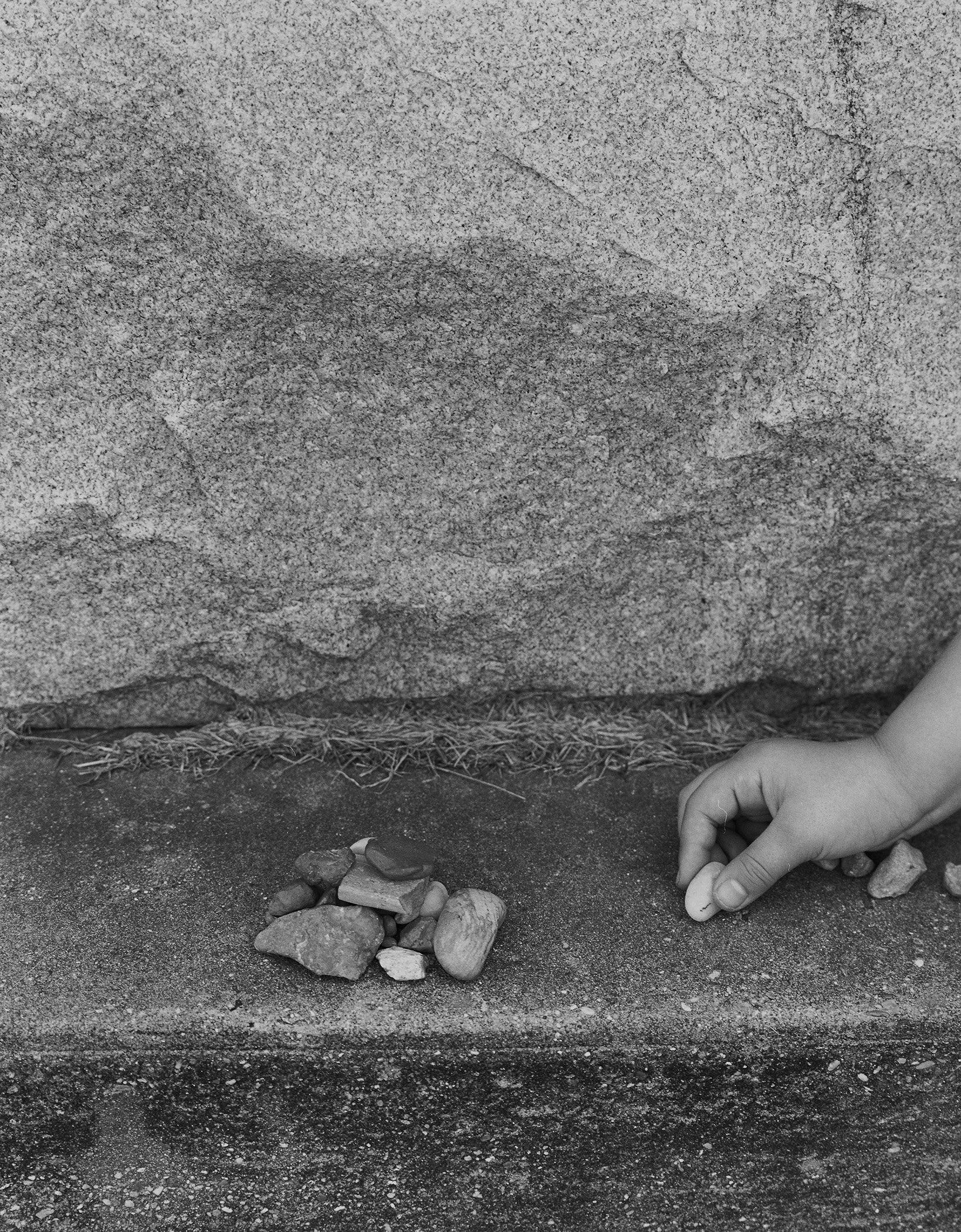
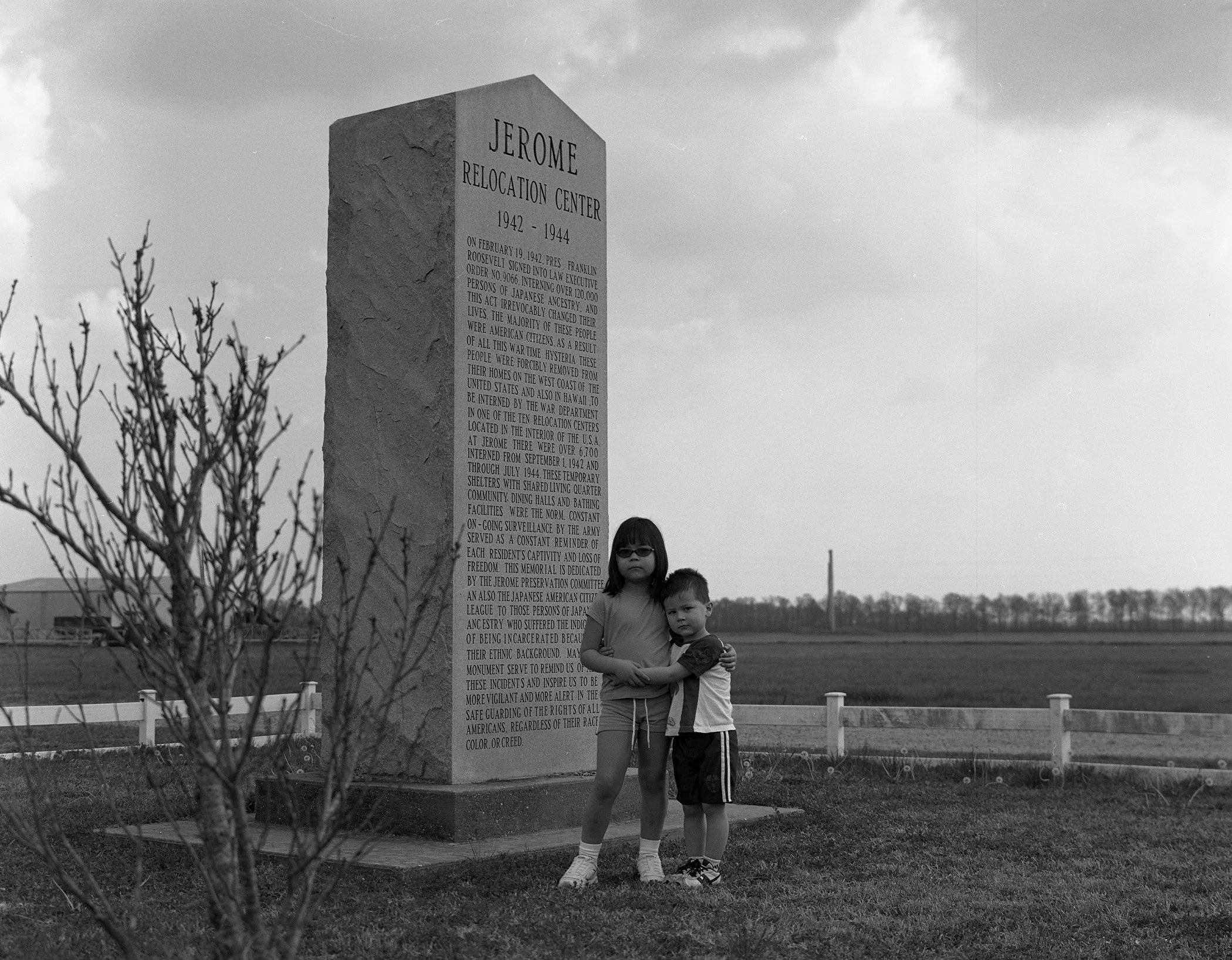
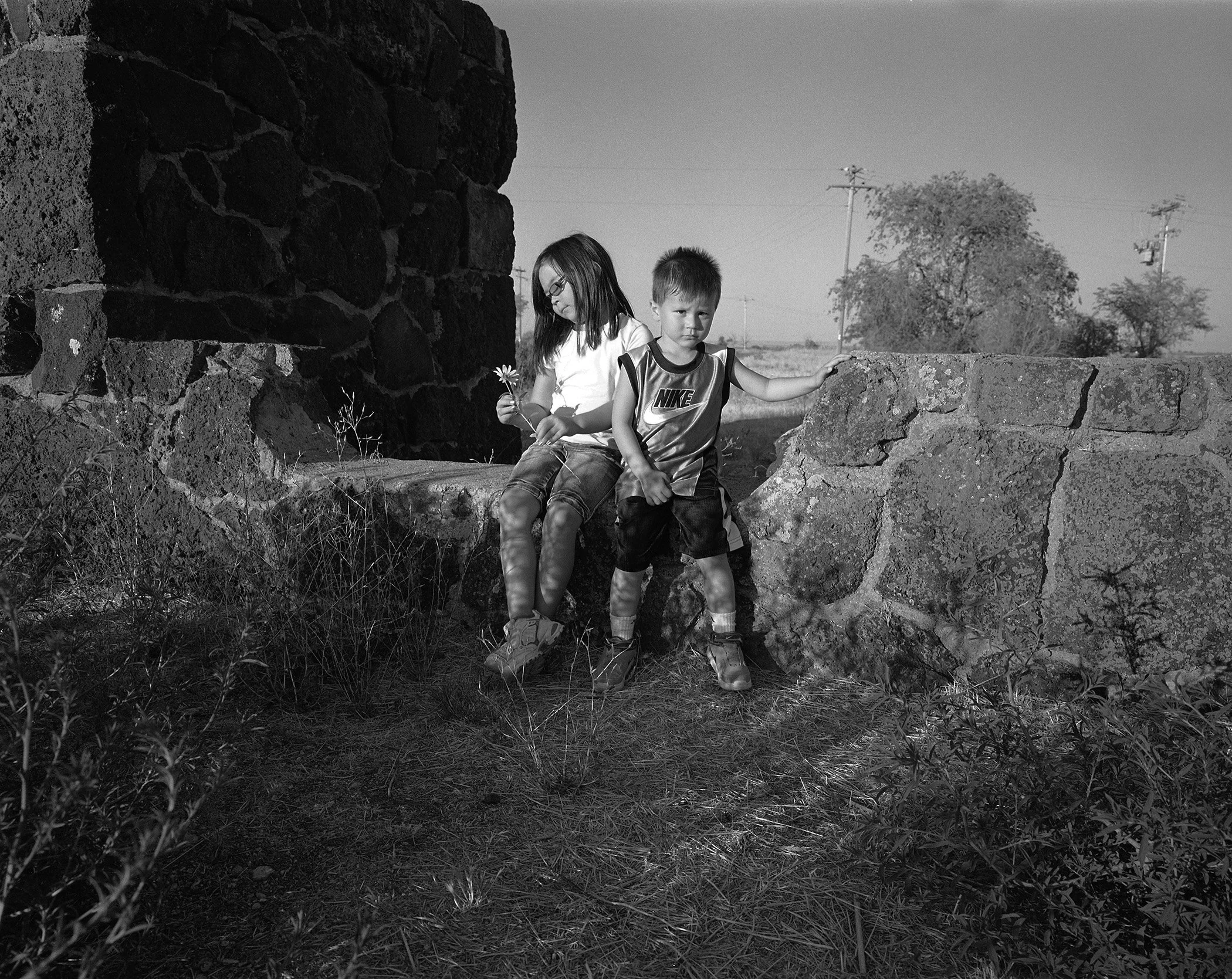
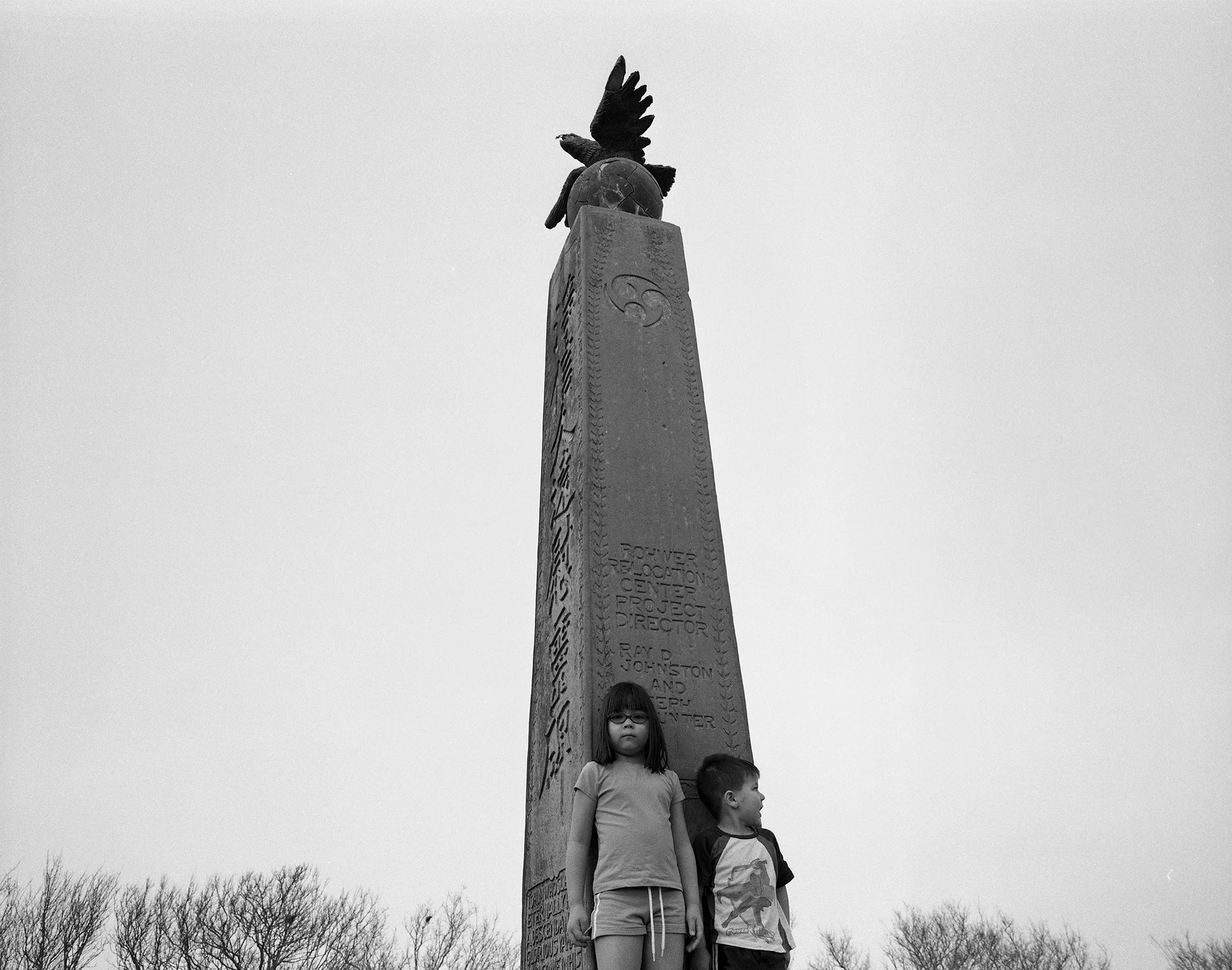
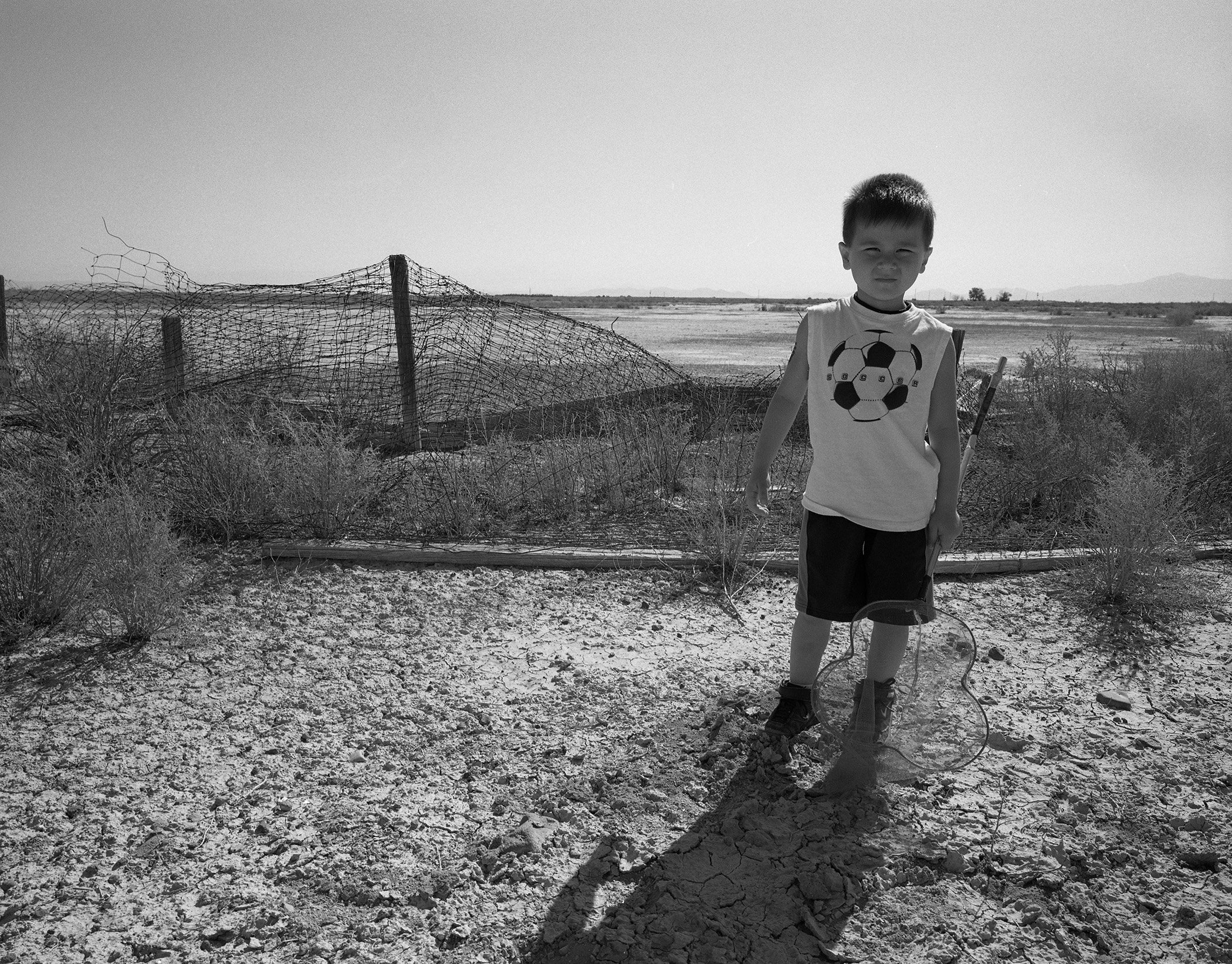
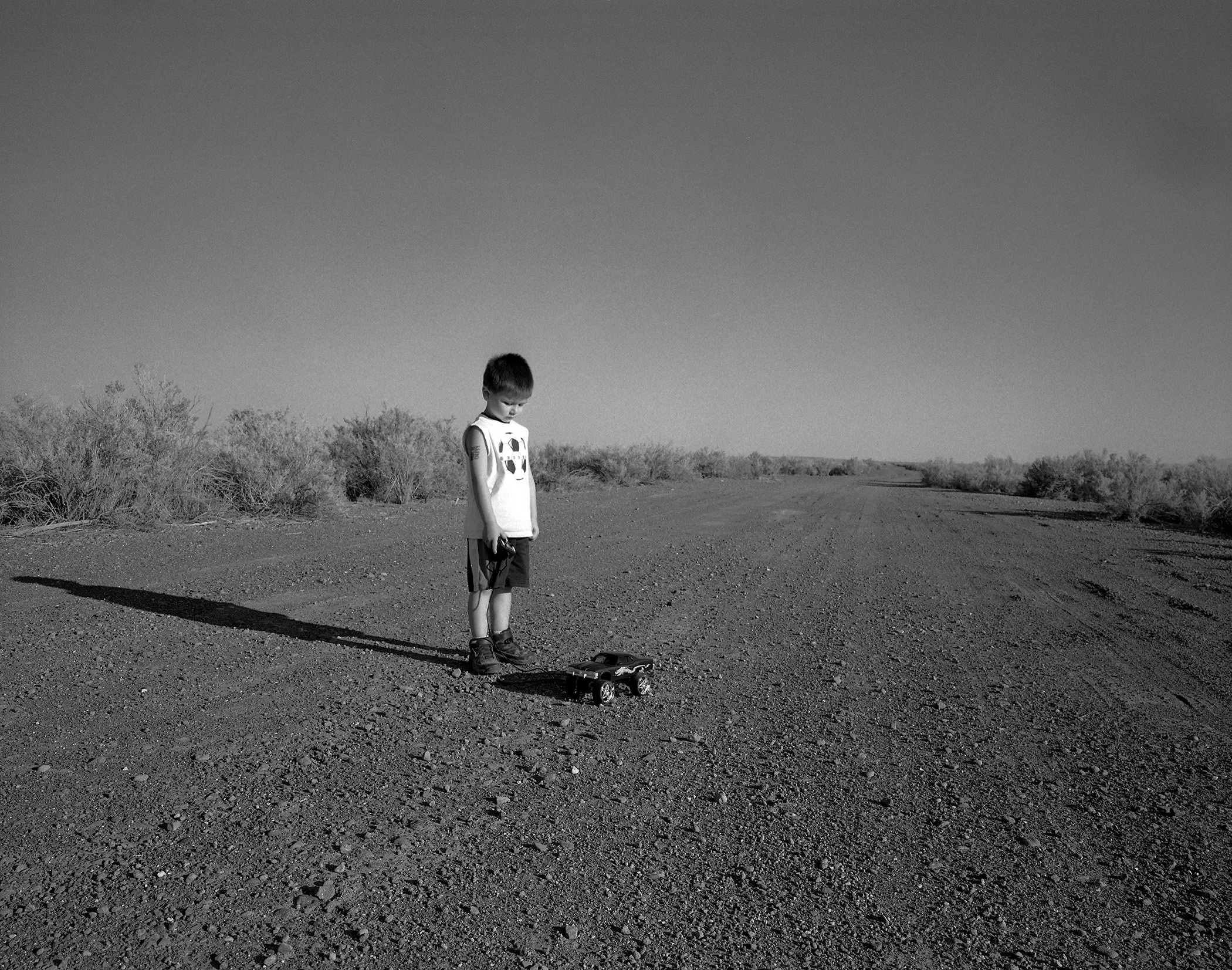
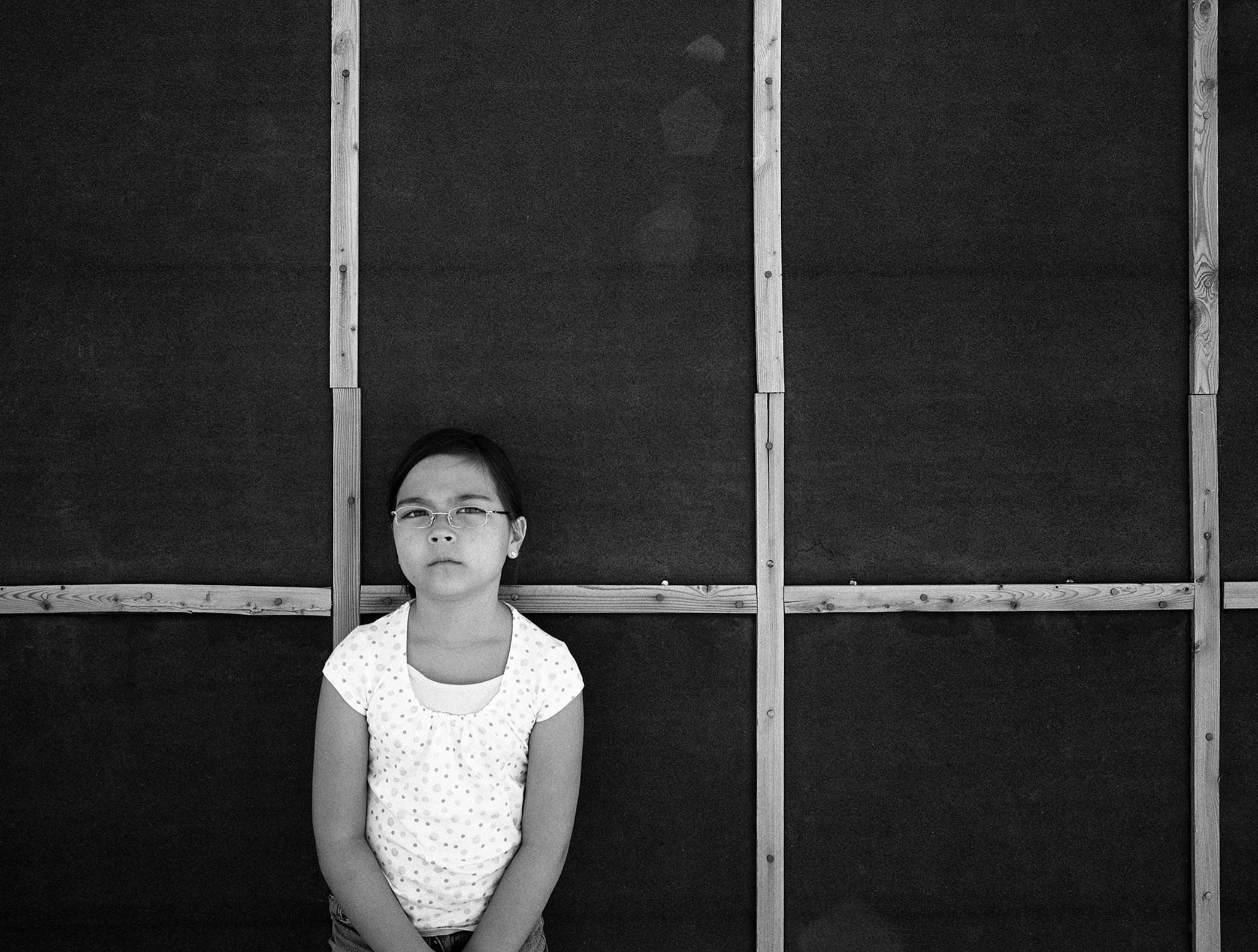
Including my children in the photographs creates a more complex picture of this difficult part of our nation’s history. They put a racial face on the landscape, a contemporary face to history and show us young Asian faces that continue to raise the question - why does race still matter?